Our Verdict
BAMBULAB Bambu Lab P1S 3D Printer Wins
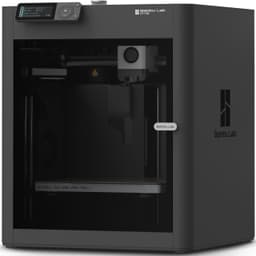
This FDM printer offers a substantially larger build volume of 256x256x256mm and a vastly superior print speed of 500mm/s, making it more versatile for general-purpose 3D printing and larger functional parts compared to the ELEGOO Mars 5 Ultra's smaller volume and slower linear speed. While more expensive at $419.0, its capabilities justify the premium. The ELEGOO Mars 5 Ultra is the better pick for users prioritizing extreme detail and intricate models over size and material strength, especially given its 9K LCD and lower $339.99 price point.
Bottom Line: BAMBULAB Bambu Lab P1S 3D Printer is the better choice. This FDM printer offers a substantially larger build volume of 256x256x256mm and a vastly superior print speed of 500mm/s, making it more versatile for general-purpose 3D printing and larger functional parts compared to the ELEGOO Mars 5 Ultra's smaller volume and slower linear speed.
In-Depth Analysis
How they compare in practice
The BAMBULAB Bambu Lab P1S and ELEGOO Mars 5 Ultra represent two distinct approaches to 3D printing, catering to different user needs. The P1S is an FDM (Fused Deposition Modeling) printer, known for its ability to produce larger, more robust functional parts using a wide range of thermoplastic filaments like PLA, ABS, PA, and PC. Its impressive 256x256x256mm build volume is considerably larger than the Mars 5 Ultra's 153.416x77.724x164.846mm, allowing for significantly bigger prints or batches of parts in a single run. Critically, the P1S boasts a top print speed of 500mm/s, which translates to much faster completion times for FDM models, a key advantage for rapid prototyping or producing multiple items efficiently.
Conversely, the ELEGOO Mars 5 Ultra is an MSLA (Masked Stereolithography) resin printer, specializing in incredibly high-detail models with smooth surface finishes, thanks to its 9K LCD screen. While its maximum print speed of 150mm/h (approximately 0.0416mm/s vertical build speed) appears slower than the P1S's linear movement, this metric applies to the Z-axis layer-by-layer building, not the X/Y movement, and is very fast for a resin printer. It excels where intricate features, sharp edges, and aesthetic quality are paramount, such as miniatures, jewelry, or highly detailed figurines. The Mars 5 Ultra also brings modern conveniences like an AI camera for print monitoring and WiFi for wireless file transfer, features absent on the P1S without additional modules.
The real-world trade-off lies in application: the P1S is a workhorse for functional, larger prints with a faster overall throughput, though its output may not match the Mars 5 Ultra's finesse. The Mars 5 Ultra, despite being more affordable at $339.99 compared to the P1S's $419.0, demands a more involved post-processing workflow involving cleaning and curing resin prints, and its smaller volume limits the scale of projects. Users must weigh their priority: large, fast, and robust FDM prints with material versatility, or smaller, highly detailed, and aesthetically superior resin prints.
Key Differences
The most significant spec differences at a glance
Max Print Speed Mm S
1199900% moreAdvantages
Where each product wins

BAMBULAB
- Max Print Speed Mm S: 1199900% higher (500.0 vs 0.041666666666666664)
Which to Pick for Your Situation
Concrete scenarios with a clear recommendation
For printing large, durable functional prototypes or tools
BAMBULABThe Bambu Lab P1S offers a generous 256x256x256mm build volume and supports robust filaments like ABS and PC, making it ideal for large, strong parts.
For creating highly detailed miniatures or artistic models
ELEGOOThe ELEGOO Mars 5 Ultra's 9K LCD screen and MSLA technology deliver exceptional detail and smooth surface finishes crucial for intricate models.
For a fast turnaround on general 3D printing projects
BAMBULABWith a blazing 500mm/s max print speed, the Bambu Lab P1S significantly reduces print times for most FDM projects.
For remote monitoring and wireless file management
ELEGOOThe ELEGOO Mars 5 Ultra features WiFi connectivity for wireless file transfers and an AI camera for print monitoring, enhancing convenience.
Who Should Buy Which?
Find the right product for your needs

Buy BAMBULAB if...
Bambu Lab P1S 3D
The ideal buyer for the BAMBULAB Bambu Lab P1S 3D Printer is an enthusiast or small business owner focused on rapid prototyping, producing functional parts, or creating larger-scale models. This user prioritizes print speed and versatility in materials. They need the ability to print robust items from diverse filaments like ABS, PA, and PC, which is facilitated by the printer's enclosed chamber. The P1S's massive 256x256x256mm build volume is crucial for their projects, enabling them to produce substantial single pieces or multiple items efficiently. They value the 500mm/s max print speed, understanding that time is money or a critical factor in their hobby. While they appreciate auto bed leveling for consistent results, they're willing to forego some advanced connectivity or monitoring features for core printing performance and a larger build envelope. Their budget allows for the $419.0 investment in a high-performance FDM machine, acknowledging that some multi-color capabilities might require future upgrades.

Buy ELEGOO if...
ELEGOO Mars 5 Ultra
The ELEGOO Mars 5 Ultra is perfectly suited for hobbyists, artists, jewelers, or dental professionals who demand exceptional detail and surface finish from their 3D prints. This buyer is primarily interested in creating intricate miniatures, highly detailed figurines, precise prototypes for small components, or art pieces where aesthetic quality is paramount. They value the crystal-clear resolution provided by the 9K LCD screen, which allows for astonishingly fine features. While they understand the smaller build volume of 153.416x77.724x164.846mm and the specific post-processing steps involved with resin, these are acceptable trade-offs for the unparalleled accuracy. Features like the automatic leveling system simplify setup, and the integrated AI camera provides peace of mind by monitoring prints for common failures. At $339.99, it offers superb value for its specialized capabilities, making it an excellent choice for those whose projects demand a level of intricacy that FDM printers cannot achieve, despite its slower linear print speed and specific material requirements.
Spec Comparison
10 specs compared
| Specification |  |  |
|---|---|---|
| Price | $419 | $340 |
| Rating | 4.6(442) | 4.5(173) |
| Build Volume mm | 256x256x256 | 153.416x77.724x164.846 |
| Max Print Speed mm S | 500 | 0.04 |
| Leveling Type | Auto | Auto |
| Enclosed | Yes | Yes |
| Weight | 38.9 lbs | — |
| Printer Type | FDM | Resin (SLA/MSLA) |
| Multi Color Support | Yes | — |
| Touchscreen | — | Yes |
| Resume Print | — | Yes |
| WiFi | — | Yes |
Swipe horizontally to see all columns
Pros & Cons
Quick overview of strengths and weaknesses
BAMBULAB Bambu Lab
- 500mm/s max print speed for faster output.
- Enclosed build chamber handles advanced filaments.
- Auto bed leveling for consistent first layers.
- Quick setup: ready to print in 15 minutes.
- Multi-color printing needs separate AMS unit.
- Does not support carbon or glass fiber filaments.
ELEGOO Mars 5
- High print speed up to 150mm/h reduces print time.
- 9K LCD screen yields high detail and sharp model output.
- Automatic leveling simplifies initial printer setup.
- AI camera detects empty plates and model warping.
- Print volume of 6x3x6 inches limits larger objects.
- Tilt release mechanism may require more maintenance.
- Screen protection film requires periodic replacement.
Frequently Asked Questions
Common questions about this comparison
Which printer offers a larger build volume?
The BAMBULAB Bambu Lab P1S has a significantly larger build volume of 256x256x256mm, whereas the ELEGOO Mars 5 Ultra offers 153.416x77.724x164.846mm, making the P1S better for bigger objects.
What is the primary difference in print speed?
The P1S boasts 500mm/s linear print speed for filament, while the Mars 5 Ultra achieves 150mm/h (approx 0.0416mm/s) vertical build speed for resin. The P1S is faster for overall part production.
Can either printer support multi-color printing?
The Bambu Lab P1S supports multi-color/multi-material printing, but it requires a separate AMS (Automatic Material System) unit, which is not included in this P1S package.
Which printer is better for detailed models like figurines?
The ELEGOO Mars 5 Ultra is superior for high detail. Its 9K LCD and resin-based printing technology excel at capturing fine features and smooth surfaces that FDM printers typically cannot match.
What types of materials can these printers use?
The Bambu Lab P1S uses various filaments like PLA, ABS, PA, and PC. The ELEGOO Mars 5 Ultra uses UV-curable liquid resins.
Does either printer have advanced monitoring features?
Yes, the ELEGOO Mars 5 Ultra includes an AI camera that can detect issues like empty resin plates or model warping, and offers WiFi for remote monitoring and file transfer.
Related Comparisons
Similar products people compare
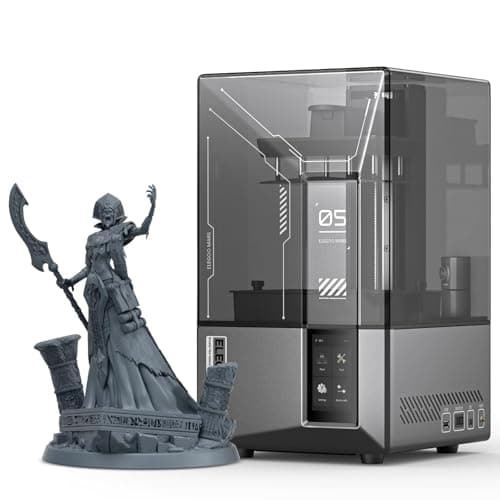
Comgrow vs ELEGOO
$399 vs $340
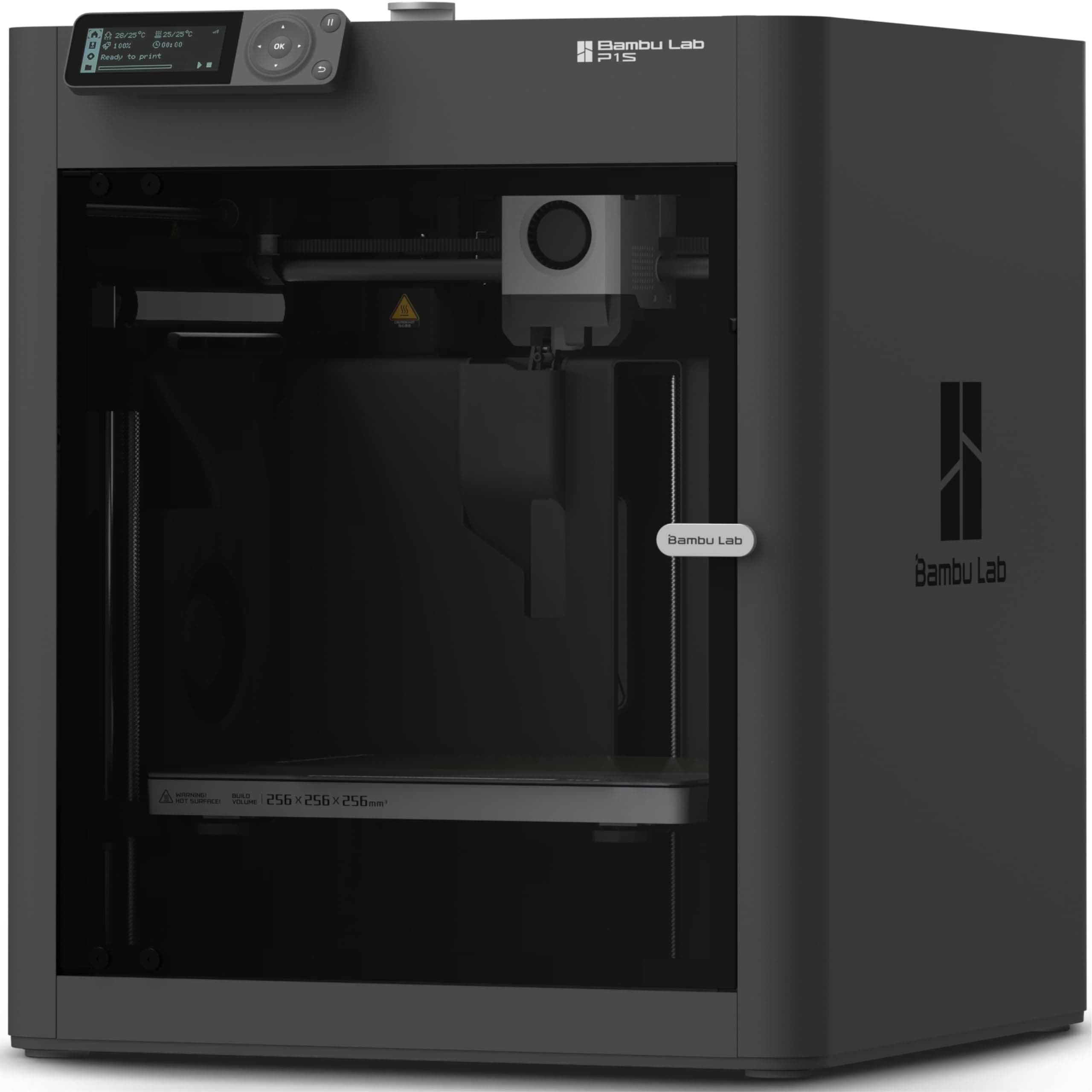
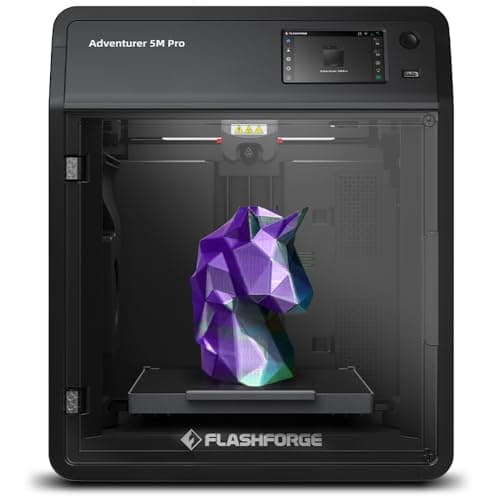
BAMBULAB vs FLASHFORGE
$419 vs $379
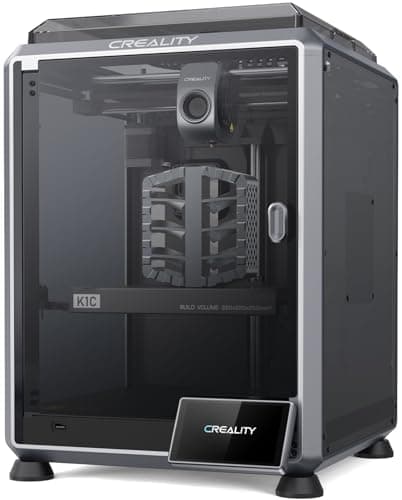
BAMBULAB vs Creality
$419 vs $399
BAMBULAB vs FLASHFORGE
$419 vs $339
ELEGOO vs ELEGOO
$340 vs $380
ELEGOO vs ELEGOO
$340 vs $520
BAMBULAB vs ELEGOO
$419 vs $520
ELEGOO vs FLASHFORGE
$340 vs $339
BAMBULAB vs ELEGOO
$419 vs $380
ELEGOO vs FLASHFORGE
$340 vs $339
BAMBULAB vs FLASHFORGE
$419 vs $339
ANYCUBIC vs BAMBULAB
$670 vs $419
BAMBULAB vs ELEGOO
$419 vs $520
ELEGOO vs ELEGOO
$340 vs $520
ELEGOO vs ELEGOO
$340 vs $300
Explore Other Categories
Popular comparisons across the site


Ask AI
Get instant answers about specs
Get the Deets
Ask our AI assistant
Ask Deets anything!