Our Verdict
EnginStar R300 Wins
It offers crucial 300W AC output and a slightly higher 296Wh capacity for only $111.10, making it more versatile for a wider range of devices compared to the EF ECOFLOW TRAIL 300. The EnginStar's ability to power standard appliances significantly enhances its utility for camping, emergencies, or CPAP machines, providing more general-purpose power. The EF ECOFLOW TRAIL 300 is the better pick for users who exclusively need DC and fast USB-C charging, valuing its LiFePO4 chemistry and faster 1.77-hour recharge time over AC capability, provided they're willing to pay $146.99 for specialized use.
Bottom Line: EnginStar R300 is the better choice. It offers crucial 300W AC output and a slightly higher 296Wh capacity for only $111.
In-Depth Analysis
How they compare in practice
The EF ECOFLOW TRAIL 300 and EnginStar R300 represent distinct philosophies in portable power, largely dictated by their output capabilities and battery chemistry. The most significant divergence lies in the EnginStar R300's inclusion of two 110V pure sine wave AC outlets with 300W output, a feature entirely absent from the EF ECOFLOW TRAIL 300. This immediately positions the EnginStar as a far more versatile option for powering common household electronics, small appliances, or even medical devices like CPAP machines. The pure sine wave ensures sensitive electronics are protected, a critical consideration for many users in real-world scenarios.
Conversely, the EF ECOFLOW TRAIL 300 focuses exclusively on DC power. While it lacks AC, it compensates with an impressive array of DC ports: five dedicated DC ports, two USB-A, and two high-power 140W USB-C ports. This makes it a powerhouse for charging laptops, smartphones, tablets, and other USB-powered gadgets rapidly and simultaneously. Its LiFePO4 battery chemistry is another key advantage, offering significantly more charge cycles and enhanced safety compared to the EnginStar's Li-ion battery, despite the EnginStar claiming 1000+ cycles. For users prioritizing long-term durability and safety for their DC devices, the EcoFlow has an edge.
The trade-offs extend to charging speed and price. The EF ECOFLOW TRAIL 300 boasts a rapid 1.77-hour recharge time, indicative of a higher input wattage, meaning less downtime. The EnginStar R300, with its max 65W input, will take considerably longer to recharge its 296Wh capacity. However, the EnginStar's price tag of $111.10 is substantially lower than the EF ECOFLOW's $146.99, offering greater value for those needing AC power on a tighter budget. Essentially, the EnginStar provides broader utility at a lower cost, while the EcoFlow offers specialized DC performance, premium battery tech, and faster charging for a higher investment.
Key Differences
The most significant spec differences at a glance
Battery Capacity
3% lessAC Output
100% lessAC Outlets
100% lessDc Ports
150% moreUSB-A Ports
100% moreAdvantages
Where each product wins

EF ECOFLOW
- Dc Ports: 150% higher (5 vs 2)
- USB-A Ports: 100% higher (2 vs 1)
- USB-C Ports: 100% higher (2 vs 1)

EnginStar
- Battery Capacity: 3% higher (288 vs 296)
- AC Output: 100% higher (0 vs 300)
- AC Outlets: 100% higher (0 vs 2)
Which to Pick for Your Situation
Concrete scenarios with a clear recommendation
For powering essential home appliances during an outage
EnginStarThe EnginStar R300 offers two 300W pure sine wave AC outlets, essential for running small electronics like lamps or fans, which the EF ECOFLOW TRAIL 300 cannot power.
For a multi-day camping trip focused on charging USB devices
EF ECOFLOWThe EF ECOFLOW TRAIL 300 provides dual 140W USB-C ports and multiple DC outputs, ideal for rapidly charging laptops, phones, and drones without needing AC conversion.
For budget-conscious buyers needing versatile power
EnginStarPriced at $111.10, the EnginStar R300 delivers 300W AC output and 296Wh capacity, offering more general utility for a significantly lower investment than the $146.99 EF ECOFLOW.
For maximum battery longevity and durability
EF ECOFLOWThe EF ECOFLOW TRAIL 300 utilizes LiFePO4 battery chemistry, known for a much higher cycle life and greater stability compared to standard Li-ion, ensuring longer product lifespan.
Who Should Buy Which?
Find the right product for your needs

Buy EF ECOFLOW if...
EF ECOFLOW TRAIL 300
The EF ECOFLOW TRAIL 300 is ideal for the dedicated outdoor enthusiast, professional drone pilot, or remote worker whose power needs are primarily focused on high-speed DC and USB charging. This buyer prioritizes durability, efficiency, and safety for their valuable gadgets like laptops, smartphones, tablets, and drones. They appreciate the cutting-edge 288Wh LiFePO4 battery, knowing it offers superior longevity and thermal stability compared to standard Li-ion, ensuring their investment lasts for years. The dual 140W USB-C ports are a significant draw, allowing them to rapidly charge power-hungry devices, while the five DC ports provide ample connectivity for other 12V accessories. This user values the incredibly fast 1.77-hour recharge time, minimizing downtime during adventures or work. They are perfectly content without AC outlets, as their essential gear is designed for DC input, and they prefer the compact, robust design for easy transport. They understand the $146.99 price reflects premium components and specialized functionality, gladly paying it for reliability over broad but less-optimized utility. They willingly forgo the ability to run household appliances, as that's not part of their use case.

Buy EnginStar if...
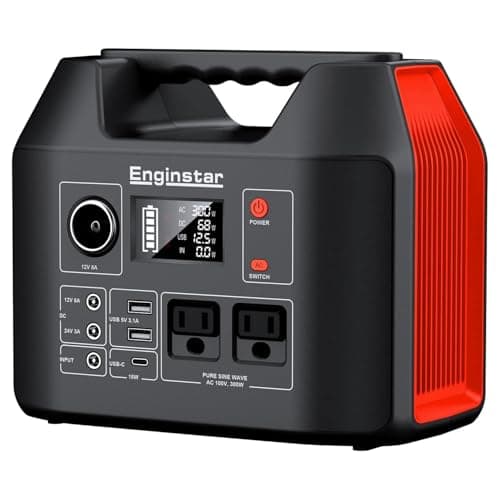
EnginStar Portable Power Station
The EnginStar R300 is perfectly suited for the pragmatic camper, emergency preparedness enthusiast, or budget-conscious individual who needs versatile power for both DC and standard AC appliances. This buyer's priorities lean towards broad utility and affordability, needing to power items like small fans, lamps, laptop chargers, or medical devices like a CPAP machine via standard wall plugs. The presence of two 300W pure sine wave AC outlets is a non-negotiable feature for them, making the $111.10 price point incredibly attractive. While the 296Wh Li-ion battery might not boast the extreme longevity of LiFePO4, its claimed 1000+ cycle life is sufficient for their needs, offering a solid performance-to-cost ratio. They are comfortable with the slightly slower charging speed of the 65W input, as their usage patterns don't demand ultra-fast turnarounds. This user values the ability to recharge via wall, car, or solar panel, offering flexibility for various scenarios. They are willing to accept fewer specialized DC ports in favor of general-purpose AC power, making it an excellent all-around backup power supply.
Spec Comparison
12 specs compared
| Specification | 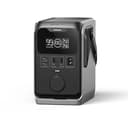 | 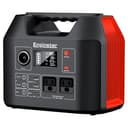 |
|---|---|---|
| Price | $147 | $130 |
| Rating | 4.4(158) | 4.3(1.4k) |
| Capacity Wh | 288W | 296W |
| Chemistry | LiFePO4 | Li-ion |
| AC Output Watts | 0W | 300W |
| Dc Ports | 5 | 2 |
| AC Outlets | 0 | 2 |
| USB A Ports | 2 | 1 |
| USB C Ports | 2 | 1 |
| Model Number | TRAIL DC | R300 |
| Charge Time Hours | 1.77 hrs | — |
| Solar Input Watts | 110W | — |
| Cycle Life | — | 1000 |
| Weight | — | 6.5 lbs |
Swipe horizontally to see all columns
Pros & Cons
Quick overview of strengths and weaknesses
EF ECOFLOW TRAIL 300
- 288Wh LiFePO4 battery for durable power output
- 300W DC output powers multiple outdoor devices
- Five DC ports charge up to five devices concurrently
- Dual 140W USB-C ports enable rapid device charging
- No AC outlets; incompatible with standard appliances
- Charging cable not included; requires separate purchase
EnginStar Portable Power
- Lightweight 6.5 lbs for easy portability
- 300W pure sine wave AC output protects devices
- 8 output ports charge multiple items concurrently
- Three recharge methods: wall, car, solar panel
- Solar panel not included; separate purchase required
- Max 65W input speed; slower full recharge
- Requires charging every 2-3 months for upkeep
Frequently Asked Questions
Common questions about this comparison
Can I power a mini-fridge or a CPAP machine with these power stations?
The EnginStar R300 can power a CPAP machine or a small mini-fridge thanks to its two 300W AC pure sine wave outlets. The EF ECOFLOW TRAIL 300 lacks AC output and cannot power these devices.
Which unit charges faster?
The EF ECOFLOW TRAIL 300 recharges significantly faster, taking only 1.77 hours. The EnginStar R300 has a max 65W input, implying a longer recharge time for its 296Wh capacity.
What is the difference in battery lifespan?
The EF ECOFLOW TRAIL 300 uses LiFePO4 chemistry, offering superior cycle life and longevity. While the EnginStar R300 (Li-ion) claims 1000+ cycles, LiFePO4 typically offers much more.
Which is better for simultaneously charging many small devices?
The EF ECOFLOW TRAIL 300 offers 5 DC ports, 2 USB-A, and 2 USB-C ports, providing more diverse and numerous outputs for multiple small devices compared to the EnginStar's fewer ports.
Do either of these power stations come with a solar panel?
Neither the EF ECOFLOW TRAIL 300 nor the EnginStar R300 include a solar panel. Both units are solar-compatible, with the EcoFlow supporting up to 110W input.
Related Comparisons
Similar products people compare
ALLWEI vs EF ECOFLOW
$129 vs $147
EnginStar vs GRECELL
$130 vs $100
EnginStar vs ZeroKor
$130 vs $130
EF ECOFLOW vs Jackery
$147 vs $229
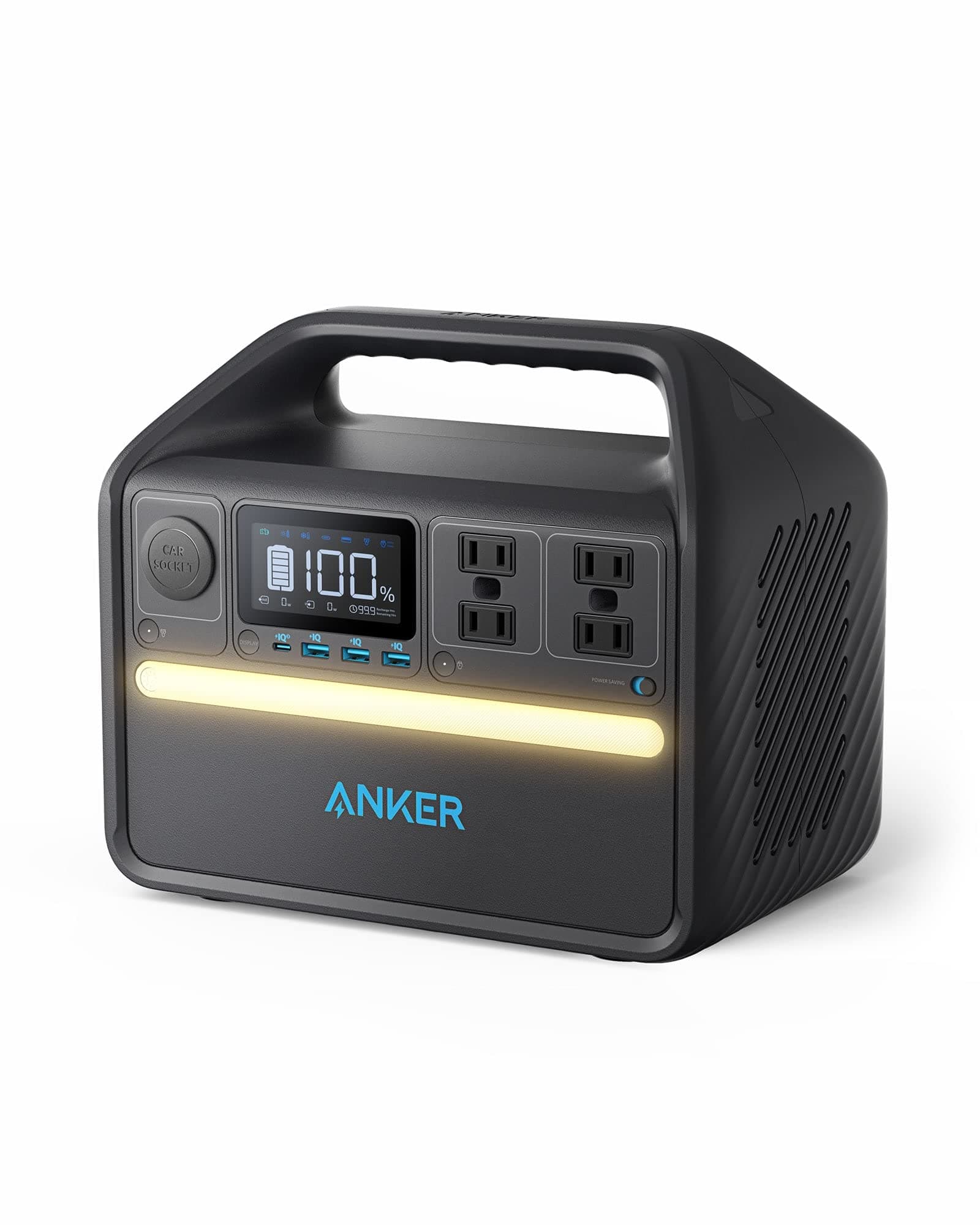
Anker vs EnginStar
$300 vs $130
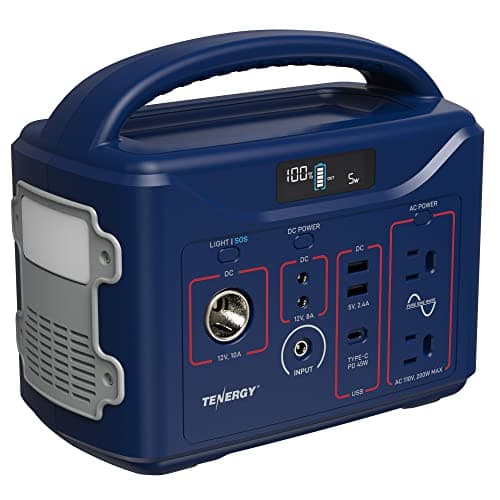
EnginStar vs Tenergy
$130 vs $180
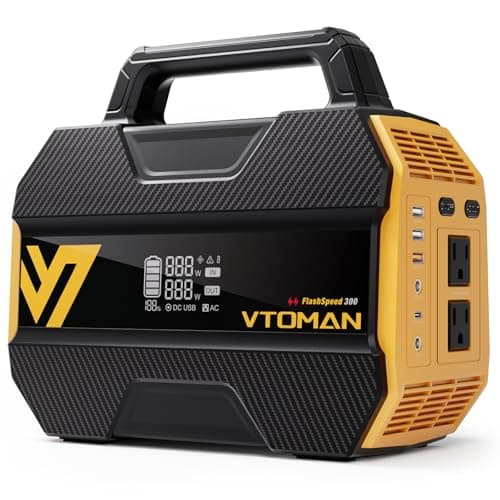
EnginStar vs VTOMAN
$130 vs $140
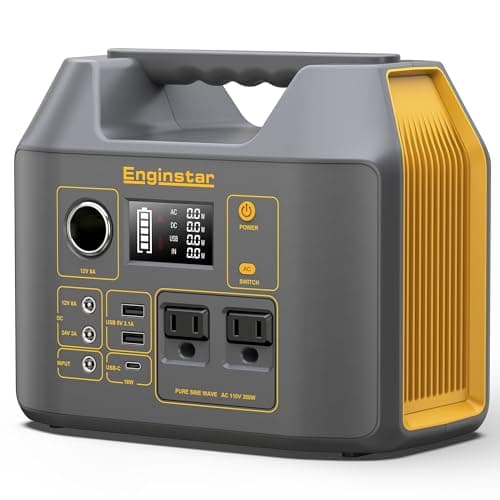
EnginStar vs EnginStar
$130 vs $111
EF ECOFLOW vs EnginStar
$147 vs $111
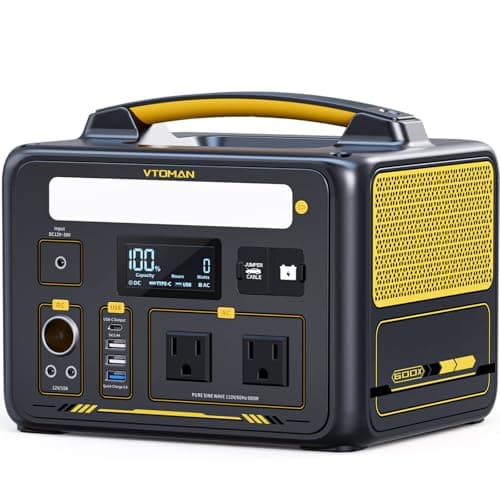
EnginStar vs VTOMAN
$130 vs $240
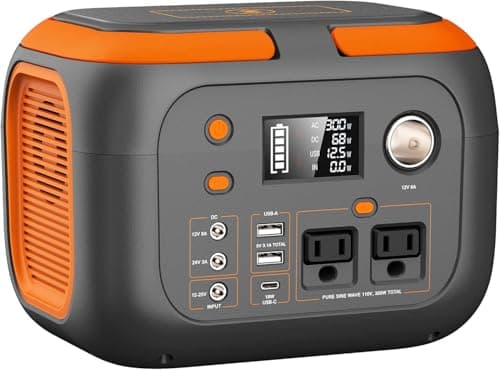
EF ECOFLOW vs SinKeu
$147 vs $103
ALLWEI vs EnginStar
$129 vs $130
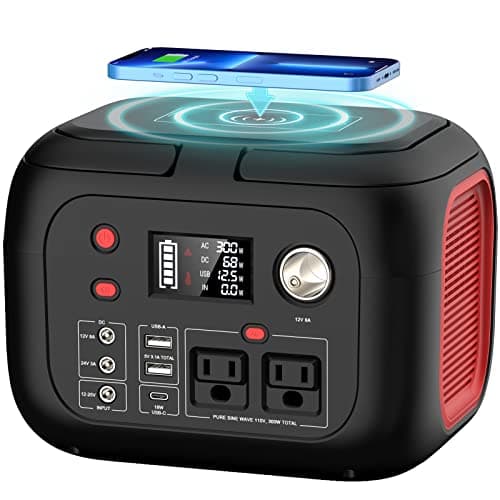
EF ECOFLOW vs ENOFLO
$147 vs $120
EF ECOFLOW vs GRECELL
$147 vs $100
EF ECOFLOW vs VTOMAN
$147 vs $140
Explore Other Categories
Popular comparisons across the site
Ask AI
Get instant answers about specs
Get the Deets
Ask our AI assistant
Ask Deets anything!