Our Verdict
Anker 521 Portable Power Station Wins
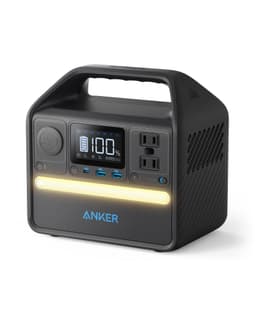
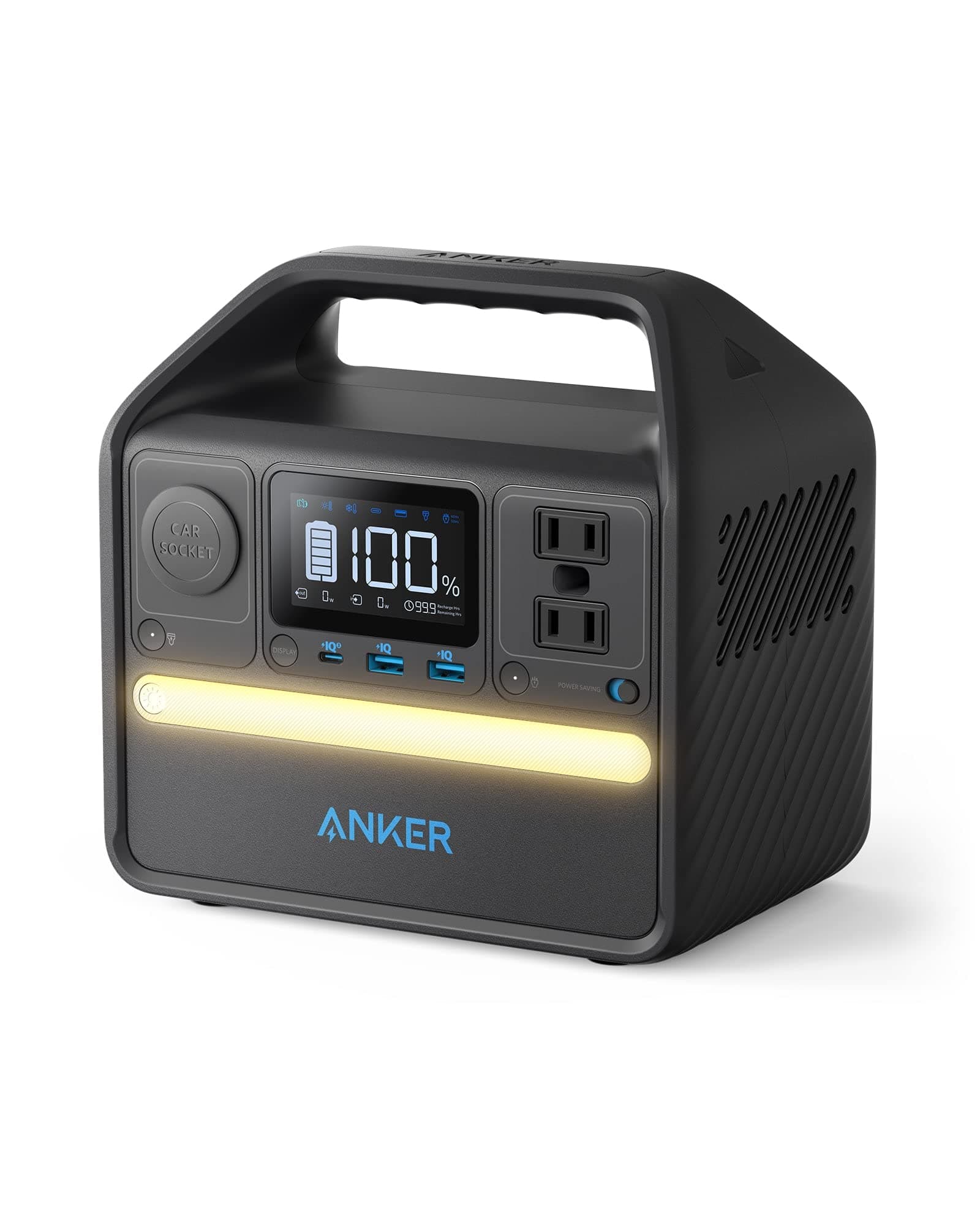
While offering slightly less capacity at 256Wh, its robust LiFePO4 battery and 300W AC output provide excellent core functionality and value at $149.99, making it a highly accessible entry point for reliable portable power. The Anker SOLIX C300 is the better pick for users prioritizing rapid charging and a higher port count, especially its 140W two-way USB-C, if the $100 price premium is justified for those conveniences.
Bottom Line: Anker 521 Portable Power Station is the better choice. While offering slightly less capacity at 256Wh, its robust LiFePO4 battery and 300W AC output provide excellent core functionality and value at $149.
In-Depth Analysis
How they compare in practice
The Anker 521 and Anker SOLIX C300 both offer the reliability of LiFePO4 battery chemistry, promising extended lifespans (Anker 521 touts a 10-year lifespan, while the SOLIX C300 is rated for 3,000 cycles). Both also deliver a consistent 300W AC output, with a 600W peak, meaning they can handle similar small appliances like mini-fridges, laptops, or CPAP machines. However, their true differences emerge in charging speed, port variety, and ultimately, value proposition.
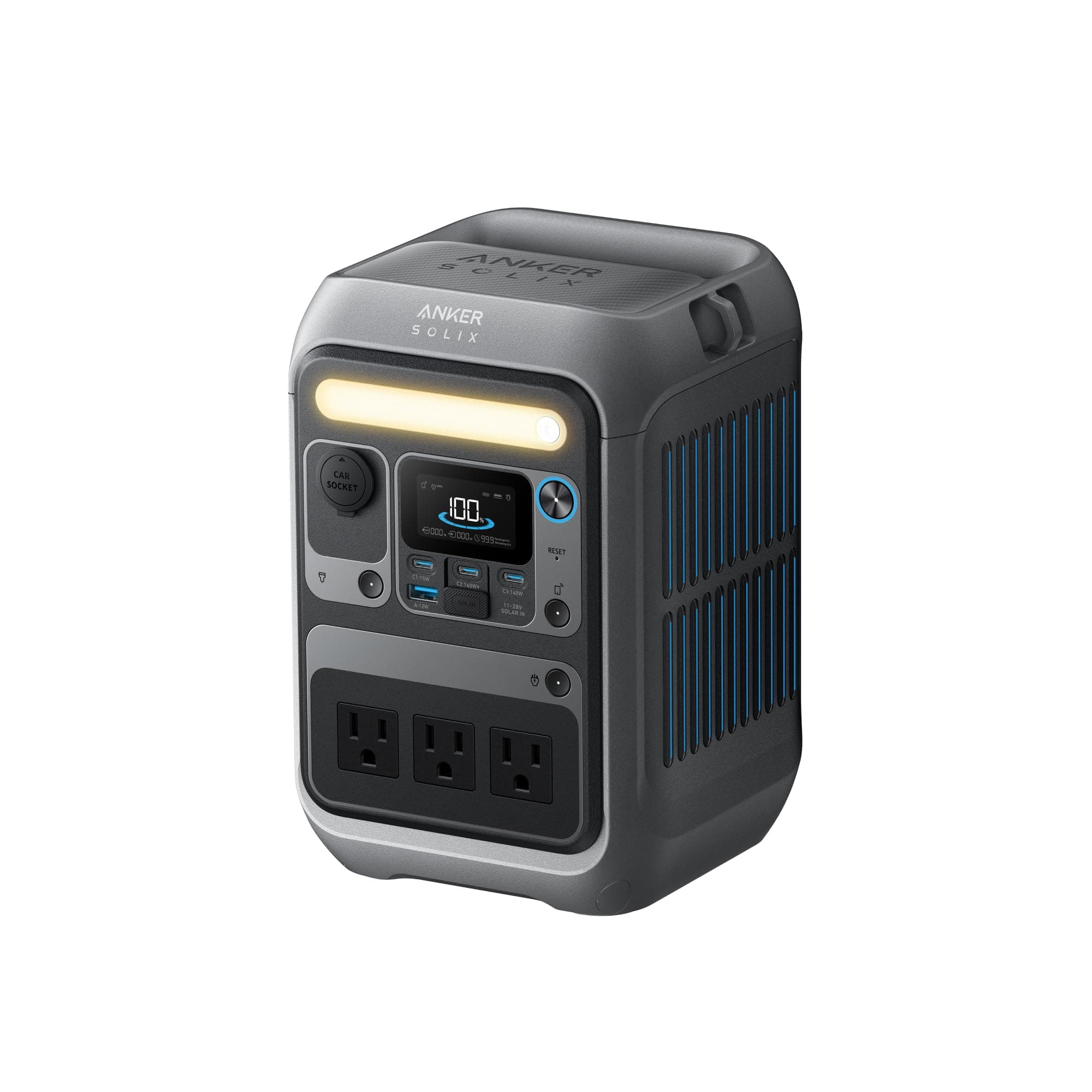
The most significant real-world distinction lies in recharging capabilities and port versatility. The Anker SOLIX C300 features a powerful 140W two-way USB-C port, allowing it to recharge to 80% capacity in an impressive 50 minutes. This is a game-changer for users on the go who need quick turnarounds. It also boasts more output ports: three AC outlets, three USB-C ports (one at 140W), and a car outlet, totaling eight. In contrast, the Anker 521 offers a more modest 60W USB-C PD output and a total of six ports, with only two AC outlets.
While the SOLIX C300 edges out the 521 slightly in capacity (288Wh vs 256Wh), this difference is often negligible in practical use for devices within their 300W output limit. The Anker 521, at a significantly lower price point of $149.99 compared to the SOLIX C300's $249.99, presents a compelling value for those seeking fundamental portable power without the need for ultra-fast charging or extensive port options. It provides dependable power for essential devices and basic camping needs without breaking the bank. Choosing between them boils down to whether the premium for speed and expanded connectivity of the Anker SOLIX C300 outweighs the excellent core functionality and affordability of the Anker 521.
Key Differences
The most significant spec differences at a glance
Battery Capacity
11% lessAC Outlets
33% lessUSB-A Ports
100% moreUSB-C Ports
67% lessWeight
10% lessAdvantages
Where each product wins

Anker
- USB-A Ports: 100% higher (2 vs 1)
- Weight: 10% lower (8.16 vs 9.02)

Anker
- Battery Capacity: 11% higher (256.0 vs 288)
- AC Outlets: 33% higher (2 vs 3)
- USB-C Ports: 67% higher (1 vs 3)
Which to Pick for Your Situation
Concrete scenarios with a clear recommendation
For a tight budget and reliable core power
AnkerThe Anker 521 offers a LiFePO4 battery and 300W AC output at $149.99, providing essential power at a significantly lower cost than the SOLIX C300.
For rapid recharges and quick turnarounds
AnkerThe Anker SOLIX C300 boasts 140W two-way fast charging, allowing it to recharge to 80% capacity in just 50 minutes, which is unmatched by the Anker 521.
For powering multiple modern devices simultaneously
AnkerWith 8 output ports, including three AC outlets and three USB-C ports (one 140W PD), the Anker SOLIX C300 provides greater versatility for multi-device users than the Anker 521's six outputs.
For basic camping or emergency backup
AnkerThe Anker 521's 256Wh capacity and 300W AC output are sufficient for essential lights, phones, and small electronics, offering reliable backup without the premium features.
Who Should Buy Which?
Find the right product for your needs
Buy Anker if...
Anker 521 Portable Power
The Anker 521 Portable Power Station is ideally suited for the budget-conscious individual or family seeking reliable, long-lasting portable power without unnecessary frills. This buyer might be a casual camper, an outdoor enthusiast who needs to power essential devices like phones, tablets, or drone batteries, or someone looking for an affordable emergency backup for critical small home appliances during power outages. They prioritize value and durability, appreciating the LiFePO4 battery chemistry for its 10-year lifespan and the solid 300W AC output for $149.99. While they might not need the absolute fastest charging speeds or a multitude of specialized ports, the 256Wh capacity is perfectly adequate for their general needs. They are comfortable with its 8.16 lbs weight for occasional transport and are not looking to power high-wattage tools or numerous devices concurrently, finding the two AC outlets and 60W USB-C PD port sufficient for their primary use cases.

Buy Anker if...
Anker Portable Power Station
The Anker SOLIX C300 is designed for the discerning user who values speed, versatility, and advanced features in their portable power solution and is willing to invest a premium for these benefits. This buyer could be a digital nomad, a frequent traveler, or someone who regularly uses multiple modern USB-C powered devices like laptops, cameras, and drones, requiring rapid recharges for both their devices and the power station itself. The standout 140W two-way USB-C port, allowing 80% recharge in just 50 minutes, is a critical selling point for their fast-paced lifestyle. They will leverage its higher port count—three AC outlets and three USB-C ports—for powering and charging multiple gadgets simultaneously. The slightly higher 288Wh capacity and robust LiFePO4 battery (rated for 3,000 cycles) provide confidence for sustained use. While it's $100 more expensive and slightly heavier at 9.02 lbs than the Anker 521, this buyer views these as minor trade-offs for superior convenience, efficiency, and expanded connectivity.
Spec Comparison
12 specs compared
| Specification |  |  |
|---|---|---|
| Price | $150 | $250 |
| Rating | 4.4(3.0k) | 4.6(1.7k) |
| Capacity Wh | 256W | 288W |
| Chemistry | LiFePO4 | LiFePO4 |
| AC Output Watts | 300W | 300W |
| Dc Ports | 1 | 1 |
| AC Outlets | 2 | 3 |
| Weight | 8.16 lbs | 9.02 lbs |
| USB A Ports | 2 | 1 |
| USB C Ports | 1 | 3 |
| Peak Output Watts | 600W | 600W |
| Cycle Life | — | 3000 |
| Charge Time Hours | — | 0.83 hrs |
| Solar Input Watts | — | 100W |
Swipe horizontally to see all columns
Pros & Cons
Quick overview of strengths and weaknesses
Anker Anker 521
- LiFePO4 battery provides 10-year lifespan
- Peak 600W output handles high-draw appliances
- 60W USB-C PD port recharges laptops quickly
- Six outputs: 2 AC, 1 USB-C PD, 2 USB-A, 1 DC
- 8.16 lbs unit weight impacts portability
- 256Wh capacity limits high-draw use cases
- Solar charging requires separate panel purchase
Anker Portable Power
- 288Wh capacity, 300W AC output (600W surge).
- 140W two-way USB-C port enables rapid charging.
- 8 output ports: 3 AC, 3 USB-C, 1 USB-A, 1 car.
- LiFePO4 battery rated for 3,000 charge cycles.
- Solar panel for recharging is not included.
- Not compatible with all Anker solar panel models.
- Only one of three USB-C ports offers 140W output.
Frequently Asked Questions
Common questions about this comparison
What is the expected lifespan of these power stations?
Both utilize LiFePO4 batteries for extended durability. The Anker 521 claims a 10-year lifespan, while the Anker SOLIX C300 is rated for 3,000 charge cycles to 80% capacity, indicating similar long-term reliability.
How quickly can each power station be recharged?
The Anker SOLIX C300 excels here, recharging to 80% in just 50 minutes via its 140W two-way fast charging. The Anker 521 features a 60W USB-C PD input/output, but its full AC recharge time is not specified as rapidly.
Can these power stations run a small refrigerator or CPAP machine?
Yes, both power stations offer 300W continuous AC output with a 600W peak, which is generally sufficient for most small refrigerators or CPAP machines. Always check your device's exact wattage.
What are the main differences in output ports?
The Anker 521 has 2 AC outlets, 1 USB-C (60W PD), 2 USB-A, and 1 DC port. The Anker SOLIX C300 provides more options with 3 AC outlets, 3 USB-C ports (one at 140W), 1 USB-A, and 1 car outlet.
Are solar panels included with either power station?
No, solar panels are optional and must be purchased separately for both the Anker 521 and the Anker SOLIX C300. Both support solar input for recharging.
Related Comparisons
Similar products people compare
Anker vs Jackery
$150 vs $229
Anker vs VTOMAN
$250 vs $140
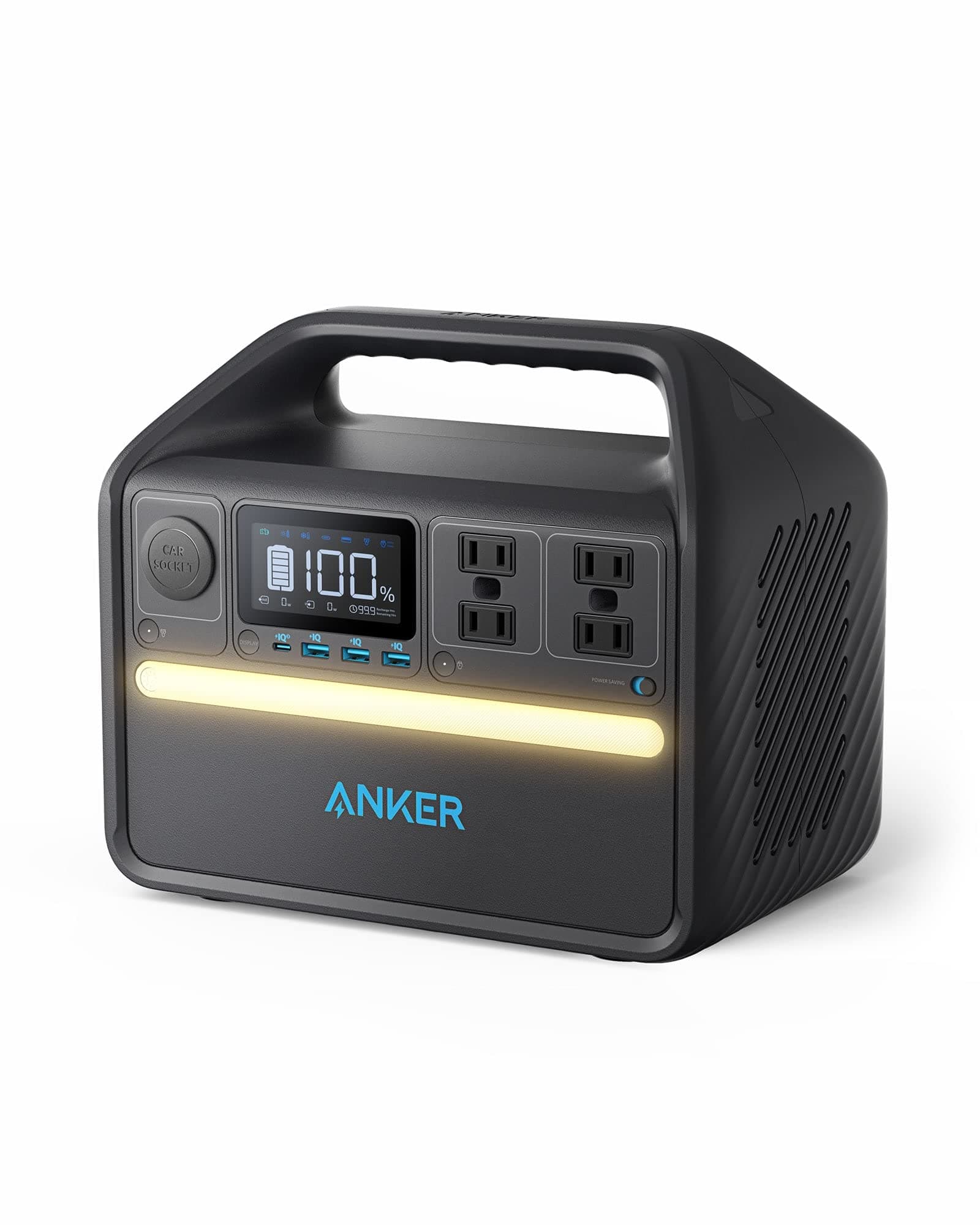
Anker vs Anker
$300 vs $250
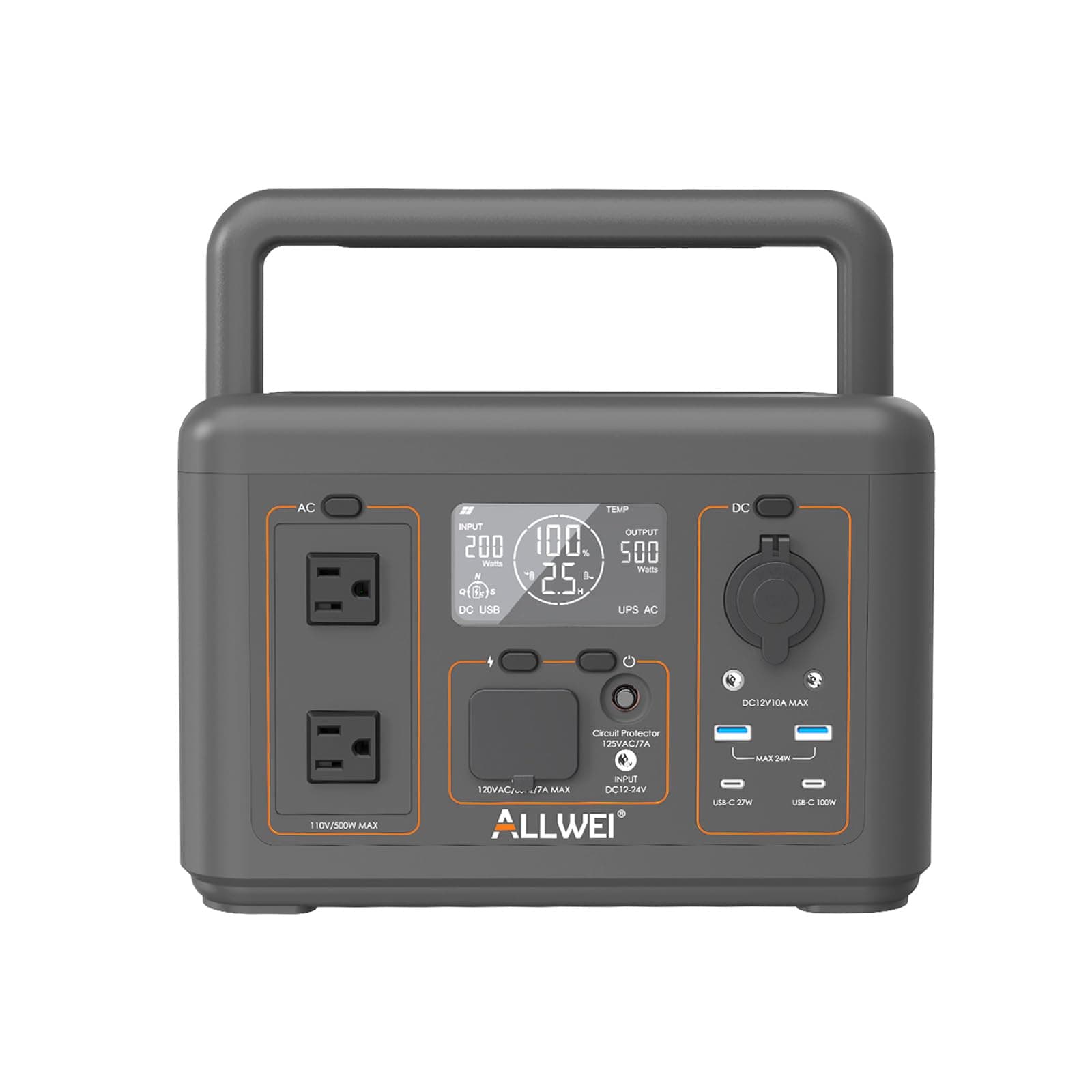
ALLWEI vs Anker
$269 vs $250
Anker vs VTOMAN
$150 vs $140
Anker vs Apowking
$150 vs $100
ALLWEI vs Anker
$129 vs $150
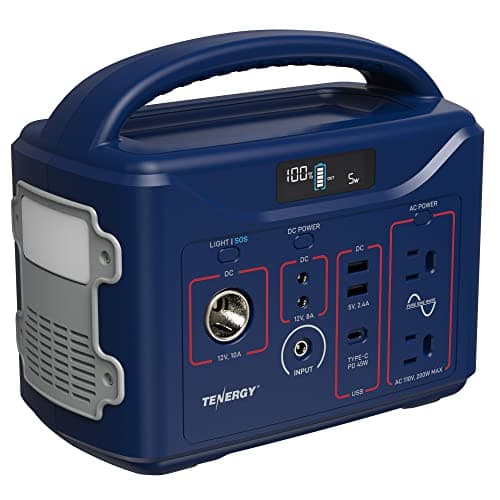
Anker vs Tenergy
$250 vs $180
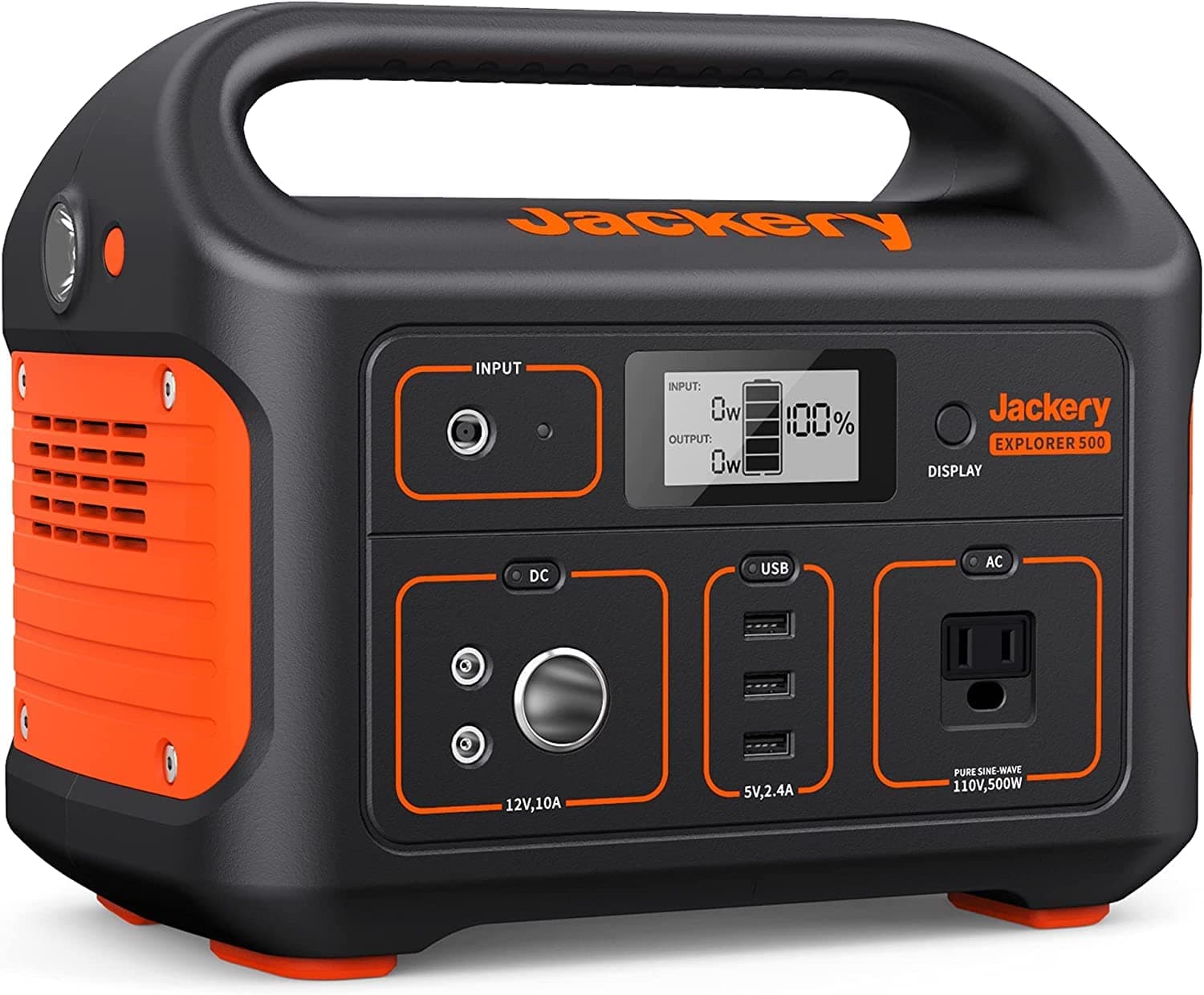
Anker vs Jackery
$250 vs $299
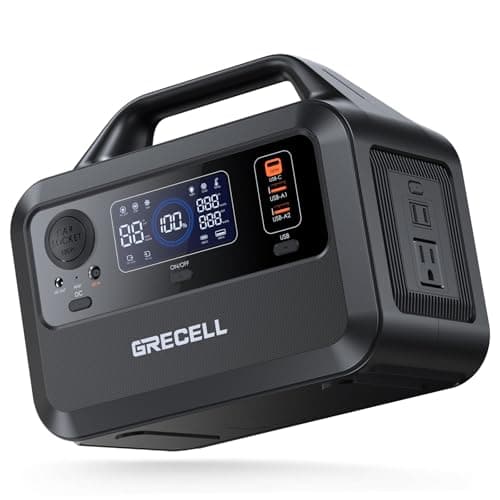
Anker vs GRECELL
$250 vs $100
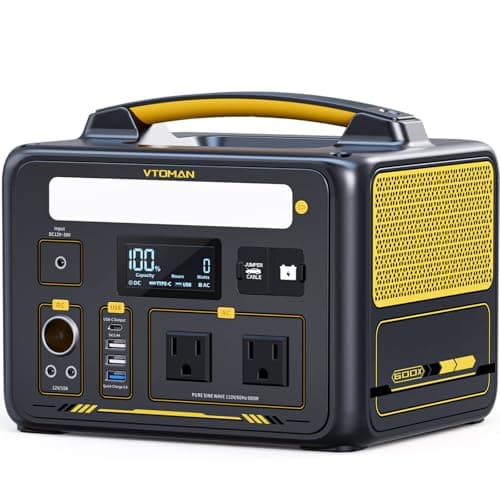
Anker vs VTOMAN
$150 vs $240
Anker vs EF ECOFLOW
$150 vs $147
Anker vs GRECELL
$150 vs $190
Anker vs EnginStar
$250 vs $130
Anker vs ZeroKor
$150 vs $130
Explore Other Categories
Popular comparisons across the site
Ask AI
Get instant answers about specs
Get the Deets
Ask our AI assistant
Ask Deets anything!