Our Verdict
Hisense PX3-PRO Wins
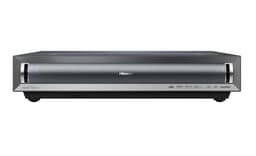
While both deliver stunning 4K laser projection, the Hisense PX3-PRO edges out for its superior brightness at 3000 lumens compared to NexiGo's 2400 lumens, and its impressive 240Hz high refresh rate, making it ideal for gamers. It also offers flexible projection sizes from 80-150 inches. The NexiGo Aurora Pro MKII is the better pick for those prioritizing maximum cinematic contrast and an immediate, all-in-one solution, thanks to its >30,000:1 dynamic contrast ratio and included 100" Fresnel ALR screen.
Bottom Line: Hisense PX3-PRO is the better choice. While both deliver stunning 4K laser projection, the Hisense PX3-PRO edges out for its superior brightness at 3000 lumens compared to NexiGo's 2400 lumens, and its impressive 240Hz high refresh rate, making it ideal for gamers.
In-Depth Analysis
How they compare in practice
The Hisense PX3-PRO and NexiGo Aurora Pro MKII are formidable contenders in the ultra-short throw (UST) 4K laser projector market, each appealing to slightly different user priorities. The most immediate difference in real-world performance stems from their brightness and contrast capabilities. The Hisense PX3-PRO outputs 3000 ANSI lumens, providing a brighter image that will hold up better in rooms with moderate ambient light compared to the NexiGo's 2400 lumens. This extra brightness translates to a more vibrant and less washed-out picture during daytime viewing or in non-darkened environments.
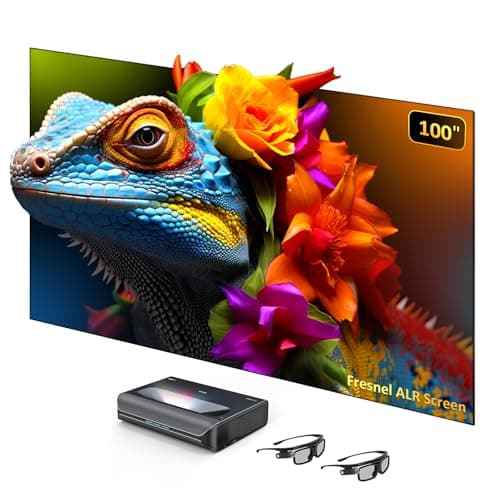
However, the NexiGo Aurora Pro MKII truly shines in its contrast performance. With a dynamic contrast ratio exceeding 30,000:1 through its dynamic iris and laser dimming, it delivers significantly deeper blacks and more nuanced shadow detail than the Hisense's 3000:1 native contrast. This is further bolstered by its included 100-inch Fresnel ALR (Ambient Light Rejecting) screen, which effectively rejects 85% of ambient light, allowing the projector to achieve its high contrast potential even in moderately lit rooms. While the Hisense also benefits greatly from an ALR screen, it doesn't include one, adding to the total cost for optimal performance.
For gamers, the Hisense PX3-PRO holds a clear advantage with its 240Hz high refresh rate, a critical feature for fluid, responsive gameplay, particularly noted by its 'Designed for Xbox' branding. The NexiGo does not specify a high refresh rate, implying it's not optimized for competitive gaming. Additionally, the Hisense offers greater flexibility in screen size, projecting from 80 to 150 inches, whereas the NexiGo is fixed at a 100-inch projection due to its bundled screen. This makes the Hisense more adaptable for different room sizes or preferences for a larger cinematic experience without buying a new screen. The NexiGo's fixed 100-inch screen and precise 0.21:1 throw ratio means setup requires careful alignment, but it delivers an exceptional out-of-the-box cinematic experience for its specific size.
Key Differences
The most significant spec differences at a glance
Brightness Ansi Lumens
25% moreAdvantages
Where each product wins

Hisense
- Brightness Ansi Lumens: 25% higher (3000 vs 2400)
Which to Pick for Your Situation
Concrete scenarios with a clear recommendation
For serious gamers
HisenseThe Hisense PX3-PRO features a 240Hz high refresh rate, crucial for smooth and responsive gameplay, unlike the NexiGo.
For an immersive cinematic experience in a dedicated dark room
NexiGoThe NexiGo Aurora Pro MKII offers a superior >30,000:1 dynamic contrast ratio and includes an ALR screen, delivering deeper blacks and stunning detail.
For living rooms with moderate ambient light
TieThe Hisense's 3000 lumens offer more brightness, but the NexiGo's included 100" Fresnel ALR screen significantly reduces ambient light impact.
For flexible screen size options
HisenseThe Hisense PX3-PRO can project images from 80 to 150 inches, providing more versatility than the NexiGo's fixed 100-inch screen.
Who Should Buy Which?
Find the right product for your needs

Buy Hisense if...
Hisense PX3-PRO Ultra Short
The Hisense PX3-PRO is tailor-made for the modern home entertainment enthusiast who prioritizes versatility, bright images, and a cutting-edge gaming experience. This buyer likely has a dynamic living space where they might want to project anything from a vibrant 80-inch casual movie to an expansive 150-inch cinematic spectacle. They appreciate the flexibility of a variable projection size and are either willing to purchase a separate ALR screen or primarily use the projector in controlled lighting conditions. Crucially, the ideal Hisense buyer is a serious gamer, drawn to the projector's 240Hz high refresh rate and 'Designed for Xbox' certification, seeking the lowest possible input lag and fluid motion for competitive play. They might already have a robust external sound system, so the lack of specified powerful built-in speakers isn't a drawback. While they're giving up the NexiGo's ultra-high dynamic contrast and included screen, they gain unparalleled gaming performance and brightness for a variety of viewing situations.

Buy NexiGo if...
NexiGo Aurora Pro MKII
The NexiGo Aurora Pro MKII is the perfect fit for the discerning home cinema connoisseur who values an out-of-the-box, premium cinematic experience with exceptional contrast and picture depth. This buyer wants to transform their living space into an immersive movie theater without the hassle of selecting and buying a separate screen, appreciating the immediate value and performance boost of the included 100-inch Fresnel ALR screen. They prioritize deep blacks and vibrant, lifelike images achieved through the projector's >30,000:1 dynamic contrast and ALPD 5.0 engine, even if it means slightly lower peak brightness at 2400 lumens compared to its competitor. The fixed 100-inch screen size is not a limitation but rather a perfect fit for their room layout. While they might compromise on the ultra-high refresh rate for gaming, their primary focus is on an unparalleled movie-watching experience with rich detail and superior ambient light rejection, making the 60W built-in speakers a welcome addition for casual viewing.
Spec Comparison
8 specs compared
| Specification |  | 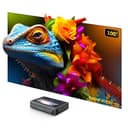 |
|---|---|---|
| Price | $2998 | $2999 |
| Rating | 4.2(104) | 5.0(3) |
| Brightness Ansi Lumens | 3000 | 2400 |
| Native Resolution | Native 4K | Native 4K |
| Hdr Support | Yes | Yes |
| Light Source | Laser | Laser |
| Contrast Ratio | 3000:1 | 30000:1 |
| Throw Ratio | — | 0.21 |
| Speaker Watts | — | 60W |
| Lamp Life Hours | — | 30000 hrs |
Swipe horizontally to see all columns
Pros & Cons
Quick overview of strengths and weaknesses
Hisense PX3-PRO Ultra
- Projects 80-150 inches from short distance.
- Native 4K resolution with AI upscaling.
- 3000 lumens produces bright images.
- Achieves 110% BT.2020 color gamut.
- Optimal performance requires ALR screen.
- 3000:1 contrast ratio is lower than most TVs.
- Single-chip DLP may cause rainbow effect.
- Ambient light reduces image contrast.
NexiGo Aurora Pro
- Achieves >30,000:1 contrast with real-time dimming.
- ALPD 5.0 engine provides 107% BT.2020 color.
- Native 4K resolution with Dolby Vision & HDR10+ support.
- 0.21:1 ultra-short throw fits into small spaces.
- Fixed 100-inch screen limits projection size flexibility.
- Ultra-short throw requires precise screen alignment.
- Built-in 60W speakers are good, but dedicated audio is bette
Frequently Asked Questions
Common questions about this comparison
Which projector is brighter?
The Hisense PX3-PRO is brighter with 3000 ANSI lumens, compared to the NexiGo Aurora Pro MKII's 2400 ANSI lumens, offering better performance in moderately lit rooms.
Does either projector come with a screen?
Yes, the NexiGo Aurora Pro MKII includes a 100" Fresnel ALR screen that rejects 85% of ambient light. The Hisense PX3-PRO recommends an ALR screen but does not include one.
Which projector is better for gaming?
The Hisense PX3-PRO is significantly better for gaming due to its 240Hz high refresh rate, which provides smoother motion and a more responsive experience.
What is the key difference in picture quality?
The NexiGo offers a much higher dynamic contrast ratio (>30,000:1) for deeper blacks and superior detail, while the Hisense provides higher overall brightness (3000 lumens).
What are the sound capabilities of these projectors?
The NexiGo Aurora Pro MKII features built-in 60W speakers. The Hisense PX3-PRO does not specify speaker wattage, suggesting external audio is highly recommended for immersive sound.
Related Comparisons
Similar products people compare
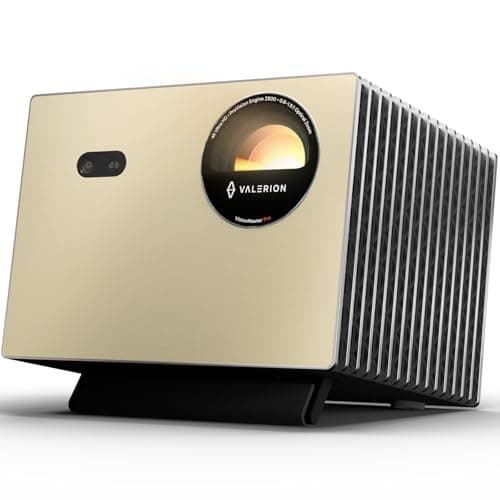
Hisense vs Valerion
$2998 vs $1999
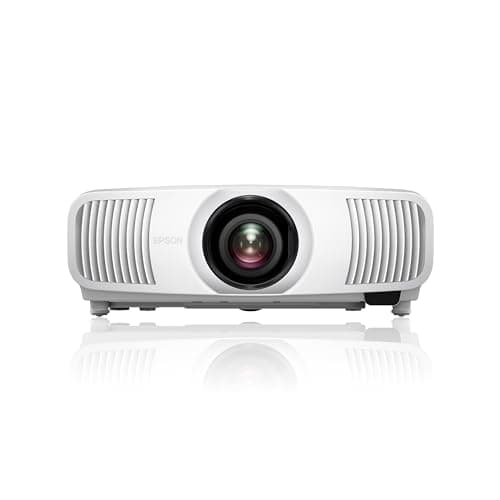
Epson vs Hisense
$3199 vs $2998
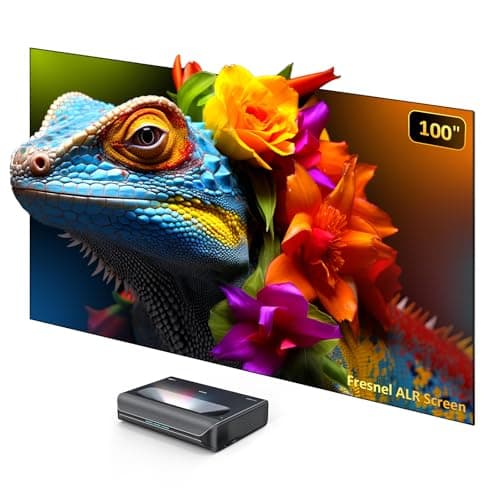
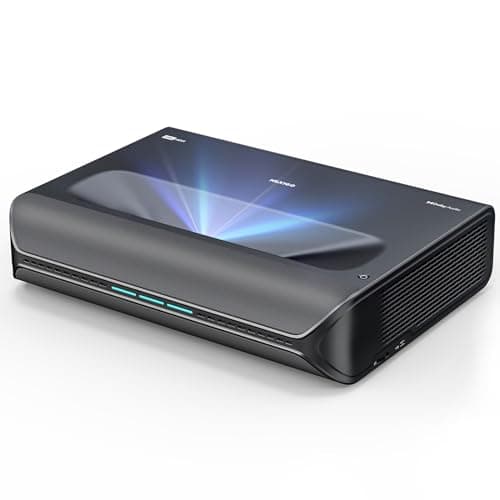
NexiGo vs NexiGo
$2999 vs $2299
Hisense vs NexiGo
$2998 vs $3099
BenQ vs NexiGo
$2799 vs $2999
NexiGo vs NexiGo
$2999 vs $3199
Hisense vs Sony
$2998 vs $4500
BenQ vs Hisense
$2799 vs $2998
AWOL VISION vs Hisense
$2499 vs $2998
AWOL VISION vs NexiGo
$2299 vs $2999
NexiGo vs NexiGo
$2999 vs $3099
AWOL VISION vs Hisense
$2299 vs $2998
AWOL VISION vs Hisense
$3499 vs $2998
AWOL VISION vs NexiGo
$2499 vs $2999
BenQ vs NexiGo
$2199 vs $2999
Explore Other Categories
Popular comparisons across the site


Ask AI
Get instant answers about specs
Get the Deets
Ask our AI assistant
Ask Deets anything!