Our Verdict
Hisense PX3-PRO Wins
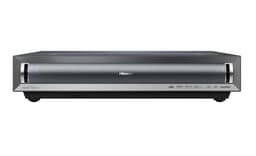
It offers a brighter 3000 ANSI lumens output compared to NexiGo's 2400 lumens, making it more adaptable to various lighting conditions, and its 240Hz refresh rate is exceptional for gaming. While both feature Native 4K resolution, Hisense's superior refresh rate gives it an edge for dynamic content. The NexiGo Aurora Pro MKII is the better pick for those prioritizing cinematic contrast, delivering a remarkable 30000:1 ratio against Hisense's 3000:1, and for buyers who appreciate the convenience of a bundled 100-inch ALR screen at a competitive price.
Bottom Line: Hisense PX3-PRO is the better choice. It offers a brighter 3000 ANSI lumens output compared to NexiGo's 2400 lumens, making it more adaptable to various lighting conditions, and its 240Hz refresh rate is exceptional for gaming.
In-Depth Analysis
How they compare in practice
Both the Hisense PX3-PRO and NexiGo Aurora Pro MKII are impressive Native 4K ultra-short throw laser projectors, yet they cater to slightly different priorities in a home entertainment setup. A primary distinction lies in brightness; the Hisense PX3-PRO boasts 3000 ANSI lumens, a significant advantage over the NexiGo's 2400 lumens. In practical terms, this means the Hisense projector will hold up better against ambient light, offering a more vibrant image in a living room or multi-purpose media space that isn't always fully darkened. This translates to greater viewing flexibility throughout the day.
Conversely, the NexiGo Aurora Pro MKII dominates in terms of contrast, featuring an astounding 30,000:1 contrast ratio compared to Hisense's 3,000:1. This tenfold difference profoundly impacts the cinematic experience, rendering much deeper blacks and more impactful HDR content (supporting Dolby Vision and HDR10+), making it a true powerhouse for dedicated dark home theaters where image depth is paramount. While both offer Native 4K, the NexiGo's contrast ensures a more dynamic and immersive picture in optimal conditions.
For gamers, the Hisense PX3-PRO clearly pulls ahead with its 240Hz high refresh rate, a crucial specification for minimizing motion blur and ensuring a buttery-smooth, responsive gaming experience, proudly stamped as "Designed for Xbox." The NexiGo does not specify such high refresh rates, making Hisense the go-to for competitive or serious console/PC gaming. Additionally, the Hisense offers a flexible projection size from 80-150 inches, allowing users to choose their screen.
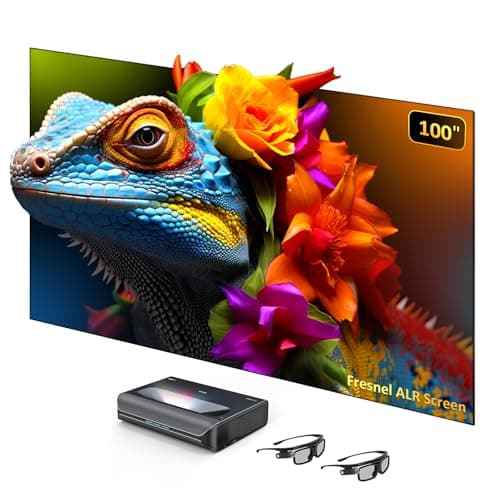
The value proposition also differs. The NexiGo Aurora Pro MKII, priced slightly higher at $3099, comes as a complete package including a 100-inch Fresnel ALR screen and 3D glasses. This bundled offering simplifies the purchase and guarantees an optimized viewing surface from day one, though it limits screen size flexibility. The Hisense PX3-PRO, while initially cheaper at $2997.97, requires a separate ALR screen purchase for optimal performance, which can quickly negate its initial price advantage.
Key Differences
The most significant spec differences at a glance
Brightness Ansi Lumens
25% moreAdvantages
Where each product wins

Hisense
- Brightness Ansi Lumens: 25% higher (3000 vs 2400)
Which to Pick for Your Situation
Concrete scenarios with a clear recommendation
Dedicated Home Theater Experience
NexiGoThe NexiGo Aurora Pro MKII's 30,000:1 contrast ratio delivers significantly deeper blacks and more impactful HDR, crucial for a premium cinematic experience in a controlled dark environment.
High-Performance Gaming
HisenseThe Hisense PX3-PRO offers an impressive 240Hz refresh rate, providing incredibly smooth motion and responsiveness, which is a key advantage for serious gamers.
Bright Living Room Viewing
HisenseWith 3000 ANSI lumens, the Hisense PX3-PRO outputs a brighter image compared to NexiGo's 2400 lumens, making it more resilient against ambient light.
Complete Setup Value
NexiGoThe NexiGo Aurora Pro MKII bundles a 100-inch Fresnel ALR screen and 3D glasses, offering a comprehensive package and excellent value for its $3099 price point.
Who Should Buy Which?
Find the right product for your needs

Buy Hisense if...
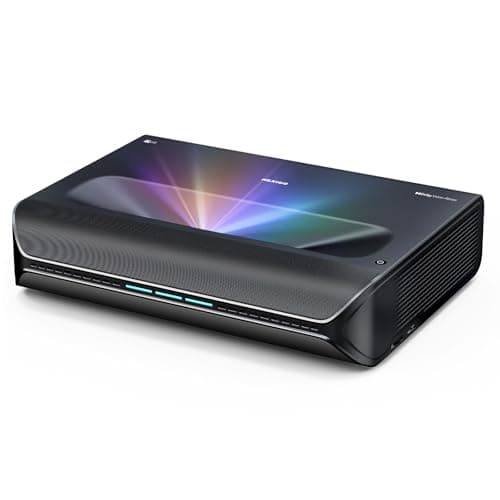
Hisense PX3-PRO Ultra Short
The ideal buyer for the Hisense PX3-PRO is a dynamic user who values versatility in their home entertainment setup, especially if gaming is a significant priority. This projector is perfect for individuals or families looking to use it in a living room or multi-purpose media space where some ambient light might be present, thanks to its robust 3000 ANSI lumens brightness. Gamers will particularly appreciate the industry-leading 240Hz refresh rate, ensuring an incredibly fluid and responsive experience for fast-paced titles, aligning perfectly with its "Designed for Xbox" designation. They prioritize smooth motion and crisp details over the deepest possible blacks. This buyer is also someone who might desire the flexibility to choose their screen size, as the PX3-PRO can project an image from 80 to 150 inches, allowing for future upgrades or specific room dimensions. While they'll need to purchase an ALR screen separately for optimal image quality, the slightly lower initial price of $2997.97 gives them some budget wiggle room. They might be willing to forego the NexiGo's bundled screen and exceptional contrast ratio in favor of superior brightness and unparalleled gaming performance.

Buy NexiGo if...
NexiGo Aurora Pro MKII
The NexiGo Aurora Pro MKII is perfectly suited for the discerning cinephile or home theater enthusiast who prioritizes an uncompromised cinematic viewing experience. This buyer values profound image depth and exceptional contrast above all else, making the projector's standout 30,000:1 contrast ratio a major draw for truly inky blacks and vibrant HDR content (Dolby Vision, HDR10+). They are likely to set up their projector in a light-controlled environment, such as a dedicated media room, where its 2400 lumens will still perform excellently. Furthermore, this product appeals to those who appreciate a complete, hassle-free solution. The inclusion of a high-quality 100-inch Fresnel ALR screen and 3D glasses at $3099.0 means a significant component of the home theater setup is immediately covered, simplifying the purchase process and offering excellent value. The impressive 30,000-hour laser lamp life ensures long-term, virtually maintenance-free enjoyment. While they might forego the extreme brightness and ultra-high refresh rate of the Hisense PX3-PRO, their focus is squarely on a superior, immersive movie-watching journey with an all-inclusive package.
Spec Comparison
7 specs compared
| Specification |  | 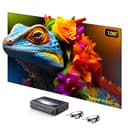 |
|---|---|---|
| Price | $2998 | $3099 |
| Rating | 4.2(104) | 5.0(3) |
| Brightness Ansi Lumens | 3000 | 2400 |
| Native Resolution | Native 4K | Native 4K |
| Hdr Support | Yes | Yes |
| Light Source | Laser | Laser |
| Contrast Ratio | 3000:1 | 30000:1 |
| Throw Ratio | — | 0.21 |
| Lamp Life Hours | — | 30000 hrs |
Swipe horizontally to see all columns
Pros & Cons
Quick overview of strengths and weaknesses
Hisense PX3-PRO Ultra
- Projects 80-150 inches from short distance.
- Native 4K resolution with AI upscaling.
- 3000 lumens produces bright images.
- Achieves 110% BT.2020 color gamut.
- Optimal performance requires ALR screen.
- 3000:1 contrast ratio is lower than most TVs.
- Single-chip DLP may cause rainbow effect.
- Ambient light reduces image contrast.
NexiGo Aurora Pro
- Native 4K resolution for detailed image output
- 30,000:1 contrast ratio delivers deep blacks
- 0.21:1 ultra-short throw for flexible placement
- Laser light source provides 30,000 hours of use
- Included 100-inch screen limits size flexibility
- Ultra-short throw placement demands precise alignment
- 2400 lumens may struggle in high ambient light
Frequently Asked Questions
Common questions about this comparison
Which projector offers a better contrast ratio for cinematic viewing?
The NexiGo Aurora Pro MKII offers a significantly superior 30,000:1 contrast ratio, delivering much deeper blacks and more vibrant HDR content compared to the Hisense PX3-PRO's 3,000:1 ratio.
Is either projector better for gaming?
Yes, the Hisense PX3-PRO is designed for Xbox and boasts a 240Hz high refresh rate, making it notably better for smooth, responsive gaming compared to the NexiGo.
Do either of these projectors come with a screen?
The NexiGo Aurora Pro MKII includes a 100-inch Fresnel ALR screen and 3D glasses in its $3099 package. The Hisense PX3-PRO does not include a screen.
Which projector is brighter in a room with some ambient light?
The Hisense PX3-PRO is brighter, rated at 3000 ANSI lumens. The NexiGo Aurora Pro MKII is rated at 2400 lumens, which may struggle more in rooms with significant ambient light.
What is the native resolution of these projectors?
Both the Hisense PX3-PRO and the NexiGo Aurora Pro MKII offer Native 4K UHD resolution, ensuring exceptionally sharp and detailed image output.
What is the lamp life for these laser projectors?
The NexiGo Aurora Pro MKII specifies a laser lamp life of 30,000 hours, offering long-term durability. Hisense also uses a laser source but does not explicitly state its lamp life.
Related Comparisons
Similar products people compare
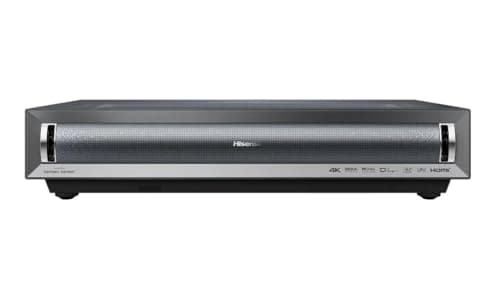
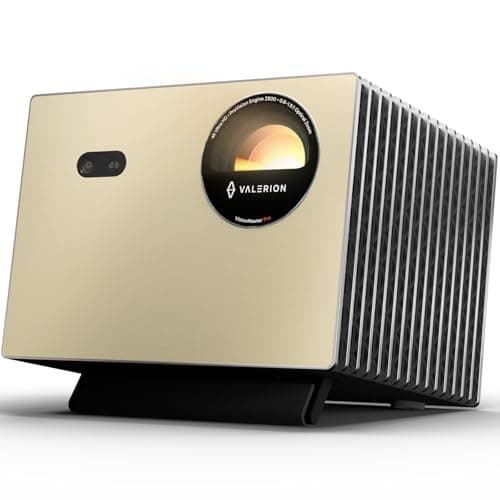
Hisense vs Valerion
$2998 vs $1999
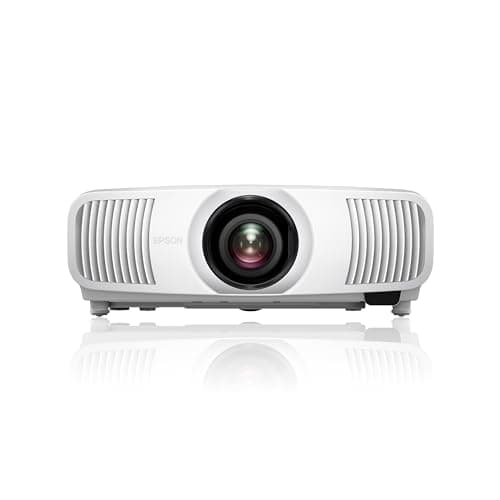
Epson vs Hisense
$3199 vs $2998
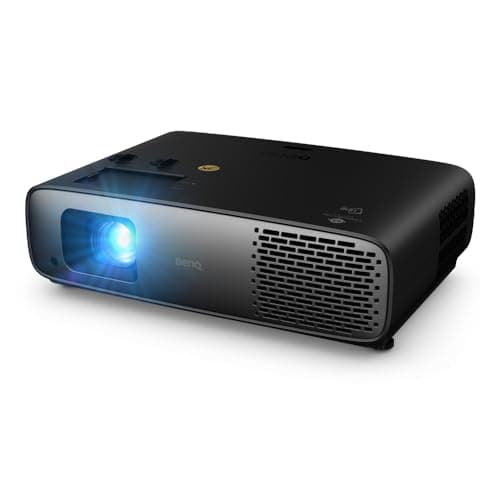
BenQ vs NexiGo
$2799 vs $3099
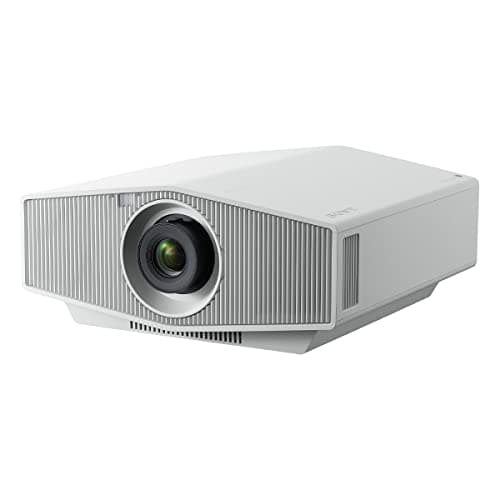
Hisense vs Sony
$2998 vs $4500
BenQ vs Hisense
$2799 vs $2998
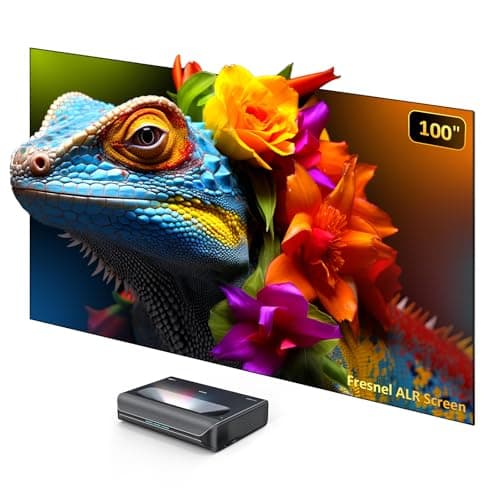
Hisense vs NexiGo
$2998 vs $2999
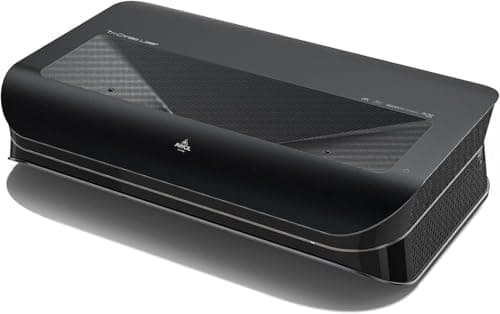
AWOL VISION vs Hisense
$2499 vs $2998
NexiGo vs Valerion
$3099 vs $1999
NexiGo vs NexiGo
$2999 vs $3099
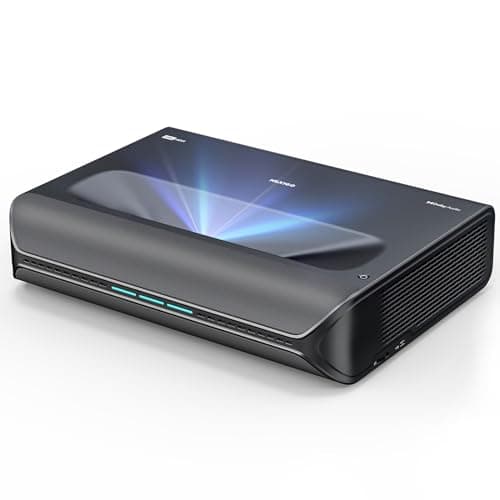
NexiGo vs NexiGo
$3099 vs $2299
NexiGo vs NexiGo
$3099 vs $3199
AWOL VISION vs Hisense
$2299 vs $2998
Epson vs NexiGo
$3199 vs $3099
AWOL VISION vs Hisense
$3499 vs $2998
AWOL VISION vs NexiGo
$2299 vs $3099
Explore Other Categories
Popular comparisons across the site


Ask AI
Get instant answers about specs
Get the Deets
Ask our AI assistant
Ask Deets anything!