Our Verdict
BenQ TK710STi Wins
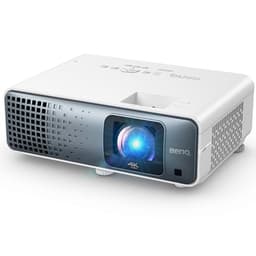
It offers a brighter picture at 3200 ANSI lumens compared to the NexiGo's 2400 lumens, crucial for ambient light, and delivers an exceptional 4ms input lag at 1080p/240Hz, making it superior for serious gamers, all at a lower price of $2199. The NexiGo Aurora Pro MKII, however, is the better pick for a dedicated cinematic setup requiring native 4K clarity, superior contrast, and a complete ultra-short throw solution with an included ALR screen, despite its higher $2999 price.
Bottom Line: BenQ TK710STi is the better choice. It offers a brighter picture at 3200 ANSI lumens compared to the NexiGo's 2400 lumens, crucial for ambient light, and delivers an exceptional 4ms input lag at 1080p/240Hz, making it superior for serious gamers, all at a lower price of $2199.
In-Depth Analysis
How they compare in practice
The BenQ TK710STi and NexiGo Aurora Pro MKII represent two distinct philosophies in the projector market, each excelling in their targeted niche. The BenQ positions itself as a versatile, high-performance option, particularly for gamers and those needing flexibility in their viewing environment. Its standout feature is the ultra-low 4ms input lag at 1080p/240Hz, a critical metric for competitive gaming that ensures minimal delay between controller input and on-screen action. Coupled with 3200 ANSI lumens, the BenQ delivers a noticeably brighter image, allowing for more comfortable viewing in rooms that aren't completely dark, a common real-world usage scenario.
Conversely, the NexiGo Aurora Pro MKII is a premium, dedicated home theater solution. Its key differentiator is true Native 4K resolution, offering superior image clarity and detail over the BenQ's 4K pixel shift technology. For film enthusiasts, the NexiGo's contrast ratio of 30000:1, enhanced by dynamic iris and laser dimming, alongside support for Dolby Vision and HDR10+, translates into incredibly deep blacks and vibrant, accurate colors, creating a truly immersive cinematic experience. The included 100-inch Fresnel ALR screen is a significant value add, designed to reject 85% of ambient light, effectively boosting perceived brightness and contrast even with some room lighting.
Installation and placement also highlight their differences. The BenQ is a short-throw projector, offering more traditional placement flexibility, though still reducing the necessary throw distance. The NexiGo, with its 0.21:1 ultra-short throw ratio, sits mere inches from the wall, virtually eliminating shadows and complex mounting, making it ideal for sleek, minimalist setups. However, this also means the screen size is fixed to the included 100-inch ALR panel, limiting flexibility that the BenQ's adaptable projection offers. The BenQ’s integrated Android TV provides immediate streaming access, while the NexiGo’s focus is on visual fidelity, assuming external media sources.
Ultimately, the value proposition varies. The BenQ, at $2199, offers a powerful, bright, and gaming-optimized projector suitable for a wider range of uses and environments. The NexiGo, at $2999, provides a more complete, high-end cinematic package, delivering an uncompromised visual experience for those prioritizing film and content consumption with its native 4K and superior contrast. The choice largely depends on whether gaming performance and ambient light resilience or pristine cinematic immersion and a complete UST setup are the higher priority.
Key Differences
The most significant spec differences at a glance
Brightness Ansi Lumens
33% moreAdvantages
Where each product wins

BenQ
- Brightness Ansi Lumens: 33% higher (3200 vs 2400)
Which to Pick for Your Situation
Concrete scenarios with a clear recommendation
For a competitive gaming setup
BenQThe BenQ TK710STi boasts an ultra-low 4ms input lag at 1080p/240Hz, providing a critical advantage for fast-paced competitive gaming.
For a dedicated cinematic home theater
NexiGoThe NexiGo Aurora Pro MKII offers Native 4K resolution, 30000:1 contrast, and Dolby Vision, coupled with an ALR screen for a superior movie experience.
For a living room with ambient light
BenQWith 3200 ANSI lumens, the BenQ TK710STi is considerably brighter than the NexiGo's 2400 lumens, performing better in rooms with some natural light.
For a sleek, space-saving installation
NexiGoThe NexiGo's 0.21:1 ultra-short throw ratio allows it to project a 100-inch image from inches away, ideal for minimal setups without complex mounts.
Who Should Buy Which?
Find the right product for your needs

Buy BenQ if...
BenQ TK710STi 4K HDR
The ideal buyer for the BenQ TK710STi is a versatile multimedia user, particularly a serious gamer or someone who frequently enjoys movies and shows in varied lighting conditions. They prioritize low input lag and high refresh rates for a competitive edge in gaming, making the 4ms input lag at 1080p/240Hz a crucial selling point. This buyer also appreciates the flexibility to project a large, bright image in rooms that aren't perfectly dark, benefiting from the 3200 ANSI lumens brightness. With integrated Android TV, they value direct access to streaming apps and the convenience of a self-contained entertainment system. Their budget is around $2200, and they might prefer a traditional short-throw setup over ultra-short throw for more versatile placement or the option to use their existing screen. They are willing to forgo native 4K resolution for the superior gaming performance and brighter output, understanding that 4K pixel shifting still provides excellent detail for most content. They might already have a sound system, so powerful built-in speakers aren't a priority.

Buy NexiGo if...
NexiGo Aurora Pro MKII
The ideal buyer for the NexiGo Aurora Pro MKII is a dedicated home theater enthusiast seeking an uncompromised cinematic experience within a specific budget of around $3000. They prioritize pristine image quality, valuing Native 4K resolution, superior contrast (30000:1), and support for advanced HDR formats like Dolby Vision and HDR10+. This user desires a seamless, elegant setup that blends into their living space, making the 0.21:1 ultra-short throw ratio and included 100-inch Fresnel ALR screen a perfect fit. They want to place the projector inches from the wall for a large, vivid display without complex mounting or long cable runs, and the ALR screen's 85% ambient light rejection ensures stunning visuals even with some environmental light. While not primarily a competitive gamer, they appreciate high-quality audio from the integrated 60W speakers for casual viewing. They are willing to sacrifice extreme gaming performance and maximum brightness for a comprehensive, high-contrast, truly cinematic package. Flexibility in projection size is less important than the optimized, immersive 100-inch display.
Spec Comparison
10 specs compared
| Specification |  | 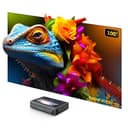 |
|---|---|---|
| Price | $2199 | $2999 |
| Rating | 4.4(412) | 5.0(3) |
| Brightness Ansi Lumens | 3200 | 2400 |
| Native Resolution | 4K Pixel Shift | Native 4K |
| Gaming Input Lag Ms | 4 | — |
| Hdr Support | Yes | Yes |
| Light Source | Laser | Laser |
| Keystone Correction | Full (H+V) | — |
| Throw Ratio | — | 0.21 |
| Speaker Watts | — | 60W |
| Contrast Ratio | — | 30000:1 |
| Lamp Life Hours | — | 30000 hrs |
Swipe horizontally to see all columns
Pros & Cons
Quick overview of strengths and weaknesses
BenQ TK710STi 4K
- 3200 ANSI lumens; bright in ambient light.
- Durable laser light source; no lamp replacements.
- 4ms input lag @ 1080p/240Hz for competitive gaming.
- Integrated Android TV for direct streaming access.
- 4K resolution achieved via pixel shifting, not native.
- 4ms input lag limited to 1080p@240Hz content.
NexiGo Aurora Pro
- Achieves >30,000:1 contrast with real-time dimming.
- ALPD 5.0 engine provides 107% BT.2020 color.
- Native 4K resolution with Dolby Vision & HDR10+ support.
- 0.21:1 ultra-short throw fits into small spaces.
- Fixed 100-inch screen limits projection size flexibility.
- Ultra-short throw requires precise screen alignment.
- Built-in 60W speakers are good, but dedicated audio is bette
Frequently Asked Questions
Common questions about this comparison
Which projector offers a brighter image for everyday use?
The BenQ TK710STi is brighter with 3200 ANSI lumens, compared to the NexiGo Aurora Pro MKII's 2400 ANSI lumens. This makes the BenQ more suitable for environments with more ambient light.
Does either projector deliver true native 4K resolution?
Yes, the NexiGo Aurora Pro MKII offers Native 4K resolution. The BenQ TK710STi achieves its 4K resolution via pixel shifting technology, which is not true native 4K.
Which projector is better for serious video gamers?
The BenQ TK710STi is superior for gaming, boasting an ultra-low 4ms input lag at 1080p with a 240Hz refresh rate. This offers a significant performance advantage for competitive gameplay.
Does either projector include a projection screen?
Yes, the NexiGo Aurora Pro MKII bundles a 100-inch Fresnel ALR (Ambient Light Rejecting) screen, which greatly enhances picture quality. The BenQ TK710STi does not include a screen.
What is the expected lifespan of these projectors' light sources?
Both projectors utilize durable laser light sources. The NexiGo Aurora Pro MKII specifies a lamp life of 30,000 hours, offering many years of maintenance-free operation.
Related Comparisons
Similar products people compare
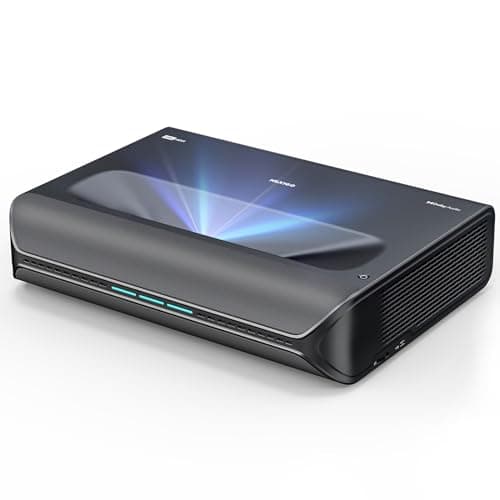
NexiGo vs NexiGo
$2999 vs $2299
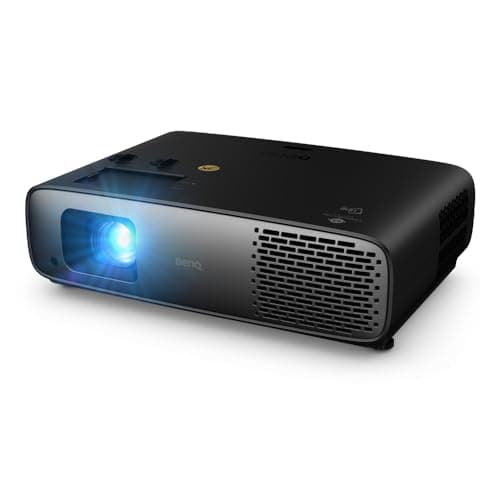
BenQ vs NexiGo
$2799 vs $2999
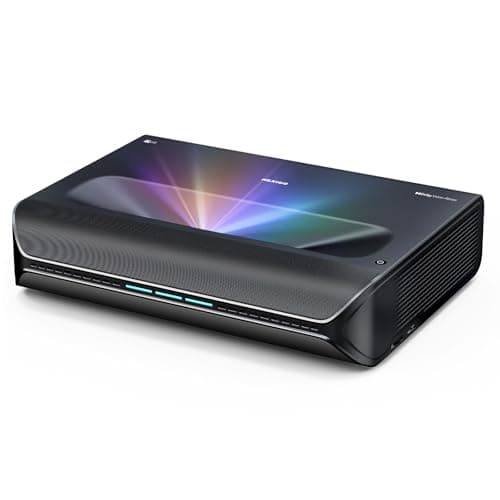
NexiGo vs NexiGo
$2999 vs $3199
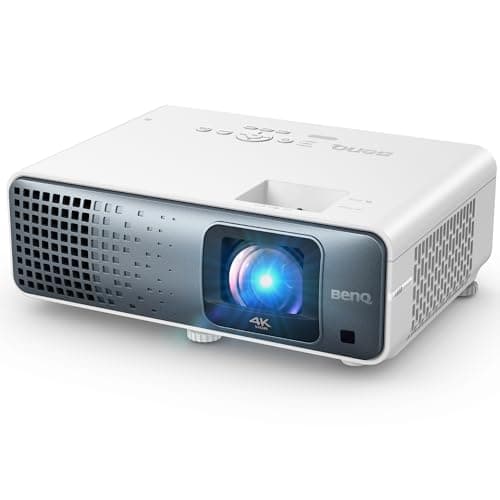
BenQ vs NexiGo
$2199 vs $2299
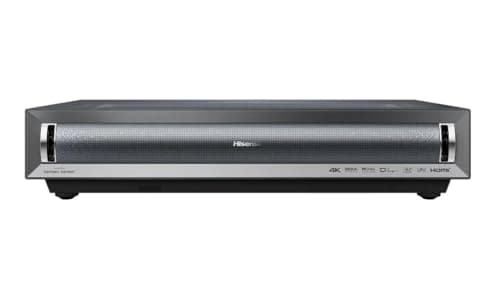
Hisense vs NexiGo
$2998 vs $2999
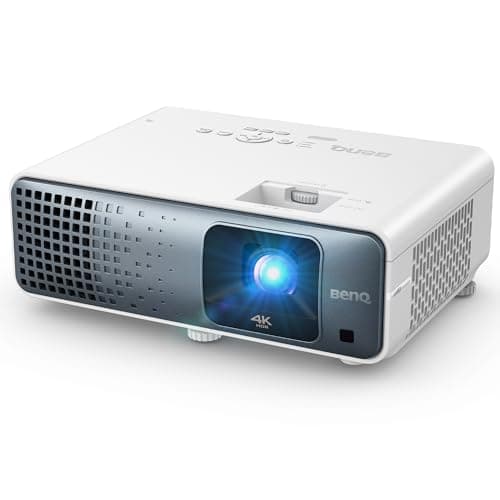
BenQ vs BenQ
$1998 vs $2199
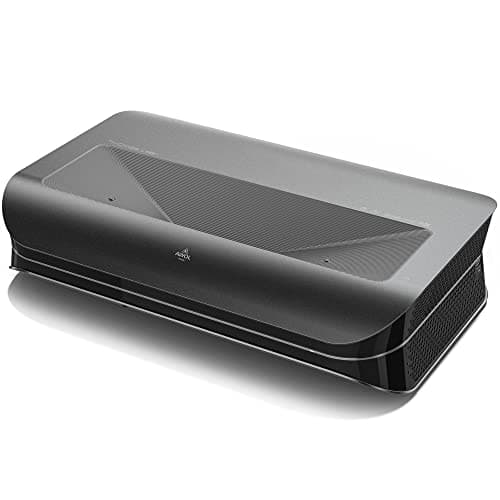
AWOL VISION vs NexiGo
$2299 vs $2999
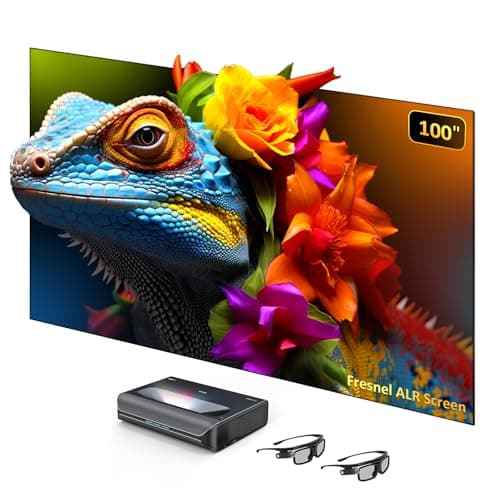
NexiGo vs NexiGo
$2999 vs $3099
AWOL VISION vs BenQ
$2299 vs $2199
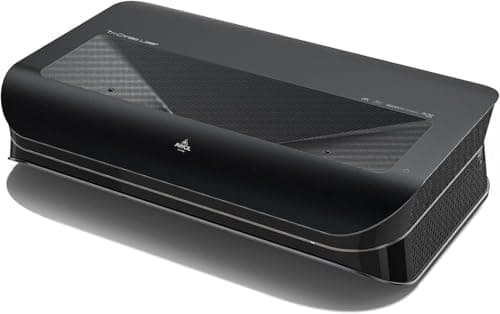
AWOL VISION vs BenQ
$2499 vs $2199
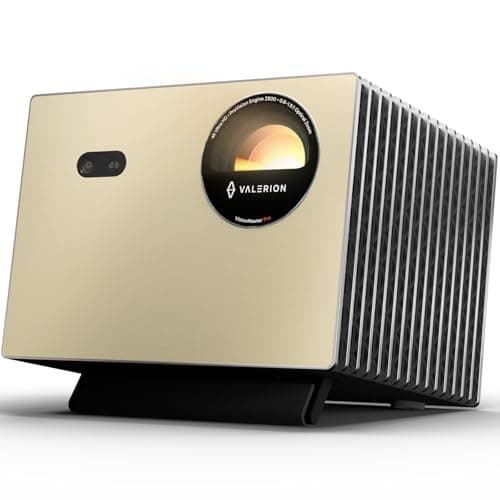
BenQ vs Valerion
$2199 vs $1999
BenQ vs BenQ
$2199 vs $2799
AWOL VISION vs NexiGo
$2499 vs $2999
BenQ vs NexiGo
$2199 vs $3099
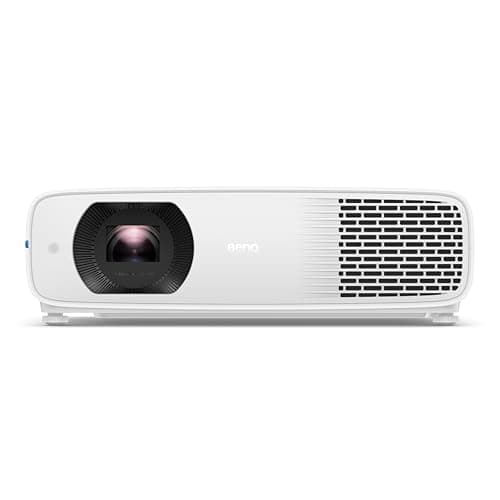
BenQ vs BenQ
$1599 vs $2199
Explore Other Categories
Popular comparisons across the site


Ask AI
Get instant answers about specs
Get the Deets
Ask our AI assistant
Ask Deets anything!