Our Verdict
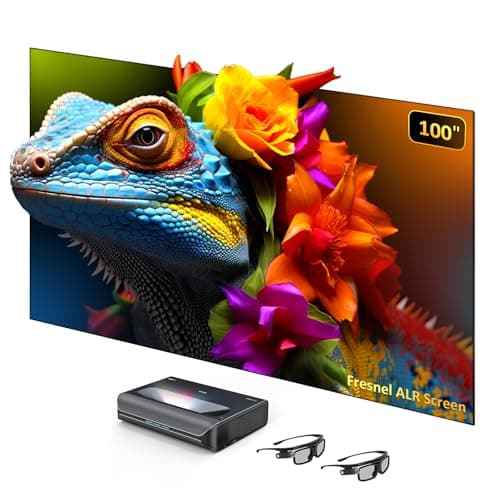
NexiGo Aurora Pro MKII 4K Tri-Color Laser UST Projector with 100" Fresnel ALR Screen Wins
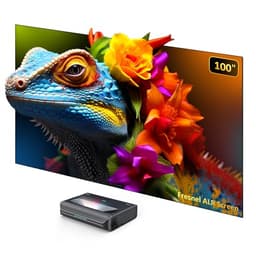
This model offers true Native 4K resolution, a significant edge over Product B's 4K Pixel Shift, and includes a premium 100-inch Fresnel ALR screen that rejects 85% ambient light. This entire package costs $2999, making it a substantially better value than Product B at $3199, despite both sharing 2400 ANSI lumens. Product B is the better pick for serious gamers, offering a low input latency of 4.2ms to 8ms, which is crucial for fast-paced gaming experiences that Product A doesn't explicitly guarantee.
Bottom Line: NexiGo Aurora Pro MKII 4K Tri-Color Laser UST Projector with 100" Fresnel ALR Screen is the better choice. This model offers true Native 4K resolution, a significant edge over Product B's 4K Pixel Shift, and includes a premium 100-inch Fresnel ALR screen that rejects 85% ambient light.
In-Depth Analysis
How they compare in practice
The primary distinction between the NexiGo Aurora Pro MKII with ALR screen (Product A) and the standalone Aurora Pro MKII (Product B) lies in their core image processing and bundled accessories, significantly impacting real-world use and value proposition. Product A boasts Native 4K resolution, delivering an uncompromised level of detail and sharpness that keen-eyed viewers will appreciate, especially for cinematic content where every pixel matters. In contrast, Product B employs 4K Pixel Shift technology, which, while highly effective at simulating a 4K image, doesn't offer the same inherent fidelity as true Native 4K. This difference might be subtle to some, but critical for purists seeking the utmost clarity.
Where Product B carves out its niche is in its gaming prowess, explicitly offering a low input latency of 4.2ms to 8ms. This is a game-changer for competitive gamers, ensuring minimal delay between controller input and on-screen action, a feature absent from Product A's specifications and likely not a priority. Gamers prioritizing responsiveness over ultimate resolution fidelity will find Product B’s performance more appealing, enabling smoother, more reactive gameplay.
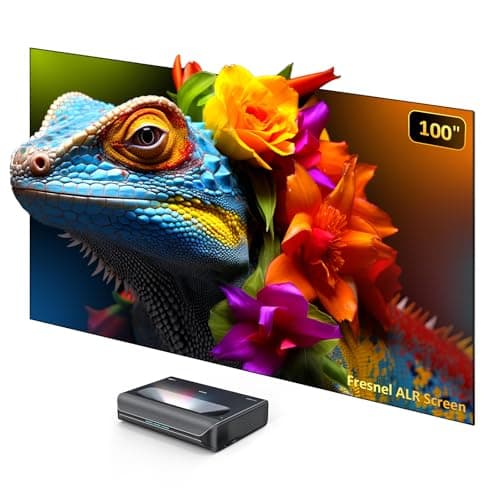
However, Product A presents a compelling overall value, priced at $2999 and notably including a 100-inch Fresnel ALR screen. This screen is crucial for an ultra-short throw projector, effectively rejecting 85% of ambient light to maintain vibrant colors and deep blacks even in well-lit rooms. Product B, costing $3199, requires users to purchase an ALR screen separately for optimal viewing, adding substantial cost and complexity. Without an ALR screen, Product B’s impressive contrast ratio of 30000:1 and 2400 ANSI lumens will be significantly undermined by ambient light, affecting its perceived quality.
Both projectors share the advanced ALPD 5.0 engine for 107% BT.2020 color, 30,000-hour laser life, 0.21:1 throw ratio for versatility in small spaces, and robust 60W Dolby Atmos speakers. The trade-off is clear: Product A offers a more complete, higher-fidelity cinematic experience out-of-the-box at a lower total cost, while Product B caters specifically to gamers demanding ultra-low input lag, albeit at a higher overall investment once a screen is factored in.
Which to Pick for Your Situation
Concrete scenarios with a clear recommendation
Dedicated Home Theater Enthusiast
NexiGoProduct A's Native 4K resolution and included 100-inch Fresnel ALR screen provide superior image fidelity and contrast for an immersive cinematic experience without extra purchases.
Avid 4K Gamer
NexiGoProduct B offers ultra-low input latency (4.2ms-8ms), which is crucial for responsive and competitive gaming performance.
Living Room Entertainment in a Bright Space
NexiGoThe included 100-inch Fresnel ALR screen with 85% ambient light rejection in Product A ensures excellent picture quality even in rooms with significant ambient light.
Budget-Conscious Buyer Seeking Premium Value
NexiGoAt $2999, Product A provides Native 4K resolution and bundles a high-performance ALR screen, offering a complete, top-tier setup for less than Product B's $3199 price without a screen.
Who Should Buy Which?
Find the right product for your needs

Buy NexiGo if...
NexiGo Aurora Pro MKII
The NexiGo Aurora Pro MKII with the 100" Fresnel ALR Screen (Product A) is the ideal choice for the discerning home theater enthusiast or cinephile who places paramount importance on visual purity and a comprehensive, premium viewing experience right out of the box. This buyer values the uncompromising clarity of true Native 4K resolution, preferring it over simulated alternatives, ensuring every frame of their favorite films and high-resolution content is rendered with exquisite detail. They are looking to establish a high-quality home cinema without the complexity of separately purchasing and configuring a screen, making the included 100-inch Fresnel ALR screen a significant attraction. This screen, adept at rejecting 85% of ambient light, is vital for maintaining vibrant colors and deep blacks even in living rooms or partially lit environments, allowing the projector's 2400 ANSI lumens and impressive 30000:1 contrast ratio to truly perform. Their budget is around $3000, and they seek maximum value, recognizing that Product A offers a complete, superior setup for $2999, which is less than Product B without a screen. They are not primarily competitive gamers, so the absence of ultra-low input lag specifications is not a concern. What they are giving up is the specialized, ultra-responsive gaming experience that Product B uniquely offers, but for an immersive, high-fidelity cinematic and general entertainment setup, Product A stands as the superior, more integrated solution, delivering unmatched picture quality for the price.

Buy NexiGo if...
NexiGo Aurora Pro MKII,
The NexiGo Aurora Pro MKII standalone projector (Product B) is tailored specifically for the avid 4K gamer who demands responsiveness above all else. This buyer is primarily concerned with minimizing input lag to ensure their gameplay is as smooth and reactive as possible, making the advertised 4.2ms to 8ms low input latency a critical deciding factor. While they appreciate 4K visuals, they are comfortable with 4K Pixel Shift technology, recognizing its excellent performance, and prioritize the competitive edge low latency provides over the marginal improvement of Native 4K. Their primary use case revolves around console or PC gaming, where split-second decisions and fluid control are paramount. This buyer is likely to already have a specific screen preference, or is willing to invest in a separate, dedicated ALR screen that perfectly fits their unique gaming setup and room aesthetics, understanding that the projector itself is the core component for their gaming needs. With a budget around $3200, they are prepared to invest in the projector's gaming-centric features, even if it means a higher upfront cost for the projector and an additional expense for an optimal screen. They are giving up the true Native 4K resolution and the bundled convenience and value of an included ALR screen found in Product A, but these trade-offs are acceptable for an unparalleled gaming experience.
Spec Comparison
9 specs compared
| Specification |  |  |
|---|---|---|
| Price | $2999 | $3199 |
| Rating | 5.0(3) | 4.4(275) |
| Brightness Ansi Lumens | 2400 | 2400 |
| Native Resolution | Native 4K | 4K Pixel Shift |
| Gaming Input Lag Ms | — | 4.2 |
| Hdr Support | Yes | Yes |
| Throw Ratio | 0.21 | 0.21 |
| Light Source | Laser | Laser |
| Speaker Watts | 60W | 60W |
| Contrast Ratio | 30000:1 | 30000:1 |
| Lamp Life Hours | 30000 hrs | 30000 hrs |
Swipe horizontally to see all columns
Pros & Cons
Quick overview of strengths and weaknesses
NexiGo Aurora Pro
- Achieves >30,000:1 contrast with real-time dimming.
- ALPD 5.0 engine provides 107% BT.2020 color.
- Native 4K resolution with Dolby Vision & HDR10+ support.
- 0.21:1 ultra-short throw fits into small spaces.
- Fixed 100-inch screen limits projection size flexibility.
- Ultra-short throw requires precise screen alignment.
- Built-in 60W speakers are good, but dedicated audio is bette
NexiGo Aurora Pro
- Achieves >30,000:1 contrast with dynamic laser dimming.
- Offers 4.2ms to 8ms input latency for 4K gaming.
- 0.21:1 throw ratio projects large image in small space.
- ALPD 5.0 engine delivers 107% BT.2020 color gamut.
- Optimal performance often requires a dedicated ALR screen.
- Utilizes 4K pixel shift technology, not native 4K.
- Fixed lens design limits placement flexibility.
Frequently Asked Questions
Common questions about this comparison
What's the main resolution difference between these two projectors?
Product A features Native 4K resolution for true, unscaled clarity. Product B uses 4K Pixel Shift technology, which effectively simulates 4K but isn't native, making Product A slightly sharper for pure detail.
Which projector is better for gaming?
Product B is significantly better for gaming, boasting a low input latency of 4.2ms to 8ms. This ensures highly responsive gameplay, critical for competitive and fast-paced video games. Product A does not specify such low latency.
Does either projector come with a screen?
Yes, Product A includes a 100-inch Fresnel ALR screen designed to reject 85% of ambient light, enhancing image quality in bright rooms. Product B does not include a screen.
How do the brightness levels compare?
Both projectors offer an identical brightness of 2400 ANSI Lumens. This ensures a bright and clear image in various lighting conditions, especially when paired with an ALR screen.
What is the benefit of the ALPD 5.0 engine?
The ALPD 5.0 engine in both models provides 107% BT.2020 color gamut coverage, delivering incredibly vibrant and accurate colors for a truly immersive viewing experience.
Are the speakers on these projectors powerful enough?
Both projectors integrate robust 60W speakers with Dolby Atmos support, offering good built-in audio for general use. However, dedicated external audio systems would still provide a superior, more immersive soundstage.
Related Comparisons
Similar products people compare
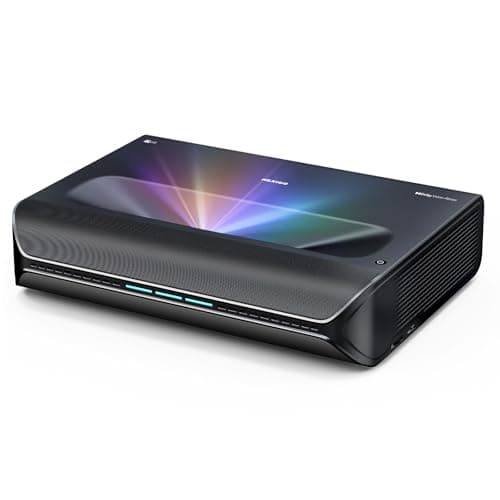
BenQ vs NexiGo
$2999 vs $3199
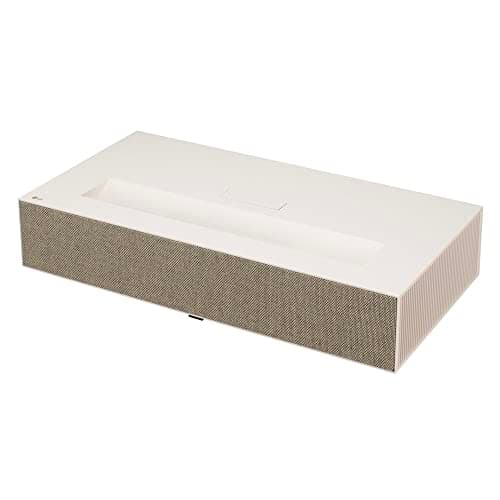
LG vs NexiGo
$4419 vs $3199
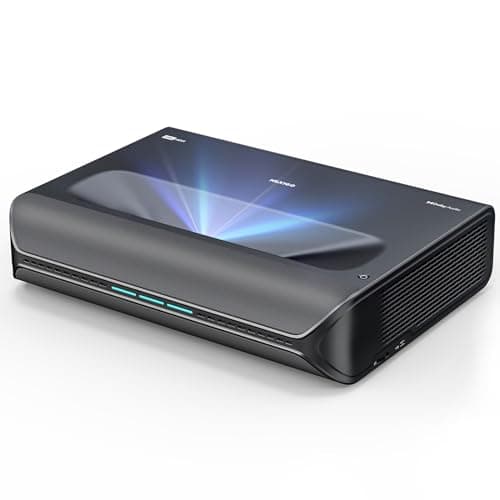
NexiGo vs NexiGo
$2999 vs $2299
BenQ vs NexiGo
$2799 vs $2999
Epson vs NexiGo
$4000 vs $3199
Hisense vs NexiGo
$2998 vs $2999
AWOL VISION vs NexiGo
$2299 vs $2999
NexiGo vs NexiGo
$2999 vs $3099
NexiGo vs Valerion
$3199 vs $1999
NexiGo vs NexiGo
$3099 vs $3199
AWOL VISION vs NexiGo
$2499 vs $2999
BenQ vs NexiGo
$2199 vs $2999
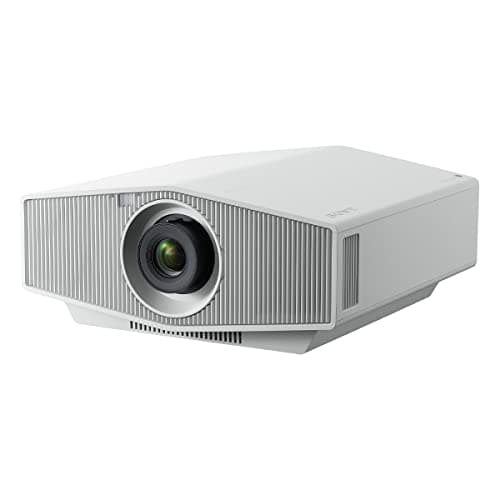
NexiGo vs Sony
$3199 vs $4500
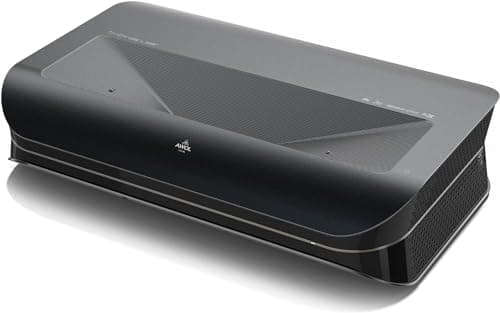
AWOL VISION vs NexiGo
$3499 vs $3199
Explore Other Categories
Popular comparisons across the site


Ask AI
Get instant answers about specs
Get the Deets
Ask our AI assistant
Ask Deets anything!