Our Verdict
Hisense PX3-PRO Wins
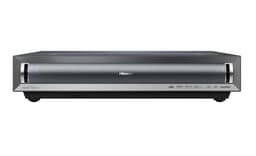
Superior brightness at 3,000 lumens and 240Hz refresh rate for gaming. Choose Sony VPL-XW5000ES for its Native 4K SXRD panel and long 20,000-hour laser life for dedicated home cinema.
Bottom Line: Hisense PX3-PRO is the better choice. Superior brightness at 3,000 lumens and 240Hz refresh rate for gaming.
Key Differences
The most significant spec differences at a glance
Brightness Ansi Lumens
50% moreAdvantages
Where each product wins

Hisense
- Brightness Ansi Lumens: 50% higher (3000 vs 2000)
Who Should Buy Which?
Find the right product for your needs

Buy Hisense if...
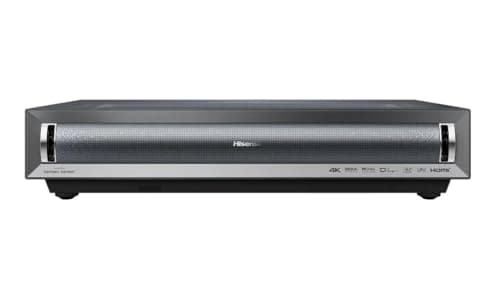
Hisense PX3-PRO Ultra Short
This projector is ideal for the enthusiastic gamer or family looking for a versatile large-screen experience in a multi-purpose living space. If you prioritize a bright image (3000 lumens) for daytime viewing, crave ultra-smooth gameplay with a 240Hz refresh rate and "Designed for Xbox" features, and need the flexibility of an ultra-short throw to project 80-150 inches without complex installation, the Hisense PX3-PRO is your best choice, offering premium features at a competitive price point for its capabilities.

Buy Sony if...
Sony VPL-XW5000ES 4K HDR
The Sony VPL-XW5000ES is perfect for the dedicated home theater enthusiast seeking uncompromised cinematic image quality. If your priority is deep native blacks, precise color reproduction (95% DCI-P3), and exceptional detail from a true Native 4K SXRD panel in a controlled, dark environment, this projector is for you. With its 20,000-hour laser life, it offers long-term reliability and a premium viewing experience, justifying the higher investment for an immersive, purist home cinema setup where every pixel matters.
Spec Comparison
7 specs compared
| Specification |  | 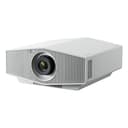 |
|---|---|---|
| Price | $2998 | $4500 |
| Rating | 4.2(104) | 4.5(53) |
| Brightness Ansi Lumens | 3000 | 2000 |
| Native Resolution | Native 4K | Native 4K |
| Gaming Input Lag Ms | — | 21 |
| Hdr Support | Yes | Yes |
| Light Source | Laser | Laser |
| Contrast Ratio | 3000:1 | — |
| Lamp Life Hours | — | 20000 hrs |
Swipe horizontally to see all columns
Pros & Cons
Quick overview of strengths and weaknesses
Hisense PX3-PRO Ultra
- Projects 80-150 inches from short distance.
- Native 4K resolution with AI upscaling.
- 3000 lumens produces bright images.
- Achieves 110% BT.2020 color gamut.
- Optimal performance requires ALR screen.
- 3000:1 contrast ratio is lower than most TVs.
- Single-chip DLP may cause rainbow effect.
- Ambient light reduces image contrast.
Sony VPL-XW5000ES 4K
- Native 4K (3840x2160) SXRD panel.
- High 2000 lumens brightness output.
- 20,000-hour laser light source longevity.
- Achieves 95% DCI-P3 wide color gamut.
- Input lag for 4K 60Hz is 21ms.
- Maximum brightness capped at 2000 lumens.
- Proprietary X1 Ultimate image processing.
Frequently Asked Questions
Common questions about this comparison
Which projector is better for gaming?
The Hisense PX3-PRO is designed for Xbox with a 240Hz refresh rate, offering ultra-smooth gameplay. The Sony VPL-XW5000ES offers a respectable 21ms input lag at 4K 60Hz, suitable for many gamers.
What's the main difference in brightness?
The Hisense PX3-PRO boasts 3000 ANSI lumens, making it significantly brighter than the Sony VPL-XW5000ES, which has 2000 ANSI lumens. This impacts performance in ambient light.
Is the price difference worth it for the Sony?
The Sony costs more for its Native 4K SXRD panel and 20,000-hour laser life, appealing to purists prioritizing image fidelity and longevity in a dedicated home theater setting.
Which offers better native contrast?
While Hisense lists 3000:1 contrast, the Sony VPL-XW5000ES's Native 4K SXRD panel technology typically delivers superior native black levels and contrast, crucial for cinematic depth.
Related Comparisons
Similar products people compare
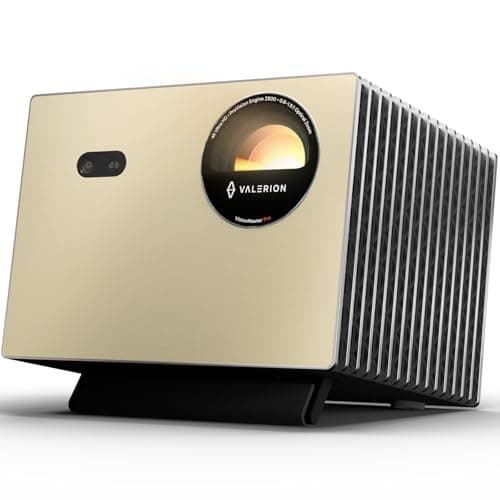
Hisense vs Valerion
$2998 vs $1999
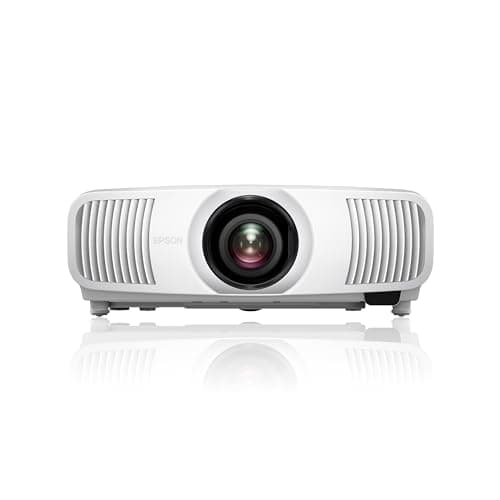
Epson vs Hisense
$3199 vs $2998
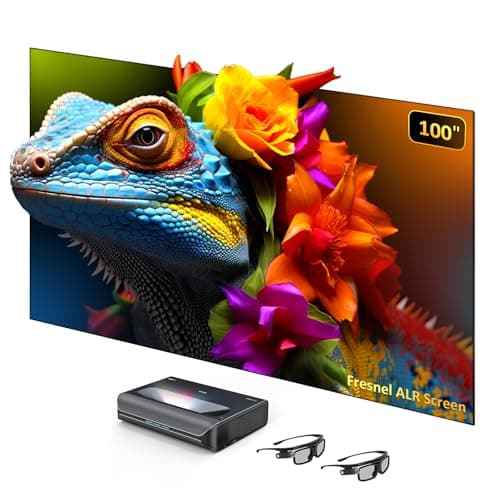
Hisense vs NexiGo
$2998 vs $3099
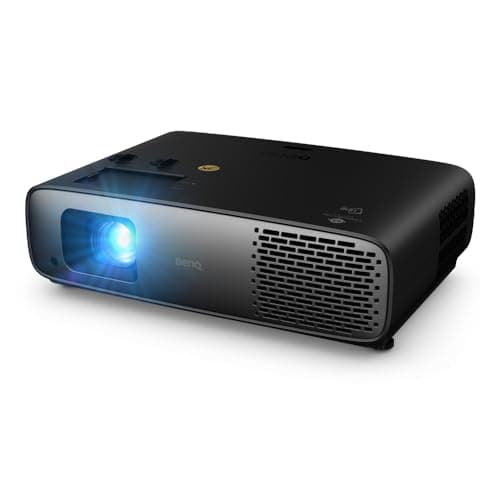
BenQ vs Hisense
$2799 vs $2998
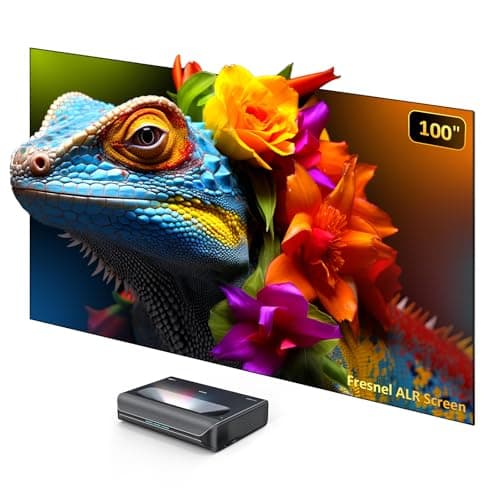
Hisense vs NexiGo
$2998 vs $2999
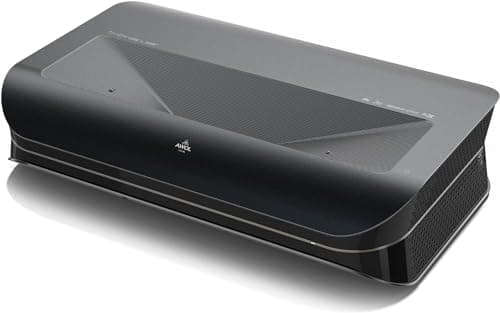
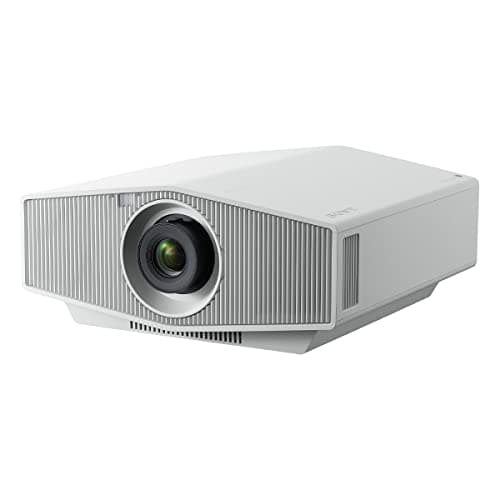
AWOL VISION vs Sony
$3499 vs $4500
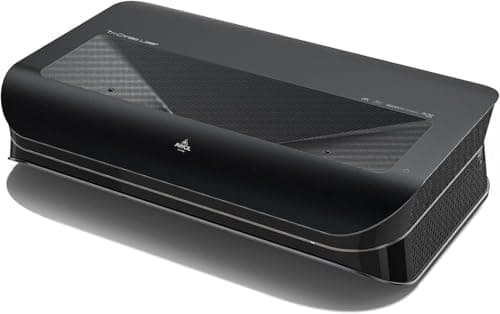
AWOL VISION vs Hisense
$2499 vs $2998
AWOL VISION vs Hisense
$2299 vs $2998
AWOL VISION vs Hisense
$3499 vs $2998
NexiGo vs Sony
$3199 vs $4500
Hisense vs NexiGo
$2998 vs $2999
Explore Other Categories
Popular comparisons across the site


Ask AI
Get instant answers about specs
Get the Deets
Ask our AI assistant
Ask Deets anything!