Our Verdict
BenQ LH750 Wins
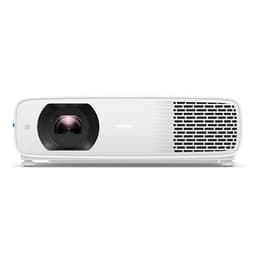
It offers superior brightness at 5000 ANSI lumens compared to the Optoma GT2000HDR's 3500 lumens, ensuring clearer images in brighter environments. Furthermore, its inclusion of lens shift, 1.6x zoom, and full H+V keystone provides significantly more flexible installation options, a crucial advantage for diverse setups despite its higher $1599 price point. The Optoma GT2000HDR becomes the better pick for budget-conscious buyers prioritizing an ultra-compact, short-throw projector for small rooms, available at nearly $600 less at $974.
Bottom Line: BenQ LH750 is the better choice. It offers superior brightness at 5000 ANSI lumens compared to the Optoma GT2000HDR's 3500 lumens, ensuring clearer images in brighter environments.
In-Depth Analysis
How they compare in practice
The BenQ LH750 and Optoma GT2000HDR both offer 1080p native resolution with laser light sources, but their practical applications and target audiences diverge significantly based on key specifications. The most striking difference lies in brightness: the BenQ LH750 delivers a robust 5000 ANSI lumens, a substantial upgrade over the Optoma GT2000HDR's 3500 ANSI lumens. In real-world use, this 1500-lumen delta means the BenQ can project vibrant, discernible images in moderately lit rooms, making it ideal for business presentations or living rooms with ambient light. The Optoma, while still bright, might struggle more in similar conditions, best suited for darker environments or dedicated home cinema spaces.Beyond brightness, installation flexibility is a major differentiator. The BenQ LH750 features both horizontal and vertical lens shift, a 1.6x zoom, and comprehensive keystone correction. This suite of features allows for off-center placement and precise image alignment without distorting the picture quality, a boon for permanent installations or challenging room layouts. Conversely, the Optoma GT2000HDR is defined by its short-throw lens, designed to project large images from a very close distance. While excellent for small rooms or situations where projector mounting distance is limited, this fixed short-throw design offers less placement versatility, demanding a specific setup or for users to embrace its inherent limitations.Both projectors boast long-lasting laser light sources, effectively eliminating the need for lamp replacements and providing instant on/off functionality. However, the BenQ explicitly states a 30,000-hour light source life, reassuring users of its longevity. Connectivity also favors the BenQ, with dual HDMI ports and built-in Wi-Fi for screen casting, offering more input options for various devices. The Optoma's "ultra-compact" design, while appealing for portability, comes with the minor inconvenience of an external power supply, potentially adding to cable clutter. Priced at $1599, the BenQ targets professional or semi-professional users who demand performance and flexibility, while the $974 Optoma appeals to home users seeking an affordable, space-saving solution for entertainment.
Key Differences
The most significant spec differences at a glance
Brightness Ansi Lumens
43% moreAdvantages
Where each product wins

BenQ
- Brightness Ansi Lumens: 43% higher (5000 vs 3500)
Which to Pick for Your Situation
Concrete scenarios with a clear recommendation
For a brightly lit conference room
BenQThe BenQ LH750's 5000 ANSI lumens brightness ensures clear visibility even with ambient light, a significant advantage over the Optoma's 3500 lumens.
For a small apartment with limited throw distance
OptomaThe Optoma GT2000HDR's ultra-compact short-throw lens can project a large image from a very close distance, maximizing screen size in confined spaces.
For flexible home theater setup and installation
BenQThe BenQ LH750 offers lens shift, 1.6x zoom, and full keystone correction, providing superior versatility for projector placement and image alignment.
For budget-conscious home entertainment
OptomaPriced at $974, the Optoma GT2000HDR offers a great 1080p laser projection experience at a significantly lower cost than the BenQ's $1599.
Who Should Buy Which?
Find the right product for your needs

Buy BenQ if...
BenQ LH750 1080P 5000
The BenQ LH750 is the ideal choice for business professionals, educators, and serious home theater enthusiasts who prioritize exceptional image clarity and versatile installation. Its standout 5000 ANSI lumens brightness ensures that presentations, videos, and images remain vivid and legible even in well-lit conference rooms, classrooms, or living areas, eliminating the need to dim lights for optimal viewing. Buyers who frequently present in different venues or require precise image alignment in a fixed setup will greatly benefit from its lens shift capabilities, 1.6x zoom, and full horizontal and vertical keystone correction, offering unparalleled flexibility in projector placement without compromising picture quality. With dual HDMI ports and built-in Wi-Fi, it caters to users needing multiple input options and easy wireless screen casting from various devices. Priced at $1599, this projector suits those with a moderate budget willing to invest in superior performance, reduced maintenance thanks to its 30,000-hour laser light source, and professional-grade features for a polished viewing experience. They are willing to pay extra for brightness and setup ease, not needing the ultra-compact, fixed short-throw nature of the Optoma.

Buy Optoma if...
Optoma GT2000HDR Ultra-Compact Short
The Optoma GT2000HDR is perfectly suited for home users living in smaller apartments, dorms, or dedicated home cinema rooms where space is a premium and a large screen is desired without a long throw distance. Its "Ultra-Compact Short Throw" design allows it to project a large 1080p Full HD image from just inches away, making it incredibly versatile for tight spaces or situations where ceiling mounting isn't an option. This projector appeals to budget-conscious consumers looking for a high-quality laser projection experience without the premium price tag; at $974, it offers excellent value. Gamers and movie buffs who primarily watch content in dimly lit or dark environments will appreciate its 3500 ANSI lumens brightness and HDR support for vibrant, contrasted visuals. They prioritize an immersive, large-screen experience for entertainment and value the longevity and instant on/off convenience of a laser light source. This buyer is less concerned with extensive installation flexibility like lens shift or multiple HDMI ports, and more focused on getting a big picture in a small room for an affordable price, accepting the fixed short-throw nature and external power supply for the overall value.
Spec Comparison
8 specs compared
| Specification |  |  |
|---|---|---|
| Price | $1599 | $999 |
| Rating | 4.4(481) | 4.1(165) |
| Brightness Ansi Lumens | 5000 | 3500 |
| Native Resolution | 1080p | 1080p |
| Hdmi Ports | 2 | — |
| Lens Shift | Yes | — |
| Hdr Support | Yes | Yes |
| Light Source | Laser | Laser |
| Lamp Life Hours | 30000 hrs | — |
| Keystone Correction | Full (H+V) | — |
Swipe horizontally to see all columns
Pros & Cons
Quick overview of strengths and weaknesses
BenQ LH750 1080P
- 5000 lumens for clear visibility in lit rooms.
- 1080p resolution provides sharp image detail.
- 30,000-hour laser light source reduces maintenance.
- 1.6x zoom and lens shift simplify setup.
- Not native 4K resolution; 4K compatibility only.
- Fixed lens, not interchangeable for specific throws.
Optoma GT2000HDR Ultra-Compact
- 3500 lumens delivers bright images in various lighting.
- Laser light source provides long life, instant on/off.
- Full HD 1080p resolution ensures crisp visual detail.
- HDR compatibility enhances contrast and color depth.
- External power supply adds extra bulk and cable mess.
- Fixed short throw may limit adaptable projector setup.
- 1080p resolution is not the latest 4K visual standard.
Frequently Asked Questions
Common questions about this comparison
What is the primary difference in image brightness between the two projectors?
The BenQ LH750 offers 5000 ANSI lumens, significantly brighter than the Optoma GT2000HDR's 3500 ANSI lumens. This means the BenQ performs better in rooms with more ambient light.
Do either of these projectors support native 4K resolution?
No, both projectors have a native resolution of 1080p Full HD. The BenQ LH750 is 4K HDR compatible, meaning it can accept and downscale 4K signals.
Which projector is better for small spaces?
The Optoma GT2000HDR is designed with an ultra-compact, short-throw lens, making it ideal for projecting large images in tight spaces where the projector needs to be close to the screen.
What are the advantages of the BenQ LH750's setup features?
The BenQ LH750 includes lens shift and 1.6x zoom, allowing for more flexible placement and precise image adjustment without moving the projector itself, crucial for custom installations.
Are both projectors equipped with a laser light source?
Yes, both the BenQ LH750 and Optoma GT2000HDR utilize a laser light source, providing long life (BenQ specifies 30,000 hours) and virtually maintenance-free operation compared to traditional lamps.
Is there a significant price difference between the two models?
Yes, the Optoma GT2000HDR is considerably more affordable at $974, while the BenQ LH750 is priced higher at $1599, reflecting its enhanced brightness and installation flexibility features.
Related Comparisons
Similar products people compare
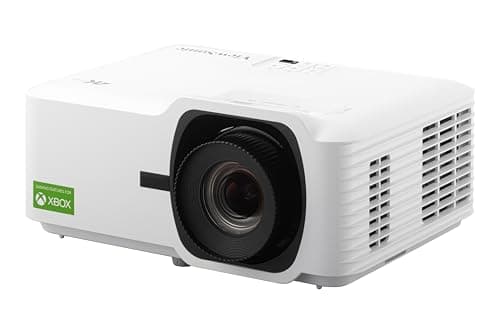
BenQ vs ViewSonic
$1599 vs $1623
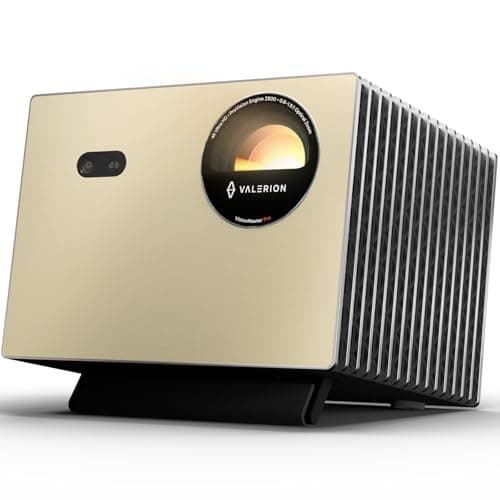
BenQ vs Valerion
$1599 vs $1999
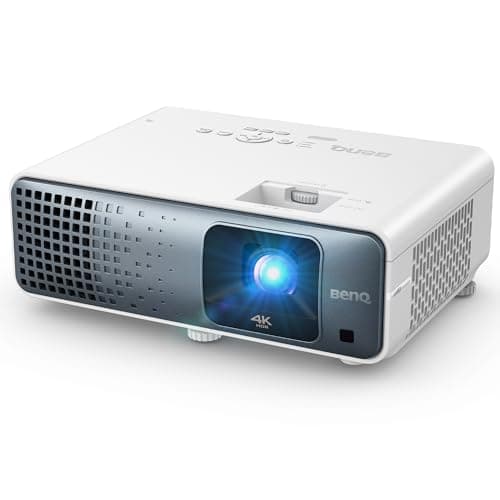
BenQ vs BenQ
$1599 vs $1998
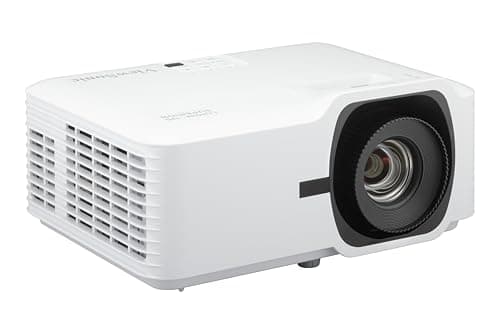
BenQ vs ViewSonic
$1599 vs $1350
Optoma vs ViewSonic
$999 vs $1350
Optoma vs Optoma
$970 vs $999
Epson vs Optoma
$830 vs $999
BenQ vs Optoma
$1399 vs $999
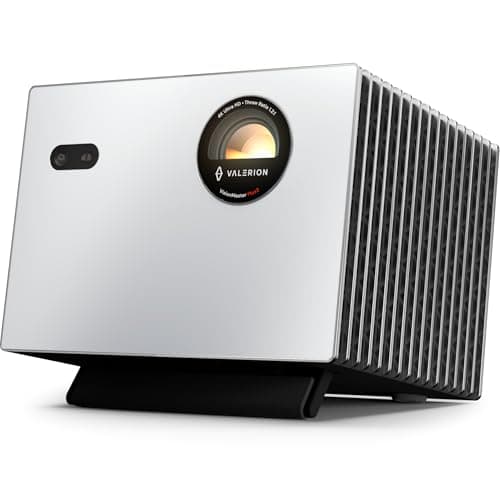
BenQ vs Valerion
$1599 vs $1499
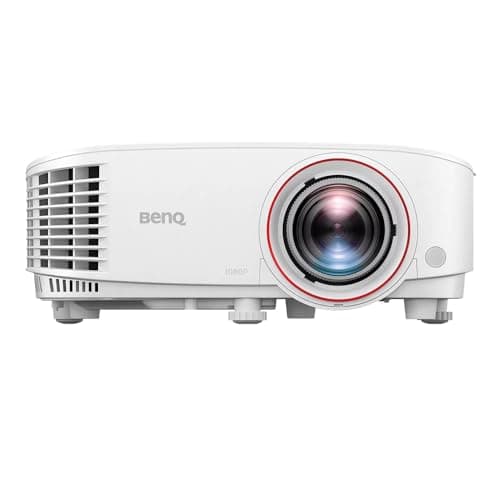
BenQ vs Optoma
$949 vs $999
BenQ vs BenQ
$1599 vs $1399
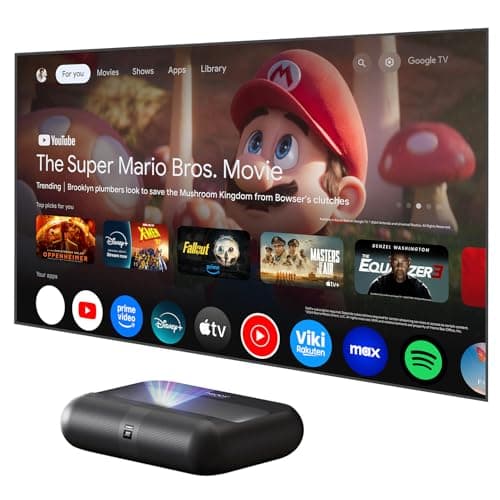
Optoma vs Yaber PROJECTOR
$999 vs $727
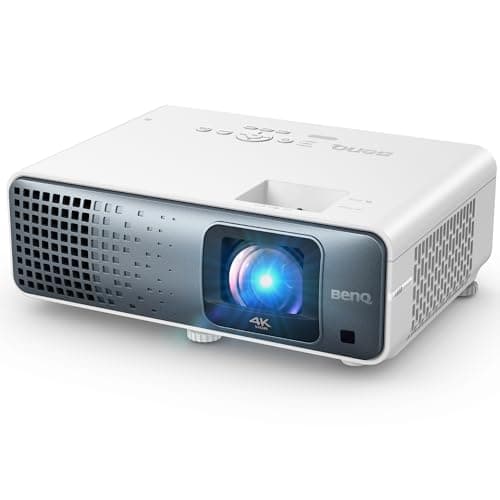
BenQ vs BenQ
$1599 vs $2199
BenQ vs Optoma
$1599 vs $970
BenQ vs Epson
$1599 vs $830
Explore Other Categories
Popular comparisons across the site


Ask AI
Get instant answers about specs
Get the Deets
Ask our AI assistant
Ask Deets anything!