Our Verdict
Optoma GT2000HDR Wins
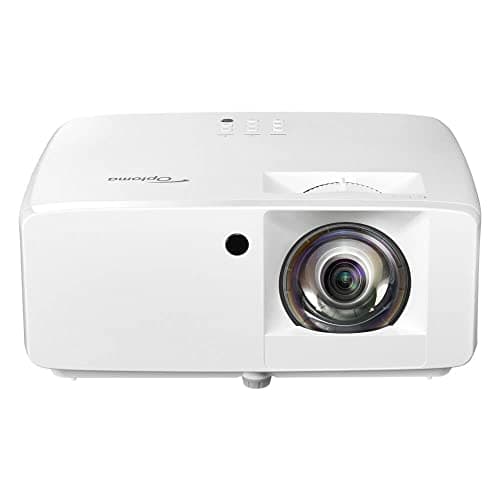
With a robust 3500 ANSI lumens, it offers significantly brighter images suitable for various lighting conditions, making it more versatile for dedicated home cinema or living room use.
Bottom Line: Optoma GT2000HDR is the better choice. With a robust 3500 ANSI lumens, it offers significantly brighter images suitable for various lighting conditions, making it more versatile for dedicated home cinema or living room use.
In-Depth Analysis
How they compare in practice
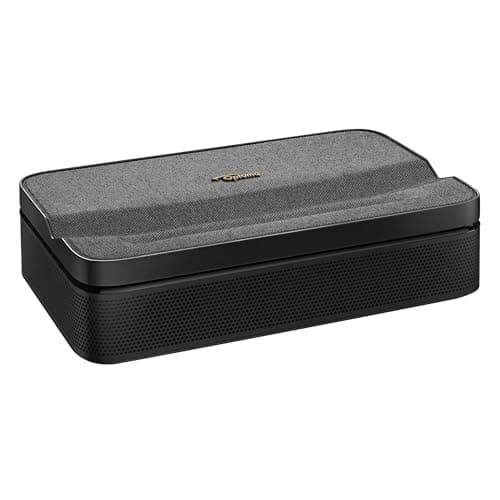
The Optoma GT2000HDR and ML1080UST represent two distinct approaches to home projection, despite both being 1080p laser-based units from the same brand. The most significant differentiator lies in their intended use and resulting specifications. The GT2000HDR is a powerhouse when it comes to illumination, boasting 3500 ANSI lumens. In real-world terms, this means it can project a clear, vibrant image even in rooms with some ambient light, making it suitable for a living room or a flexible viewing space where absolute darkness isn't always achievable. Its short throw lens is convenient, allowing for large images from a relatively close distance, though it still requires some placement flexibility. Conversely, the ML1080UST PHOTON GO sacrifices sheer brightness for unparalleled portability and convenience. While its specific lumen output isn't provided, its "portable" and "built-in battery" features strongly indicate a lower brightness output compared to the GT2000HDR. This makes the ML1080UST ideal for spontaneous movie nights in darker environments, backyard projections, or moving between rooms without hassle. Its ultra-short throw capability is a game-changer for small spaces, projecting a 100-inch image from under a foot away, eliminating the need for extensive room setup or ceiling mounts that traditional projectors, even short-throw ones, often demand. Beyond brightness and throw distance, the ML1080UST integrates a full entertainment hub with onboard Google TV, Netflix, and Disney+ certification. This transforms it into an all-in-one device, allowing users to stream content directly without external media players, a feature entirely absent from the GT2000HDR, which requires a separate source device. The ML1080UST’s triple RGB laser also promises excellent color accuracy, a distinct advantage for those prioritizing vivid, true-to-life hues in their portable setup, though both benefit from the long life and instant on/off of laser technology. Each projector offers a compelling value proposition tailored to different user priorities.
Key Differences
The most significant spec differences at a glance
Brightness Ansi Lumens
100% moreAdvantages
Where each product wins

Optoma
- Brightness Ansi Lumens: 100% higher (3500 vs 0)
Which to Pick for Your Situation
Concrete scenarios with a clear recommendation
For a bright living room or multi-purpose space
OptomaThe Optoma GT2000HDR's 3500 ANSI lumens ensures a bright, clear image even with some ambient light, making it suitable for less-than-ideal dark room conditions.
For spontaneous backyard movie nights or camping
OptomaThe Optoma ML1080UST's built-in battery offers 1.5 hours of runtime, combined with its compact size and integrated streaming, for true portability.
For a very small room or tight apartment
OptomaThe ML1080UST features an ultra-short throw lens, projecting a large image from less than a foot away, eliminating the need for significant setup space.
For streaming Netflix and Disney+ without extra devices
OptomaThe ML1080UST comes with integrated Google TV and certified streaming apps, providing an all-in-one entertainment solution out of the box.
Who Should Buy Which?
Find the right product for your needs

Buy Optoma if...
GT2000HDR
The Optoma GT2000HDR is ideal for the home cinema enthusiast or media consumer who prioritizes a consistently bright and crisp image in a dedicated viewing space or a living room with some ambient light. This buyer isn't necessarily looking for extreme portability but values a powerful, long-lasting projection system for a fixed or semi-fixed setup. They might have a specific spot for their projector, needing a short-throw lens to maximize screen size in a medium-sized room, avoiding the complexities of long-distance projection. They are content with an external power supply and understand the projector requires a separate streaming device or content source, as built-in apps are not a priority. What they're giving up in ultra-short throw flexibility, portability, and integrated smart features, they gain in consistent brightness and a robust display for an immersive movie, sports, or gaming experience without compromises on illumination.

Buy Optoma if...
ML1080UST
The Optoma ML1080UST PHOTON GO is perfectly suited for the modern, flexible consumer who craves instant entertainment and maximum spatial efficiency. This buyer likely lives in a smaller apartment, a dorm room, or frequently moves their entertainment setup, valuing the projector's ultra-short throw capability to project a 100-inch image from just inches away from the wall, minimizing setup hassle and space requirements. Portability is a key driver for them, making the built-in battery with 1.5 hours of runtime and compact design highly appealing for spontaneous movie nights indoors, outdoors, or at a friend's house. The integrated Google TV with certified Netflix and Disney+ apps means they don't need additional streaming sticks, simplifying their entertainment ecosystem significantly. While they accept that its brightness may not match a dedicated fixed projector like the GT2000HDR, they prioritize the vivid colors promised by the triple RGB laser and the sheer convenience of an all-in-one portable smart projector. They are willing to compromise on peak lumen output for unparalleled versatility and a wire-free streaming experience, understanding that the need for a perfectly flat projection surface is a minor trade-off for its ultra-short throw benefits.
Spec Comparison
5 specs compared
| Specification |  | 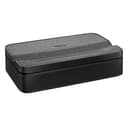 |
|---|---|---|
| Rating | 4.1(165) | 4.0(32) |
| Brightness Ansi Lumens | 3500 | 0 |
| Native Resolution | 1080p | 1080p |
| Hdr Support | Yes | Yes |
| Light Source | Laser | Laser |
| Speaker Watts | — | 20W |
Swipe horizontally to see all columns
Pros & Cons
Quick overview of strengths and weaknesses
Optoma GT2000HDR
- 3500 lumens delivers bright images in various lighting.
- Laser light source provides long life, instant on/off.
- Full HD 1080p resolution ensures crisp visual detail.
- HDR compatibility enhances contrast and color depth.
- External power supply adds extra bulk and cable mess.
- Fixed short throw may limit adaptable projector setup.
- 1080p resolution is not the latest 4K visual standard.
Optoma ML1080UST
- Ultra-short throw projects 100" from under a foot.
- Integrated Google TV for certified streaming apps.
- Triple RGB laser for accurate 1080p color.
- Laser light source eliminates lamp replacements.
- Battery life limited to 1.5 hours.
- Requires perfectly flat projection surface.
Frequently Asked Questions
Common questions about this comparison
Which projector is brighter?
The Optoma GT2000HDR offers 3500 ANSI lumens, providing a significantly brighter image, suitable for rooms with ambient light. The ML1080UST prioritizes portability, implying a lower brightness output.
Can I watch Netflix directly on these projectors?
Only the Optoma ML1080UST PHOTON GO has integrated Google TV with Netflix and Disney+ certified apps. The GT2000HDR requires an external streaming device.
What's the main difference in throw distance?
The GT2000HDR has a short-throw lens. The ML1080UST features an ultra-short throw, capable of projecting a 100-inch image from less than a foot away.
Does either projector have a built-in battery?
Yes, the Optoma ML1080UST PHOTON GO includes a built-in battery, offering up to 1.5 hours of runtime for portable use. The GT2000HDR requires an external power supply.
What resolution do these projectors offer?
Both the Optoma GT2000HDR and the ML1080UST PHOTON GO project in native 1080p resolution, ensuring crisp and detailed Full HD visuals.
Related Comparisons
Similar products people compare
Explore Other Categories
Popular comparisons across the site

Ask AI
Get instant answers about specs
Get the Deets
Ask our AI assistant
Ask Deets anything!