Our Verdict
Optoma GT1080HDRx Wins
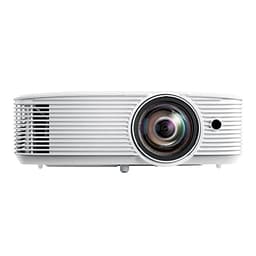
It delivers a superior gaming experience with an ultra-low 8.4ms input lag for 1080p 120Hz gameplay, a critical advantage for competitive gamers, all at a more accessible $970 price. Its 3800 lumens are ample for many setups and it offers HDR support. The ViewSonic LS741HD, with its brighter 5000 lumens and robust laser light source, is the better pick for demanding business or public display environments where continuous, bright operation and installation flexibility are paramount, despite its higher $1349.99 cost.
Bottom Line: Optoma GT1080HDRx is the better choice. It delivers a superior gaming experience with an ultra-low 8.
In-Depth Analysis
How they compare in practice
The Optoma GT1080HDRx and ViewSonic LS741HD represent distinct philosophies in 1080p projection, each catering to different user priorities. The Optoma, explicitly branded as a "Short Throw Gaming Projector," lives up to its name with an incredibly low 8.4ms input lag for 1080p at 120Hz. This spec is paramount for competitive gamers, translating directly into a more responsive, fluid, and immersive gaming experience where every millisecond counts. Combined with HDR support and 3800 lumens, it offers vibrant visuals that make games pop, even in moderately lit rooms, from a short distance thanks to its short-throw lens. Its bulb light source, while offering a respectable 15,000-hour life in Eco mode, will eventually require replacement, a minor recurring cost.
In contrast, the ViewSonic LS741HD positions itself as a versatile, high-brightness solution for broader applications, eschewing specific gaming optimizations for operational robustness and installation flexibility. Its formidable 5000 ANSI lumens output outshines the Optoma, making it significantly more capable in brightly lit environments like meeting rooms, classrooms, or retail spaces. The laser light source is a key differentiator, providing up to 30,000 hours of maintenance-free operation (no lamps to replace) and consistent brightness over its lifespan, supporting 24/7 operation. This translates to superior reliability and lower long-term running costs, justifying its higher $1349.99 price point compared to Optoma's $970.
While both project at native 1080p resolution, the ViewSonic offers advanced installation features like 1.6x optical zoom, full H+V keystone, and 4-corner adjustment, which are invaluable for precise image alignment in challenging setups. The Optoma's short throw is convenient for small spaces but lacks the same level of zoom flexibility. The trade-off is clear: the Optoma delivers specialized, high-performance gaming value at a lower entry cost, making sacrifices in raw brightness and light source longevity. The ViewSonic prioritizes sustained high brightness, superior light source durability, and installation adaptability, making it an excellent investment for commercial or intensive general-purpose home theater use where responsiveness isn't the absolute top priority. The absence of explicit HDR support on the ViewSonic is also a consideration for modern content consumption.
Key Differences
The most significant spec differences at a glance
Brightness Ansi Lumens
24% lessAdvantages
Where each product wins

ViewSonic
- Brightness Ansi Lumens: 24% higher (3800 vs 5000)
Which to Pick for Your Situation
Concrete scenarios with a clear recommendation
For competitive gamers seeking minimal lag
OptomaThe Optoma GT1080HDRx offers an extremely low 8.4ms input lag for 1080p 120Hz gaming, providing a distinct competitive advantage.
For a brightly lit conference room or classroom
ViewSonicWith 5000 ANSI lumens, the ViewSonic LS741HD delivers a significantly brighter image, ensuring better visibility and contrast in ambient light conditions.
For installations requiring flexible placement and 24/7 operation
ViewSonicThe ViewSonic LS741HD features a 1.6x optical zoom, full H+V keystone, 4-corner adjustment, and a laser light source supporting continuous operation.
For a budget-conscious home theater with HDR content
OptomaPriced at $970, the Optoma offers excellent value for a 1080p projector with HDR support and a decent 3800 lumens, without compromising gaming performance.
Who Should Buy Which?
Find the right product for your needs

Buy Optoma if...
Optoma GT1080HDRx Short Throw
The Optoma GT1080HDRx is the quintessential choice for serious gamers who demand uncompromised responsiveness and immersive visuals. Its stellar 8.4ms input lag at 1080p 120Hz is a standout feature, making it a dream for fast-paced action, competitive FPS, and sports games where every millisecond counts. This projector allows gamers to feel truly connected to the action without noticeable delay. With HDR support and 3800 lumens, it projects vivid, bright images that bring gaming worlds to life, even in rooms with some ambient light. The short-throw capability means you can project a large screen from just a few feet away, perfect for smaller gaming dens or apartments where space is at a premium. Priced at $970, it offers exceptional value for its gaming-centric performance. Buyers choosing the Optoma are willing to accept a lamp-based light source with a 15,000-hour life and native 1080p resolution, prioritizing peak gaming performance and a lower initial investment over the long-term, maintenance-free operation or the ultimate brightness found in laser projectors.

Buy ViewSonic if...
ViewSonic LS741HD 5000 Lumens
The ViewSonic LS741HD is ideally suited for commercial environments such as conference rooms, classrooms, or retail displays, as well as home users who prioritize maximum brightness and long-term reliability. Its headline feature is the 5000 ANSI lumens brightness, which ensures crisp, clear, and vibrant images even in well-lit spaces where other projectors would struggle. The laser light source is a game-changer, offering an impressive 30,000 hours of virtually maintenance-free operation and consistent brightness throughout its lifespan, eliminating the hassle and cost of lamp replacements. This also enables 24/7 operation, crucial for digital signage or continuous display needs. Installation flexibility is another key strength, with a 1.6x optical zoom, full horizontal and vertical keystone correction, and 4-corner adjustment, making it adaptable to various challenging room setups. For this buyer, the higher $1349.99 price is justified by the superior brightness, unmatched light source longevity, and robust feature set for demanding applications, willingly trading specialized gaming performance for operational excellence and versatility.
Spec Comparison
10 specs compared
| Specification |  |  |
|---|---|---|
| Price | $970 | $1350 |
| Rating | 4.2(862) | 4.4(32) |
| Brightness Ansi Lumens | 3800 | 5000 |
| Native Resolution | 1080p | 1080p |
| Gaming Input Lag Ms | 8.4 | — |
| Hdmi Ports | 2 | — |
| Hdr Support | Yes | — |
| Light Source | Bulb (lamp) | Laser |
| Contrast Ratio | 50000:1 | — |
| Lamp Life Hours | 15000 hrs | — |
| Throw Ratio | — | 1.4 |
| Keystone Correction | — | Full (H+V) |
Swipe horizontally to see all columns
Pros & Cons
Quick overview of strengths and weaknesses
Optoma GT1080HDRx Short
- Low input lag 8.4ms for 120Hz gaming
- Short throw projects large image from 4ft
- 3800 lumens for bright images
- 15,000 hours lamp life
- Lamp light source requires eventual replacement
- Native resolution is 1080p, not 4K
- Only two HDMI ports
ViewSonic LS741HD 5000
- 5000 lumens ensures bright, clear image projection.
- Laser light source provides long life, consistent output.
- 1080p native resolution delivers sharp visual detail.
- 1.6x optical zoom aids flexible projector placement.
- Native 1080p resolution; lacks 4K display capability.
- Standard throw ratio demands specific room distance.
- No explicit mention of HDR compatibility.
Frequently Asked Questions
Common questions about this comparison
How do these projectors compare for gaming performance?
The Optoma GT1080HDRx is superior for gaming, boasting an ultra-low 8.4ms input lag for smooth 1080p 120Hz gameplay. The ViewSonic LS741HD doesn't specify gaming-optimized input lag, making it less ideal for competitive gaming.
Which projector is better for a brightly lit room?
The ViewSonic LS741HD is better for bright rooms with its 5000 ANSI lumens. The Optoma GT1080HDRx offers 3800 lumens, which is good but less powerful in comparison.
What is the benefit of the ViewSonic's laser light source?
The ViewSonic's laser light source offers up to 30,000 hours of life and consistent brightness, eliminating the need for lamp replacements and supporting 24/7 operation, unlike the Optoma's bulb which has a 15,000-hour life.
Does either projector support 4K resolution?
Both projectors have a native resolution of 1080p. However, the Optoma GT1080HDRx supports 4K UHD input, allowing it to process and downscale 4K content, whereas the ViewSonic does not explicitly mention this capability.
Which projector offers more installation flexibility?
The ViewSonic LS741HD offers greater installation flexibility with its 1.6x optical zoom, full H+V keystone correction, and 4-corner adjustment. The Optoma is a short-throw model, which helps in small spaces but has less zoom.
Is HDR content supported by either model?
Yes, the Optoma GT1080HDRx explicitly supports HDR content and can accept 4K UHD input. The ViewSonic LS741HD does not explicitly mention HDR compatibility in its specifications.
Related Comparisons
Similar products people compare
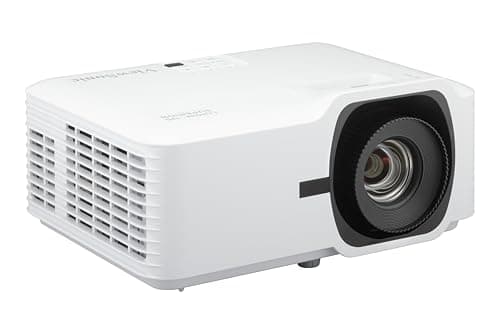
BenQ vs ViewSonic
$949 vs $1350
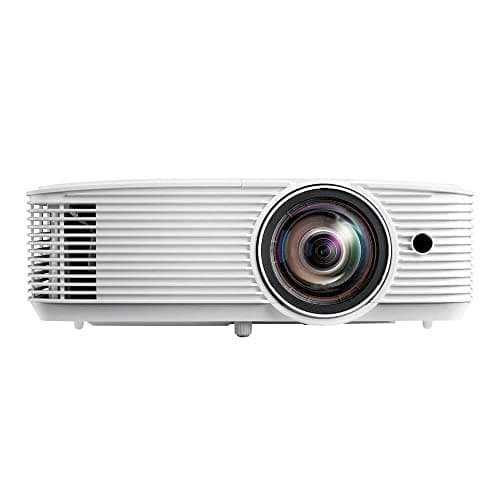
BenQ vs Optoma
$949 vs $970
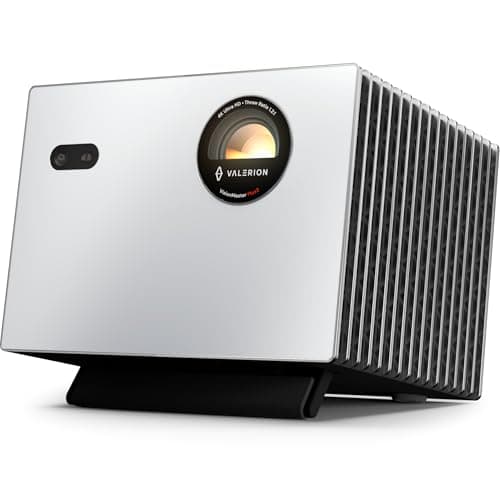
Valerion vs ViewSonic
$1499 vs $1350
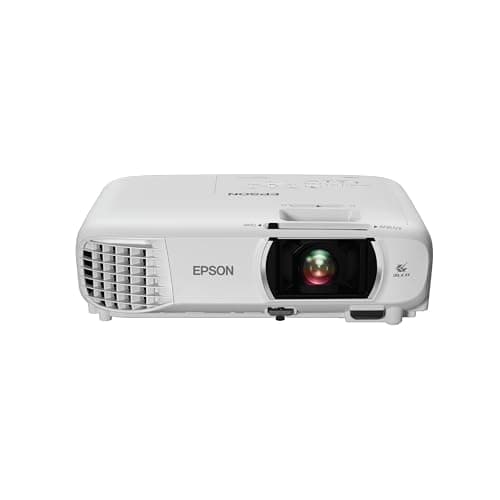
Epson vs Optoma
$830 vs $970
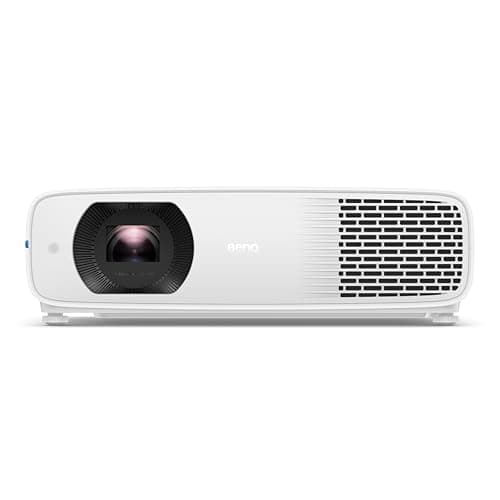
BenQ vs ViewSonic
$1599 vs $1350
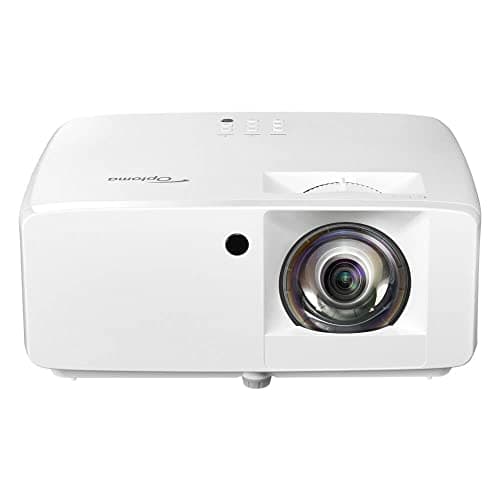
Optoma vs ViewSonic
$999 vs $1350
Optoma vs Optoma
$970 vs $999
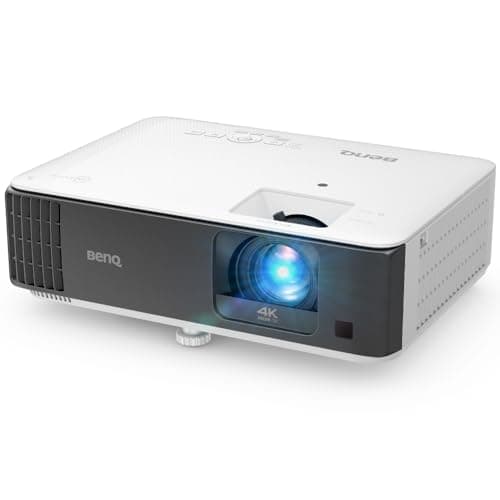
BenQ vs ViewSonic
$1399 vs $1350
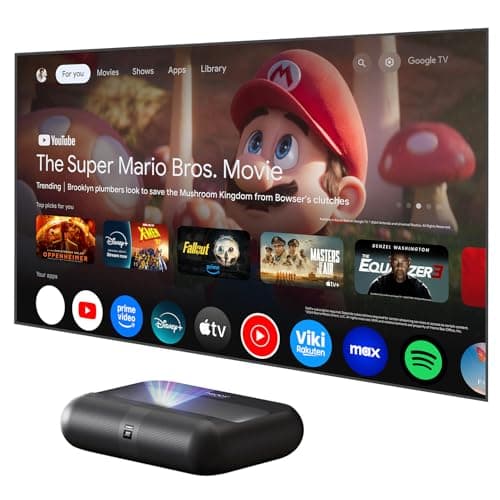
Optoma vs Yaber PROJECTOR
$970 vs $727
BenQ vs ViewSonic
$1998 vs $1350
BenQ vs Optoma
$1599 vs $970
Explore Other Categories
Popular comparisons across the site



Ask AI
Get instant answers about specs
Get the Deets
Ask our AI assistant
Ask Deets anything!