Our Verdict
Optoma GT1080HDRx Wins
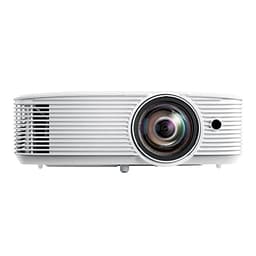
This projector delivers exceptional value for gamers and home theater enthusiasts, offering a blazing-fast 8.4ms input lag and short-throw capabilities at a significantly lower price point of $970. While the BenQ LH750 boasts superior 5000 ANSI lumens brightness and a 30,000-hour laser light source, its higher $1599 cost makes it a specialized choice. The BenQ LH750 is the better pick for professional business or educational environments requiring maximum brightness and minimal maintenance in well-lit rooms, where its laser engine and installation flexibility are key assets.
Bottom Line: Optoma GT1080HDRx is the better choice. This projector delivers exceptional value for gamers and home theater enthusiasts, offering a blazing-fast 8.
In-Depth Analysis
How they compare in practice
The BenQ LH750 and Optoma GT1080HDRx represent two distinct philosophies in the 1080p projector market, each tailored to different user priorities and budgets. The most striking difference lies in their core application: the Optoma is engineered for immersive gaming, while the BenQ is a robust business and education solution. In real-world use, this translates to very different experiences. The Optoma GT1080HDRx, with its impressive 8.4ms gaming input lag, offers a responsiveness that serious gamers will instantly appreciate, making fast-paced action feel fluid and immediate. Its short-throw lens is another game-changer for those with limited space, allowing a large image to be projected from just a few feet away, minimizing shadows and installation headaches in smaller rooms or apartments.
Conversely, the BenQ LH750 prioritizes clarity and longevity in challenging environments. Its formidable 5000 ANSI lumens brightness ensures that presentations and educational content remain vivid and legible even in moderately lit conference rooms or classrooms, a scenario where the Optoma's 3800 lumens might struggle to maintain impact. Furthermore, the BenQ's laser light source is a significant long-term advantage, providing an incredible 30,000 hours of maintenance-free operation compared to the Optoma's 15,000-hour bulb. This means no lamp replacements, lower running costs over time, and instant on/off capabilities, which are crucial for professional settings demanding reliability and efficiency.
While both offer 1080p native resolution and 4K HDR compatibility, the BenQ also provides greater installation flexibility with lens shift and full H+V keystone correction, simplifying alignment in diverse professional setups. The Optoma, despite its gaming prowess, is more rigid in placement due to its fixed short-throw lens and lack of lens shift. Ultimately, the choice boils down to a clear trade-off: the Optoma GT1080HDRx delivers superior gaming performance and excellent value at $970, ideal for personal entertainment. The BenQ LH750, priced at $1599, justifies its higher cost with a premium laser light source, exceptional brightness, and professional installation features, making it the workhorse for demanding business applications.
Key Differences
The most significant spec differences at a glance
Brightness Ansi Lumens
32% moreLamp Life Hours
100% moreAdvantages
Where each product wins

BenQ
- Brightness Ansi Lumens: 32% higher (5000 vs 3800)
- Lamp Life Hours: 100% higher (30000 vs 15000)
Which to Pick for Your Situation
Concrete scenarios with a clear recommendation
For a dedicated gaming setup
OptomaThe Optoma GT1080HDRx offers an ultra-low 8.4ms input lag at 1080p 120Hz, critical for responsive gaming experiences.
For a bright conference room or classroom
BenQThe BenQ LH750's 5000 ANSI lumens brightness ensures clear visibility even in environments with significant ambient light.
For long-term, low-maintenance installation
BenQWith a 30,000-hour laser light source, the BenQ LH750 requires minimal maintenance and offers superior longevity compared to bulb-based projectors.
For a small living room or apartment with space constraints
OptomaThe Optoma GT1080HDRx's short-throw lens can project a large image from a very close distance, ideal for compact spaces.
Who Should Buy Which?
Find the right product for your needs

Buy BenQ if...
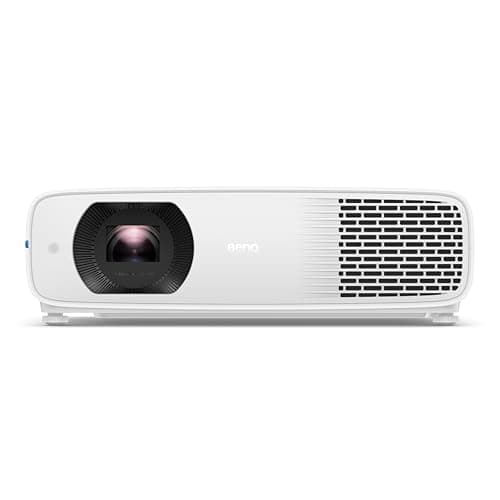
BenQ LH750 1080P 5000
The BenQ LH750 is an ideal choice for businesses, educational institutions, and professional AV installers seeking a high-performance, low-maintenance projector. Its target user prioritizes crisp, bright visuals for presentations, data, and video conferencing, even in environments with significant ambient light. They value long-term reliability and minimal operational overhead, making the 30,000-hour laser light source a critical factor. This buyer also benefits from the projector's installation flexibility, including lens shift and full H+V keystone correction, which simplifies setup in diverse venues like boardrooms, classrooms, or lecture halls. While the upfront cost of $1599 is higher, they understand this investment translates to superior brightness (5000 ANSI lumens) and a significantly reduced total cost of ownership over its lifespan due to no lamp replacements. They are willing to forgo specialized gaming features like ultra-low input lag, as their primary use case revolves around professional communication and impactful visual delivery.

Buy Optoma if...
Optoma GT1080HDRx Short Throw
The Optoma GT1080HDRx is perfectly suited for avid gamers, home theater enthusiasts, and budget-conscious buyers looking for an immersive entertainment experience. The ideal buyer prioritizes a responsive, fluid gaming experience, making the 8.4ms gaming input lag at 1080p 120Hz a paramount feature. They likely have a smaller dedicated gaming space or living room where the short-throw capability is a major advantage, allowing them to project a large image from just a few feet away, eliminating shadows and maximizing usable space. At $970, this projector offers exceptional value for its gaming-centric features and 1080p HDR support. While they benefit from a bright 3800 lumens for day and night gaming, they are willing to accept a traditional lamp light source with a 15,000-hour lifespan, understanding that lamp replacement is a future consideration. This buyer isn't concerned with advanced installation features like lens shift, as their setup is typically fixed for entertainment purposes.
Spec Comparison
10 specs compared
| Specification |  |  |
|---|---|---|
| Price | $1599 | $970 |
| Rating | 4.4(481) | 4.2(862) |
| Brightness Ansi Lumens | 5000 | 3800 |
| Native Resolution | 1080p | 1080p |
| Gaming Input Lag Ms | — | 8.4 |
| Hdmi Ports | 2 | 2 |
| Lens Shift | Yes | — |
| Hdr Support | Yes | Yes |
| Light Source | Laser | Bulb (lamp) |
| Lamp Life Hours | 30000 hrs | 15000 hrs |
| Keystone Correction | Full (H+V) | — |
| Contrast Ratio | — | 50000:1 |
Swipe horizontally to see all columns
Pros & Cons
Quick overview of strengths and weaknesses
BenQ LH750 1080P
- 5000 lumens for clear visibility in lit rooms.
- 1080p resolution provides sharp image detail.
- 30,000-hour laser light source reduces maintenance.
- 1.6x zoom and lens shift simplify setup.
- Not native 4K resolution; 4K compatibility only.
- Fixed lens, not interchangeable for specific throws.
Optoma GT1080HDRx Short
- Low input lag 8.4ms for 120Hz gaming
- Short throw projects large image from 4ft
- 3800 lumens for bright images
- 15,000 hours lamp life
- Lamp light source requires eventual replacement
- Native resolution is 1080p, not 4K
- Only two HDMI ports
Frequently Asked Questions
Common questions about this comparison
Which projector is better for competitive gaming?
The Optoma GT1080HDRx is superior for gaming, boasting a low 8.4ms input lag for 1080p 120Hz gameplay, ensuring a highly responsive experience.
What is the primary advantage of the BenQ LH750's laser light source?
Its laser light source offers an impressive 30,000 hours of maintenance-free operation, significantly reducing long-term costs and eliminating lamp replacements.
Can these projectors display 4K content?
Both the BenQ LH750 and Optoma GT1080HDRx support 4K UHD input and HDR content, though their native resolution remains 1080p Full HD.
Which projector offers better brightness for well-lit rooms?
The BenQ LH750 is brighter with 5000 ANSI lumens, outshining the Optoma GT1080HDRx's 3800 lumens for visibility in bright environments.
Is the Optoma GT1080HDRx suitable for small rooms?
Yes, its short-throw design is excellent for small rooms, projecting large images from a very short distance without needing extensive space.
How do their lamp/light source lifespans compare?
The BenQ LH750's laser light source lasts 30,000 hours, double the Optoma GT1080HDRx's 15,000-hour traditional bulb lamp life.
Related Comparisons
Similar products people compare
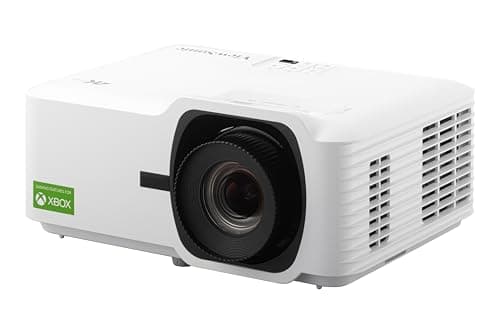
BenQ vs ViewSonic
$1599 vs $1623
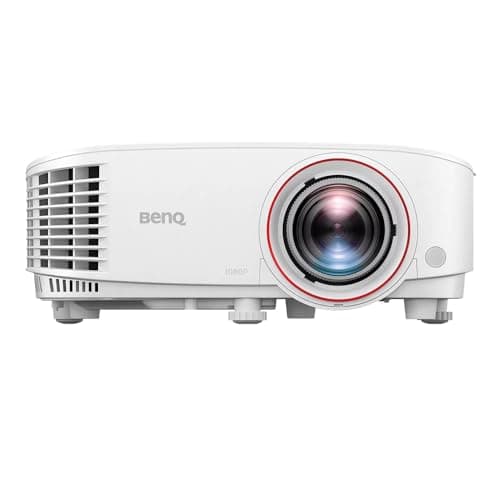
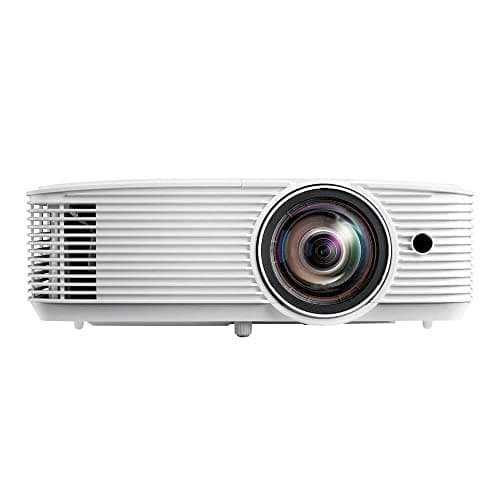
BenQ vs Optoma
$949 vs $970
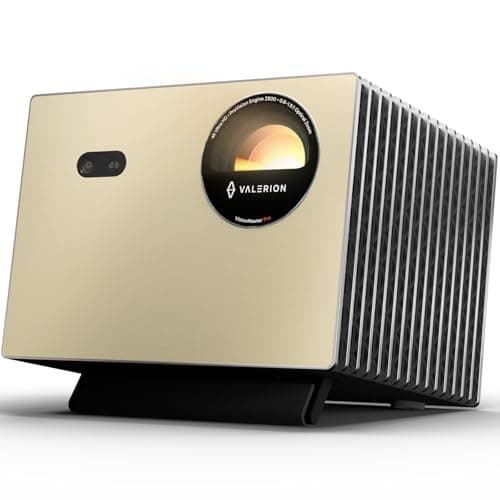
BenQ vs Valerion
$1599 vs $1999
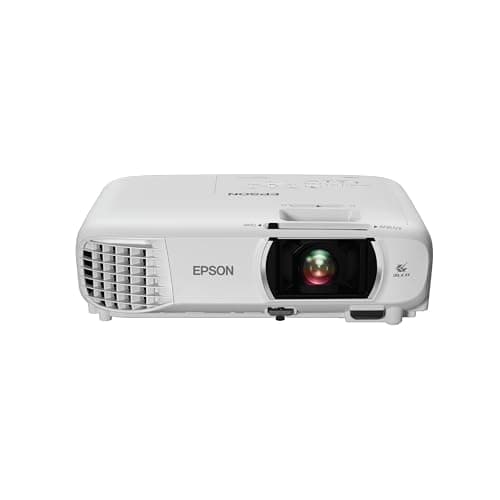
Epson vs Optoma
$830 vs $970
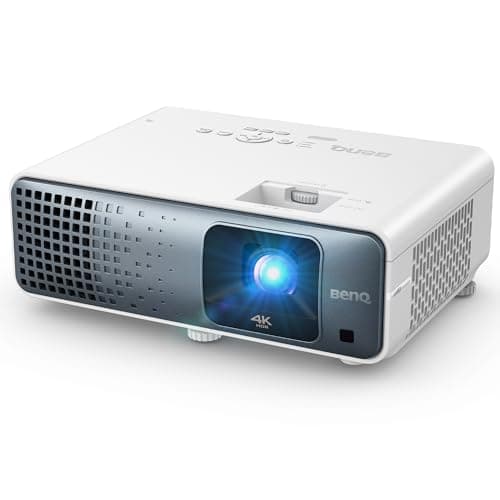
BenQ vs BenQ
$1599 vs $1998
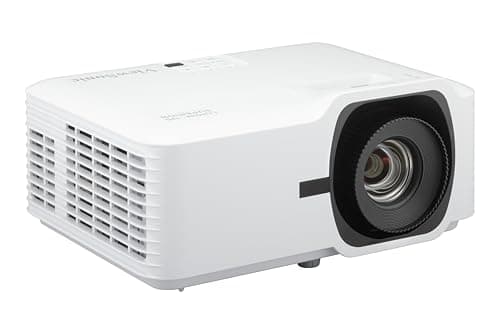
BenQ vs ViewSonic
$1599 vs $1350
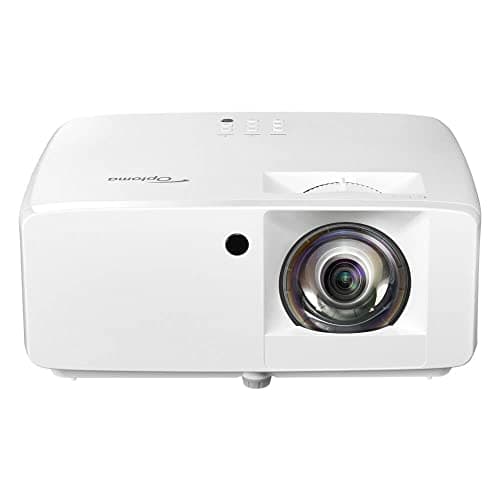
Optoma vs Optoma
$970 vs $999
Optoma vs ViewSonic
$970 vs $1350
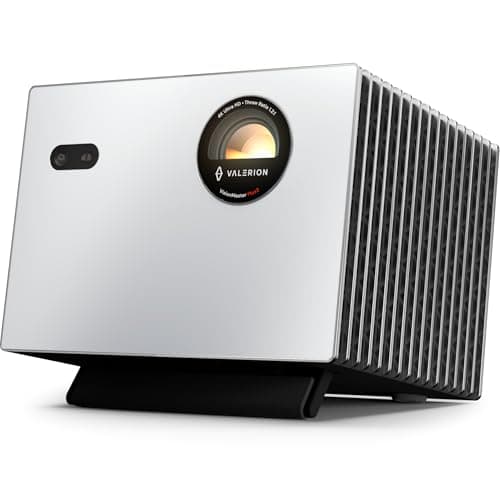
BenQ vs Valerion
$1599 vs $1499
BenQ vs Optoma
$1599 vs $999
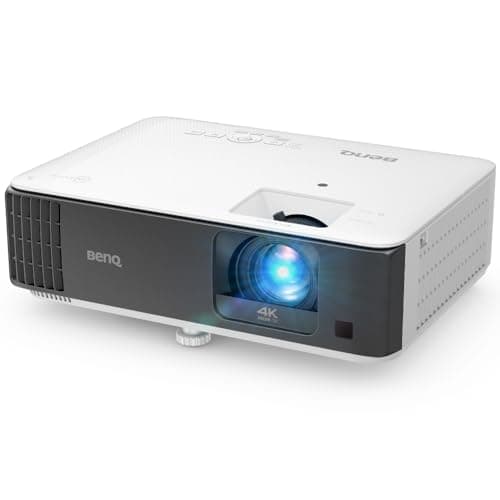
BenQ vs BenQ
$1599 vs $1399
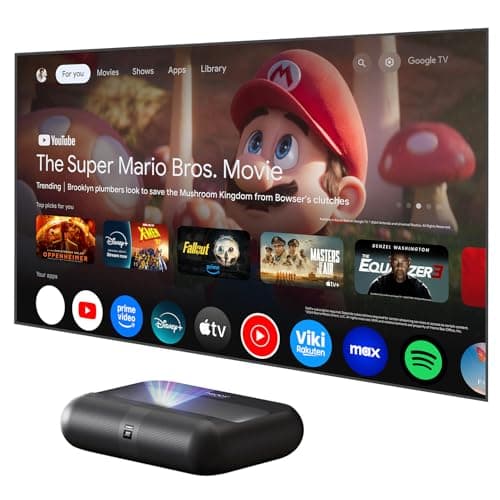
Optoma vs Yaber PROJECTOR
$970 vs $727
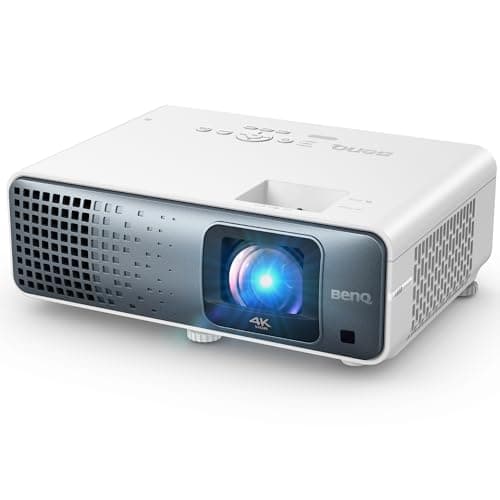
BenQ vs BenQ
$1599 vs $2199
BenQ vs Epson
$1599 vs $830
Explore Other Categories
Popular comparisons across the site



Ask AI
Get instant answers about specs
Get the Deets
Ask our AI assistant
Ask Deets anything!