Our Verdict
TONOR TD510 Air S H+ Wins
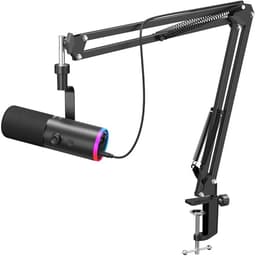
This microphone offers superior versatility with both USB and XLR connection options, alongside crucial zero-latency monitoring via its 3.5mm headphone jack, features absent in the FIFINE A6B. While pricier at $39.99 compared to $26.34, its AI noise cancellation and dual connectivity justify the investment for serious streamers. The FIFINE A6B remains a better pick for those prioritizing a lower budget and robust 24-bit audio resolution over connectivity flexibility or direct monitoring capabilities.
Bottom Line: TONOR TD510 Air S H+ is the better choice. This microphone offers superior versatility with both USB and XLR connection options, alongside crucial zero-latency monitoring via its 3.
In-Depth Analysis
How they compare in practice
The FIFINE A6B and TONOR TD510 Air S H+ both target the entry-level gaming and streaming market, yet they offer distinct value propositions. The FIFINE A6B immediately impresses with its 24-bit audio depth, providing a wider dynamic range and potentially cleaner sound capture compared to the TONOR TD510, which specifies a 48kHz sample rate but not its bit depth for USB, suggesting a standard 16-bit. In practical terms, this means the A6B could offer slightly more nuanced vocal recordings, capturing subtle details often missed by lower bit-depth microphones. However, this superior audio fidelity is tempered by its sole USB connection and lack of a 3.5mm headphone jack for zero-latency monitoring. The TONOR TD510 Air S H+, despite possibly having a 16-bit USB depth, excels in practical features for streamers. Its dual USB/XLR connectivity provides significant flexibility; users can start with USB for simplicity and upgrade to an XLR audio interface later for enhanced quality or more complex setups, a path unavailable to A6B users. The integrated 3.5mm headphone jack for zero-latency monitoring is a game-changer for content creators, allowing them to hear their voice in real-time without distracting delays, ensuring optimal speaking levels and performance. This feature alone drastically improves the user experience during live broadcasts or recording sessions. Furthermore, the TONOR TD510's AI noise cancellation is a powerful tool for combating common background sounds, from keyboard clicks to fan noise, making streams sound cleaner without needing complex software solutions. While the FIFINE A6B relies on its cardioid pattern and included pop filter and shock mount to mitigate noise, the TONOR's active cancellation offers a more robust solution for imperfect environments. The A6B's fixed desk stand might also transmit more vibrations than the TONOR, which typically benefits from a boom arm (implied by "with Boom Arm" in the name). The price difference of about $13.65 is justified by TONOR's enhanced features, particularly its dual connectivity, zero-latency monitoring, and AI noise cancellation, making it a more future-proof and user-friendly option for those serious about content creation.
Which to Pick for Your Situation
Concrete scenarios with a clear recommendation
For a budget-conscious gamer
FIFINEAt $26.34, the FIFINE A6B offers excellent 24-bit/48kHz audio quality for less, providing clear communication without breaking the bank.
For live streamers needing real-time audio feedback
TONORThe TONOR TD510 features a 3.5mm headphone jack for zero-latency monitoring, essential for hearing your own voice without delay during broadcasts.
For users in noisy home environments
TONORThe TONOR TD510's AI noise cancellation actively reduces background sounds like keyboard clicks or room echo, improving clarity.
For aspiring audio enthusiasts who might upgrade their setup
TONORWith both USB and XLR outputs, the TONOR TD510 allows for easy plug-and-play now and seamless integration into a professional audio interface later.
Who Should Buy Which?
Find the right product for your needs

Buy FIFINE if...
FIFINE Gaming Streaming USB
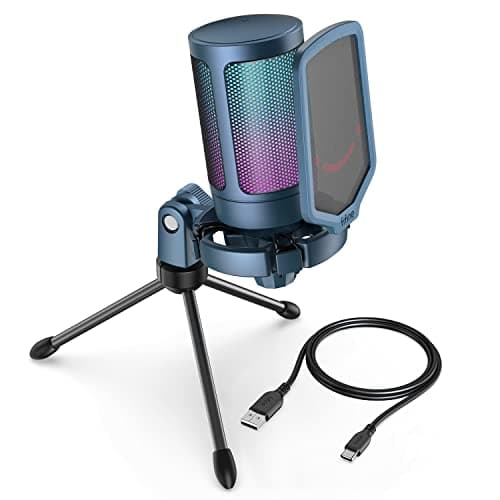
The FIFINE A6B is the ideal choice for budget-conscious individuals who prioritize straightforward functionality and excellent core audio quality without needing advanced features. This includes casual gamers looking for a significant upgrade from a headset mic, students attending online classes, or burgeoning podcasters and streamers taking their first steps. Their primary need is clear, articulate voice capture, which the A6B delivers with its impressive 24-bit depth and 48kHz sample rate, ensuring crisp and dynamic sound. The simple USB connection ensures plug-and-play ease on both Mac and Windows, making setup virtually instantaneous. They value the quick-touch mute button and integrated gain control for easy adjustments during use. While they forgo the flexibility of XLR and zero-latency monitoring, the A6B's robust cardioid polar pattern, combined with the included pop filter and shock mount, provides sufficient sound isolation for typical home environments at an unbeatable price point of $26.34. They are willing to rely on software for monitoring and don't require the advanced noise reduction offered by pricier alternatives.

Buy TONOR if...
TONOR Dynamic Gaming Microphone,
The TONOR TD510 Air S H+ is perfectly suited for aspiring and active content creators, streamers, and gamers who demand more versatility and professional features from their microphone setup. This buyer is willing to invest slightly more ($39.99) for significant functional advantages. Their primary needs include the flexibility to connect via USB for immediate use, with the future-proofing option of an XLR connection for higher-fidelity audio interfaces as their setup evolves. The most critical feature for them is zero-latency monitoring through the 3.5mm headphone jack, allowing them to hear their voice in real-time, crucial for controlling volume, tone, and overall performance during live streams or recording sessions. Furthermore, the TONOR's AI noise cancellation is a vital asset, effectively minimizing background distractions like keyboard typing, mouse clicks, or fan noise, ensuring their audio remains clean and professional even in less-than-ideal environments. They prioritize these practical performance enhancements and connectivity options over an explicit 24-bit depth, understanding that the TD510's feature set offers a superior overall user experience for serious content creation.
Spec Comparison
10 specs compared
| Specification | 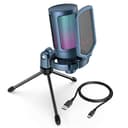 | 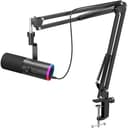 |
|---|---|---|
| Price | $26 | $40 |
| Rating | 4.6(14.3k) | 4.5(676) |
| Sample Rate | 48 kHz | 48 kHz |
| Bit Depth | 24 | — |
| Connection | USB | USB/XLR |
| Polar Pattern | Cardioid | — |
| Zero-Latency | — | Yes |
| Mute Button | Yes | Yes |
| Gain Control | Yes | Yes |
| Model Number | A6B | TD510 Air S H+ |
| Software | — | None |
| Headphone Out | — | Yes |
Swipe horizontally to see all columns
Pros & Cons
Quick overview of strengths and weaknesses
FIFINE Gaming Streaming
- Cardioid pattern captures direct voice
- 24-bit/48kHz audio resolution
- Integrated gain control knob
- Quick-touch mute button with indicator
- Limited to USB connection
- No headphone jack for direct monitoring
- Fixed cardioid polar pattern
- Desk stand prone to transmitted vibrations
TONOR Dynamic Gaming
- AI noise cancellation reduces background sound.
- Dual USB/XLR outputs for flexible connections.
- Zero-latency monitoring via 3.5mm headphone jack.
- Integrated volume control and tap mute button.
- No dedicated software for advanced mic settings.
- RGB lighting provides no functional utility.
Frequently Asked Questions
Common questions about this comparison
Which microphone offers better audio fidelity?
The FIFINE A6B specifies a 24-bit depth alongside its 48kHz sample rate, providing a potentially wider dynamic range and richer sound capture compared to the TONOR, which lists 48kHz but not bit depth for USB, suggesting standard 16-bit.
Can I monitor my voice directly while using these mics?
Only the TONOR TD510 offers zero-latency monitoring via its integrated 3.5mm headphone jack. The FIFINE A6B lacks this feature, requiring software-based monitoring with potential delay.
What connection types do these microphones support?
The FIFINE A6B is limited to a USB connection. The TONOR TD510 provides greater flexibility with both USB for direct plug-and-play and XLR for professional audio interface compatibility.
Which mic is better for noisy environments?
The TONOR TD510 is superior for noisy environments due to its AI noise cancellation, which actively reduces background sounds. The FIFINE A6B relies solely on its cardioid pattern for sound isolation.
Do these microphones come with essential accessories?
Yes, the FIFINE A6B includes a pop filter and shock mount. The TONOR TD510 generally comes with a boom arm, enhancing setup flexibility and vibration isolation.
Related Comparisons
Similar products people compare
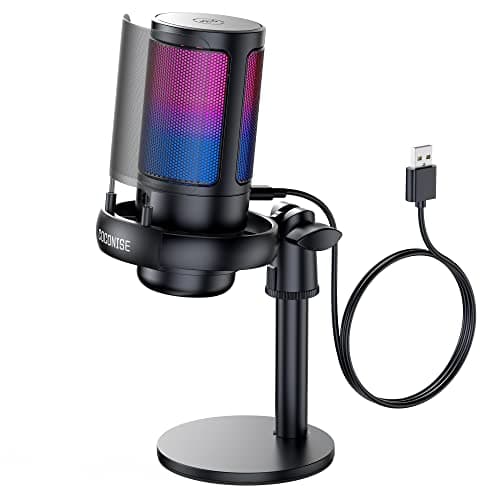
FIFINE vs COCONISE
$26 vs $24
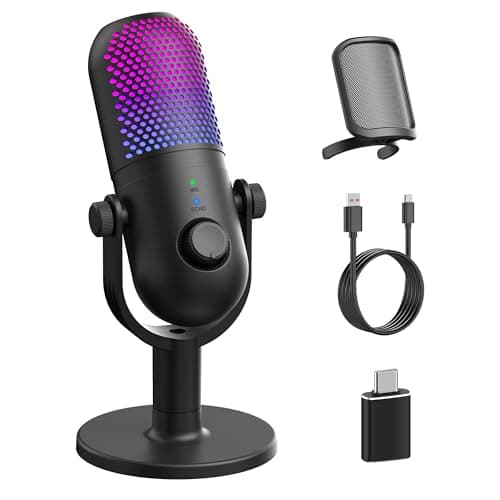
FIFINE vs GUEVWES
$26 vs $23
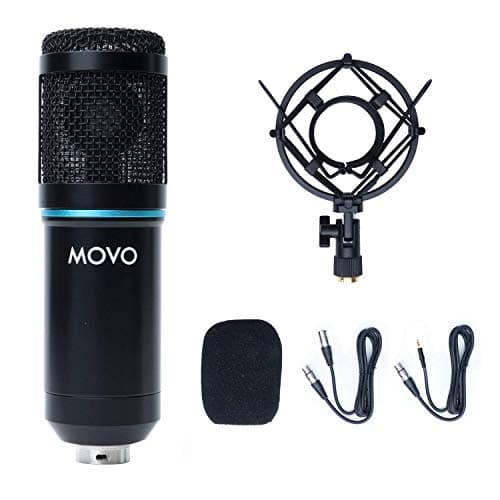
FIFINE vs Movo
$26 vs $40
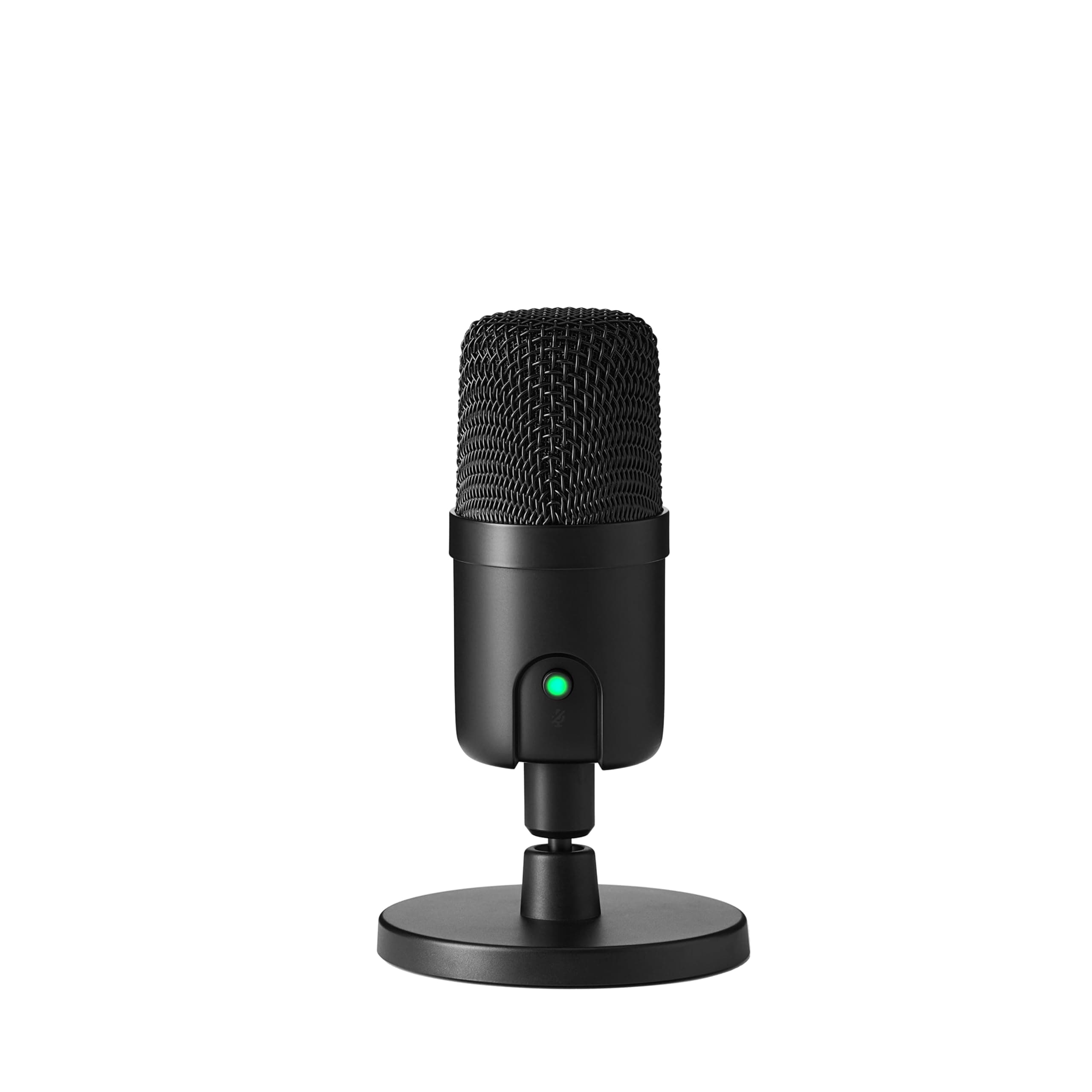
Amazon Basics vs FIFINE
$25 vs $26
FIFINE vs TONOR
$26 vs $32
FIFINE vs FIFINE
$26 vs $30
FIFINE vs Razer
$26 vs $40
TONOR vs ZealSound
$40 vs $35
Movo vs TONOR
$40 vs $40
AKG vs TONOR
$40 vs $40
Razer vs TONOR
$40 vs $40
FIFINE vs InnoGear
$26 vs $28
MAONO vs TONOR
$42 vs $40
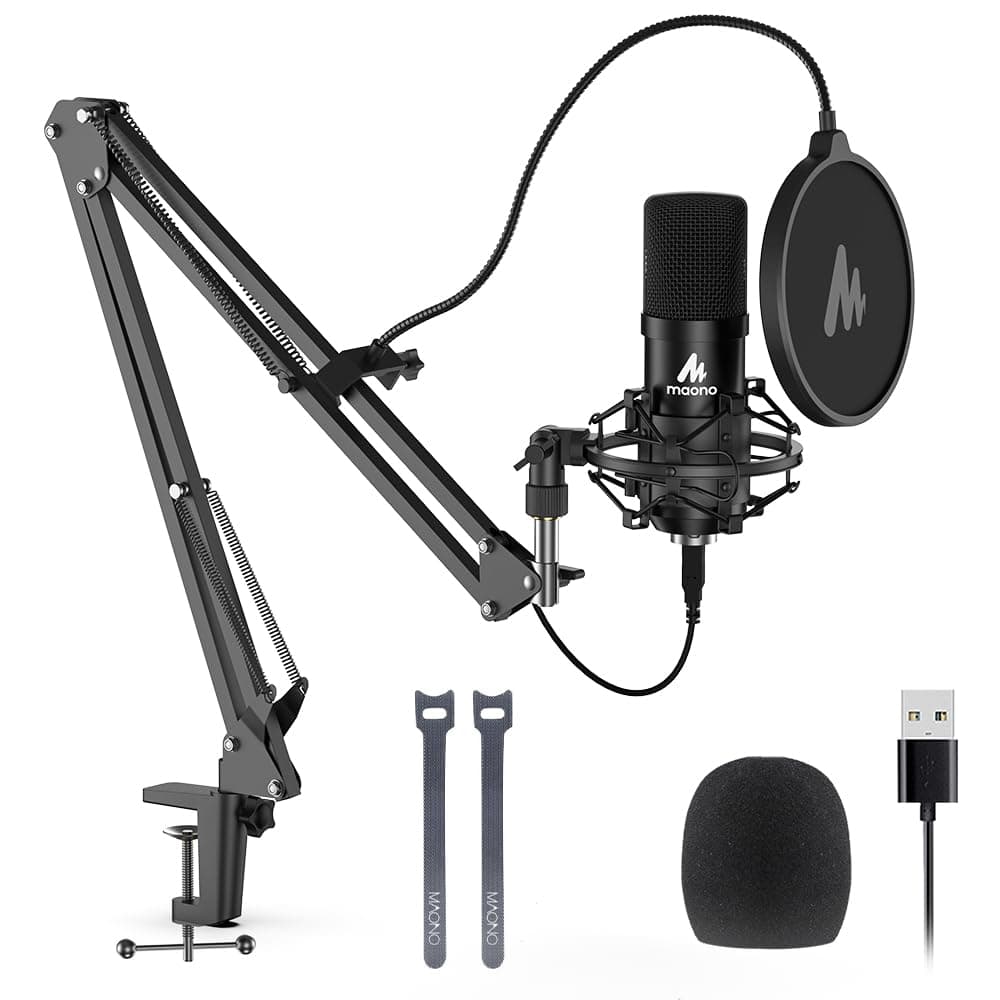
TONOR vs MAONO
$40 vs $46
FIFINE vs ZealSound
$26 vs $35
Explore Other Categories
Popular comparisons across the site


Ask AI
Get instant answers about specs
Get the Deets
Ask our AI assistant
Ask Deets anything!