Our Verdict
MAONO USB Microphone (AU-A04) Wins
It offers significantly higher audio resolution at 192kHz/24-bit compared to the Movo PC-M6's 48kHz/16-bit, providing a clearer, more detailed sound. The Maono also boasts a plug-and-play USB connection, making it far more accessible for beginners and direct-to-computer users without requiring an external audio interface or phantom power, all for only a slightly higher price ($45.59 vs $39.95). The Movo PC-M6 is the better pick for users who already own an XLR audio interface and prioritize a slightly wider frequency response (20Hz-20kHz) for professional mixing flexibility.
Bottom Line: MAONO USB Microphone (AU-A04) is the better choice. It offers significantly higher audio resolution at 192kHz/24-bit compared to the Movo PC-M6's 48kHz/16-bit, providing a clearer, more detailed sound.
In-Depth Analysis
How they compare in practice
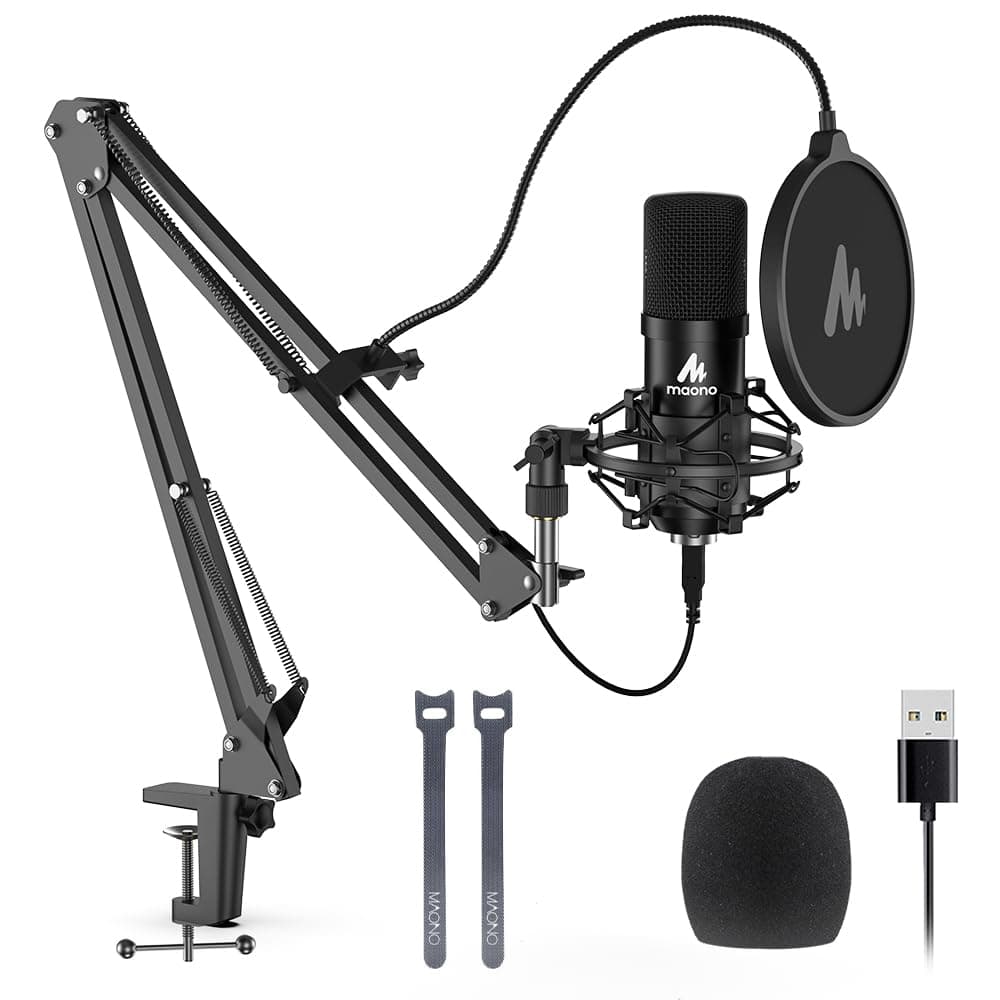
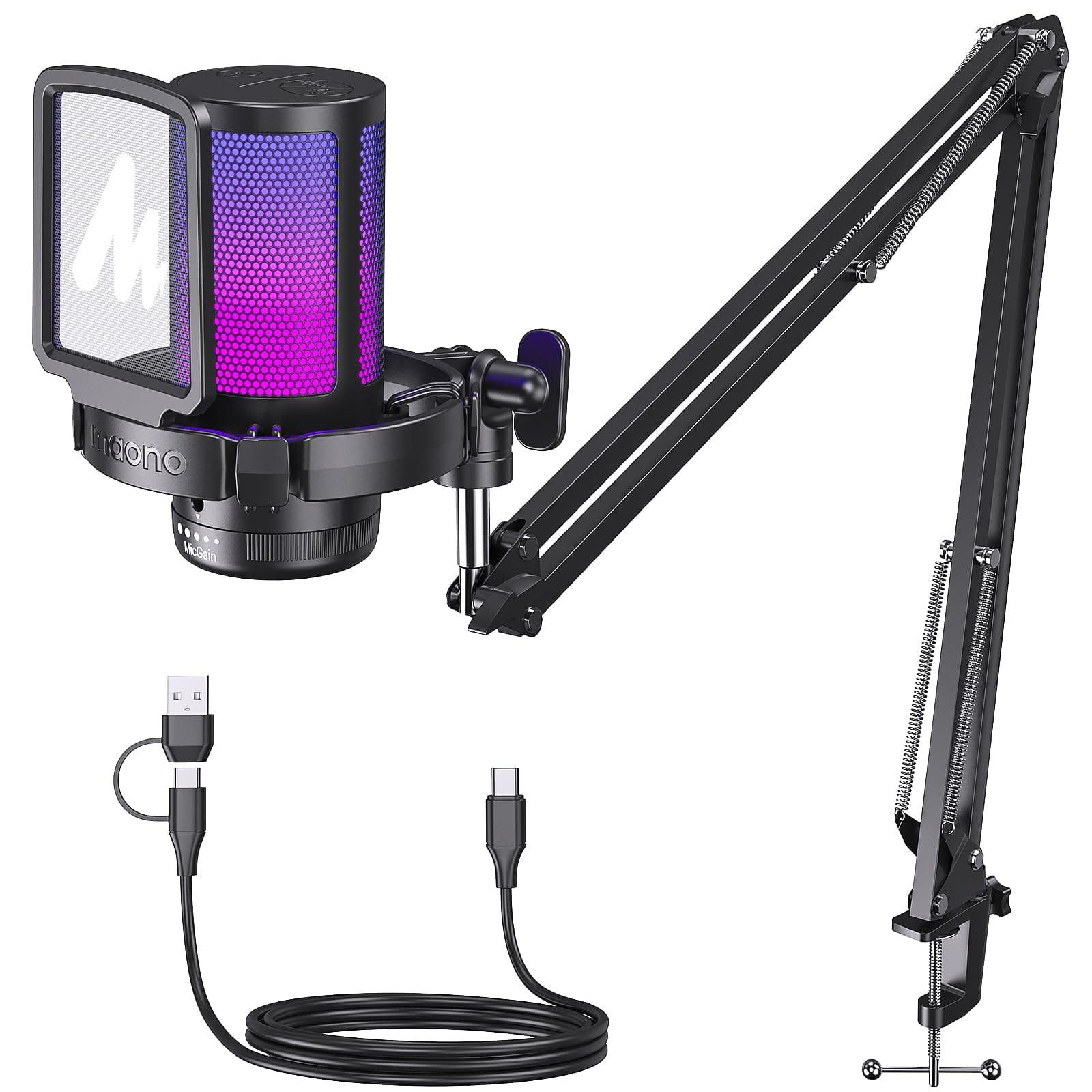
These two cardioid condenser microphones cater to different entry points in the audio recording landscape, primarily distinguished by their connectivity and audio fidelity. The MAONO AU-A04 champions convenience and high-resolution digital capture, featuring a plug-and-play USB connection and an impressive 192kHz/24-bit sample rate. This translates to incredibly detailed audio, ideal for capturing nuanced vocals, instruments, or crisp commentary for gaming and streaming. For most users, plugging it directly into a computer and immediately achieving high-quality sound without additional hardware is a huge advantage. Its included boom arm and accessories further enhance its out-of-the-box value, minimizing additional purchases.
In contrast, the Movo PC-M6 leans into the traditional audio setup with its XLR connection. While it offers a slightly wider frequency response of 20Hz-20kHz compared to Maono's 30Hz-16kHz, unlocking this potential requires an external audio interface and phantom power, adding significant cost and complexity. This means the Movo, despite being slightly cheaper at $39.95 versus Maono's $45.59, isn't truly a standalone solution. Its 48kHz/16-bit audio is standard but pales in comparison to the Maono's bit depth and sample rate for sheer detail in digital conversion.
The practical implications of these differences are profound. A streamer or podcaster looking for an immediate upgrade from a headset mic will find the MAONO AU-A04 a much more seamless and powerful solution, delivering professional-grade audio resolution effortlessly. The Movo, on the other hand, is a foundational piece for someone building a more elaborate home studio around an existing or planned audio interface. It offers a path to integration with other professional gear but demands a steeper initial investment and learning curve. The trade-off is between the Maono's superior digital conversion and convenience versus the Movo's potential for integration into a professional analog chain, albeit with an added cost for necessary peripherals.
Key Differences
The most significant spec differences at a glance
Sample Rate
75% lessBit Depth
33% lessAdvantages
Where each product wins

MAONO
- Sample Rate: 75% higher (48 vs 192.0)
- Bit Depth: 33% higher (16 vs 24)
Which to Pick for Your Situation
Concrete scenarios with a clear recommendation
For a beginner podcaster needing an all-in-one solution
MAONOThe MAONO AU-A04's plug-and-play USB connection and included boom arm make setup incredibly simple for immediate high-quality recording.
For a musician looking for high-fidelity vocal or instrument recording
MAONOThe Maono's 192kHz/24-bit resolution provides superior detail and dynamic range, crucial for professional-sounding music tracks.
For a user who already owns an XLR audio interface
MovoThe Movo PC-M6 connects via XLR, integrating seamlessly into an existing studio setup and potentially leveraging a higher-quality pre-amp.
For budget-conscious users prioritizing the absolute lowest upfront cost
MovoAt $39.95, the Movo PC-M6 is slightly cheaper, though additional gear is required for it to function, making the Maono potentially more cost-effective overall.
Who Should Buy Which?
Find the right product for your needs

Buy Movo if...
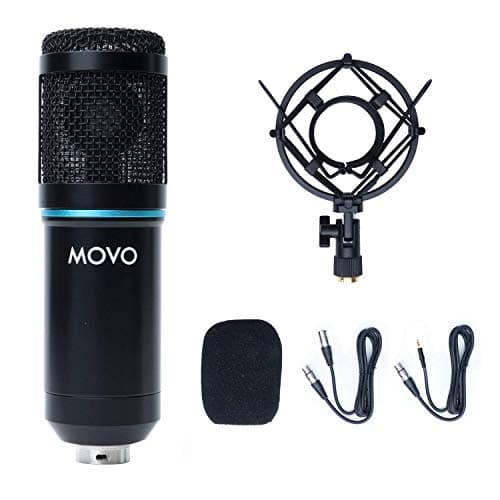
Movo PC-M6 Universal Cardioid
The Movo PC-M6 is ideal for the aspiring audio enthusiast or a budding home studio owner who is already invested in, or planning to acquire, an external audio interface. This buyer understands that an XLR microphone is a component of a larger, more flexible audio setup, not a standalone solution. Their priorities include the ability to easily integrate the microphone into a mixer or an interface with multiple inputs, leveraging features like higher-quality pre-amps and dedicated monitoring solutions provided by their interface. They value the slightly broader frequency response of 20Hz-20kHz for capturing a full range of sounds, anticipating a future where they might record instruments in addition to vocals, where subtle nuances in the low and high ends matter for mixing. This user is comfortable with a slightly more technical setup and appreciates the professional-standard XLR connection for its robust build and lower noise potential, even if it explicitly requires phantom power from their interface. While the Movo is initially cheaper at $39.95, this buyer accepts the total cost of ownership will be higher due to the necessary audio interface. They are giving up the immediate plug-and-play convenience and the ultra-high sample rate of a direct USB mic, but gaining modularity and a pathway to a more professional, scalable recording environment.

Buy MAONO if...
USB Microphone, MAONO 192KHZ/24Bit
The MAONO AU-A04 is perfectly suited for the modern content creator, streamer, gamer, remote worker, or anyone needing a significant audio upgrade with maximum ease of use. This buyer prioritizes convenience, high-quality output without technical hurdles, and an excellent out-of-the-box value proposition for its $45.59 price point. They are likely new to dedicated microphones or are upgrading from a basic headset, and they want a plug-and-play solution that connects directly to their computer via USB. The MAONO's impressive 192kHz/24-bit sample rate is a key selling point, offering exceptional clarity and detail for voiceovers, streaming commentary, podcasting, or online meetings, which drastically improves their production quality. The included boom arm, pop filter, and shock mount mean they have a complete setup to achieve clear, stable audio from day one, without additional purchases. This user doesn't want to deal with external audio interfaces, phantom power, or complex driver installations. While they forego the slightly wider frequency response of 20Hz-20kHz found in some mics and the modularity of an XLR system, the sheer accessibility, superior digital audio resolution (192kHz/24-bit), and comprehensive accessory package of the MAONO AU-A04 make it an outstanding choice for anyone seeking immediate, high-fidelity sound for their digital life.
Spec Comparison
7 specs compared
| Specification |  | 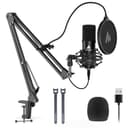 |
|---|---|---|
| Price | $40 | $46 |
| Rating | 4.0(112) | 4.4(15.5k) |
| Sample Rate | 48 kHz | 192 kHz |
| Bit Depth | 16 | 24 |
| Connection | XLR | USB |
| Polar Pattern | Cardioid | Cardioid |
| Model Number | PC-M6 | — |
| Freq. Response | 20Hz - 20kHz | 30Hz - 16kHz |
| Weight | — | 0.77 lbs |
Swipe horizontally to see all columns
Pros & Cons
Quick overview of strengths and weaknesses
Movo PC-M6 Universal
- Records 48kHz/16-bit audio.
- 20Hz-20kHz frequency range.
- Cardioid polar pattern.
- Includes shock mount.
- Requires external audio interface.
- Needs phantom power.
- Lacks direct USB computer connection.
MAONO USB Microphone,
- High resolution 192kHz/24bit audio capture.
- Cardioid pattern reduces background noise pickup.
- Includes boom arm, pop filter, and shock mount.
- Plug-and-play USB connection, no drivers needed.
- Phone connection requires separate OTG adapter.
- No headphone jack for real-time audio monitoring.
- Limited to a single cardioid polar pattern.
Frequently Asked Questions
Common questions about this comparison
Does the Movo PC-M6 require additional equipment to function?
Yes, the Movo PC-M6 connects via XLR and requires an audio interface with phantom power to connect to a computer and operate.
What is the main audio quality difference between these two microphones?
The MAONO AU-A04 records at 192kHz/24-bit, offering significantly higher detail and dynamic range compared to the Movo PC-M6's 48kHz/16-bit.
Can I use the MAONO AU-A04 with my phone?
The MAONO AU-A04 connects via USB, so a separate OTG (On-The-Go) adapter would be required to connect it to most smartphones.
Which microphone has a wider frequency response?
The Movo PC-M6 offers a wider frequency response from 20Hz to 20000Hz, while the Maono AU-A04 covers 30Hz to 16000Hz.
Do either of these microphones include a pop filter?
Yes, both the Movo PC-M6 and the MAONO AU-A04 include a pop filter to help reduce plosive sounds during recording.
Related Comparisons
Similar products people compare
Explore Other Categories
Popular comparisons across the site



Ask AI
Get instant answers about specs
Get the Deets
Ask our AI assistant
Ask Deets anything!