Our Verdict
FIFINE FIFINE USB/XLR Dynamic Microphone (Product A) Wins
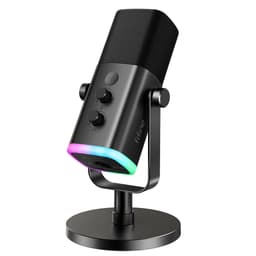
This microphone offers superior versatility with both USB and XLR connectivity, critical zero-latency monitoring, and convenient on-mic gain/mute controls for just $54.99. Its plug-and-play USB functionality provides a significantly easier setup for most users compared to Product B. Product B is the better pick for experienced users who already own an audio interface with phantom power and prioritize a slightly wider frequency response at a lower initial cost of $39.95.
Bottom Line: FIFINE FIFINE USB/XLR Dynamic Microphone (Product A) is the better choice. This microphone offers superior versatility with both USB and XLR connectivity, critical zero-latency monitoring, and convenient on-mic gain/mute controls for just $54.
In-Depth Analysis
How they compare in practice
The FIFINE AM8 (Product A) and Movo PC-M6 (Product B) cater to slightly different user bases, primarily distinguished by their connectivity and out-of-box functionality. The FIFINE AM8 shines with its dual USB/XLR connection, making it incredibly versatile. For new podcasters, gamers, or streamers, the USB option is a game-changer, allowing direct plug-and-play recording without needing additional interfaces. Coupled with zero-latency monitoring and on-mic gain control, Product A offers an all-in-one solution for immediate use, allowing users to hear their audio in real-time and make adjustments directly from the mic. The convenience of a tap-to-mute button further enhances its appeal for live applications.
Conversely, the Movo PC-M6 is an XLR-only condenser microphone, meaning it requires an external audio interface with phantom power to operate. While its initial price of $39.95 is lower than the FIFINE's $54.99, the total cost of ownership for Product B increases significantly once you factor in a necessary audio interface. The Movo boasts a wider frequency response of 20Hz-20kHz compared to the FIFINE's 50Hz-16kHz, potentially capturing a richer range of lows and highs. However, for most vocal applications like podcasting or streaming, the FIFINE's range is more than adequate, and its dynamic nature can be more forgiving in untreated rooms.
In terms of real-world use, the FIFINE AM8 offers immediate gratification and ease of setup, ideal for those seeking a streamlined experience. Its included desktop stand, while basic, gets you started instantly. The Movo PC-M6, despite needing more setup, appeals to audio enthusiasts who appreciate the finer control and potential for higher fidelity offered by a dedicated XLR setup. It also includes valuable accessories like a shock mount and pop filter, which reduce unwanted noise and plosives, enhancing audio quality in a more controlled environment. The trade-off is often between convenience and ultimate audio fidelity potential, with Product A leaning towards the former and Product B towards the latter, provided you have the supporting equipment.
Which to Pick for Your Situation
Concrete scenarios with a clear recommendation
For a beginner podcaster or streamer
FIFINEProduct A offers convenient USB connectivity, zero-latency monitoring, and on-mic controls, providing an easy plug-and-play setup without requiring extra gear.
For an experienced audio engineer with existing gear
MovoProduct B, with its XLR-only connection and 20Hz-20kHz frequency range, integrates seamlessly into a professional setup that already includes an audio interface and phantom power, prioritizing sound quality.
For a budget-conscious gamer needing instant setup
FIFINEAt $54.99, Product A provides an all-in-one solution with USB, a desktop stand, and RGB lighting, avoiding the additional cost of an audio interface required by Product B.
For capturing a wide range of vocal and instrumental sounds
MovoProduct B offers a broader frequency response from 20Hz to 20kHz, potentially capturing more nuanced highs and lows compared to Product A's 50Hz-16kHz range.
Who Should Buy Which?
Find the right product for your needs

Buy FIFINE if...
FIFINE USB/XLR Dynamic Microphone
The FIFINE AM8 (Product A) is the ideal choice for content creators, streamers, and gamers who are looking for a versatile, user-friendly microphone that offers excellent value right out of the box. This buyer prioritizes ease of setup and immediate functionality, making the dual USB/XLR connectivity a major selling point. They appreciate not needing to invest in additional equipment like an audio interface. The zero-latency monitoring via its headphone jack is crucial for them to hear themselves clearly and make real-time adjustments during live broadcasts or recordings. On-mic controls such as the gain knob and tap-to-mute button provide convenient, instant control over their audio without having to navigate software. The added RGB lighting is a fun aesthetic bonus that fits well into a gaming or streaming setup. While its frequency response of 50Hz-16kHz might not be as wide as some studio mics, it's perfectly adequate for clear vocal delivery, and the dynamic capsule is forgiving in acoustically untreated rooms. They're willing to pay $54.99 for a comprehensive, hassle-free microphone solution, foregoing the slightly wider frequency range of Product B for superior convenience.

Buy Movo if...
Movo PC-M6 Universal Cardioid
The Movo PC-M6 (Product B) is tailored for audio enthusiasts, seasoned podcasters, and musicians who already possess an audio interface with phantom power or are planning to acquire one. This buyer prioritizes raw sound quality potential and integration into a more professional audio chain over immediate plug-and-play convenience. They value the microphone's wider frequency response of 20Hz-20kHz, which allows for capturing a broader spectrum of sound, from deep bass to crisp highs, making it suitable for both vocals and potentially certain instruments. The included shock mount and pop filter are significant benefits, as they immediately contribute to cleaner recordings by reducing handling noise and plosives, demonstrating the buyer's focus on refining their audio input. While the $39.95 price tag is appealing, they understand that the XLR-only connection means an additional investment in an audio interface is necessary for full functionality. They're willing to forego the direct USB connectivity, on-mic controls, and zero-latency monitoring of Product A in favor of a more dedicated and potentially higher-fidelity XLR setup, which offers greater flexibility and control within a studio environment.
Spec Comparison
12 specs compared
| Specification |  | 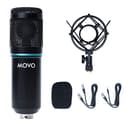 |
|---|---|---|
| Price | $57 | $40 |
| Rating | 4.6(9.6k) | 4.0(112) |
| Sample Rate | 48 kHz | 48 kHz |
| Bit Depth | — | 16 |
| Connection | USB/XLR | XLR |
| Polar Pattern | Cardioid | Cardioid |
| Zero-Latency | Yes | — |
| Weight | 1.32 lbs | — |
| Mute Button | Yes | — |
| Gain Control | Yes | — |
| Software | None | — |
| Headphone Out | Yes | — |
| Freq. Response | 50Hz - 16kHz | 20Hz - 20kHz |
| Model Number | — | PC-M6 |
Swipe horizontally to see all columns
Pros & Cons
Quick overview of strengths and weaknesses
FIFINE USB/XLR Dynamic
- USB and XLR connections offer setup versatility.
- Cardioid pattern minimizes off-axis sound pickup.
- Tap-to-mute button provides instant privacy control.
- Headphone jack allows real-time audio monitoring.
- RGB & USB functions inactive when using XLR.
- XLR connection requires separate cable.
- No dedicated software for advanced control.
Movo PC-M6 Universal
- Records 48kHz/16-bit audio.
- 20Hz-20kHz frequency range.
- Cardioid polar pattern.
- Includes shock mount.
- Requires external audio interface.
- Needs phantom power.
- Lacks direct USB computer connection.
Frequently Asked Questions
Common questions about this comparison
Does the FIFINE AM8 (Product A) require an audio interface?
No, the FIFINE AM8 offers a USB connection for direct plug-and-play use with computers. It also has an XLR output for professional setups, which would require an interface.
What is the primary connectivity for the Movo PC-M6 (Product B)?
The Movo PC-M6 connects via XLR only. This means it requires an external audio interface and phantom power to function, unlike microphones with direct USB connections.
Do both microphones offer real-time monitoring?
The FIFINE AM8 features a headphone output with zero-latency monitoring, allowing you to hear your audio in real-time. Product B does not explicitly list this feature.
What is the frequency response difference between the two mics?
The Movo PC-M6 (Product B) has a wider frequency response of 20Hz-20kHz. The FIFINE AM8 (Product A) offers a range of 50Hz-16kHz, which is suitable for most vocal applications.
Does Product A's RGB lighting work with the XLR connection?
No, the RGB lighting and other USB-specific functions (like the mute button) of the FIFINE AM8 are inactive when the microphone is used via its XLR connection.
Related Comparisons
Similar products people compare
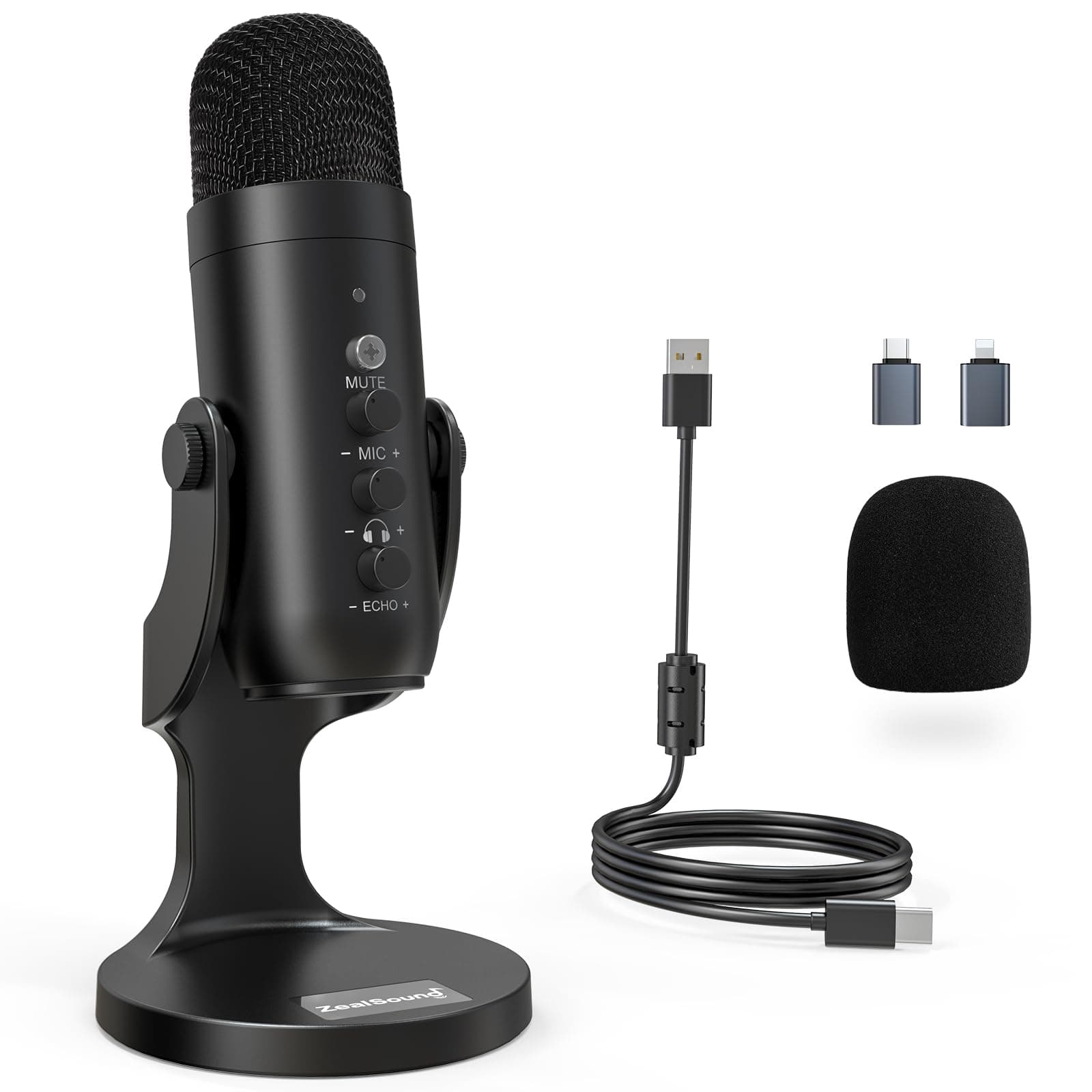
FIFINE vs ZealSound
$57 vs $35
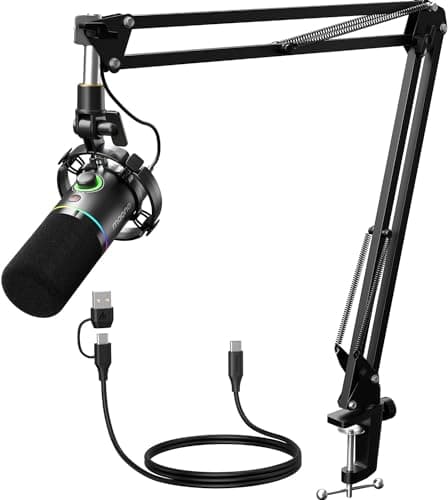
FIFINE vs MAONO
$57 vs $80
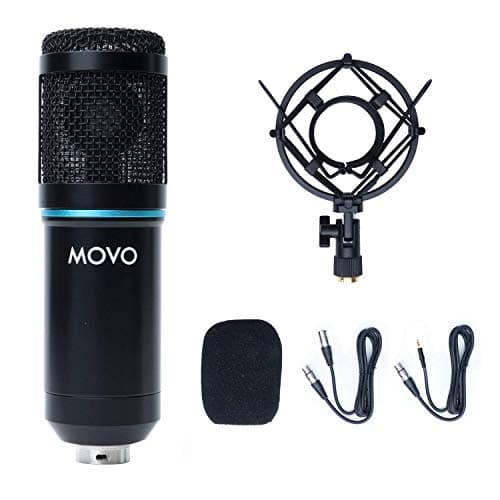
Movo vs ZealSound
$40 vs $35
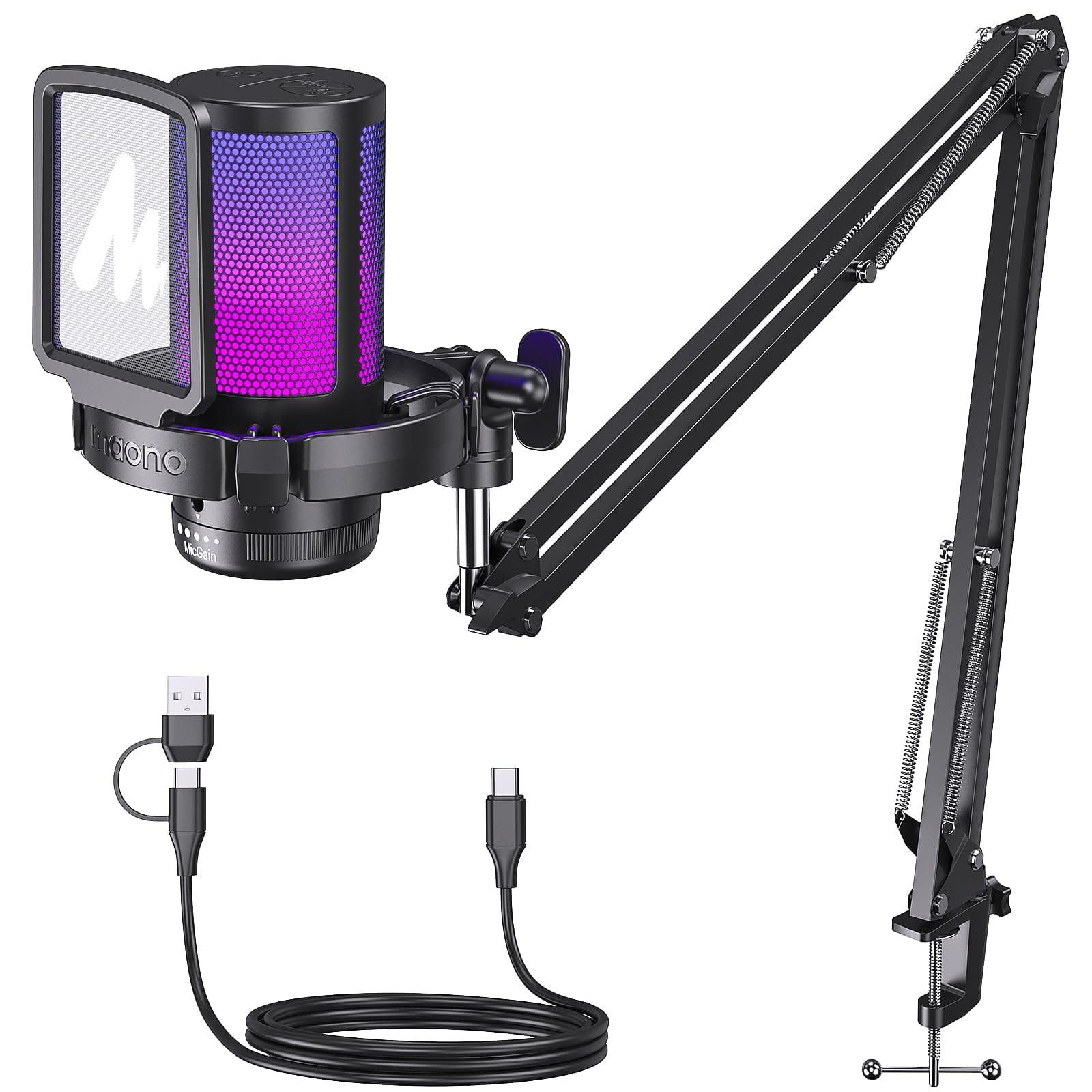
MAONO vs Movo
$42 vs $40
FIFINE vs FIFINE
$58 vs $57
Movo vs TONOR
$40 vs $32
FIFINE vs MAONO
$57 vs $42
Amazon Basics vs Movo
$25 vs $40
FIFINE vs Movo
$30 vs $40
FIFINE vs Movo
$58 vs $40
FIFINE vs Movo
$26 vs $40
Movo vs MAONO
$40 vs $46
Movo vs Razer
$40 vs $40
FIFINE vs Razer
$57 vs $40
AKG vs Movo
$40 vs $40
Explore Other Categories
Popular comparisons across the site



Ask AI
Get instant answers about specs
Get the Deets
Ask our AI assistant
Ask Deets anything!