Our Verdict
AKG Pro Audio Ara Wins
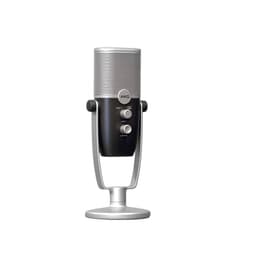
At nearly identical price points, the AKG Ara offers significantly superior audio capture with 24-bit/96kHz resolution compared to the Movo PC-M6's 16-bit/48kHz. Its multi-pattern polar pattern, zero-latency monitoring, and direct USB-C plug-and-play convenience make it vastly more versatile and user-friendly. The Movo PC-M6 is the better pick only for users who specifically need an XLR-only microphone to integrate into an existing professional audio interface setup, prioritizing traditional studio connectivity over modern convenience and higher built-in resolution.
Bottom Line: AKG Pro Audio Ara is the better choice. At nearly identical price points, the AKG Ara offers significantly superior audio capture with 24-bit/96kHz resolution compared to the Movo PC-M6's 16-bit/48kHz.
In-Depth Analysis
How they compare in practice
The AKG Pro Audio Ara and Movo PC-M6 both aim to serve the entry-level content creator market, yet they approach it from fundamentally different angles, leading to distinct real-world use experiences. The AKG Ara positions itself as a plug-and-play powerhouse, immediately offering a higher audio fidelity ceiling with its 24-bit/96kHz sample rate and bit depth, significantly surpassing the Movo PC-M6's 16-bit/48kHz. This means cleaner, more detailed recordings for podcasts, streams, and voiceovers right out of the box, without needing additional hardware. Crucially, its dual polar patterns (cardioid and omnidirectional) provide immense flexibility, allowing users to record solo voices or multiple subjects, a feature entirely absent from the Movo's fixed cardioid pattern. Furthermore, the AKG Ara’s built-in gain control, mute button, and zero-latency headphone monitoring greatly enhance the recording experience, giving users immediate control over their sound.
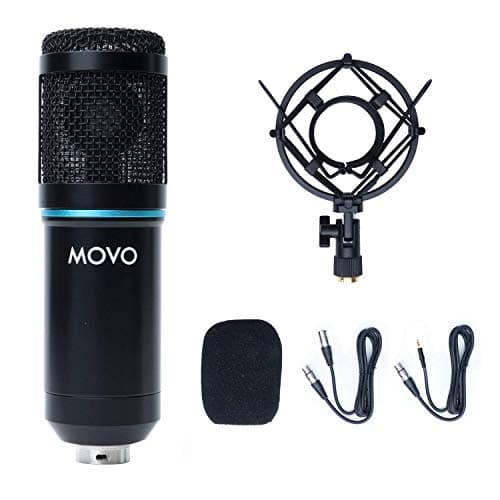
Conversely, the Movo PC-M6, despite its similar price, takes a more traditional, almost 'barebones' approach to professional audio. Its XLR connection requires an external audio interface with phantom power, adding significant cost and complexity for new users. While this XLR output offers a professional upgrade path for those already invested in such a setup, it removes the immediate plug-and-play convenience that many beginner content creators seek. The Movo does include useful accessories like a shock mount and windscreen, which the AKG Ara lacks, potentially saving some minor additional purchases. However, these accessories don't compensate for the Movo's lower audio resolution, lack of onboard controls, and single polar pattern, making it a niche choice for a very specific type of entry-level user: one who values the traditional XLR pathway above all else, even at the expense of convenience and audio specs. The AKG Ara offers a much stronger value proposition for the vast majority of new content creators, providing superior recording capabilities and ease of use in a single package.
Key Differences
The most significant spec differences at a glance
Sample Rate
100% moreBit Depth
50% moreAdvantages
Where each product wins

AKG
- Sample Rate: 100% higher (96.0 vs 48)
- Bit Depth: 50% higher (24 vs 16)
Which to Pick for Your Situation
Concrete scenarios with a clear recommendation
For a beginner podcaster needing an easy setup
AKGThe AKG Ara offers USB-C plug-and-play connectivity and includes zero-latency monitoring and gain control, making it incredibly user-friendly for those new to recording.
For multi-person interviews or group discussions
AKGWith its multi-pattern polar pattern, the AKG Ara can switch to omnidirectional to capture sound from all directions, ideal for group settings.
For an aspiring audio engineer building an XLR studio setup
MovoThe Movo PC-M6's XLR connection aligns with traditional studio equipment, allowing integration into existing audio interfaces and phantom power setups, offering a clear upgrade path.
For gaming and streaming directly to a PC
AKGThe AKG Ara's USB-C connection, 24-bit/96kHz audio, and zero-latency monitoring provide a high-quality, convenient experience without extra hardware for direct computer use.
Who Should Buy Which?
Find the right product for your needs

Buy AKG if...
AKG Pro Audio Ara
The AKG Pro Audio Ara is perfectly suited for modern content creators, streamers, podcasters, and musicians who prioritize ease of use, high-quality audio, and versatility without wanting to invest in complex audio interfaces. This buyer is likely a solo creator or someone who records with a small group in varied environments, appreciating the dual polar patterns for switching between solo voiceovers (cardioid) and multi-person interviews (omnidirectional). They value the convenience of a direct USB-C connection, allowing them to plug into a computer, tablet, or phone and start recording instantly. The 24-bit/96kHz sample rate and bit depth are crucial for them, ensuring crisp, professional-grade audio for their audience. Features like the built-in gain control, mute button, and zero-latency headphone monitoring streamline their workflow, providing immediate control over their sound. This user isn't looking for a traditional XLR setup but rather a compact, powerful, and adaptable solution that elevates their content with minimal fuss, making compromises on traditional XLR output something they don't need.

Buy Movo if...
Movo PC-M6 Universal Cardioid
The Movo PC-M6 is an ideal choice for the budget-conscious aspiring audio enthusiast or home studio owner who is already familiar with or committed to the traditional XLR microphone ecosystem. This buyer likely already owns an audio interface with phantom power, or is planning to purchase one, and sees the Movo as an affordable entry point into a more 'professional' setup. They prioritize the flexibility and upgradeability that an XLR connection offers, understanding that while it requires additional gear, it provides a standard that can be integrated with a wider range of studio equipment in the long run. The user for the PC-M6 is content with a fixed cardioid polar pattern, primarily focusing on single-source vocal recordings like solo podcasting, voiceovers, or instrument miking. While its 16-bit/48kHz audio resolution is lower than competing USB mics, it's acceptable for their needs, especially given the bundled shock mount and windscreen. They are willing to trade the immediate plug-and-play convenience and higher native audio specs of a USB microphone for the foundational principles of an XLR-based audio chain.
Spec Comparison
10 specs compared
| Specification |  |  |
|---|---|---|
| Price | $40 | $40 |
| Rating | 4.5(259) | 4.0(112) |
| Sample Rate | 96 kHz | 48 kHz |
| Bit Depth | 24 | 16 |
| Connection | USB | XLR |
| Polar Pattern | multi-pattern | Cardioid |
| Zero-Latency | Yes | — |
| Mute Button | Yes | — |
| Gain Control | Yes | — |
| Model Number | AKG-C22-USB | PC-M6 |
| Headphone Out | Yes | — |
| Freq. Response | — | 20Hz - 20kHz |
Swipe horizontally to see all columns
Pros & Cons
Quick overview of strengths and weaknesses
AKG Pro Audio
- 24-bit/96kHz high-resolution audio capture.
- Dual polar patterns for diverse recording use.
- USB-C plug-and-play for multi-OS compatibility.
- Zero-latency monitoring, gain control, and mute.
- Integrated USB interface limits system upgradeability.
- Lacks XLR output for traditional pro audio gear.
Movo PC-M6 Universal
- Records 48kHz/16-bit audio.
- 20Hz-20kHz frequency range.
- Cardioid polar pattern.
- Includes shock mount.
- Requires external audio interface.
- Needs phantom power.
- Lacks direct USB computer connection.
Frequently Asked Questions
Common questions about this comparison
Does the AKG Ara require additional equipment to work?
No, the AKG Ara is a plug-and-play USB-C microphone, compatible with most operating systems. It includes zero-latency monitoring and gain control, so no external audio interface is needed to start recording.
What is the audio quality difference between the two microphones?
The AKG Ara captures audio at 24-bit/96kHz, offering higher resolution and fidelity. The Movo PC-M6 records at 16-bit/48kHz, which is standard CD quality but less detailed than the Ara.
Can the Movo PC-M6 connect directly to a computer via USB?
No, the Movo PC-M6 uses an XLR connection, requiring an external audio interface with phantom power to connect to a computer. It does not have a direct USB output.
Which microphone is better for recording multiple people in a room?
The AKG Ara is better for recording multiple people due to its multi-pattern polar pattern, which includes an omnidirectional mode to capture sound from all around the microphone.
Do either microphones include a shock mount or windscreen?
The Movo PC-M6 includes both a shock mount and a windscreen in its package. The AKG Ara does not specify these accessories as included.
Related Comparisons
Similar products people compare
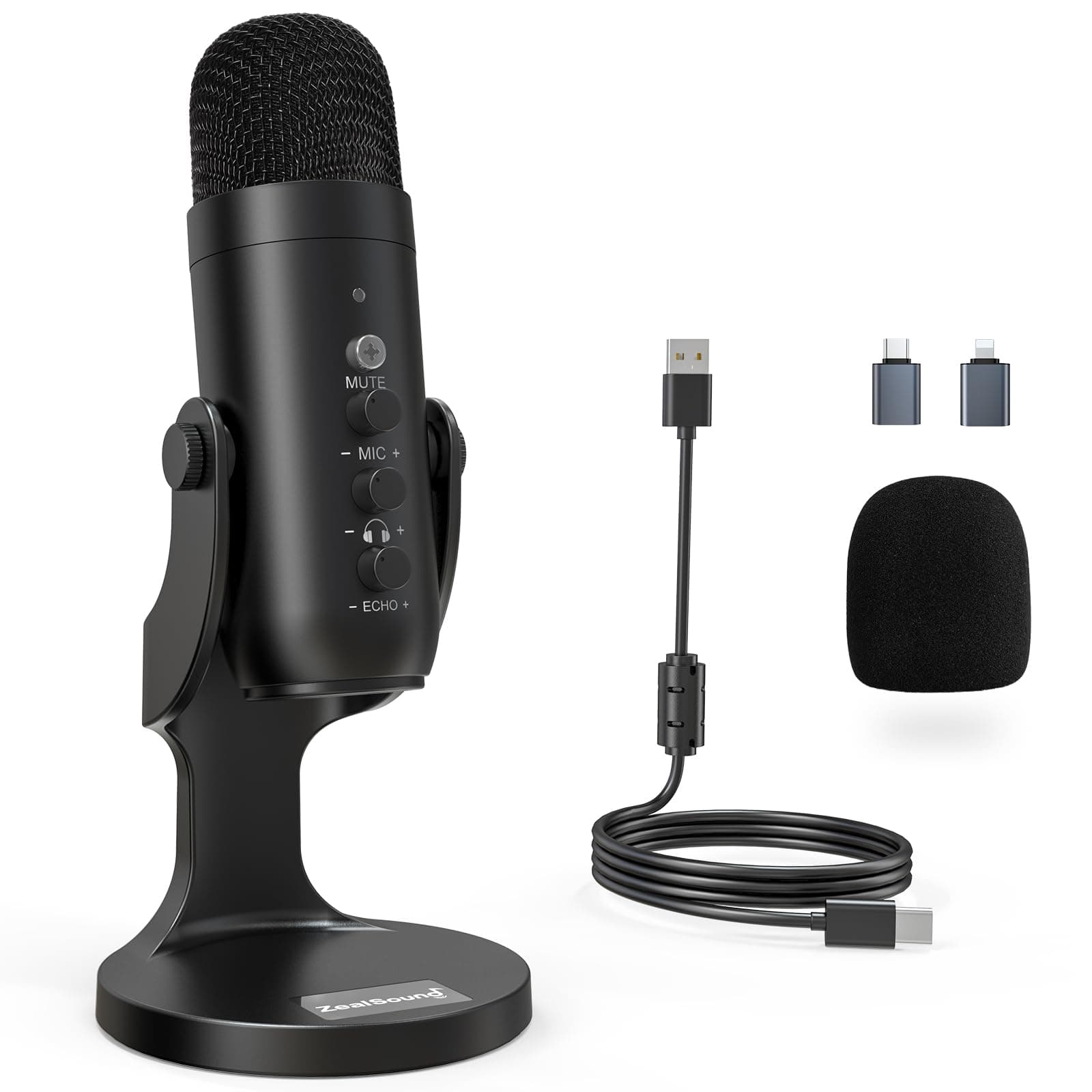
Movo vs ZealSound
$40 vs $35
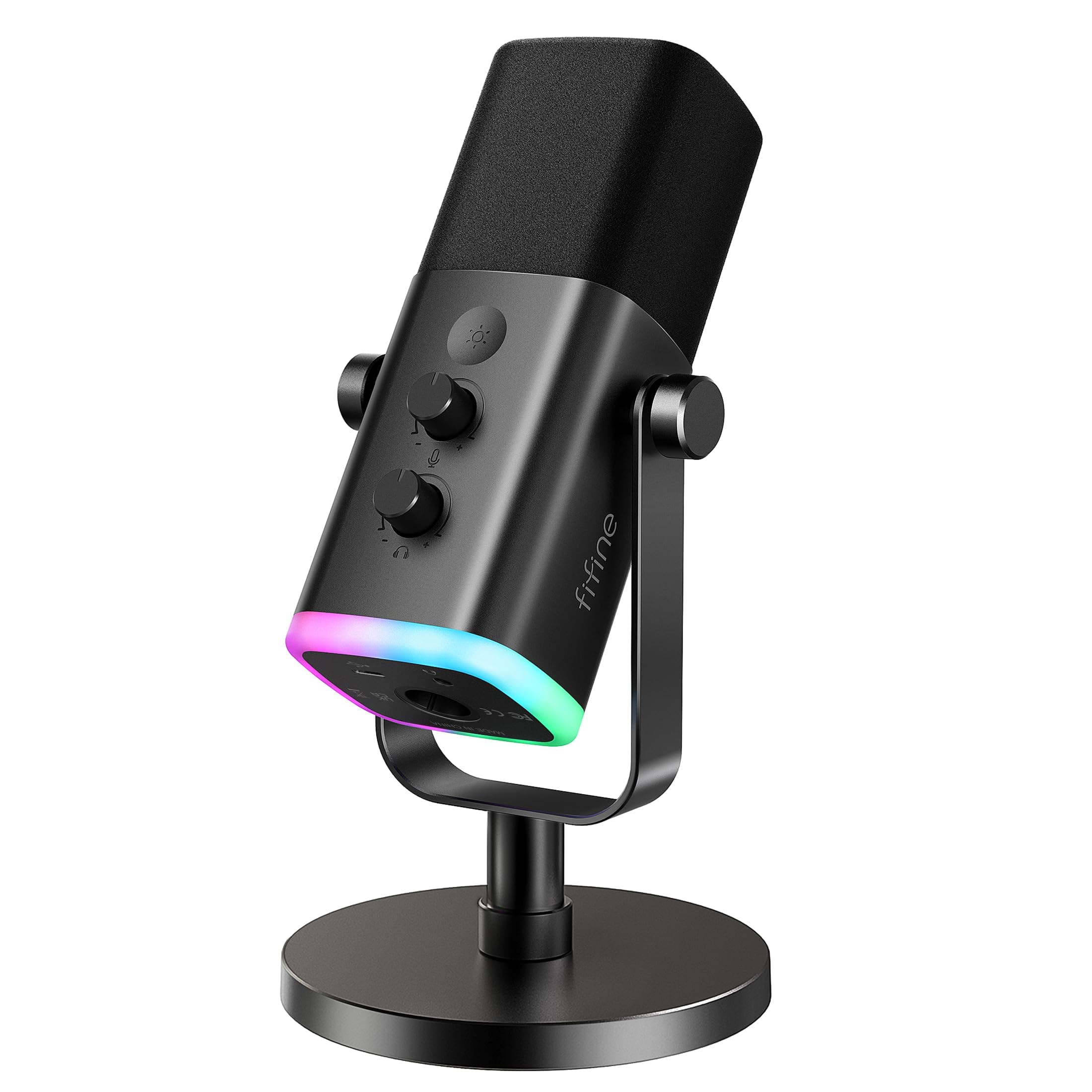
FIFINE vs Movo
$57 vs $40
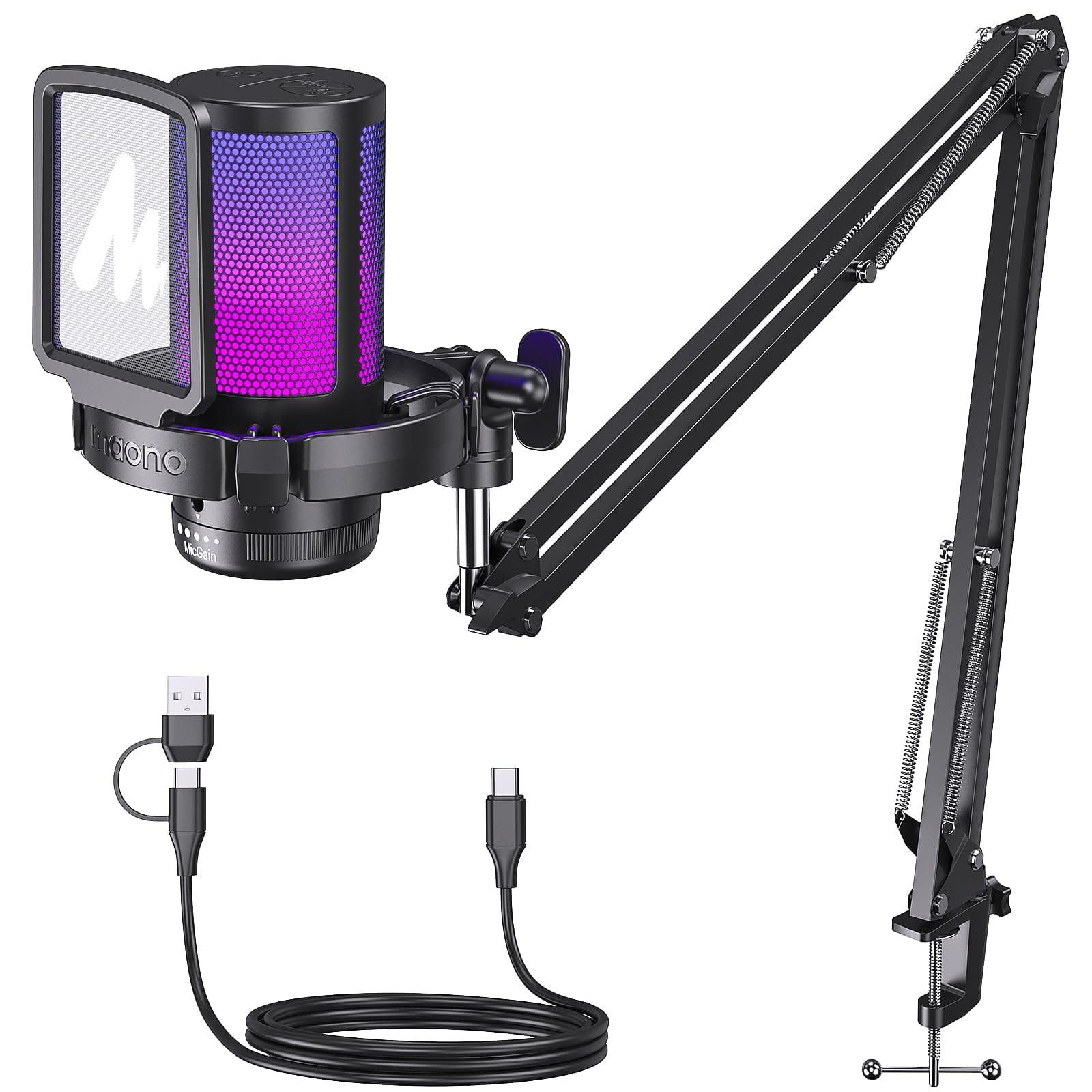
MAONO vs Movo
$42 vs $40
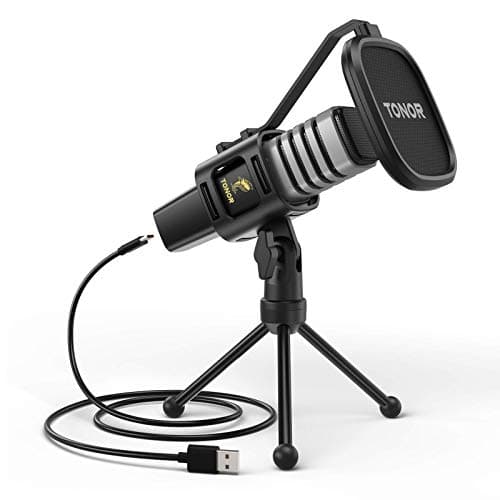
Movo vs TONOR
$40 vs $32
Amazon Basics vs Movo
$25 vs $40
FIFINE vs Movo
$30 vs $40
AKG vs FIFINE
$40 vs $58
FIFINE vs Movo
$58 vs $40
FIFINE vs Movo
$26 vs $40
Movo vs MAONO
$40 vs $46
Movo vs Razer
$40 vs $40
AKG vs MAONO
$40 vs $42
AKG vs TONOR
$40 vs $32
AKG vs ZealSound
$40 vs $35
AKG vs FIFINE
$40 vs $57
Explore Other Categories
Popular comparisons across the site




Ask AI
Get instant answers about specs
Get the Deets
Ask our AI assistant
Ask Deets anything!