Our Verdict
ZeroKor Portable Power Station 300W Wins
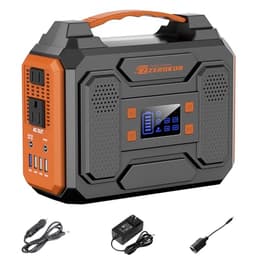
It offers a higher 280Wh capacity for a lower price of $129.99, while being significantly lighter at 5.0 lbs, making it superior for immediate runtime and portability. The 300W AC output is identical across both units, making capacity and price key differentiators for many users. The VTOMAN is the better pick for users prioritizing long-term battery health and modern device charging, thanks to its LiFePO4 chemistry with 3000 cycles and 100W USB-C PD port.
Bottom Line: ZeroKor Portable Power Station 300W is the better choice. It offers a higher 280Wh capacity for a lower price of $129.
In-Depth Analysis
How they compare in practice
These two portable power stations, the ZeroKor R200 and VTOMAN FlashSpeed 300, cater to slightly different user priorities despite their similar 300W AC output. The most significant divergence lies in their battery chemistry and associated implications. The ZeroKor R200 utilizes a standard Li-ion battery, offering a higher 280Wh capacity for its $129.99 price point. This translates to slightly longer runtimes for small electronics, making it a compelling option for casual users who need more immediate power on a single outing without breaking the bank. Its featherlight 5.0 lbs design also makes it exceptionally portable for day trips or quick transitions. In contrast, the VTOMAN FlashSpeed 300 features a more advanced LiFePO4 battery, boasting an impressive 3000 life cycles. This chemistry inherently provides greater longevity and thermal stability, meaning the VTOMAN will likely last many years longer under frequent use compared to the ZeroKor's Li-ion. While its 230Wh capacity is lower and its $139.99 price slightly higher, the investment is in long-term durability and reliability. The VTOMAN also includes a crucial 100W USB-C PD port, a feature absent on the ZeroKor R200. This allows for rapid charging of modern laptops, tablets, and smartphones, making it far more versatile for users with contemporary tech needs. For real-world use, the ZeroKor shines when portability and immediate capacity are paramount. Imagine a family picnic where you need to power a small fan, charge a few phones, and perhaps a Bluetooth speaker. Its lighter weight means less strain carrying it, and the 280Wh capacity will comfortably handle these tasks for hours. The 4 USB-A ports, including QC3.0, are sufficient for most older devices. The VTOMAN, despite being heavier at 7.4 lbs, offers a different kind of reassurance. Its LiFePO4 battery system is ideal for those who plan to use their power station frequently, perhaps daily for off-grid living, extended camping trips, or as a reliable home backup for essential electronics during outages. The 100W USB-C PD port is a game-changer for digital nomads or remote workers needing to keep their laptops powered on the go, a capability the ZeroKor simply cannot match. The trade-off is slightly less raw capacity and a higher initial cost, but this is offset by superior durability and modern charging options.
Key Differences
The most significant spec differences at a glance
Battery Capacity
22% moreUSB-A Ports
33% moreWeight
32% lessAdvantages
Where each product wins

ZeroKor
- Battery Capacity: 22% higher (280.0 vs 230.0)
- USB-A Ports: 33% higher (4 vs 3)
- Weight: 32% lower (5.0 vs 7.4)
Which to Pick for Your Situation
Concrete scenarios with a clear recommendation
For maximum power runtime on a single outdoor trip
ZeroKorThe ZeroKor offers a higher 280Wh capacity compared to the VTOMAN's 230Wh, providing more usable power for longer.
For frequent, long-term daily use or off-grid living
VTOMANThe VTOMAN's LiFePO4 battery chemistry boasts 3000 charge cycles, ensuring significantly greater longevity and durability than ZeroKor's Li-ion.
For charging a modern laptop and phone quickly
VTOMANThe VTOMAN features a 100W USB-C PD port, ideal for fast-charging laptops and contemporary smartphones, which the ZeroKor lacks.
For ultimate portability and budget-conscious users
ZeroKorAt $129.99 and just 5.0 lbs, the ZeroKor is more affordable and substantially lighter, making it easier to carry for casual use.
Who Should Buy Which?
Find the right product for your needs

Buy ZeroKor if...
Portable Power Station 300W
The ideal buyer for the ZeroKor Portable Power Station 300W is someone who prioritizes immediate power capacity and lightweight portability for occasional use, all within a tight budget. This person might be a casual camper, a day-tripper, or someone needing a reliable backup for small electronics during short power outages at home. Their primary needs involve powering smartphones, tablets, small lights, or a mini-fan for several hours. They appreciate the ZeroKor’s generous 280Wh capacity, which provides ample juice for a weekend outing without needing a recharge. The exceptionally light 5.0 lbs design is a huge draw, as it minimizes effort when carrying it to a picnic, beach, or festival. For them, the $129.99 price point is highly attractive, delivering excellent value for the capacity offered. They are likely not using the power station daily and therefore don't require the extreme longevity of LiFePO4 chemistry. They are content with the 4 USB-A ports, including QC3.0, for their existing devices and do not have a pressing need for advanced USB-C Power Delivery for high-wattage laptops. They understand that while the AC output is 300W, it's sufficient for their low-to-medium power needs.

Buy VTOMAN if...
VTOMAN FlashSpeed 300 Portable
The VTOMAN FlashSpeed 300 is perfectly suited for the discerning user who values long-term durability, modern fast-charging capabilities, and overall battery reliability over raw capacity or the absolute lowest price. This buyer is likely someone who frequently ventures off-grid, such as an avid camper, RV enthusiast, or someone setting up a more permanent remote workstation. They might also be looking for a robust home backup solution for essential devices that can withstand many years of charge and discharge cycles. Their needs extend to powering contemporary gadgets, especially laptops and fast-charging smartphones, making the dedicated 100W USB-C PD port a critical feature. The VTOMAN’s LiFePO4 battery chemistry, with its impressive 3000 life cycles, is a significant selling point for this user, assuring them of a sound investment that will perform reliably for a decade or more. While its 230Wh capacity is slightly lower than some competitors and its 7.4 lbs weight is a bit heavier, these trade-offs are acceptable for the peace of mind that comes with superior battery longevity and efficient charging. They recognize that paying an extra $10 for these advanced features provides substantial long-term value and convenience.
Spec Comparison
11 specs compared
| Specification |  |  |
|---|---|---|
| Price | $130 | $140 |
| Rating | 4.3(1.4k) | 4.4(816) |
| Capacity Wh | 280W | 230W |
| Chemistry | Li-ion | LiFePO4 |
| AC Output Watts | 300W | 300W |
| Dc Ports | 1 | 1 |
| AC Outlets | 2 | 2 |
| Weight | 5 lbs | 7.4 lbs |
| USB A Ports | 4 | 3 |
| Model Number | R200 | PB-82 |
| Cycle Life | — | 3000 |
| USB C Ports | — | 1 |
| Charge Time Hours | — | 2.5 hrs |
Swipe horizontally to see all columns
Pros & Cons
Quick overview of strengths and weaknesses
ZeroKor Portable Power
- 300W pure sine wave AC output for sensitive devices.
- 280Wh capacity suitable for small electronics.
- Multiple ports: 2 AC, 1 DC, 4 USB, QC3.0.
- Lightweight 5lbs design enhances portability.
- 300W AC output limit restricts high-power appliances.
- Solar panel for charging must be purchased separately.
- Requires regular recharging; not for long-term storage.
- AC output requires manual activation/deactivation.
VTOMAN FlashSpeed 300
- LiFePO4 battery offers 3000 charge cycles
- 7.4 lbs unit weight ensures easy transport
- 100W USB-C PD input/output supports laptops
- 7 simultaneous outputs for multiple devices
- 300W AC output limits power for heavier loads
- 230Wh capacity offers limited runtime
- Only one 100W USB-C port
Frequently Asked Questions
Common questions about this comparison
Which power station offers better long-term battery life?
The VTOMAN FlashSpeed 300 uses a LiFePO4 battery with 3000 charge cycles, providing significantly greater longevity and durability compared to the ZeroKor's standard Li-ion chemistry.
Can either unit charge a laptop quickly?
Both offer 300W AC output for laptops. However, the VTOMAN also provides a 100W USB-C PD port, which is much faster and more efficient for modern laptop charging than traditional AC adapters.
What's the main difference in portability?
The ZeroKor R200 is notably lighter at 5.0 lbs, enhancing ease of transport for short trips. The VTOMAN FlashSpeed 300 weighs 7.4 lbs, making it slightly heavier but still manageable.
Which has more power capacity for extended use?
The ZeroKor R200 has a slightly higher 280Wh capacity, offering more raw runtime. The VTOMAN FlashSpeed 300 provides 230Wh, a bit less, but with a more durable battery.
How fast do these power stations recharge?
The VTOMAN FlashSpeed 300 can fully recharge in 2.5 hours. Specific recharge time for the ZeroKor R200 is not provided, but it supports AC, car, and solar charging.
Related Comparisons
Similar products people compare
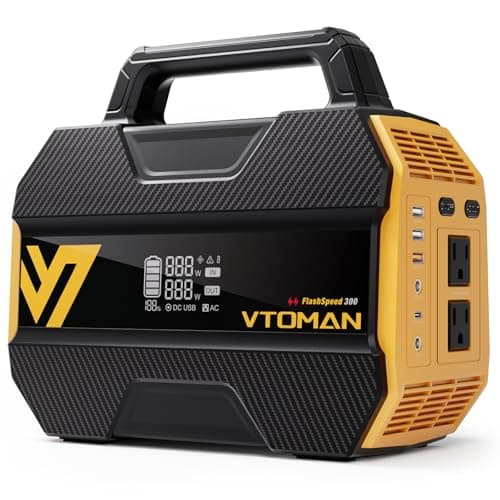
SinKeu vs VTOMAN
$103 vs $140
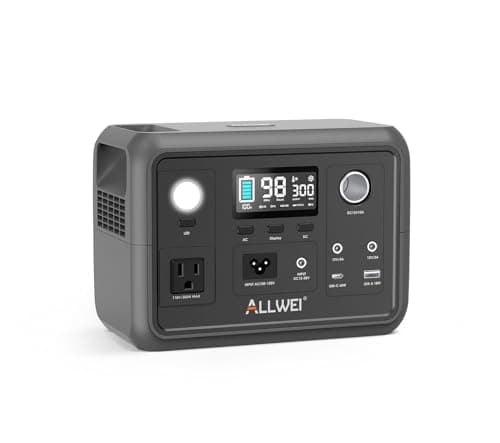
ALLWEI vs VTOMAN
$129 vs $140
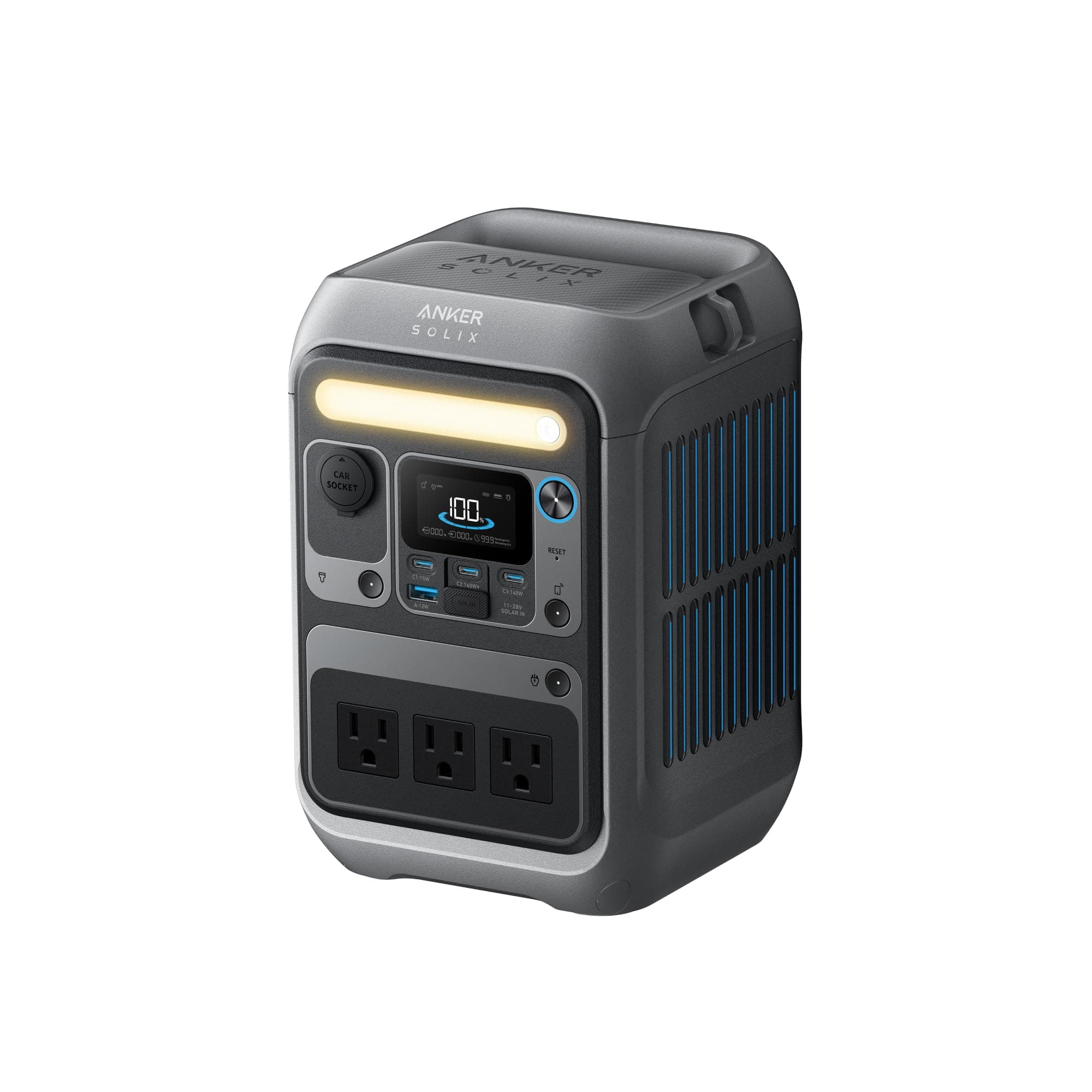
Anker vs VTOMAN
$250 vs $140
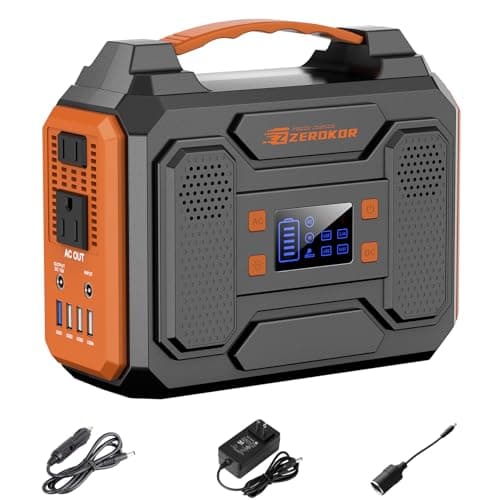
ALLWEI vs ZeroKor
$129 vs $130
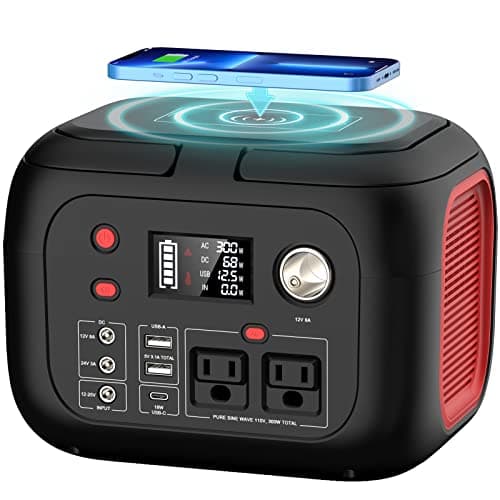
ENOFLO vs VTOMAN
$120 vs $140
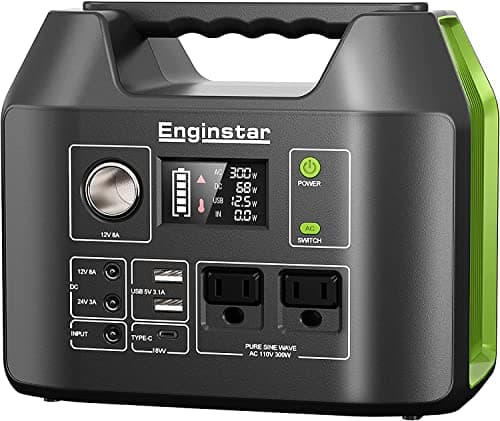
EnginStar vs ZeroKor
$130 vs $130
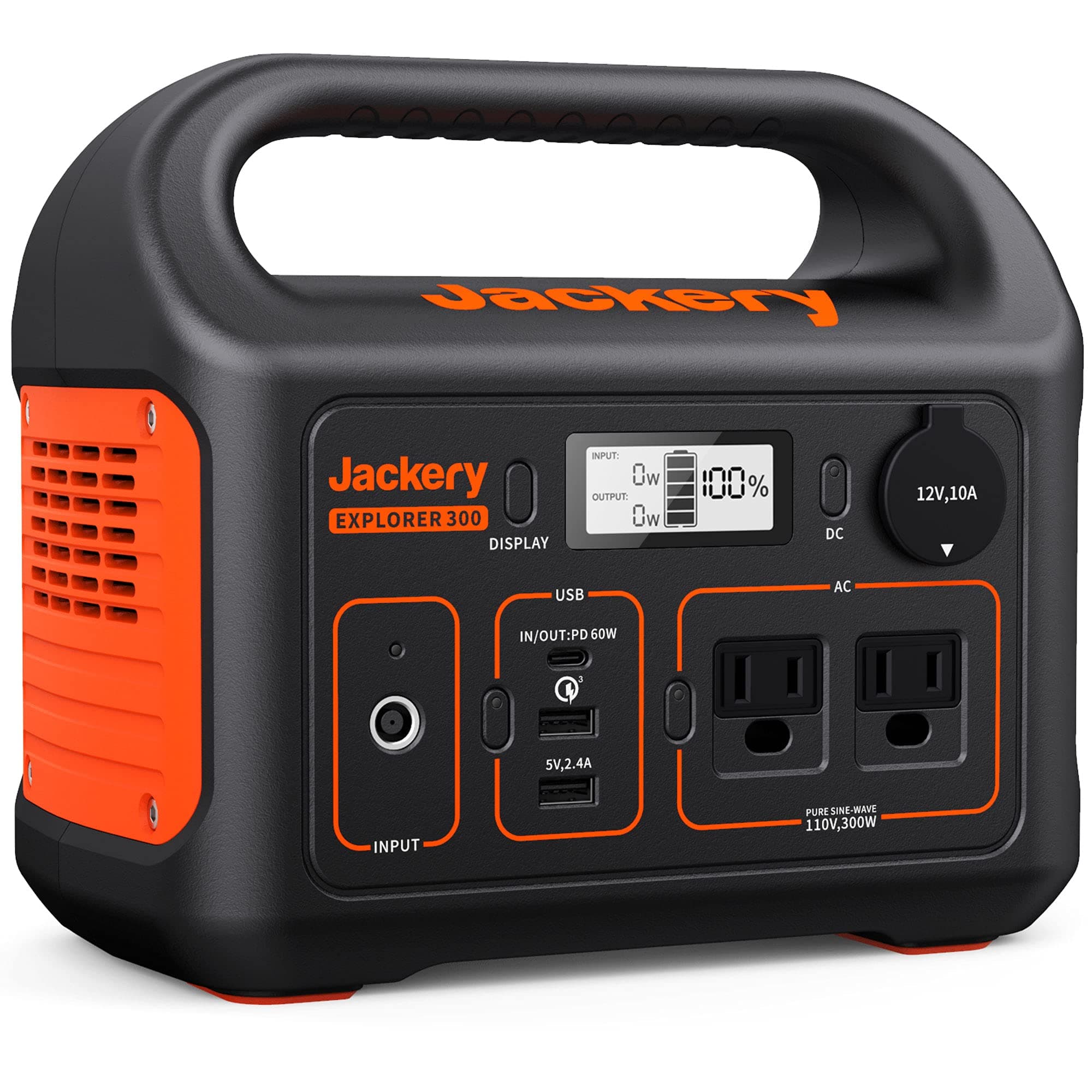
Jackery vs ZeroKor
$229 vs $130
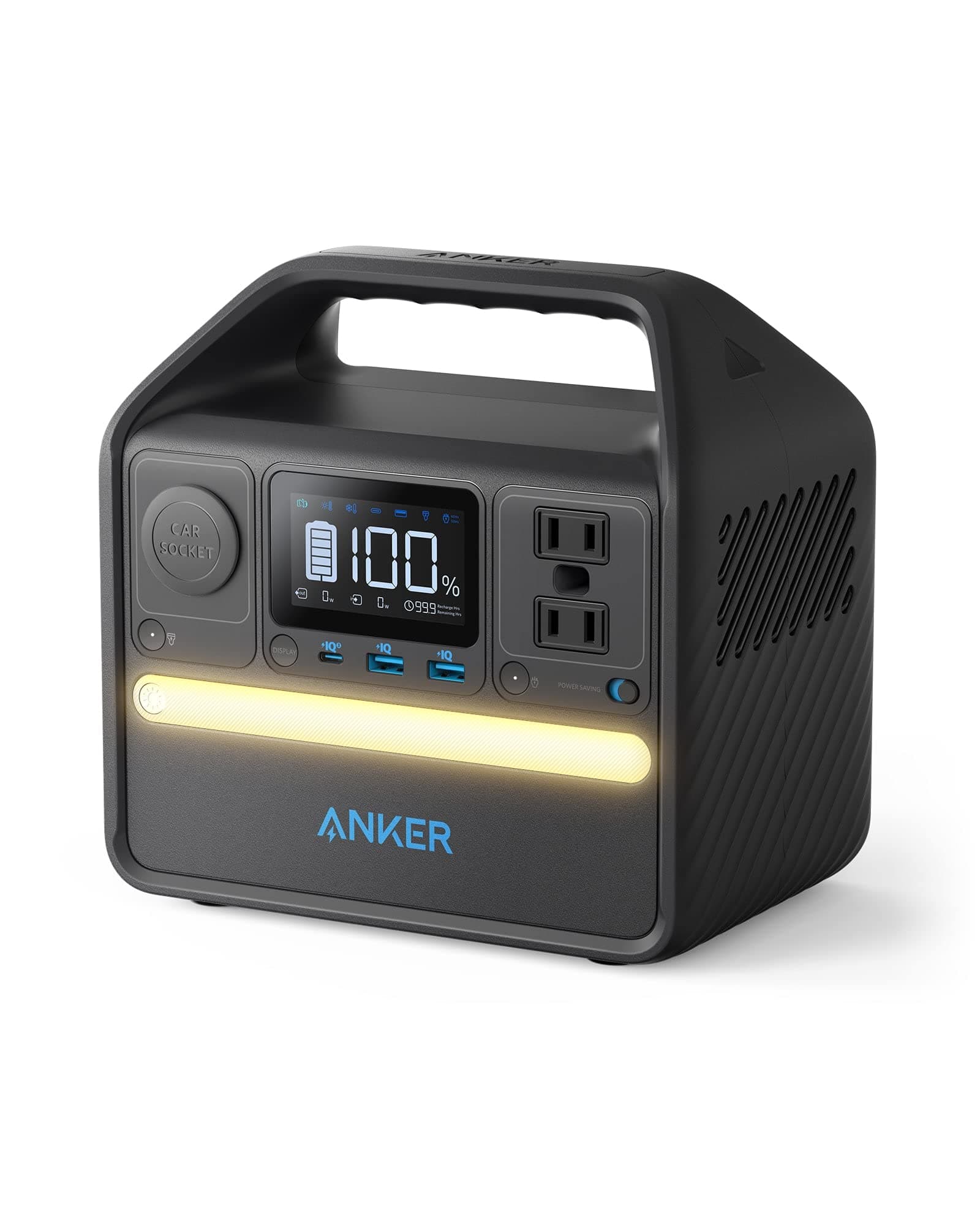
Anker vs VTOMAN
$150 vs $140
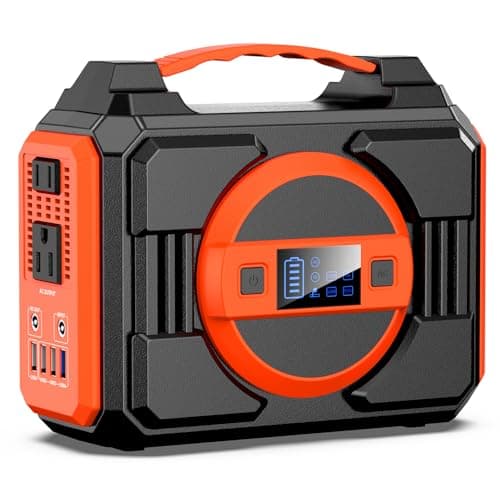
ZeroKor vs Apowking
$130 vs $100
Apowking vs VTOMAN
$100 vs $140
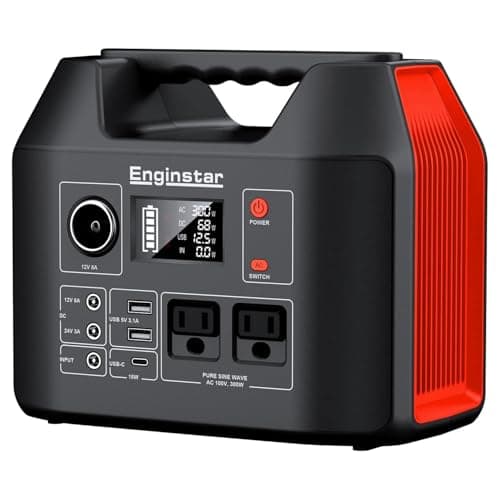
EnginStar vs ZeroKor
$130 vs $130
EnginStar vs VTOMAN
$130 vs $140
Jackery vs VTOMAN
$229 vs $140
ENOFLO vs ZeroKor
$120 vs $130
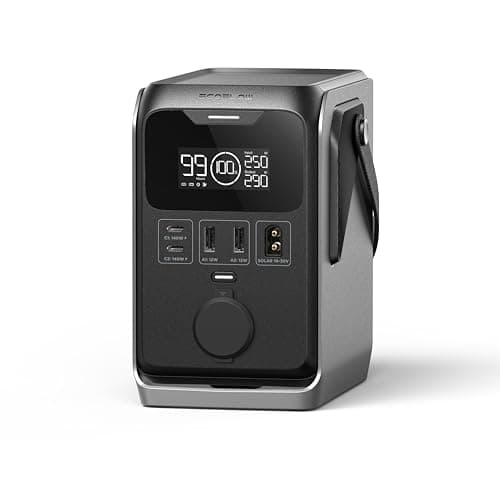
EF ECOFLOW vs VTOMAN
$147 vs $140
Explore Other Categories
Popular comparisons across the site


Ask AI
Get instant answers about specs
Get the Deets
Ask our AI assistant
Ask Deets anything!