Our Verdict
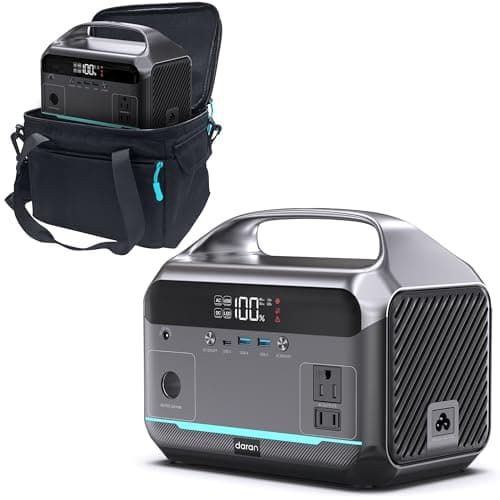
DARAN DARAN Portable Power Station (Product A) Wins
Priced identically, Product A offers superior LiFePO4 battery chemistry for enhanced longevity, a significantly faster 2.1-hour recharge time compared to Product B's 7 hours, and a higher 350W AC output (600W peak) versus Product B's 300W. While Product B has a slightly larger 296Wh capacity versus Product A's 288Wh, this difference is minor. Product B is the better pick if a slightly larger capacity is paramount and rapid recharging is not a high priority.
Bottom Line: DARAN DARAN Portable Power Station (Product A) is the better choice. Priced identically, Product A offers superior LiFePO4 battery chemistry for enhanced longevity, a significantly faster 2.
In-Depth Analysis
How they compare in practice
When comparing these two budget-friendly portable power stations, the DARAN DARAN NEO350 and the EnginStar R300, several key differences emerge that impact real-world usability and long-term value. Despite their identical price point of $129.99, the DARAN DARAN (Product A) pulls ahead in crucial areas, largely due to its advanced battery chemistry and rapid charging capabilities.
The most significant advantage for the DARAN DARAN is its LiFePO4 battery chemistry, compared to the EnginStar's standard Lithium (likely NMC). LiFePO4 batteries are renowned for their much longer cycle life and enhanced safety, meaning the DARAN DARAN is built to last significantly more charge cycles than its competitor, providing better long-term reliability for frequent users. Complementing this is its astonishingly fast 2.1-hour charge time to full, dwarfing the EnginStar's lengthy 7-hour recharge. This difference dramatically impacts convenience, allowing the DARAN DARAN to be ready for use much quicker after depletion.
In terms of power output, the DARAN DARAN also offers a slightly higher sustained AC output of 350W, with a 600W peak, allowing it to comfortably power a broader range of small appliances compared to the EnginStar's 300W. While the EnginStar boasts a marginally larger 296Wh capacity compared to the DARAN DARAN's 288Wh, this 8Wh difference is practically negligible for most common use cases, translating to only a few extra minutes of runtime for small devices. The EnginStar does offer an explicit '1000 charge cycles' rating, which is respectable for a lithium battery, but generally, LiFePO4 inherently surpasses this in longevity.
Both units offer a similar array of output ports, including AC, USB-A, and USB-C, ensuring versatility for charging multiple devices. However, the DARAN DARAN's superior battery chemistry, faster recharging, and higher AC output for the same price make it a more compelling package for most users seeking a reliable and quick-to-ready power source. The EnginStar's primary appeal lies in its slightly larger advertised capacity and perhaps the inclusion of car charging, though its slow recharge time remains a significant drawback.
Key Differences
The most significant spec differences at a glance
Battery Capacity
3% lessAC Output
17% moreCharge Time
70% lessDc Ports
67% lessAdvantages
Where each product wins

DARAN
- AC Output: 17% higher (350.0 vs 300)
- Charge Time: 70% lower (2.1 vs 7)

EnginStar
- Battery Capacity: 3% higher (288.0 vs 296)
- Dc Ports: 67% higher (1 vs 3)
Which to Pick for Your Situation
Concrete scenarios with a clear recommendation
For rapid emergency power during a blackout
DARANThe DARAN DARAN (Product A) recharges fully in just 2.1 hours, significantly faster than Product B's 7 hours, ensuring quicker readiness.
For powering small appliances like a mini-fridge or fan
DARANProduct A provides a higher continuous AC output of 350W (600W peak), compared to Product B's 300W, offering more headroom for demanding devices.
For long-term reliability and frequent use
DARANThe DARAN DARAN (Product A) utilizes LiFePO4 battery chemistry, known for its superior cycle life and durability over standard lithium batteries, making it ideal for regular usage.
When maximum slight capacity is the priority
EnginStarThe EnginStar (Product B) offers a slightly larger 296Wh capacity, marginally surpassing Product A's 288Wh for extended runtime.
Who Should Buy Which?
Find the right product for your needs

Buy DARAN if...
DARAN Portable Power Station,
The DARAN DARAN Portable Power Station (Product A) is the ideal choice for individuals who prioritize rapid recharging, robust battery longevity, and slightly higher power output without compromising on budget. This user might be a frequent camper needing quick turnarounds between charging sessions, someone preparing for potential home power outages where fast recovery is crucial, or a remote worker who relies on dependable power for laptops and small electronics. The 2.1-hour fast charging time ensures minimal downtime, a significant advantage for those with urgent power needs. Its LiFePO4 battery chemistry guarantees a superior cycle life, making it a sound long-term investment for consistent use. The 350W AC output with a 600W peak offers versatility for powering a wider range of essential devices. This buyer understands the value of premium battery technology and convenience at an accessible $129.99 price point, willingly forgoing the negligible 8Wh capacity difference found in the alternative.

Buy EnginStar if...
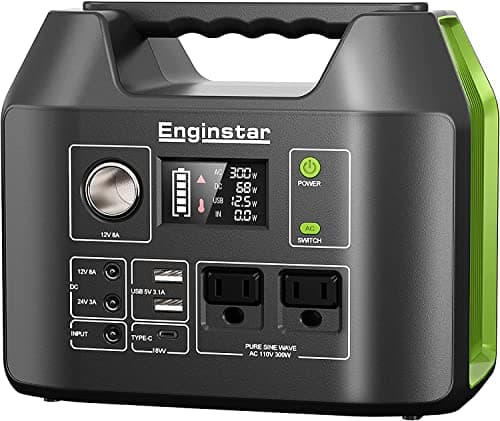
EnginStar Solar Generator, 300W
The EnginStar Solar Generator (Product B) is best suited for the budget-conscious user whose primary need is a reliable, entry-level portable power source with a respectable total capacity, and for whom charging speed is not the absolute top priority. This buyer could be an occasional camper, a tailgater, or someone seeking a basic backup power solution for minor home blackouts, where a slightly larger 296Wh capacity might offer peace of mind. They appreciate the explicit 1000 charge cycle rating, indicating a decent lifespan for its standard lithium battery, and value the versatility of its three DC ports. While its 7-hour charge time is considerably slower than Product A, this buyer typically plans ahead or has ample time for the unit to replenish. They are content with a 300W AC output for their smaller devices and are comfortable making a trade-off on charging speed and the inherent longevity of LiFePO4 in exchange for the EnginStar’s specific features and overall value proposition at $129.99.
Spec Comparison
12 specs compared
| Specification |  |  |
|---|---|---|
| Price | $130 | $130 |
| Rating | 4.4(752) | 4.3(1.4k) |
| Capacity Wh | 288W | 296W |
| Chemistry | LiFePO4 | Lithium |
| AC Output Watts | 350W | 300W |
| Dc Ports | 1 | 3 |
| AC Outlets | 2 | 2 |
| Weight | 8.2 lbs | — |
| USB A Ports | 2 | 2 |
| USB C Ports | 1 | 1 |
| Model Number | NEO350 | R300 |
| Charge Time Hours | 2.1 hrs | 7 hrs |
| Peak Output Watts | 600W | — |
| Cycle Life | — | 1000 |
Swipe horizontally to see all columns
Pros & Cons
Quick overview of strengths and weaknesses
DARAN Portable Power
- 288Wh LiFePO4 battery offers long cycle life.
- 350W AC output handles common small devices.
- 7 output ports allow simultaneous device charging.
- Recharges fully in 2.1 hours via wall outlet.
- 288Wh capacity is limited for extended use.
- 350W AC output cannot power larger appliances.
- Solar panels and car charging cable are sold separately.
EnginStar Solar Generator,
- Delivers 300W AC power with 296Wh battery capacity.
- Two 110V pure sine wave AC outlets.
- Recharges via AC, car, or 12-25V solar input.
- Rated for 1000 charge cycles.
- Limited to devices under 300W total output.
- 7-hour recharge time using AC wall adapter.
- Solar panel requires separate purchase.
Frequently Asked Questions
Common questions about this comparison
What is the primary difference in battery chemistry?
Product A uses LiFePO4, known for longer cycle life and safety. Product B uses standard Lithium, rated for 1000 cycles, generally good but less durable than LiFePO4 over time.
How quickly can these power stations be recharged?
The DARAN DARAN (Product A) recharges fully in a rapid 2.1 hours. The EnginStar (Product B) takes approximately 7 hours to fully recharge via an AC wall adapter.
Can either unit power a small space heater?
No. Product A has a 350W output (600W peak) and Product B has 300W. Small space heaters typically require 750W or more, exceeding both units' capabilities.
Are solar panels included with either purchase?
No, for both the DARAN DARAN NEO350 and the EnginStar R300, solar panels are sold separately. Car charging cable is also separate for Product A.
Which unit is lighter for portability?
The DARAN DARAN (Product A) weighs 8.2 lbs, making it easily transportable. The EnginStar (Product B) does not specify its exact weight, but is expected to be similar.
Related Comparisons
Similar products people compare
EnginStar vs ZeroKor
$130 vs $130
Anker vs EnginStar
$300 vs $130
EnginStar vs GRECELL
$130 vs $120
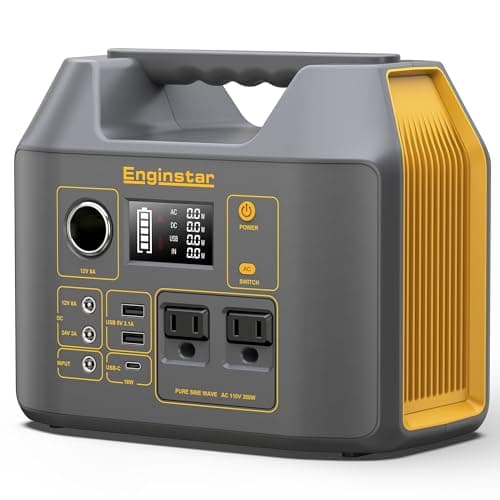
EnginStar vs EnginStar
$111 vs $130
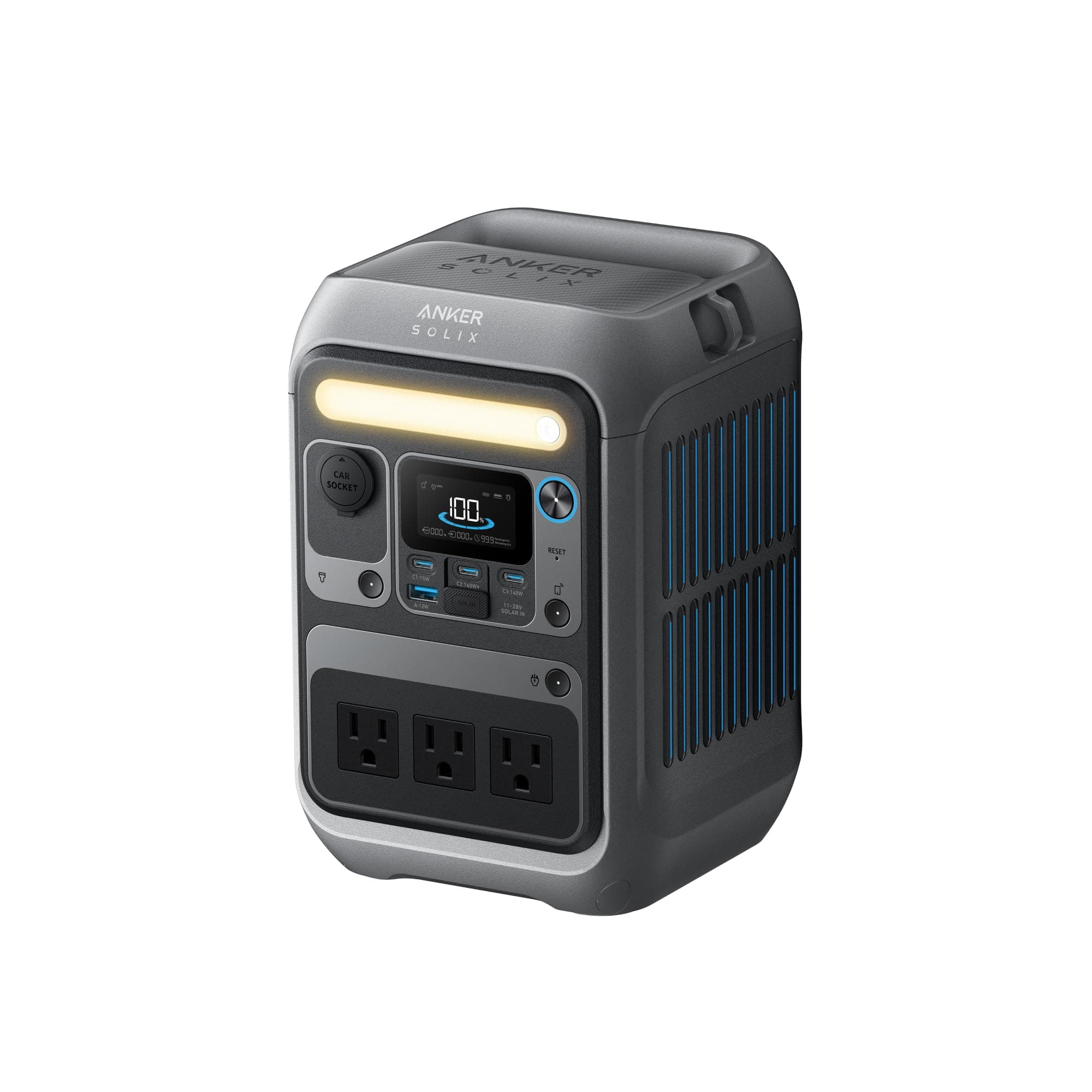
Anker vs EnginStar
$250 vs $130
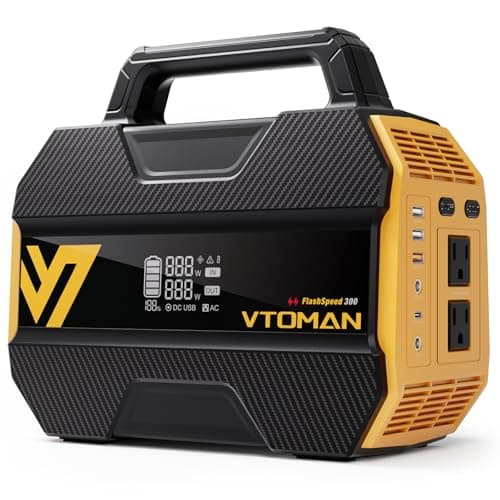
EnginStar vs VTOMAN
$130 vs $140
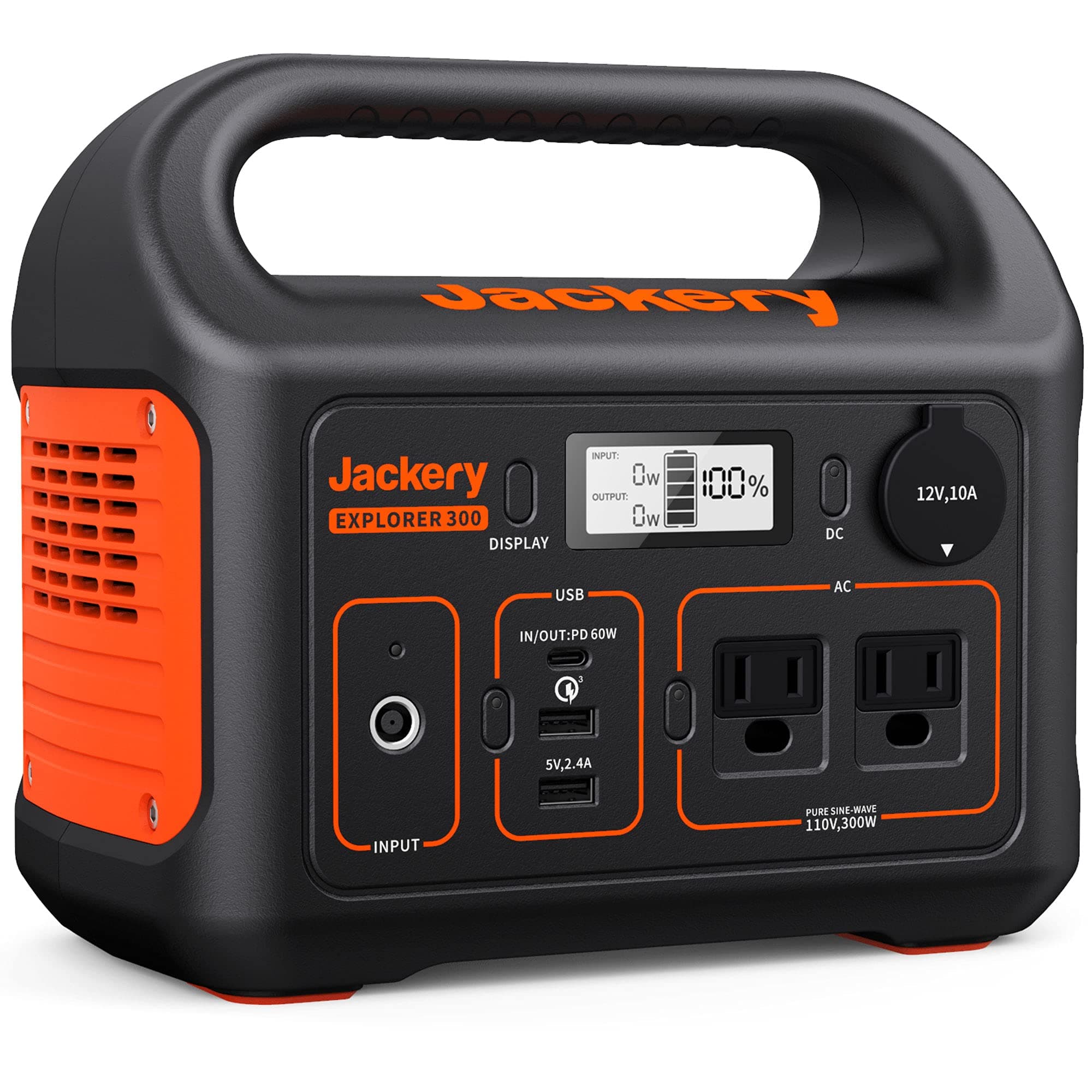
EnginStar vs Jackery
$130 vs $229
EnginStar vs EnginStar
$130 vs $130
EF ECOFLOW vs EnginStar
$147 vs $130
Anker vs EnginStar
$150 vs $130
EnginStar vs GRECELL
$130 vs $116
EnginStar vs Tenergy
$130 vs $180
EnginStar vs SinKeu
$130 vs $103
ENOFLO vs EnginStar
$120 vs $130
EnginStar vs Apowking
$130 vs $100
Explore Other Categories
Popular comparisons across the site
Ask AI
Get instant answers about specs
Get the Deets
Ask our AI assistant
Ask Deets anything!