Our Verdict
EnginStar EnginStar Solar Generator Wins
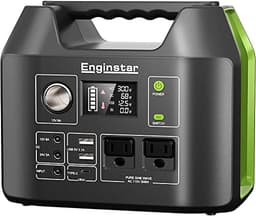
It boasts a 296Wh lithium battery, offering significantly more capacity than Apowking's 220Wh for only an additional $30, ensuring longer power supply. EnginStar also provides more diverse output options with three DC ports and one USB-C, alongside two 300W AC outlets. Apowking is the better pick for users with strict budget constraints or those prioritizing a lighter 5.0 lbs unit, primarily needing USB-A charging.
Bottom Line: EnginStar EnginStar Solar Generator is the better choice. It boasts a 296Wh lithium battery, offering significantly more capacity than Apowking's 220Wh for only an additional $30, ensuring longer power supply.
In-Depth Analysis
How they compare in practice
The EnginStar R300 and Apowking HP200L are both entry-level 300W portable power stations, but their differences become apparent in real-world application, primarily revolving around capacity, port versatility, and value. The EnginStar's 296Wh capacity provides a noticeable edge over Apowking's 220Wh. This 34% increase in energy storage translates directly to longer runtimes for essential devices, meaning an EnginStar user could power a small fan or CPAP machine for several more hours on a single charge compared to the Apowking, making it more reliable for overnight camping or longer power outages.
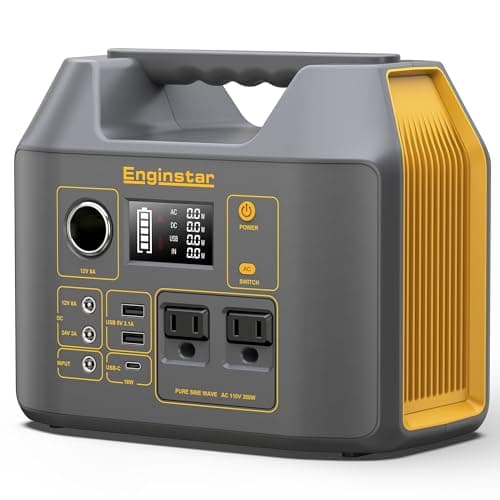
Output port configuration is another key differentiator. EnginStar offers a more versatile array with two USB-A, one USB-C, and three DC ports, catering to a broader range of modern electronics and 12V appliances. The inclusion of USB-C is particularly valuable for fast-charging newer smartphones and tablets. In contrast, the Apowking prioritizes traditional USB-A ports, providing four of them alongside a single DC output. While sufficient for charging multiple older USB devices, it lacks the future-proofing and adaptability of the EnginStar's setup.
Both units deliver 300W of pure sine wave AC output, suitable for laptops, small TVs, or medical devices, though neither is designed for high-drain appliances like microwaves. The Apowking holds a slight advantage in portability, weighing 5.0 lbs, likely due to its smaller battery. EnginStar's precise weight isn't specified, but its higher capacity generally implies a slightly heavier build. The EnginStar's 7-hour AC recharge time is also a concrete metric, while Apowking's isn't listed, suggesting it might be similar or longer given its lower price point.
From a value perspective, the EnginStar, at $129.99, offers a superior capacity-to-cost ratio and more modern port selection than the $99.99 Apowking. While Apowking is cheaper, the EnginStar provides more practical utility for the modest price increase. Therefore, users who value extended runtime and diverse charging options will find the EnginStar a more comprehensive solution, while budget-conscious users primarily needing basic USB-A charging and maximum portability might lean towards the Apowking.
Key Differences
The most significant spec differences at a glance
Battery Capacity
35% moreDc Ports
200% moreUSB-A Ports
50% lessAdvantages
Where each product wins

EnginStar
- Battery Capacity: 35% higher (296 vs 220.0)
- Dc Ports: 200% higher (3 vs 1)

Apowking
- USB-A Ports: 50% higher (2 vs 4)
Which to Pick for Your Situation
Concrete scenarios with a clear recommendation
For extended off-grid camping trips
EnginStarEnginStar offers 296Wh capacity, providing more power and longer device runtimes compared to Apowking's 220Wh, crucial for longer excursions.
For tight budgets prioritizing portability
ApowkingThe Apowking is priced at $99.99 and weighs only 5.0 lbs, making it a more accessible and lighter option for essential power needs.
For charging modern devices and 12V accessories
EnginStarEnginStar features both a USB-C port and three DC ports, offering greater compatibility and versatility for newer gadgets and specialized equipment.
For basic backup power during short outages
TieBoth units provide 300W AC output and sufficient capacity (296Wh vs 220Wh) to power essential small electronics for a few hours.
Who Should Buy Which?
Find the right product for your needs

Buy EnginStar if...
EnginStar Solar Generator, 300W
The EnginStar EnginStar Solar Generator is ideal for the user who needs reliable, slightly extended power capacity and versatile charging options without breaking the bank. This buyer might be a casual camper, an RV enthusiast, or someone seeking a more robust home backup for critical electronics during outages. They prioritize having enough juice to power a laptop for several hours, charge multiple phones, or run a small CPAP machine overnight. The 296Wh capacity, combined with a USB-C port and three DC ports, ensures they can charge a wide array of devices, from modern smartphones to specialized 12V equipment. While it costs a bit more than the Apowking, the EnginStar provides better long-term value and flexibility for its capacity and diverse output types, making the extra $30 a worthwhile investment for peace of mind. They are willing to accept a potentially slightly heavier unit for this enhanced capability, not needing extreme ultralight portability.

Buy Apowking if...
Portable Power Station 300W,
The Apowking Portable Power Station 300W is perfectly suited for the budget-conscious individual or the minimalist traveler who prioritizes portability and essential functionality above all else. This buyer might be a student, a day-hiker, or someone needing a very basic, affordable power solution for short-term use, such as a backyard BBQ or a quick emergency backup. Their primary needs revolve around charging multiple USB-A devices like older phones, headlamps, or basic power banks, with occasional use of a laptop via the 300W AC outlet. The Apowking's $99.99 price point and extremely lightweight 5.0 lbs design are its strongest selling points, making it an excellent entry-level option for those who don't require the higher capacity or more diverse modern ports (like USB-C) found in slightly more expensive models. They understand that the 220Wh capacity might limit extended use but find it perfectly adequate for their lighter demands and appreciate its easy transportability.
Spec Comparison
12 specs compared
| Specification |  |  |
|---|---|---|
| Price | $130 | $100 |
| Rating | 4.3(1.4k) | 4.1(590) |
| Capacity Wh | 296W | 220W |
| Chemistry | Lithium | Li-ion |
| AC Output Watts | 300W | 300W |
| Dc Ports | 3 | 1 |
| AC Outlets | 2 | 2 |
| Cycle Life | 1000 | 1000 |
| USB A Ports | 2 | 4 |
| USB C Ports | 1 | — |
| Model Number | R300 | HP200L |
| Charge Time Hours | 7 hrs | — |
| Weight | — | 5 lbs |
| Peak Output Watts | — | 600W |
Swipe horizontally to see all columns
Pros & Cons
Quick overview of strengths and weaknesses
EnginStar Solar Generator,
- Delivers 300W AC power with 296Wh battery capacity.
- Two 110V pure sine wave AC outlets.
- Recharges via AC, car, or 12-25V solar input.
- Rated for 1000 charge cycles.
- Limited to devices under 300W total output.
- 7-hour recharge time using AC wall adapter.
- Solar panel requires separate purchase.
Apowking Portable Power
- 5 lbs weight for easy transport
- 220Wh capacity powers essential devices
- 7 output ports for simultaneous charging
- Pure Sine Wave AC output protects sensitive electronics
- 300W AC output limits high-power appliance use
- 220Wh capacity may be low for extended backup
- AC output verification displays momentary warning
Frequently Asked Questions
Common questions about this comparison
What is the primary capacity difference between these two power stations?
The EnginStar offers a 296Wh lithium battery, providing more power than the Apowking's 220Wh Li-ion battery. This means EnginStar can power devices for a longer duration on a single charge.
Can either of these power stations run a refrigerator?
No, both power stations have a 300W AC output limit. Most household refrigerators require significantly more power than 300W to operate, especially during startup. They are designed for smaller electronics.
How long does it take to recharge the EnginStar power station?
The EnginStar R300 takes approximately 7 hours to fully recharge using its AC wall adapter. It also supports recharging via car charger or 12-25V solar input (solar panel sold separately).
Which power station is lighter for easier transport?
The Apowking HP200L is the lighter option, weighing 5.0 lbs. The EnginStar R300, with its higher capacity, is likely slightly heavier, though its specific weight is not listed.
Do both power stations offer pure sine wave output?
Yes, both the EnginStar R300 and Apowking HP200L feature pure sine wave AC outlets. This ensures a stable power supply, protecting sensitive electronics like laptops and medical devices from damage.
Related Comparisons
Similar products people compare
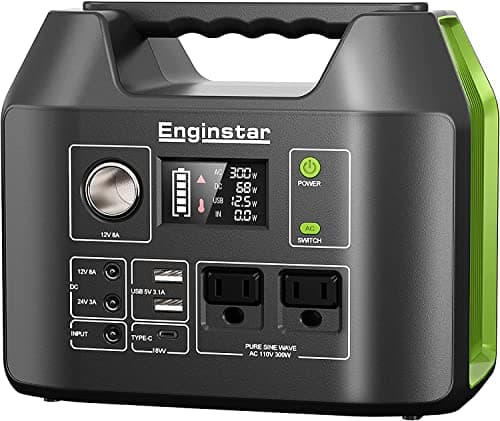
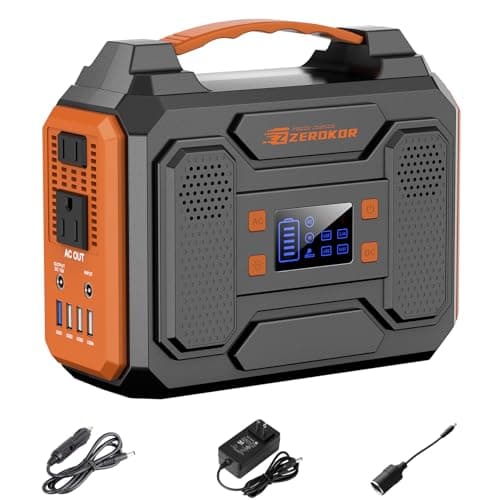
EnginStar vs ZeroKor
$130 vs $130
Apowking vs SinKeu
$100 vs $103
ZeroKor vs Apowking
$130 vs $100
Apowking vs VTOMAN
$100 vs $140
Anker vs Apowking
$150 vs $100
Anker vs EnginStar
$300 vs $130
EnginStar vs GRECELL
$130 vs $100
EnginStar vs EnginStar
$111 vs $130
GRECELL vs Apowking
$100 vs $100
Anker vs EnginStar
$250 vs $130
EnginStar vs Apowking
$111 vs $100
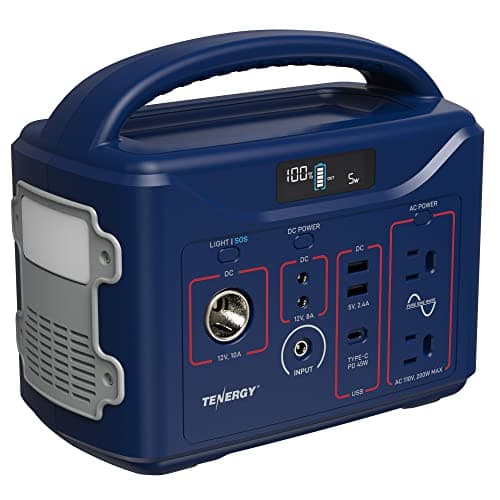
Apowking vs Tenergy
$100 vs $180
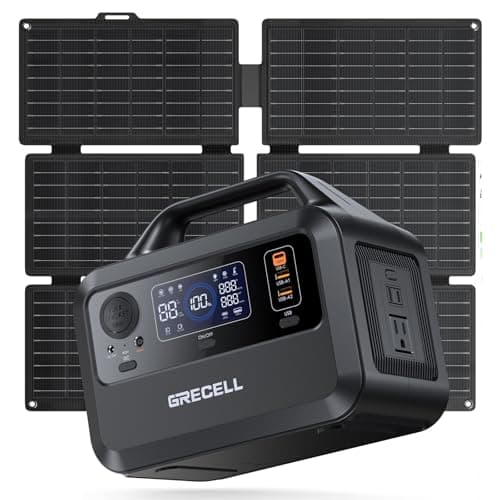
GRECELL vs Apowking
$190 vs $100
EnginStar vs VTOMAN
$130 vs $140
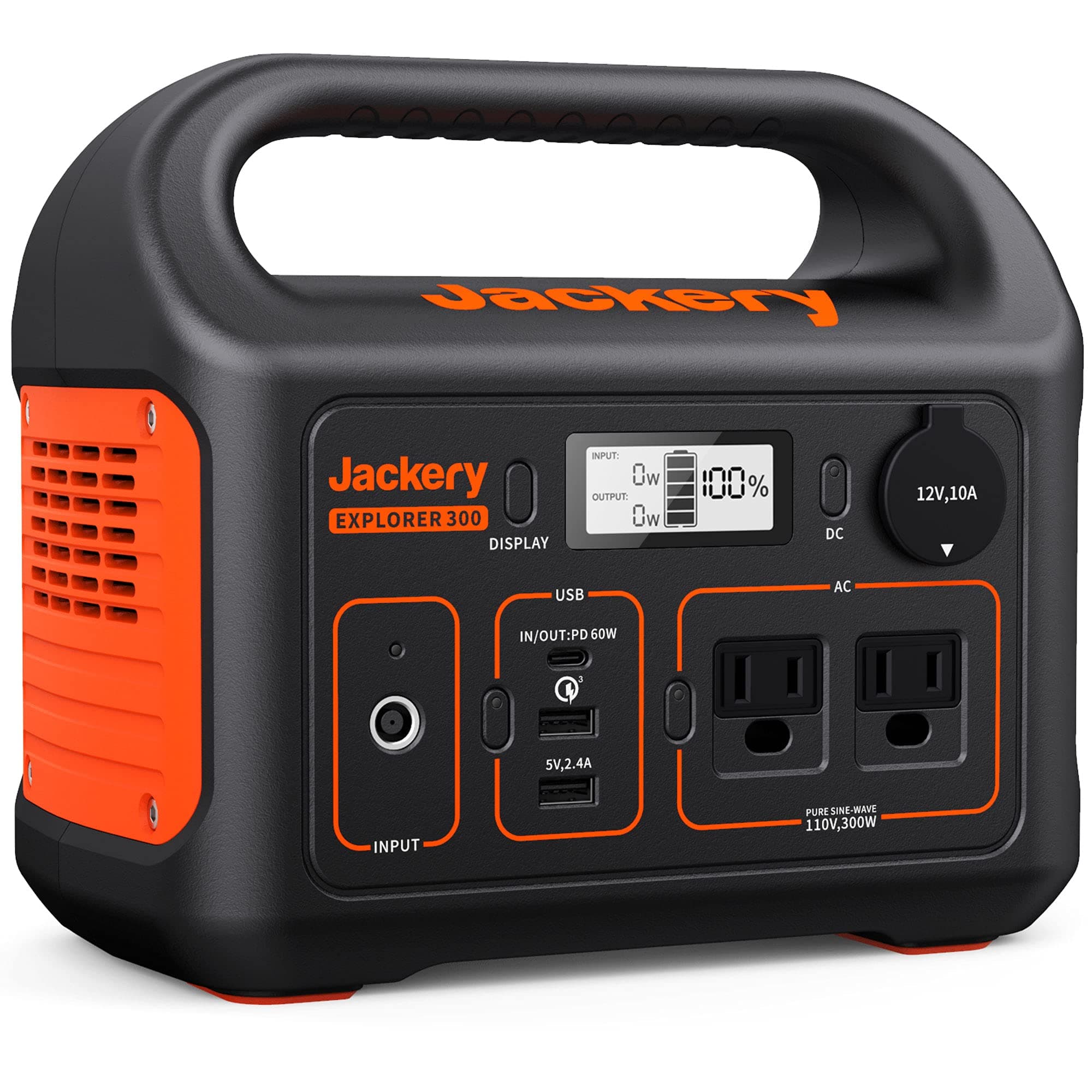
EnginStar vs Jackery
$130 vs $229
Explore Other Categories
Popular comparisons across the site

Ask AI
Get instant answers about specs
Get the Deets
Ask our AI assistant
Ask Deets anything!