Our Verdict
ALLWEI Portable Power Station 300W Wins
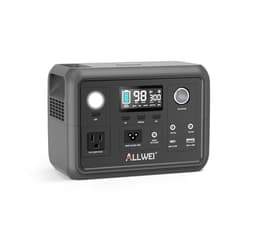
While both are similarly priced around $129, the ALLWEI offers superior longevity with its LiFePO4 battery chemistry rated for 3000 charge cycles, significantly outlasting the EnginStar's 1000 cycles. It also boasts a faster 4-hour recharge time and a powerful 60W USB-C PD port. The EnginStar is a better pick for those prioritizing dual AC outlets and a slightly higher 296Wh capacity for simultaneous device operation, accepting its shorter lifespan and longer recharge.
Bottom Line: ALLWEI Portable Power Station 300W is the better choice. While both are similarly priced around $129, the ALLWEI offers superior longevity with its LiFePO4 battery chemistry rated for 3000 charge cycles, significantly outlasting the EnginStar's 1000 cycles.
In-Depth Analysis
How they compare in practice
The ALLWEI PPS300-4 and EnginStar R300 present themselves as compelling budget-friendly portable power stations, yet their underlying philosophies for value diverge in meaningful ways. The most critical distinction lies in their battery chemistry: the ALLWEI employs LiFePO4, offering an exceptional 3000 charge cycles, whereas the EnginStar uses a standard Lithium battery rated for 1000 cycles. In real-world terms, this means the ALLWEI is engineered to last three times longer before its capacity degrades significantly, providing a far greater return on investment for frequent or long-term users. For someone planning to use their power station regularly over several years, the ALLWEI's superior battery lifespan translates directly into extended usability and fewer replacement costs. Conversely, the EnginStar makes a strong case for immediate utility and convenience. While its battery has a shorter lifespan, its 296Wh capacity is noticeably higher than the ALLWEI's 256Wh, offering about 15% more power reserve for extended use cases. More importantly, the EnginStar comes equipped with two 110V pure sine wave AC outlets, doubling the ALLWEI's single AC port. This is a crucial advantage for users who need to power multiple small appliances, like a fan and a laptop charger, simultaneously. The ALLWEI, while having a potent 60W USB-C PD port for rapid device charging and a faster 4-hour recharge time compared to EnginStar's 7 hours, is limited by its single AC output. The trade-offs are clear: the ALLWEI leans into long-term durability, faster internal charging, and quicker modern device charging with its 60W USB-C PD, sacrificing a second AC outlet and some capacity. The EnginStar, on the other hand, prioritizes slightly greater immediate power availability and dual AC functionality, making it more versatile for powering a small array of conventional electronics simultaneously, albeit with a shorter overall battery lifespan and slower recharge. Both deliver 300W AC output, making them suitable for similar low-power applications, but their differing feature sets cater to distinct user priorities at nearly identical price points of $129-$129.99.
Key Differences
The most significant spec differences at a glance
Battery Capacity
14% lessAC Outlets
50% lessCharge Time
43% lessCycle Life
200% moreUSB-A Ports
50% lessAdvantages
Where each product wins

ALLWEI
- Charge Time: 43% lower (4 vs 7)
- Cycle Life: 200% higher (3000 vs 1000)

EnginStar
- Battery Capacity: 14% higher (256 vs 296)
- AC Outlets: 50% higher (1 vs 2)
- USB-A Ports: 50% higher (1 vs 2)
Which to Pick for Your Situation
Concrete scenarios with a clear recommendation
For maximum battery longevity and long-term investment
ALLWEIThe ALLWEI features LiFePO4 battery chemistry, offering 3000 charge cycles compared to the EnginStar's 1000 cycles, ensuring significantly extended lifespan.
Needing to power two small AC appliances simultaneously
EnginStarThe EnginStar comes with two 110V pure sine wave AC outlets, whereas the ALLWEI only has one AC outlet, providing greater versatility.
When fast charging modern laptops and phones via USB-C is a priority
ALLWEIThe ALLWEI includes a 60W USB-C PD port for rapid device charging, which is faster than the EnginStar's standard USB-C port.
For quick turnaround between uses
ALLWEIThe ALLWEI recharges fully in 4 hours, significantly faster than the EnginStar's 7-hour recharge time.
Who Should Buy Which?
Find the right product for your needs

Buy ALLWEI if...
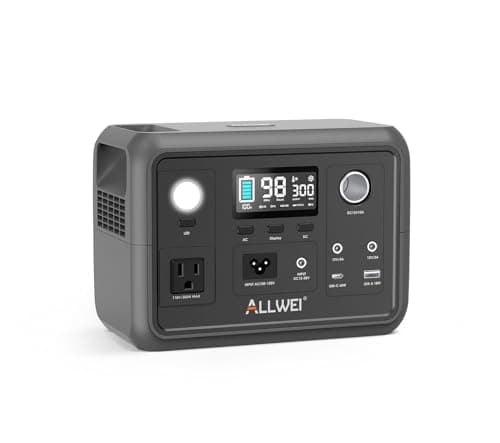
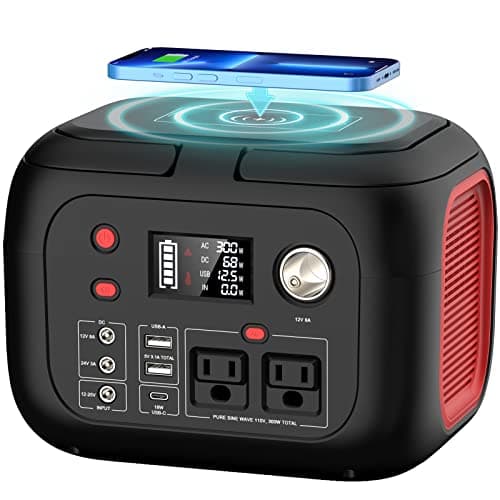
ALLWEI Portable Power Station
The ideal buyer for the ALLWEI Portable Power Station 300W is someone who prioritizes long-term value, battery longevity, and efficient power delivery for personal electronics. This user likely plans to use their power station frequently over many years, whether for regular camping trips, extended outdoor hobbies, or as a reliable home backup for essential devices during power outages. Their top priority is a durable product that won't require replacement soon. They value the ALLWEI's LiFePO4 battery chemistry, which provides an outstanding 3000 charge cycles, ensuring a significantly longer functional lifespan compared to standard lithium-ion options. This buyer also benefits from the unit's fast 4-hour recharge time, allowing for quick turnarounds between uses, and its powerful 60W USB-C PD port, which rapidly charges modern laptops, smartphones, and tablets. They are comfortable with a single AC outlet, as their primary use might involve charging a few crucial devices rather than running multiple household appliances simultaneously. They are willing to slightly forgo a bit of raw capacity (256Wh) and an additional AC port in favor of superior battery technology and faster charging capabilities that enhance their daily and long-term experience.

Buy EnginStar if...
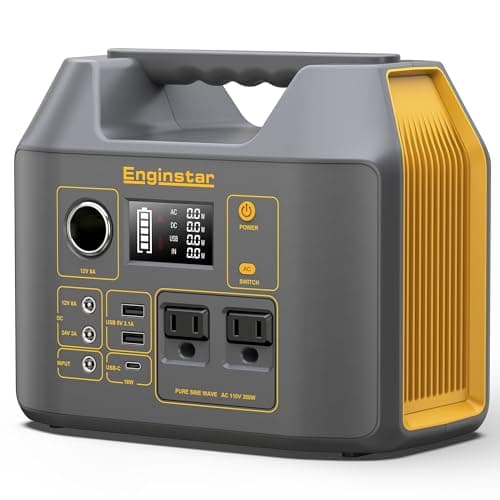
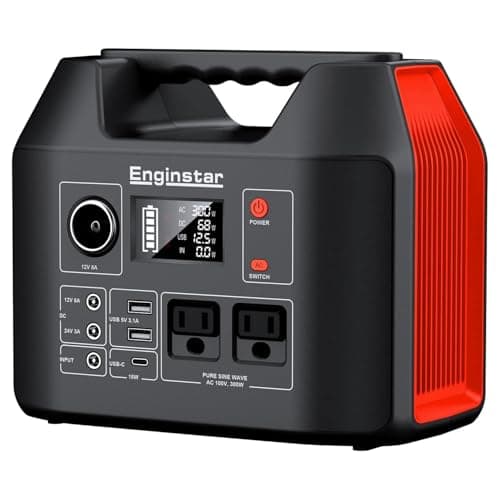
EnginStar Solar Generator, 300W
The EnginStar Solar Generator 300W is perfectly suited for a user whose primary needs revolve around immediate versatility and the ability to power multiple small AC devices simultaneously. This buyer might be planning shorter camping trips, tailgates, or needs a backup for small appliances during brief power disruptions where having two wall outlets is more critical than extreme battery longevity. They appreciate the convenience of plugging in a laptop and a small fan or light at the same time without needing a power strip. The EnginStar's slightly higher 296Wh capacity, compared to ALLWEI's 256Wh, offers a marginal but welcome boost in run time for essential gear. While they acknowledge the 7-hour recharge time is longer and the 1000-cycle battery chemistry is less durable than LiFePO4, these trade-offs are acceptable given their use patterns. This user might not plan for heavy daily use over a decade but seeks a flexible and capable power solution for occasional outings or basic home emergency preparedness, maximizing the number of devices they can connect directly at any given moment. They value the practicality of dual AC outlets and the slightly larger capacity for their immediate power needs.
Spec Comparison
13 specs compared
| Specification |  |  |
|---|---|---|
| Price | $129 | $130 |
| Rating | 4.4(2.3k) | 4.3(1.4k) |
| Capacity Wh | 256W | 296W |
| Chemistry | LiFePO4 | Lithium |
| AC Output Watts | 300W | 300W |
| Dc Ports | 3 | 3 |
| AC Outlets | 1 | 2 |
| Cycle Life | 3000 | 1000 |
| Expandable | No | — |
| USB A Ports | 1 | 2 |
| USB C Ports | 1 | 1 |
| Model Number | PPS300-4 | R300 |
| Charge Time Hours | 4 hrs | 7 hrs |
| Peak Output Watts | 600W | — |
| Solar Input Watts | 100W | — |
Swipe horizontally to see all columns
Pros & Cons
Quick overview of strengths and weaknesses
ALLWEI Portable Power
- 3000 LiFePO4 cycles for extended battery longevity
- 6 output ports charge multiple devices simultaneously
- 60W USB-C PD port for rapid device charging
- Pure sine wave AC output protects sensitive electronics
- 256Wh capacity is limited for long-duration use
- Single AC outlet limits appliance connectivity
- Solar panel not included, adds to total cost
- 300W AC output insufficient for high-power tools
EnginStar Solar Generator,
- Delivers 300W AC power with 296Wh battery capacity.
- Two 110V pure sine wave AC outlets.
- Recharges via AC, car, or 12-25V solar input.
- Rated for 1000 charge cycles.
- Limited to devices under 300W total output.
- 7-hour recharge time using AC wall adapter.
- Solar panel requires separate purchase.
Frequently Asked Questions
Common questions about this comparison
What is the key difference in battery lifespan between these two power stations?
The ALLWEI uses a LiFePO4 battery rated for 3000 charge cycles, providing triple the lifespan of the EnginStar's Lithium battery, which is rated for 1000 cycles.
Which power station offers faster recharging to its own internal battery?
The ALLWEI recharges in approximately 4 hours, while the EnginStar takes a longer 7 hours for a full recharge via AC input.
Can I power more than one standard wall plug device at the same time?
Yes, the EnginStar features two 110V pure sine wave AC outlets. The ALLWEI only provides one AC outlet.
How do their capacities compare for powering devices?
The EnginStar has a slightly larger 296Wh capacity, offering more power reserve than the ALLWEI's 256Wh capacity. Both provide 300W AC output.
Is one better for quickly charging high-power USB-C devices like laptops?
The ALLWEI is superior with its dedicated 60W USB-C Power Delivery port, allowing for much faster charging of compatible modern devices.
Related Comparisons
Similar products people compare
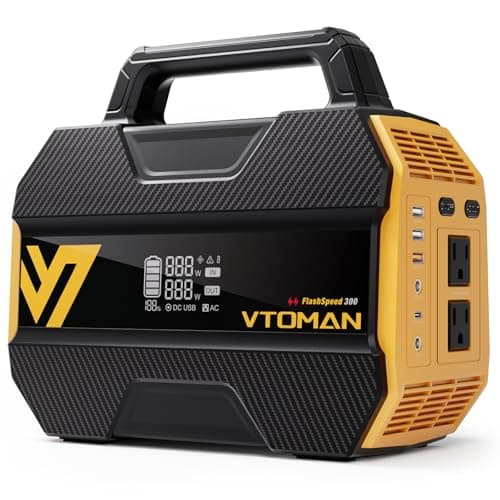
ALLWEI vs VTOMAN
$129 vs $140
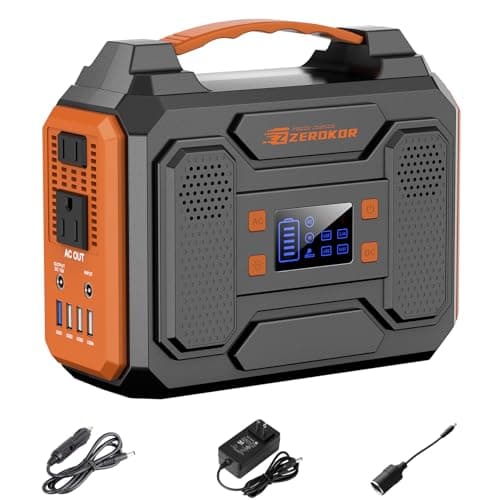
ALLWEI vs ZeroKor
$129 vs $130
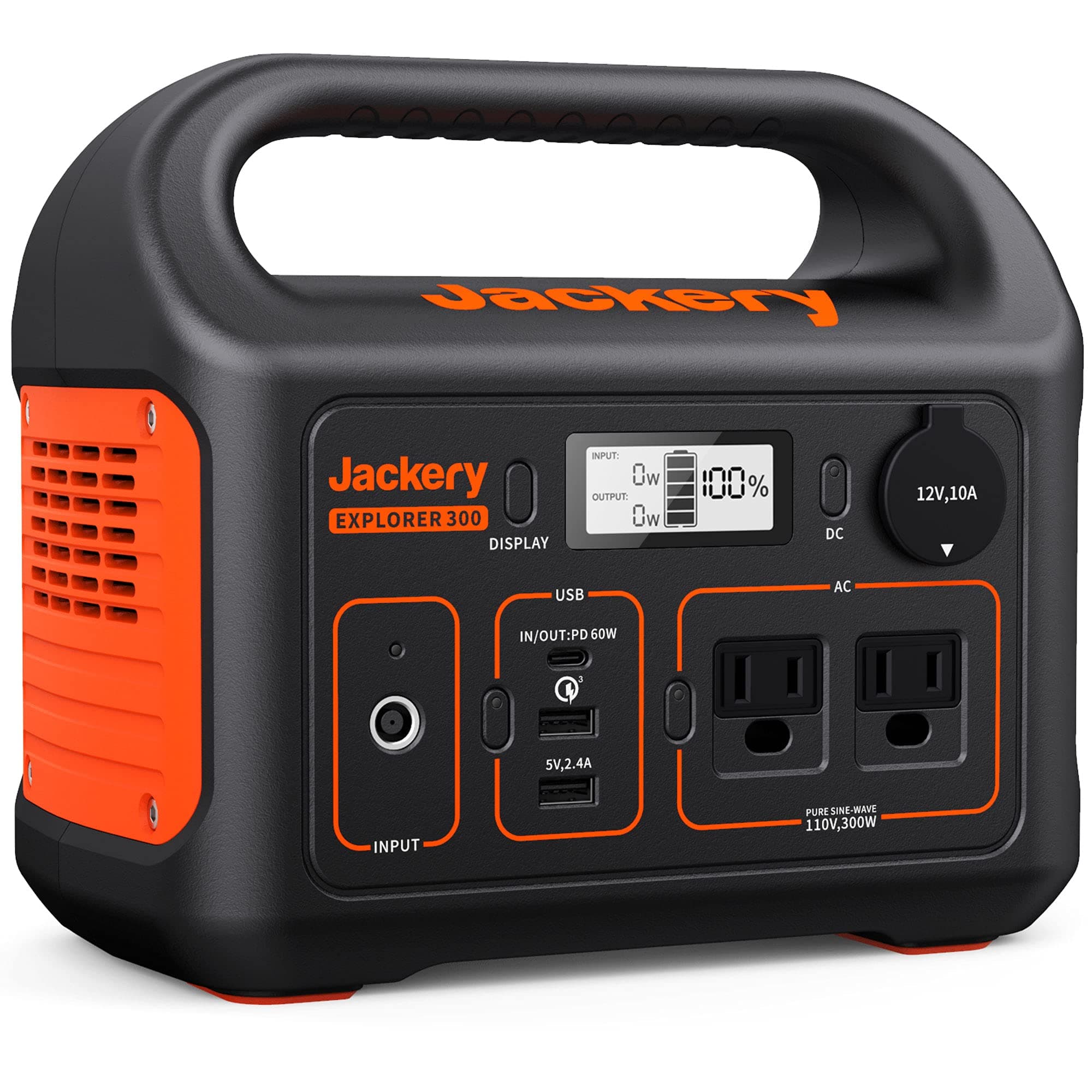
ALLWEI vs Jackery
$129 vs $229
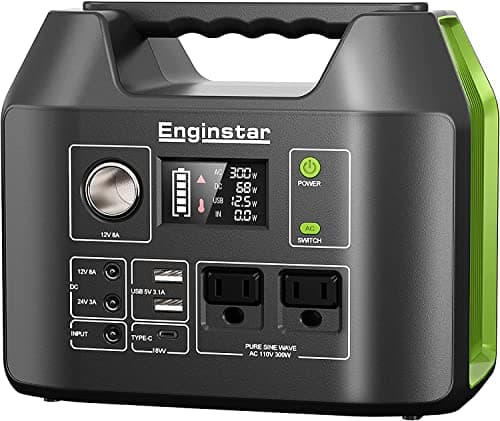
EnginStar vs ZeroKor
$130 vs $130
ALLWEI vs EF ECOFLOW
$129 vs $147
Anker vs EnginStar
$300 vs $130
ALLWEI vs Anker
$129 vs $150
EnginStar vs GRECELL
$130 vs $100
EnginStar vs EnginStar
$111 vs $130
ALLWEI vs EnginStar
$129 vs $130
ALLWEI vs ENOFLO
$129 vs $120
Anker vs EnginStar
$250 vs $130
ALLWEI vs Tenergy
$129 vs $180
ALLWEI vs GRECELL
$129 vs $190
EnginStar vs VTOMAN
$130 vs $140
Explore Other Categories
Popular comparisons across the site


Ask AI
Get instant answers about specs
Get the Deets
Ask our AI assistant
Ask Deets anything!