Our Verdict
Creality K1C Wins
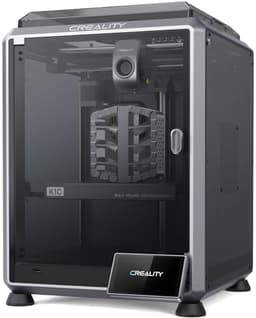
This printer edges out its competitor primarily due to its higher maximum nozzle temperature of 300°C, explicitly supporting carbon fiber filaments, which greatly expands material versatility. While both offer a blistering 600mm/s print speed and auto-leveling, the K1C's slightly larger 220x220x250mm build volume provides a minor vertical advantage. The Flashforge AD5M Pro is the better pick for users prioritizing quiet operation and superior air filtration, especially with its slightly lower price of $379 and dual air filtration system.
Bottom Line: Creality K1C is the better choice. This printer edges out its competitor primarily due to its higher maximum nozzle temperature of 300°C, explicitly supporting carbon fiber filaments, which greatly expands material versatility.
In-Depth Analysis
How they compare in practice
The Creality K1C and Flashforge AD5M Pro both offer impressive 600mm/s print speeds and fully automatic bed leveling, positioning them as excellent choices for users seeking rapid prototyping and ease of use. However, their real-world utility diverges when considering material capabilities and environmental factors. The Creality K1C, with its 300°C max nozzle temperature and explicit support for carbon fiber filaments, caters to users looking to print stronger, more durable, or specialized parts. This capability is significant for engineering applications or hobbyists pushing the boundaries beyond standard PLA or PETG. Its robust direct extruder is also designed to minimize clogging, enhancing reliability when working with challenging materials.
Conversely, the Flashforge AD5M Pro, while also enclosed and fast, emphasizes user comfort and environmental control. Its 280°C nozzle is sufficient for most common technical filaments like ABS, but it doesn't offer the same high-temperature headroom as the K1C. The AD5M Pro distinguishes itself with a strong focus on quiet printing (≤50 dB) and a dual air filtration system, making it a superior choice for home environments or shared workspaces where noise and air quality are paramount. The auxiliary chamber cooling also contributes to better print consistency for temperature-sensitive materials.
From a build perspective, both employ enclosed designs, crucial for printing materials like ABS that benefit from stable temperatures. The Flashforge's CoreXY structure is known for precise and stable movements, contributing to its speed and print quality. The K1C includes an AI camera for print monitoring and failure detection, adding a layer of smart convenience, a feature also present in the AD5M Pro's general description. At $399, the K1C offers material versatility for a slight premium, while the $379 AD5M Pro provides a quieter, cleaner, and slightly more budget-friendly experience for core filament types. The choice ultimately depends on whether a user prioritizes advanced material capability and intelligent monitoring, or a more pleasant and controlled printing environment.
Key Differences
The most significant spec differences at a glance
Nozzle Temp Max C
7% moreAdvantages
Where each product wins

Creality
- Nozzle Temp Max C: 7% higher (300.0 vs 280.0)
Which to Pick for Your Situation
Concrete scenarios with a clear recommendation
For printing strong, functional engineering parts
CrealityThe Creality K1C supports carbon fiber filaments and has a 300°C max nozzle temperature, ideal for high-strength materials.
For quiet home use in a living space
FLASHFORGEThe Flashforge AD5M Pro features ≤50 dB quiet printing and dual air filtration, prioritizing a peaceful and clean environment.
For general-purpose high-speed printing on a tighter budget
FLASHFORGEThe Flashforge AD5M Pro offers 600mm/s speed and auto-leveling for $379, making it a great value option.
For users needing maximum vertical print height
CrealityThe Creality K1C offers a slightly larger Z-axis build volume of 250mm compared to the AD5M Pro's 220mm.
Who Should Buy Which?
Find the right product for your needs
Buy Creality if...
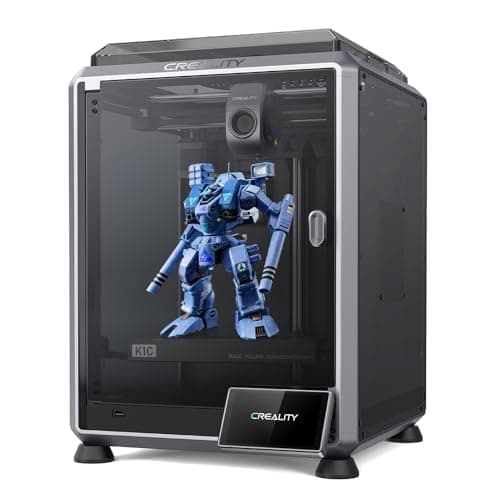
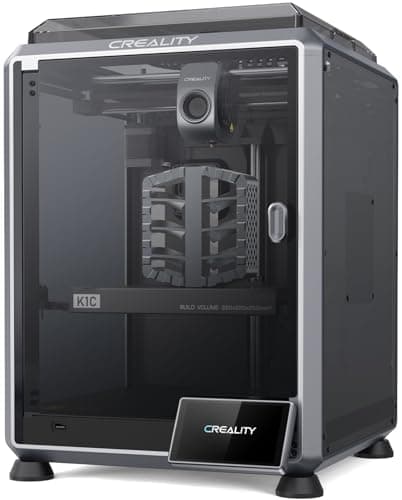
Creality K1C 3D Printer,
The Creality K1C is designed for the ambitious hobbyist or small business user who demands maximum material versatility and smart, reliable operation. If your projects involve functional prototypes, custom tooling, or artistic creations that benefit from strong, heat-resistant, or specialized filaments like carbon fiber, the K1C's 300°C max nozzle temperature and carbon fiber support are critical. You're someone who values an AI camera for intelligent print monitoring, reducing the frustration of failed prints and wasted material. The robust direct extruder appeals to those seeking consistent filament feeding and minimal clogging, even with challenging materials. While you appreciate the 600mm/s high-speed printing, your priority is pushing the boundaries of what you can create with a desktop 3D printer. You're willing to manage filter replacements and potentially delve into open-source firmware for greater control, trading off slightly lower initial cost or emphasized quietness for expanded capabilities and smart features.

Buy FLASHFORGE if...
FLASHFORGE AD5M Pro 3D
The Flashforge AD5M Pro is the ideal choice for users who prioritize a seamless, clean, and quiet 3D printing experience in a home or office environment. If you're an enthusiast, educator, or small-scale producer primarily working with common filaments like PLA, PETG, ABS, and ASA, its 280°C nozzle temperature is more than sufficient. You value the tranquility of a printing setup, making its ≤50 dB quiet operation and dual air filtration system essential for maintaining a comfortable living or working space. The fully automatic calibration ensures consistent, high-quality prints without manual hassle, appealing to those who prefer a 'set it and forget it' approach. While speed is important, the AD5M Pro's 600mm/s, combined with its CoreXY structure, promises both rapidity and precision. You appreciate its slightly lower price point of $379, offering fantastic value for an enclosed, high-speed, and user-friendly machine that prioritizes environmental comfort over advanced carbon fiber capabilities or AI camera features.
Spec Comparison
9 specs compared
| Specification |  |  |
|---|---|---|
| Price | $399 | $379 |
| Rating | 4.2(345) | 4.4(372) |
| Build Volume mm | 220x220x250 | 220x220x220 |
| Max Print Speed mm S | 600 | 600 |
| Leveling Type | Auto | Auto |
| Enclosed | Yes | Yes |
| Model Number | K1C | — |
| Printer Type | FDM | FDM |
| Nozzle Temp Max C | 300 | 280 |
| WiFi | — | Yes |
| Multi Color Support | — | No |
Swipe horizontally to see all columns
Pros & Cons
Quick overview of strengths and weaknesses
Creality K1C 3D
- Prints at 600mm/s; reduces print time.
- Supports carbon fiber and high-temp filaments.
- Direct extruder resists clogging; reliable feeding.
- AI camera monitors prints; detects failures.
- Requires replacement of activated carbon filters.
- Open-source firmware may require technical knowledge.
- Build volume 220x220x250mm limits part size.
FLASHFORGE AD5M Pro
- 600 mm/s print speed for rapid production.
- Fully automatic bed leveling ensures consistent first layers
- Enclosed chamber maintains stable print environment.
- Dual air filtration reduces VOCs and particulates.
- Limited build volume at 220x220x220mm.
- Does not support multi-color printing functionality.
- Only two nozzle sizes included in standard bundle.
Frequently Asked Questions
Common questions about this comparison
What is the maximum print speed for both printers?
Both the Creality K1C and the Flashforge AD5M Pro offer an impressive maximum print speed of 600mm/s, ensuring rapid production of your 3D models.
Can these printers handle advanced materials like carbon fiber?
The Creality K1C explicitly supports carbon fiber filaments with its 300°C max nozzle temp. The Flashforge AD5M Pro's 280°C nozzle is good for many engineering filaments but doesn't explicitly mention carbon fiber support.
Which printer has better air filtration for indoor use?
The Flashforge AD5M Pro features a dedicated dual air filtration system for VOCs and particulates, making it potentially better for maintaining indoor air quality than the K1C's activated carbon filters.
Do both printers include an automatic bed leveling system?
Yes, both the Creality K1C and the Flashforge AD5M Pro are equipped with fully automatic bed leveling, simplifying the initial setup and ensuring consistent first layers.
Is there a difference in build volume between the two models?
The Creality K1C offers a build volume of 220x220x250mm. The Flashforge AD5M Pro has a slightly smaller vertical build volume at 220x220x220mm.
Which printer is quieter during operation?
The Flashforge AD5M Pro highlights its quiet printing, operating at ≤50 dB, which makes it a preferred choice if noise level is a primary concern.
Related Comparisons
Similar products people compare
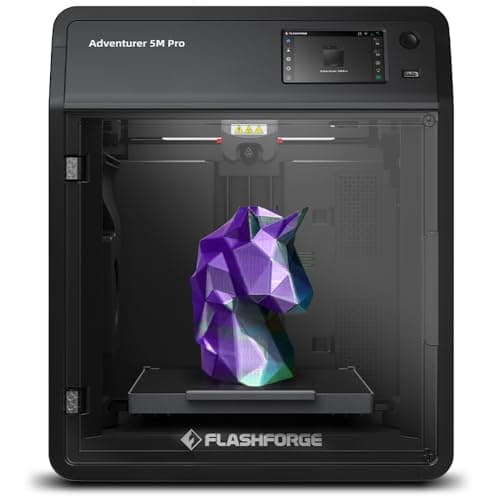
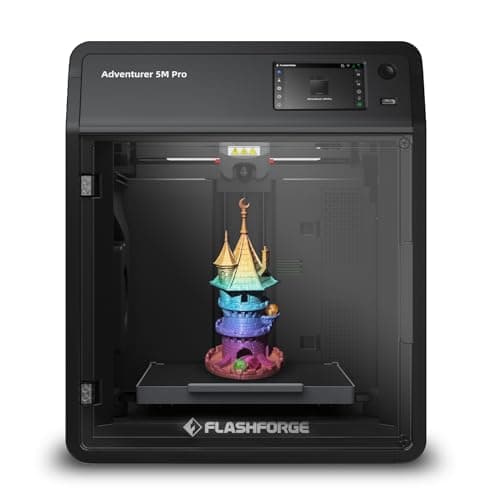
FLASHFORGE vs FLASHFORGE
$379 vs $379
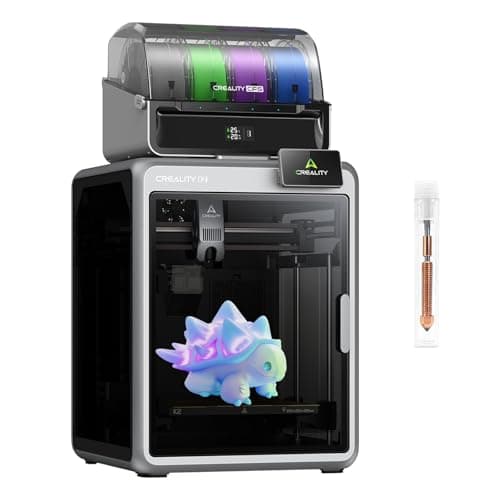
Creality vs FLASHFORGE
$649 vs $379
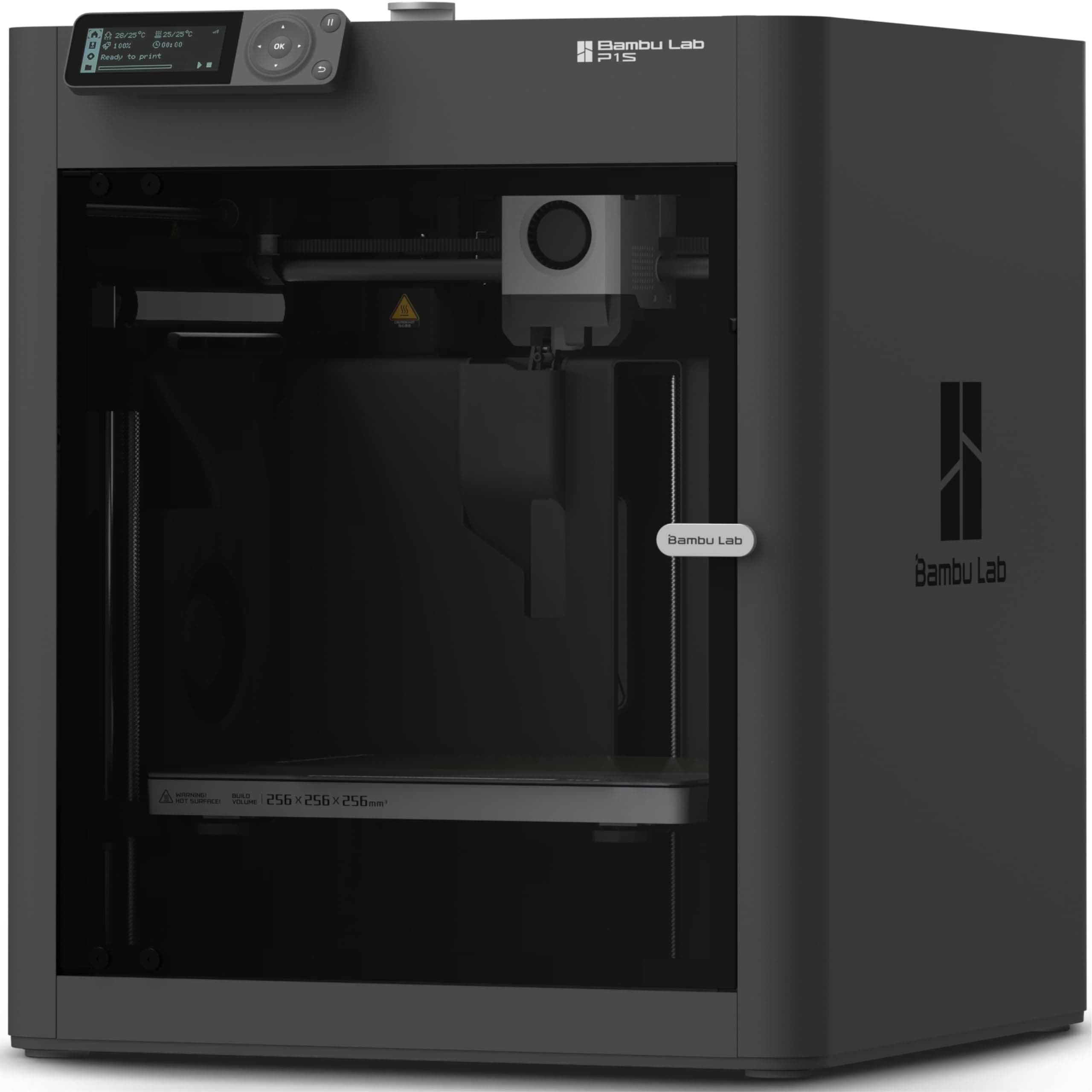
BAMBULAB vs FLASHFORGE
$419 vs $379
Comgrow vs FLASHFORGE
$399 vs $379
BAMBULAB vs Creality
$419 vs $399
Comgrow vs FLASHFORGE
$719 vs $379
FLASHFORGE vs FLASHFORGE
$379 vs $339
Creality vs ELEGOO
$399 vs $380
Creality vs FLASHFORGE
$399 vs $339
FLASHFORGE vs FLASHFORGE
$379 vs $339
Creality vs FLASHFORGE
$399 vs $379
Creality vs ELEGOO
$399 vs $340
Comgrow vs Creality
$399 vs $399
Creality vs FLASHFORGE
$399 vs $339
Explore Other Categories
Popular comparisons across the site


Ask AI
Get instant answers about specs
Get the Deets
Ask our AI assistant
Ask Deets anything!