Our Verdict
DARAN DARAN Portable Power Station Wins
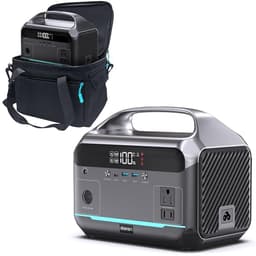
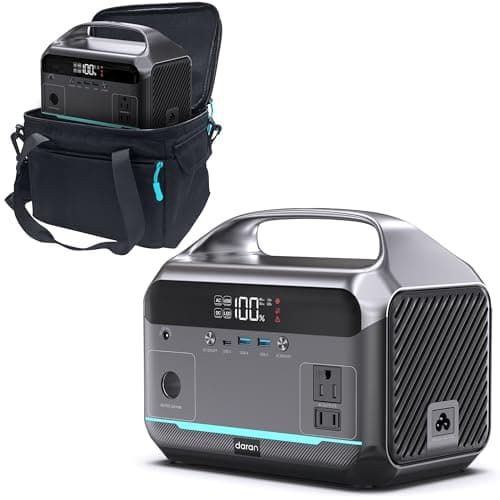
It offers superior LiFePO4 battery chemistry for significantly longer lifespan and enhanced safety, along with a higher 350W continuous AC output (600W peak) for more demanding devices. Its 2.1-hour fast charging is also notably quicker than EnginStar's slower input speed. The EnginStar Portable Power Station is the better pick for those prioritizing extreme portability at 6.5 lbs and needing built-in car charging capabilities, or explicit pure sine wave assurance for sensitive electronics.
Bottom Line: DARAN DARAN Portable Power Station is the better choice. It offers superior LiFePO4 battery chemistry for significantly longer lifespan and enhanced safety, along with a higher 350W continuous AC output (600W peak) for more demanding devices.
In-Depth Analysis
How they compare in practice
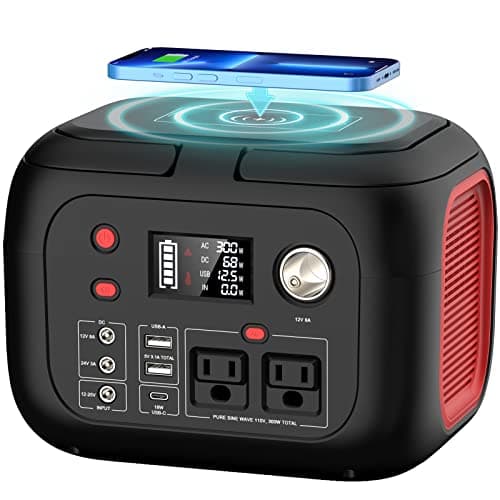
These two portable power stations, both priced identically at $129.99, cater to users needing reliable off-grid power, but they diverge significantly in core technology and use-case suitability. The DARAN DARAN NEO350 distinguishes itself primarily through its advanced LiFePO4 battery chemistry. This is a critical advantage, as LiFePO4 batteries offer a much longer cycle life—typically 2,000 to 3,500 cycles before significant degradation—compared to the 1,000 cycles for the EnginStar R300's Li-ion battery. This translates directly to greater long-term value and durability for the DARAN DARAN unit, making it a more robust investment for frequent use.
Beyond longevity, the DARAN DARAN NEO350 also provides a higher power output. Its 350W continuous AC output, with a 600W peak, allows it to power slightly more demanding appliances than the EnginStar R300’s 300W continuous output. This extra wattage can be crucial for certain tools or devices, broadening the DARAN DARAN's utility. Furthermore, recharging the DARAN DARAN is remarkably swift, achieving a full charge in just 2.1 hours via a wall outlet, while the EnginStar's 65W max input speed means a much slower recharge, potentially taking over 4.5 hours.
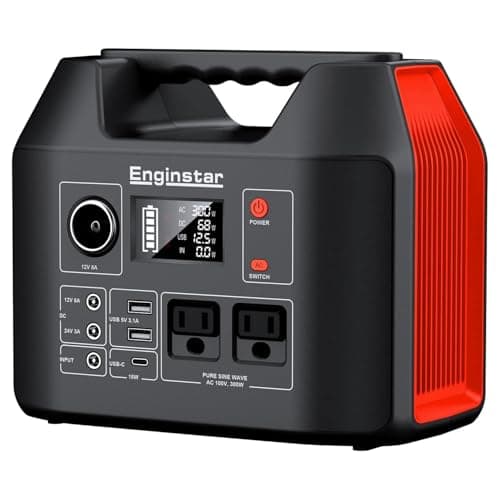
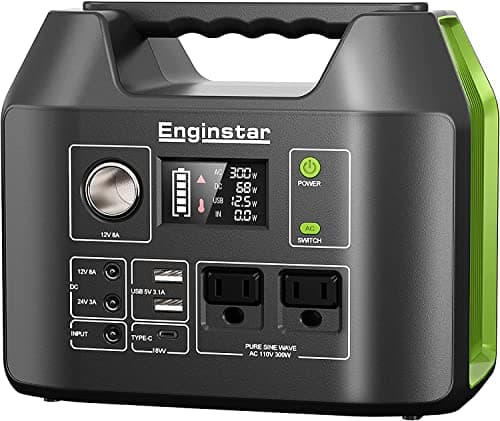
However, the EnginStar R300 carves its niche with superior portability and specific features. Weighing in at a mere 6.5 lbs, it is noticeably lighter than the DARAN DARAN's 8.2 lbs, making it more convenient for backpackers or those requiring minimal carry weight. The EnginStar also explicitly states "pure sine wave AC output," which is vital for powering sensitive electronics without risk of damage, a specification not explicitly highlighted for the DARAN DARAN. While both offer similar capacities (288Wh for DARAN DARAN, 296Wh for EnginStar) and a decent array of output ports, the trade-off lies in long-term battery resilience versus immediate portability and specific power quality assurance. For users prioritizing a robust, long-lasting power source with faster charging, the DARAN DARAN is the clear choice. Conversely, for ultra-light expeditions where pure sine wave output is a must and weight is paramount, the EnginStar holds an advantage despite its Li-ion chemistry and slower recharge.
Key Differences
The most significant spec differences at a glance
Battery Capacity
3% lessAC Output
17% moreDc Ports
50% lessUSB-A Ports
100% moreWeight
26% moreAdvantages
Where each product wins

DARAN
- AC Output: 17% higher (350.0 vs 300)
- USB-A Ports: 100% higher (2 vs 1)

EnginStar
- Battery Capacity: 3% higher (288.0 vs 296)
- Dc Ports: 50% higher (1 vs 2)
- Weight: 26% lower (8.2 vs 6.5)
Which to Pick for Your Situation
Concrete scenarios with a clear recommendation
For long-term emergency preparedness
DARANIts LiFePO4 battery chemistry provides significantly more charge cycles and a longer overall lifespan, ensuring reliability when needed most.
For lightweight hiking or backpacking
EnginStarAt 6.5 lbs, it's notably lighter than the DARAN DARAN (8.2 lbs), making it easier to carry on extended treks.
For powering sensitive electronics
EnginStarIt explicitly offers pure sine wave AC output, which is crucial for safely powering delicate devices without risk of damage.
For rapid recharging needs
DARANIt boasts a quick 2.1-hour fast charge time, significantly faster than the EnginStar's slower 65W max input.
Who Should Buy Which?
Find the right product for your needs

Buy DARAN if...
DARAN Portable Power Station,
The ideal buyer for the DARAN DARAN Portable Power Station is someone prioritizing long-term durability, consistent performance, and quick power restoration. This user likely plans to use their power station frequently, perhaps for regular camping trips, extended outdoor hobbies, or as a critical component of their home emergency kit. The superior LiFePO4 battery chemistry is a major draw, promising a lifespan of thousands of charge cycles, far outlasting standard Li-ion alternatives. This buyer values knowing their investment will last for many years, even with heavy use. They also appreciate the efficiency of its 2.1-hour fast charging time, meaning less downtime and more readiness for sudden outages or spontaneous adventures. While its 8.2 lbs weight is a slight compromise compared to lighter units, the higher 350W continuous AC output (600W peak) allows them to power a broader range of small appliances and tools without concern, ensuring versatility for various needs like powering a projector, a small fan, or charging multiple devices simultaneously. This user isn't overly concerned with minimal weight differences but instead seeks robust power delivery and enduring reliability for a reasonable $129.99.

Buy EnginStar if...
EnginStar Portable Power Station
The EnginStar Portable Power Station is perfectly suited for the ultra-mobile user who places a premium on portability and the safety of sensitive electronics. This buyer might be an avid backpacker, a remote worker frequently on the move, or someone who needs a backup power source for medical devices like a CPAP machine during power outages. Their primary concern is minimizing carry weight, making the EnginStar’s 6.5 lbs a significant advantage over heavier alternatives. The explicit inclusion of pure sine wave AC output is critical for them, offering peace of mind when powering delicate gadgets like laptops, cameras, or medical equipment, preventing potential damage from irregular power delivery. While its Li-ion battery offers a decent 1,000-cycle life, this user accepts a slightly shorter overall lifespan in exchange for lighter weight and pure sine wave assurance. The EnginStar's multiple recharging options, including car charging out of the box, also appeal to those who might find themselves off-grid for extended periods without access to a wall outlet. For the identical price of $129.99, this buyer is willing to trade some charging speed and ultimate battery longevity for extreme portability and guaranteed clean power.
Spec Comparison
12 specs compared
| Specification |  |  |
|---|---|---|
| Price | $130 | $130 |
| Rating | 4.4(752) | 4.3(1.4k) |
| Capacity Wh | 288W | 296W |
| Chemistry | LiFePO4 | Li-ion |
| AC Output Watts | 350W | 300W |
| Dc Ports | 1 | 2 |
| AC Outlets | 2 | 2 |
| Weight | 8.2 lbs | 6.5 lbs |
| USB A Ports | 2 | 1 |
| USB C Ports | 1 | 1 |
| Model Number | NEO350 | R300 |
| Charge Time Hours | 2.1 hrs | — |
| Peak Output Watts | 600W | — |
| Cycle Life | — | 1000 |
Swipe horizontally to see all columns
Pros & Cons
Quick overview of strengths and weaknesses
DARAN Portable Power
- 288Wh LiFePO4 battery offers long cycle life.
- 350W AC output handles common small devices.
- 7 output ports allow simultaneous device charging.
- Recharges fully in 2.1 hours via wall outlet.
- 288Wh capacity is limited for extended use.
- 350W AC output cannot power larger appliances.
- Solar panels and car charging cable are sold separately.
EnginStar Portable Power
- Lightweight 6.5 lbs for easy portability
- 300W pure sine wave AC output protects devices
- 8 output ports charge multiple items concurrently
- Three recharge methods: wall, car, solar panel
- Solar panel not included; separate purchase required
- Max 65W input speed; slower full recharge
- Requires charging every 2-3 months for upkeep
Frequently Asked Questions
Common questions about this comparison
Which power station offers a longer lifespan?
The DARAN DARAN Portable Power Station, with its LiFePO4 battery chemistry, offers a significantly longer cycle life (typically 2,000-3,500+ cycles) compared to the EnginStar's Li-ion battery (1,000 cycles).
Can these power stations run a small refrigerator?
Both units have an AC output of 300W-350W. While possible for a small mini-fridge, capacity (288-296Wh) is limited for extended refrigeration, especially considering startup surges.
How quickly do these units recharge?
The DARAN DARAN NEO350 fully recharges in 2.1 hours via a wall outlet. The EnginStar R300 has a maximum 65W input, meaning a full charge will take over 4.5 hours.
Is solar charging an option for both?
Yes, both are solar optional. However, solar panels are sold separately for both products. The EnginStar also includes car charging cables, which are separate for DARAN DARAN.
Which unit is better for delicate electronics?
The EnginStar R300 explicitly features a pure sine wave AC output, which is ideal for protecting sensitive devices from potential damage caused by irregular power delivery.
What's the difference in portability?
The EnginStar R300 is lighter at 6.5 lbs, making it more portable for travel, while the DARAN DARAN NEO350 weighs 8.2 lbs, a noticeable difference for carrying long distances.
Related Comparisons
Similar products people compare
EnginStar vs GRECELL
$130 vs $120
EnginStar vs ZeroKor
$130 vs $130
Anker vs EnginStar
$300 vs $130
EnginStar vs Tenergy
$130 vs $180
EnginStar vs VTOMAN
$130 vs $150
DARAN vs EnginStar
$130 vs $130
EnginStar vs EnginStar
$130 vs $111
EnginStar vs VTOMAN
$130 vs $240
ALLWEI vs EnginStar
$129 vs $130
ALLWEI vs EnginStar
$269 vs $130
EnginStar vs EnginStar
$130 vs $130
Anker vs EnginStar
$150 vs $130
DARAN vs ZeroKor
$130 vs $130
ENOFLO vs EnginStar
$120 vs $130
DARAN vs EF ECOFLOW
$130 vs $147
Explore Other Categories
Popular comparisons across the site
Ask AI
Get instant answers about specs
Get the Deets
Ask our AI assistant
Ask Deets anything!