Our Verdict
NexiGo Aurora Pro MKII Wins
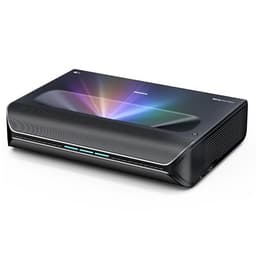
For most users, its competitive $3199 price point combined with an excellent 4.2ms gaming input lag and a convenient 0.21:1 ultra-short throw ratio makes it the stronger choice for modern home entertainment. While the Epson LS11000 offers a slightly higher 2500 lumens brightness and significantly greater contrast (1,200,000:1 vs 30,000:1), its $3999.99 price and traditional throw make it a better pick only for dedicated, light-controlled home theaters where installation flexibility and ultimate cinematic black levels are paramount over gaming and living room convenience.
Bottom Line: NexiGo Aurora Pro MKII is the better choice. For most users, its competitive $3199 price point combined with an excellent 4.
In-Depth Analysis
How they compare in practice
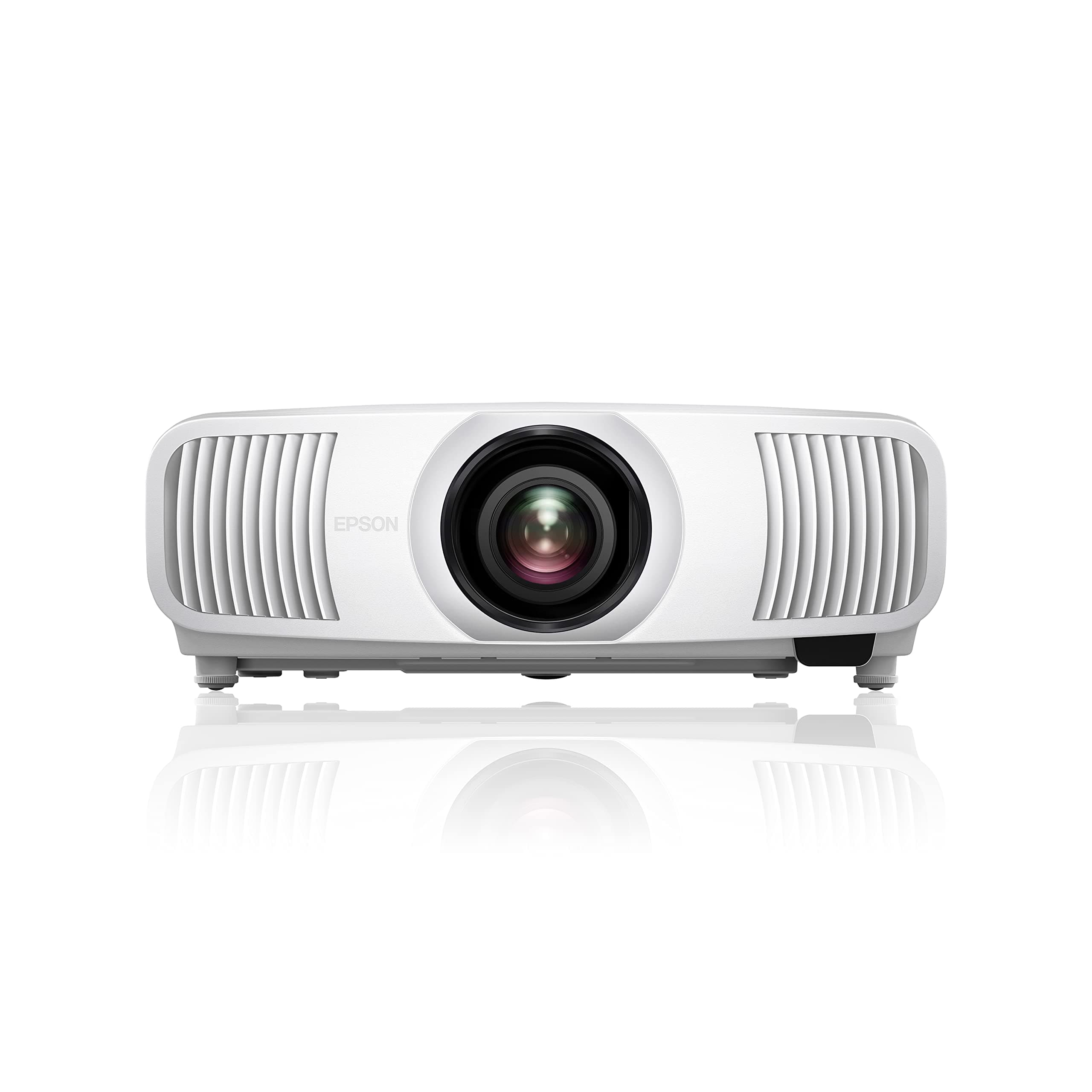
The Epson Home Cinema LS11000 and NexiGo Aurora Pro MKII both represent compelling 4K pixel-shifted laser projection, yet they cater to distinct user needs through fundamental design differences. The most immediate contrast in real-world use lies in their throw ratios. The NexiGo, as an Ultra-Short Throw (UST) projector with a 0.21:1 ratio, can project an enormous image from mere inches away from the wall, making it ideal for living rooms where space is at a premium and ceiling mounting is impractical. This contrasts sharply with the Epson, a traditional long-throw projector, which requires significant distance from the screen and benefits greatly from its motorized lens shift, focus, and zoom for precise, flexible ceiling or shelf mounting in a dedicated home theater environment.
Performance-wise, the NexiGo Aurora Pro MKII shines for gamers, boasting an impressive 4.2ms to 8ms input latency for 4K content. This low lag ensures a responsive and fluid gaming experience, a feature the Epson LS11000, despite its 120 Hz refresh rate, doesn't explicitly match with a specified input lag. For cinematic enjoyment, the Epson holds a significant edge in its static contrast ratio, delivering a staggering 1,200,000:1 compared to the NexiGo's 30,000:1. While the NexiGo employs dynamic iris and laser dimming to enhance its contrast, the Epson's native black levels will likely appear deeper and more nuanced in dark room conditions, appealing to purists who prioritize film fidelity.
Brightness is very close, with Epson at 2500 lumens and NexiGo at 2400 lumens. Both are well-suited for ambient light, but the NexiGo's UST nature often pairs best with an ALR (Ambient Light Rejecting) screen for optimal daytime viewing, an additional cost to consider. The NexiGo also integrates powerful 60W speakers and supports Dolby Vision/Atmos, offering an all-in-one entertainment solution, whereas the Epson is designed to integrate into existing high-end audio systems, providing no specific speaker wattage. Ultimately, the NexiGo provides exceptional value at a significantly lower price point, bundling convenience and gaming prowess, while the Epson caters to those seeking top-tier cinematic performance and installation flexibility in a more controlled home theater setting.
Key Differences
The most significant spec differences at a glance
Brightness Ansi Lumens
4% moreAdvantages
Where each product wins

Epson
- Brightness Ansi Lumens: 4% higher (2500.0 vs 2400)
Which to Pick for Your Situation
Concrete scenarios with a clear recommendation
For serious 4K gaming
NexiGoThe NexiGo Aurora Pro MKII offers ultra-low input lag of 4.2ms at 4K, providing a significant advantage for responsive gameplay.
For a dedicated, dark home theater
EpsonThe Epson LS11000's 1,200,000:1 contrast ratio delivers superior black levels and image depth critical for cinematic immersion.
For a small living room with limited space
NexiGoThe NexiGo's 0.21:1 ultra-short throw ratio allows it to project a large image from just inches away from the screen, fitting tight spaces.
For flexible installation and setup
EpsonThe Epson LS11000 features motorized lens shift, focus, and zoom, providing unparalleled flexibility in projector placement and image alignment.
Who Should Buy Which?
Find the right product for your needs

Buy Epson if...
Epson Home Cinema LS11000
The Epson Home Cinema LS11000 is perfectly suited for the discerning home theater enthusiast who has a dedicated, light-controlled viewing space and prioritizes pristine cinematic image quality and installation precision. This buyer typically has an existing high-end audio system and wants their projector to be the visual centerpiece. They value the Epson's exceptional 1,200,000:1 contrast ratio, which translates to incredibly deep blacks and vibrant, detailed scenes, especially in a dark room. The motorized lens shift, focus, and zoom are crucial for them, enabling perfect alignment and picture geometry from a ceiling mount or distant shelf, even with a projector weight of 28 lbs. While they appreciate the 2500 lumens brightness for versatility, their primary use is for movies and high-quality video content where absolute image fidelity is paramount. They are prepared to invest around $4000 for this level of performance and flexibility, and they are willing to forgo ultra-low gaming input lag and built-in speakers for superior picture depth and comprehensive installation controls.

Buy NexiGo if...
NexiGo Aurora Pro MKII,
The NexiGo Aurora Pro MKII is the ideal choice for the modern multimedia consumer who seeks a versatile, high-performance projector primarily for their living room or a multi-purpose entertainment space. This buyer values convenience, a sleek setup, and a compelling all-in-one solution without the need for extensive installation. Gamers will particularly appreciate its 4.2ms low input latency, making it an excellent choice for competitive gaming on a massive 4K screen. The 0.21:1 ultra-short throw ratio is a major draw, allowing the projector to sit just inches from the wall, freeing up floor space and simplifying installation compared to traditional projectors. Furthermore, the integrated 60W Dolby Atmos speakers provide a robust audio experience out of the box. At its attractive price point of $3199, the NexiGo offers excellent value, delivering vibrant 107% BT.2020 color gamut and 2400 lumens brightness for engaging content consumption. This buyer is willing to accept a slightly lower contrast ratio and fixed lens design in exchange for the benefits of UST, gaming prowess, and an integrated sound system, making it perfect for dynamic living room entertainment.
Spec Comparison
11 specs compared
| Specification | 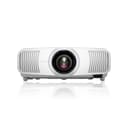 |  |
|---|---|---|
| Price | $4000 | $3199 |
| Rating | 4.2(114) | 4.4(275) |
| Brightness Ansi Lumens | 2500 | 2400 |
| Native Resolution | 4K Pixel Shift | 4K Pixel Shift |
| Gaming Input Lag Ms | — | 4.2 |
| Lens Shift | Yes | — |
| Weight | 28 lbs | — |
| Hdr Support | Yes | Yes |
| Light Source | Laser | Laser |
| Contrast Ratio | 1200000:1 | 30000:1 |
| Throw Ratio | — | 0.21 |
| Speaker Watts | — | 60W |
| Lamp Life Hours | — | 30000 hrs |
Swipe horizontally to see all columns
Pros & Cons
Quick overview of strengths and weaknesses
Epson Home Cinema
- Displays 3840x2160 via pixel shift technology.
- 2,500 lumens for visible picture in ambient light.
- Laser light source offers consistent long-term brightness.
- 120 Hz refresh rate ensures smoother motion content.
- Unit weight of 28 lbs complicates mounting logistics.
- Uses pixel shift for 4K; not a true native 4K display.
NexiGo Aurora Pro
- Achieves >30,000:1 contrast with dynamic laser dimming.
- Offers 4.2ms to 8ms input latency for 4K gaming.
- 0.21:1 throw ratio projects large image in small space.
- ALPD 5.0 engine delivers 107% BT.2020 color gamut.
- Optimal performance often requires a dedicated ALR screen.
- Utilizes 4K pixel shift technology, not native 4K.
- Fixed lens design limits placement flexibility.
Frequently Asked Questions
Common questions about this comparison
Which projector is better for ambient light conditions?
The Epson LS11000, with 2500 ANSI lumens, is slightly brighter than the NexiGo Aurora Pro MKII's 2400 ANSI lumens. Both perform well, but the Epson has a marginal edge in brightness.
Do both projectors offer true native 4K resolution?
No, both the Epson LS11000 and NexiGo Aurora Pro MKII utilize 4K Pixel Shift technology to achieve a 3840x2160 resolution, rather than having a true native 4K display chip.
What are the key audio differences?
The NexiGo Aurora Pro MKII includes powerful 60W built-in speakers and supports Dolby Vision & Atmos, offering a complete audio solution. The Epson LS11000 focuses on video, assuming external audio integration.
How do their contrast ratios compare?
The Epson LS11000 boasts a significantly higher contrast ratio of 1,200,000:1, compared to the NexiGo Aurora Pro MKII's 30,000:1, which generally results in deeper blacks and more dynamic images from the Epson.
Which projector offers better installation flexibility?
The Epson LS11000 offers superior flexibility with its motorized lens shift, focus, and zoom for traditional long-throw setups. The NexiGo, being a UST projector, has a fixed lens and requires precise placement close to the screen.
Related Comparisons
Similar products people compare
Epson vs Sony
$4000 vs $5998
BenQ vs Epson
$2999 vs $4000
BenQ vs NexiGo
$2999 vs $3199
LG vs NexiGo
$4419 vs $3199
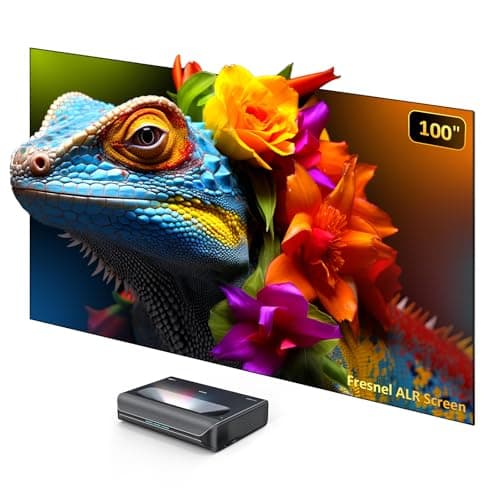
NexiGo vs NexiGo
$2999 vs $3199
Epson vs LG
$4000 vs $4419
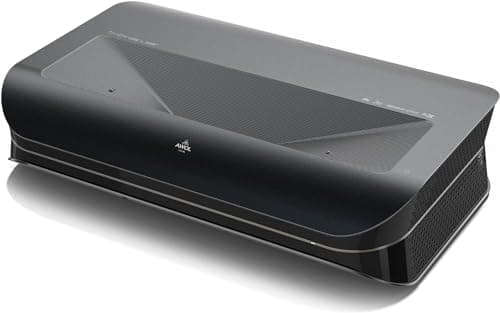
AWOL VISION vs Epson
$3499 vs $4000
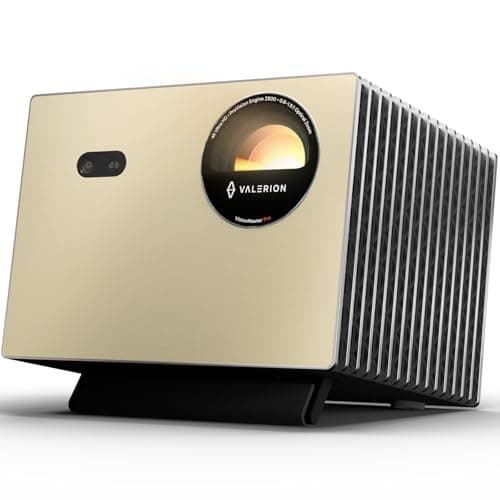
NexiGo vs Valerion
$3199 vs $1999
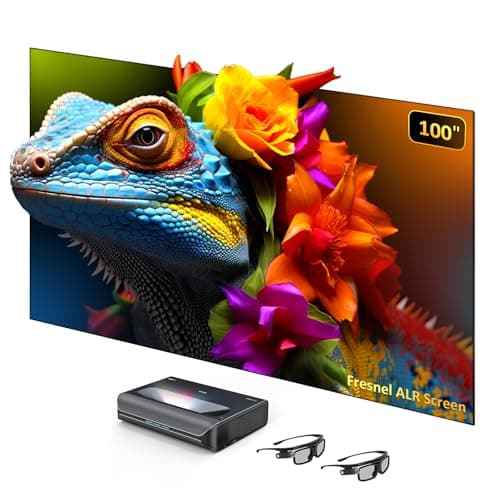
NexiGo vs NexiGo
$3099 vs $3199
NexiGo vs Sony
$3199 vs $4500
Epson vs Optoma
$4000 vs $3499
AWOL VISION vs NexiGo
$3499 vs $3199
Explore Other Categories
Popular comparisons across the site


Ask AI
Get instant answers about specs
Get the Deets
Ask our AI assistant
Ask Deets anything!