Our Verdict
ViewSonic LX700-4K Wins
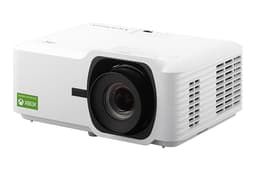
It offers superior visual fidelity with Native 4K resolution compared to BenQ's 4K Pixel Shift, and a significantly brighter image at 4000 ANSI lumens versus BenQ's 3200 ANSI lumens. All this comes at a substantially lower price of $1635.1, providing excellent value. The BenQ TK710STi is the better pick for dedicated competitive gamers who prioritize 4ms input lag specifically at 1080p/240Hz and desire integrated smart TV functionality.
Bottom Line: ViewSonic LX700-4K is the better choice. It offers superior visual fidelity with Native 4K resolution compared to BenQ's 4K Pixel Shift, and a significantly brighter image at 4000 ANSI lumens versus BenQ's 3200 ANSI lumens.
In-Depth Analysis
How they compare in practice
The BenQ TK710STi and ViewSonic LX700-4K both leverage durable laser light sources and cater to home entertainment, but significant differences emerge in resolution, brightness, and overall value. The ViewSonic LX700-4K stands out with a true Native 4K resolution, meaning each pixel is rendered distinctly, leading to crisper and more detailed images, especially noticeable on larger screens or when viewing high-resolution content. In contrast, the BenQ TK710STi utilizes 4K Pixel Shift technology, which rapidly shifts pixels to create a perceived 4K image, a technique that while effective, generally doesn't achieve the same level of sharpness as native 4K. For viewers prioritizing absolute image clarity, the ViewSonic offers a tangible advantage.
Brightness is another key differentiator. The ViewSonic boasts an impressive 4000 ANSI lumens, allowing for a vibrant picture even in rooms with some ambient light, making it more versatile for varied viewing environments. The BenQ, while still bright at 3200 ANSI lumens, will struggle more in similar conditions, requiring darker rooms for optimal performance. This 800-lumen difference significantly impacts real-world usability, with the ViewSonic providing a more flexible viewing experience without needing complete blackout conditions.
When it comes to gaming, both projectors offer excellent low input lag, with the BenQ at 4ms and the ViewSonic at 4.2ms. For most gamers, this 0.2ms difference is imperceptible. However, the BenQ specifically advertises its 4ms lag at 1080p/240Hz, catering to competitive gamers who prioritize high refresh rates for fast-paced titles. The ViewSonic, while responsive, doesn't specify 240Hz support, focusing on a broader smooth home entertainment experience. A notable trade-off is the BenQ's inclusion of integrated Android TV, Netflix, Chromecast, and AirPlay, offering a comprehensive smart platform out-of-the-box. The ViewSonic lacks these smart features, necessitating external streaming devices. However, the ViewSonic's significantly lower price point of $1635.1 versus BenQ's $2199.0 makes it a more compelling value proposition for many, allowing budget allocation towards external smart devices if desired, while still securing superior native resolution and brightness.
Key Differences
The most significant spec differences at a glance
Brightness Ansi Lumens
20% lessGaming Input Lag Ms
5% lessAdvantages
Where each product wins

ViewSonic
- Brightness Ansi Lumens: 20% higher (3200 vs 4000)
- Gaming Input Lag Ms: 5% higher (4 vs 4.2)
Which to Pick for Your Situation
Concrete scenarios with a clear recommendation
For the best cinematic image quality
ViewSonicThe ViewSonic LX700-4K offers Native 4K resolution, providing sharper and more detailed visuals compared to the BenQ's 4K Pixel Shift.
For a budget-conscious home theater setup
ViewSonicAt $1635.1, the ViewSonic LX700-4K is significantly more affordable than the BenQ TK710STi ($2199.0), while still delivering Native 4K and high brightness.
For competitive gaming at high refresh rates
BenQThe BenQ TK710STi offers an ultra-low 4ms input lag specifically at 1080p/240Hz, catering to serious competitive gamers.
For viewing in rooms with ambient light
ViewSonicThe ViewSonic LX700-4K boasts 4000 ANSI lumens, making it significantly brighter and more capable in less-than-dark environments than BenQ's 3200 lumens.
Who Should Buy Which?
Find the right product for your needs

Buy BenQ if...
BenQ TK710STi 4K HDR
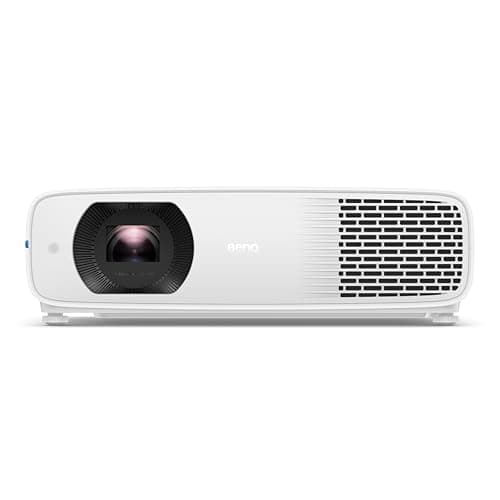
The BenQ TK710STi is tailored for the avid home entertainment enthusiast who also happens to be a serious, competitive gamer. This buyer prioritizes an exceptionally fluid and responsive gaming experience, particularly for fast-paced titles where every millisecond counts, leveraging the projector's 4ms input lag at 1080p/240Hz. Beyond gaming, they value convenience and a streamlined setup, appreciating the integrated Android TV with Netflix, Chromecast, and AirPlay, which provides immediate access to streaming content without needing external devices. They might live in a space where a short-throw projector is advantageous, allowing for a large image from a short distance. While not needing the absolute sharpest Native 4K or highest brightness, they are willing to invest a premium ($2199.0) for the blend of low-latency gaming and comprehensive smart features, even if it means accepting 4K Pixel Shift over true Native 4K and a slightly lower 3200 ANSI lumens brightness.

Buy ViewSonic if...
ViewSonic LX700-4K 3500 Lumens
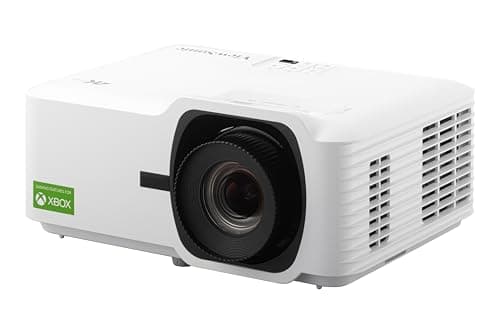
The ViewSonic LX700-4K is the ideal choice for home theater aficionados and casual to serious gamers seeking the best visual fidelity and brightness without breaking the bank. This buyer's primary focus is on experiencing movies, TV shows, and games in stunning clarity, which the projector's Native 4K resolution and impressive 4000 ANSI lumens deliver consistently. They appreciate that they don't need a perfectly dark room for a vibrant image, making it versatile for family movie nights or gaming sessions during the day. While they might not need integrated smart features, they are comfortable using external streaming devices or media players. They are budget-conscious but unwilling to compromise on core performance, finding the $1635.1 price point an exceptional value for a laser projector with true Native 4K and excellent gaming response at 4.2ms input lag. What they give up in integrated smarts and an imperceptibly lower input lag for competitive high-refresh-rate gaming, they gain in superior native image sharpness and brightness for a more immersive overall viewing experience.
Spec Comparison
9 specs compared
| Specification | 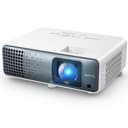 |  |
|---|---|---|
| Price | $2199 | $1623 |
| Rating | 4.4(412) | 4.0(111) |
| Brightness Ansi Lumens | 3200 | 4000 |
| Native Resolution | 4K Pixel Shift | Native 4K |
| Gaming Input Lag Ms | 4 | 4.2 |
| Hdr Support | Yes | Yes |
| Light Source | Laser | Laser |
| Keystone Correction | Full (H+V) | Full (H+V) |
| Hdmi Ports | — | 2 |
| Throw Ratio | — | 1.3 |
| Model Number | — | LX700-4K |
Swipe horizontally to see all columns
Pros & Cons
Quick overview of strengths and weaknesses
BenQ TK710STi 4K
- 3200 ANSI lumens; bright in ambient light.
- Durable laser light source; no lamp replacements.
- 4ms input lag @ 1080p/240Hz for competitive gaming.
- Integrated Android TV for direct streaming access.
- 4K resolution achieved via pixel shifting, not native.
- 4ms input lag limited to 1080p@240Hz content.
ViewSonic LX700-4K 3500
- 4000 ANSI lumens ensures bright images.
- Native 4K resolution delivers sharp visuals.
- 4.2ms input lag for responsive gaming.
- Laser light source provides long operating life.
- Lacks lens shift for advanced placement.
- Only two HDMI inputs, may limit connections.
- No integrated smart TV functions.
Frequently Asked Questions
Common questions about this comparison
What is the key difference in their 4K resolution?
The ViewSonic LX700-4K features Native 4K resolution, meaning true individual pixels. The BenQ TK710STi achieves 4K via Pixel Shift technology, which rapidly shifts pixels to create a perceived 4K image.
Which projector is brighter for daytime viewing?
The ViewSonic LX700-4K is significantly brighter with 4000 ANSI lumens. The BenQ TK710STi has 3200 ANSI lumens, which is still good but less capable in rooms with ambient light.
How do they compare for gaming input lag?
Both offer excellent low input lag. The BenQ TK710STi has 4ms, specified at 1080p/240Hz. The ViewSonic LX700-4K offers 4.2ms, which is still highly responsive for most gaming.
Does either projector have integrated smart TV features?
Yes, the BenQ TK710STi comes with integrated Android TV, including Netflix, Chromecast, and AirPlay. The ViewSonic LX700-4K does not include smart TV functions.
What kind of light source do these projectors use?
Both the BenQ TK710STi and the ViewSonic LX700-4K utilize a durable and long-lasting laser light source, eliminating the need for frequent lamp replacements.
Related Comparisons
Similar products people compare
BenQ vs ViewSonic
$1599 vs $1623
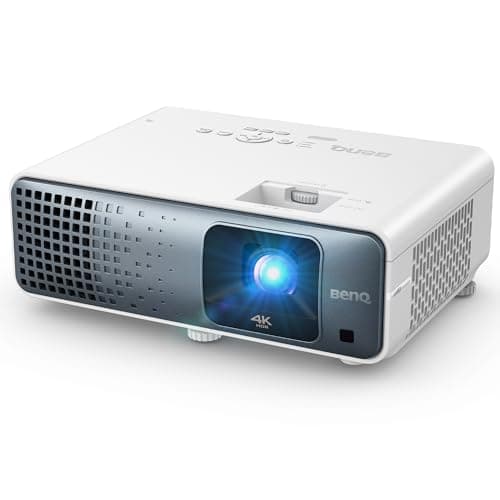
BenQ vs ViewSonic
$1998 vs $1623
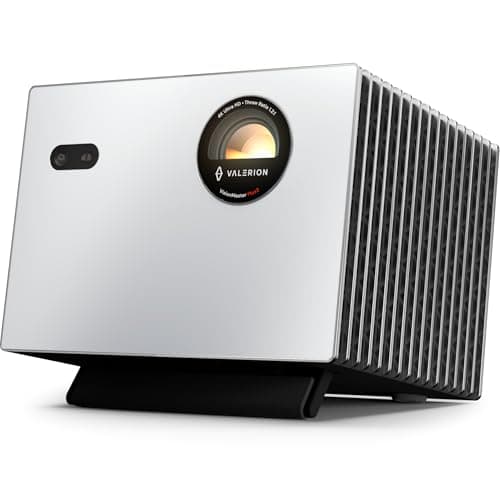
Valerion vs ViewSonic
$1499 vs $1623
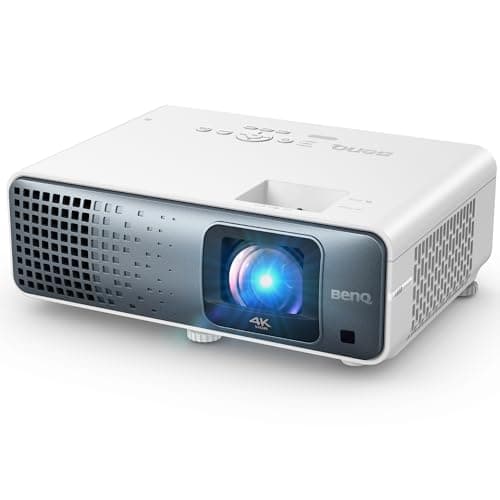
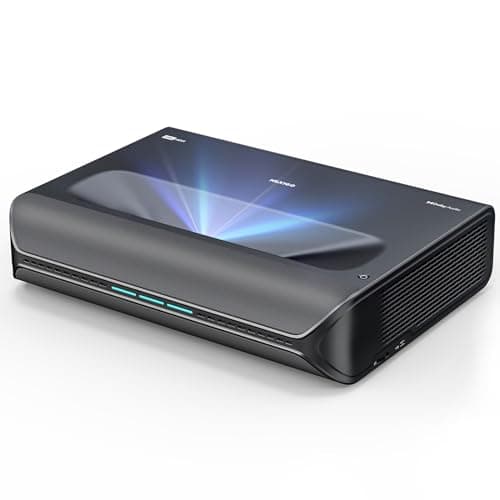
BenQ vs NexiGo
$2199 vs $2299
BenQ vs BenQ
$1998 vs $2199
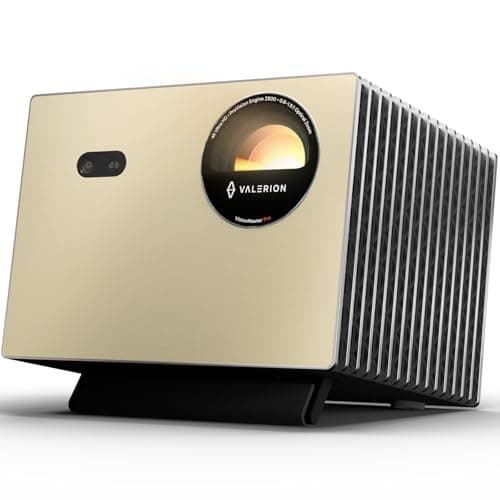
Valerion vs ViewSonic
$1999 vs $1623
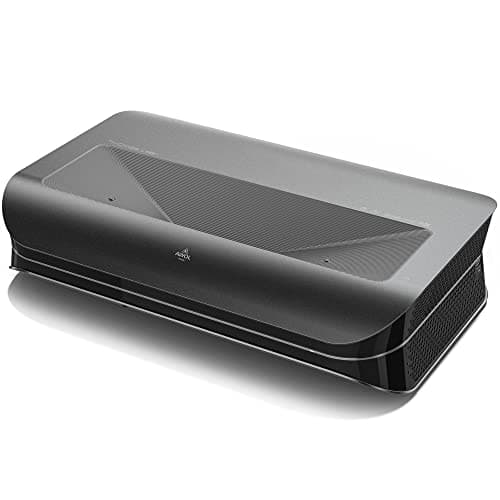
AWOL VISION vs BenQ
$2299 vs $2199
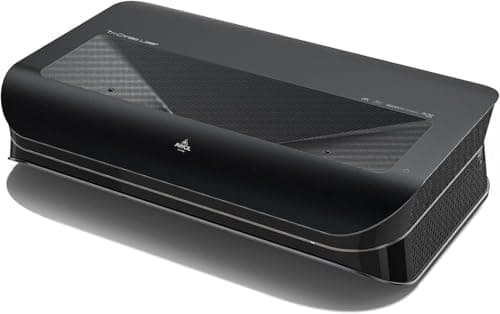
AWOL VISION vs BenQ
$2499 vs $2199
BenQ vs Valerion
$2199 vs $1999
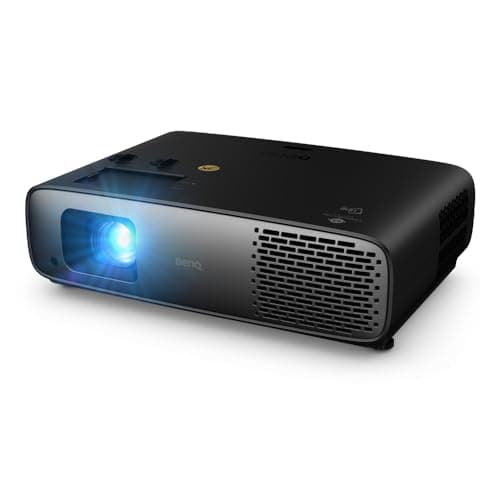
BenQ vs BenQ
$2199 vs $2799
BenQ vs NexiGo
$2199 vs $2999
BenQ vs NexiGo
$2199 vs $3099
BenQ vs BenQ
$1599 vs $2199
BenQ vs Epson
$2199 vs $3199
NexiGo vs ViewSonic
$2299 vs $1623
Explore Other Categories
Popular comparisons across the site









Ask AI
Get instant answers about specs
Get the Deets
Ask our AI assistant
Ask Deets anything!