Our Verdict
BenQ TK710STi Wins
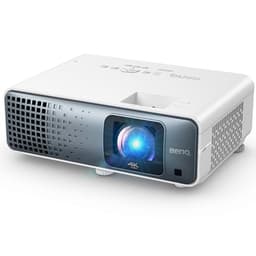
It offers superior brightness with 3200 ANSI lumens compared to the Epson's 2500 lumens, a critical 4ms input lag at 1080p/240Hz for gamers, and integrated Android TV, all at a significantly lower price of $2199. While both utilize 4K pixel shifting, the BenQ provides a better overall value and performance for its cost. The Epson Home Cinema LS11000 is the better pick for dedicated home theater enthusiasts who prioritize advanced image calibration with its motorized lens controls and higher contrast ratio, provided the $3199 price and renewed status are acceptable.
Bottom Line: BenQ TK710STi is the better choice. It offers superior brightness with 3200 ANSI lumens compared to the Epson's 2500 lumens, a critical 4ms input lag at 1080p/240Hz for gamers, and integrated Android TV, all at a significantly lower price of $2199.
In-Depth Analysis
How they compare in practice
The BenQ TK710STi and Epson LS11000 both leverage laser light sources and 4K pixel-shifting technology, but their execution and target audiences diverge significantly. The most immediate difference is brightness; the BenQ boasts a robust 3200 ANSI lumens, outshining the Epson's 2500 lumens. In real-world use, this 700-lumen difference means the BenQ can better contend with ambient light, making it more versatile for living rooms or spaces that aren't completely dark. The Epson, while still bright, will demand a darker environment to truly shine, but it compensates with an impressive 1,200,000:1 dynamic contrast ratio, promising deeper blacks and more nuanced shadow detail crucial for cinematic experiences.
For gamers, the BenQ TK710STi stands out decisively. Its stated 4ms input lag when operating at 1080p/240Hz is exceptional for a projector, offering a highly responsive gaming experience on par with many dedicated gaming monitors. The Epson LS11000, while capable of 120Hz, does not specify its input lag, implying it's not a primary focus and likely higher than the BenQ's. This makes the BenQ the obvious choice for competitive gamers or those sensitive to delay. Furthermore, the BenQ includes integrated Android TV, Chromecast, and AirPlay, streamlining access to streaming services without requiring additional devices, a convenience not directly offered by the Epson.
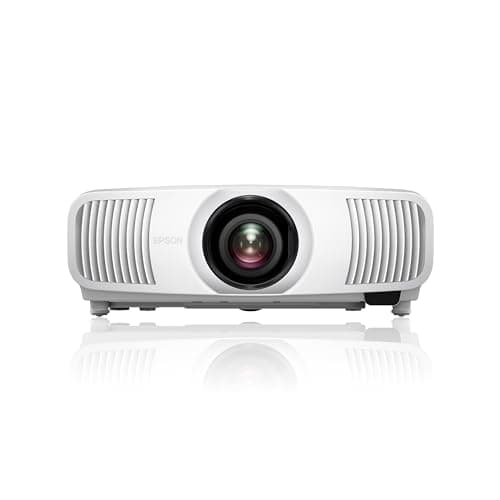
Conversely, the Epson LS11000 caters to a more traditional, high-end home theater demographic. Its motorized lens shift, focus, and zoom provide unparalleled flexibility during installation and calibration. This allows for precise image placement and adjustment without physically moving the projector, which is invaluable for professional installations or custom home theater rooms where perfection is paramount. The BenQ’s full H+V keystone is helpful but less precise than motorized lens controls. The Epson’s HDMI 2.1 support also hints at readiness for future high-bandwidth content. The $1000 price difference, with the Epson being a renewed unit, positions the BenQ as a significantly stronger value proposition for most users, particularly those prioritizing brightness and gaming performance in a versatile projector.
Key Differences
The most significant spec differences at a glance
Brightness Ansi Lumens
28% moreAdvantages
Where each product wins

BenQ
- Brightness Ansi Lumens: 28% higher (3200 vs 2500)
Which to Pick for Your Situation
Concrete scenarios with a clear recommendation
For the ultimate gaming setup
BenQThe BenQ TK710STi offers an exceptional 4ms input lag at 1080p/240Hz, crucial for competitive and immersive gaming.
For a dedicated home theater room focusing on image quality
EpsonThe Epson LS11000 features a superior 1,200,000:1 contrast ratio and motorized lens controls for precise image calibration and cinematic immersion.
For use in a living room with some ambient light
BenQThe BenQ TK710STi's 3200 ANSI lumens provides significantly more brightness, making content more visible even with some ambient light present.
For budget-conscious buyers seeking premium features
BenQPriced $1000 lower at $2199, the BenQ TK710STi still offers a laser light source, 4K pixel shift, and integrated smart TV functionality, providing excellent value.
Who Should Buy Which?
Find the right product for your needs

Buy BenQ if...
BenQ TK710STi 4K HDR
The BenQ TK710STi is ideal for the modern entertainment enthusiast who prioritizes a versatile projector capable of handling both cinematic content and high-speed gaming in various home environments. This buyer likely has a living room or a flexible media space rather than a completely light-controlled home theater. They value convenience, wanting a robust image without extensive setup hassles. A crucial priority for them is gaming performance; they need minimal input lag, specifically benefiting from the 4ms response time at 1080p/240Hz, making competitive gaming fluid and responsive. They appreciate the strong 3200 ANSI lumens brightness, knowing their projection won't be completely washed out by ambient light from windows or general room lighting. Furthermore, the integrated Android TV platform with Netflix, Chromecast, and AirPlay is a significant draw, simplifying their setup by eliminating the need for external streaming devices and ensuring immediate access to their favorite content. This buyer is budget-conscious, recognizing the exceptional value of a laser-powered 4K pixel-shift projector at its $2199 price point. They are willing to forgo the ultra-fine-tuned controls of motorized lenses for a brighter, more gaming-centric, and all-in-one entertainment hub.

Buy Epson if...
Epson Home Cinema LS11000
The Epson Home Cinema LS11000 is perfect for the discerning home theater aficionado who values pristine image quality and precise calibration above all else, and is willing to invest more for these benefits. This buyer likely has a dedicated, light-controlled home theater room where every detail matters. Their primary use case is watching movies, TV shows, and perhaps casual gaming, where cinematic immersion and deep contrast are paramount. They prioritize image fidelity, and the Epson's impressive 1,200,000:1 dynamic contrast ratio delivers the deep blacks and nuanced shadows that contribute to a truly premium viewing experience. Installation flexibility is also a key concern. The motorized lens shift, focus, and zoom are indispensable features for achieving a perfectly framed and sharp image in their specific room setup, allowing for fine adjustments without physically moving the projector. While its 2500 lumens is less than the BenQ, it's more than sufficient for a dark room. This buyer understands that the "renewed" status might impact the price and warranty, but the appeal of higher-end features like advanced lens controls and superior contrast justifies the $3199 price point. They are not primarily concerned with competitive gaming's ultra-low input lag or integrated smart TV features, preferring to use external, dedicated streaming or media players. They are investing in a projector that promises an uncompromising, high-quality cinematic experience.
Spec Comparison
8 specs compared
| Specification |  |  |
|---|---|---|
| Price | $2199 | $3199 |
| Rating | 4.4(412) | 4.3(16) |
| Brightness Ansi Lumens | 3200 | 2500 |
| Native Resolution | 4K Pixel Shift | 4K Pixel Shift |
| Gaming Input Lag Ms | 4 | — |
| Hdr Support | Yes | Yes |
| Light Source | Laser | Laser |
| Keystone Correction | Full (H+V) | — |
| Lens Shift | — | Yes |
| Contrast Ratio | — | 1200000:1 |
Swipe horizontally to see all columns
Pros & Cons
Quick overview of strengths and weaknesses
BenQ TK710STi 4K
- 3200 ANSI lumens; bright in ambient light.
- Durable laser light source; no lamp replacements.
- 4ms input lag @ 1080p/240Hz for competitive gaming.
- Integrated Android TV for direct streaming access.
- 4K resolution achieved via pixel shifting, not native.
- 4ms input lag limited to 1080p@240Hz content.
Epson Home Cinema
- 4K PRO-UHD pixel shifting delivers sharp images.
- 2,500 lumens for bright ambient light rooms.
- Laser light source for long operational life.
- 1,200,000:1 dynamic contrast ratio.
- 4K PRO-UHD resolution is pixel-shifted, not native.
- Renewed status may affect warranty or reliability.
Frequently Asked Questions
Common questions about this comparison
Which projector is brighter?
The BenQ TK710STi is brighter, offering 3200 ANSI lumens compared to the Epson LS11000's 2500 lumens, making it more suitable for rooms with ambient light.
Is either projector truly native 4K?
No, both the BenQ TK710STi and Epson LS11000 achieve 4K resolution using pixel shift technology, not a native 3840 x 2160 panel.
Which projector is better for gaming responsiveness?
The BenQ TK710STi is superior for gaming with its incredibly low 4ms input lag at 1080p/240Hz, providing a highly responsive experience.
Does either projector include built-in streaming apps?
Yes, the BenQ TK710STi features integrated Android TV, Netflix, Chromecast, and AirPlay, offering direct access to streaming services.
What is the advantage of the Epson's motorized lens?
The Epson LS11000's motorized lens allows for precise remote adjustment of zoom, focus, and lens shift, simplifying setup and fine-tuning without physical interaction.
How does the price compare between the two?
The BenQ TK710STi is significantly more affordable at $2199, while the Epson LS11000 is priced at $3199, and is a renewed model.
Related Comparisons
Similar products people compare
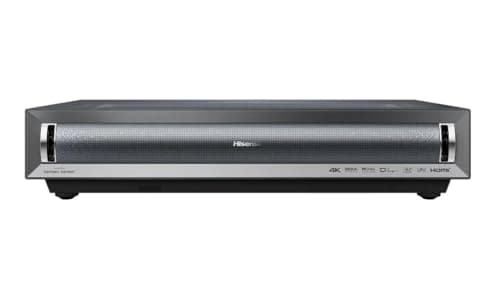
Epson vs Hisense
$3199 vs $2998
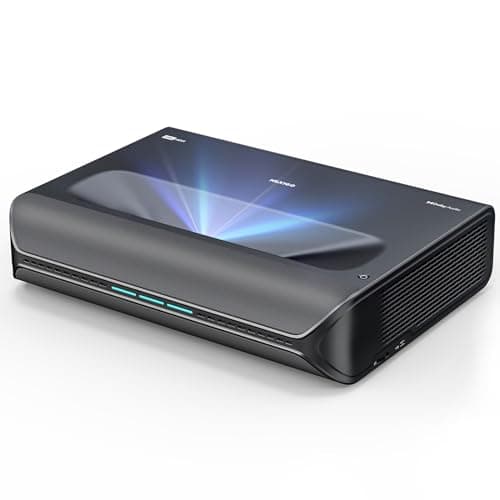
Epson vs NexiGo
$3199 vs $2299
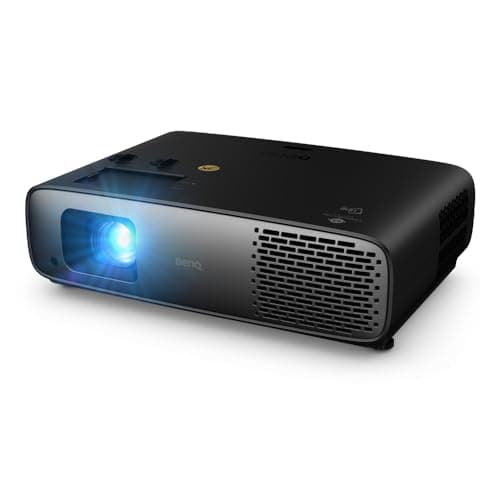
BenQ vs Epson
$2799 vs $3199
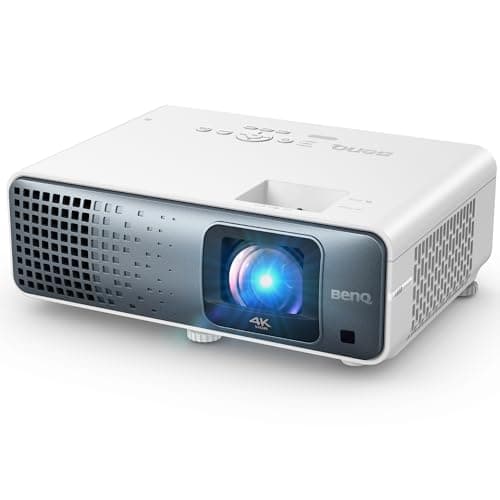
BenQ vs NexiGo
$2199 vs $2299
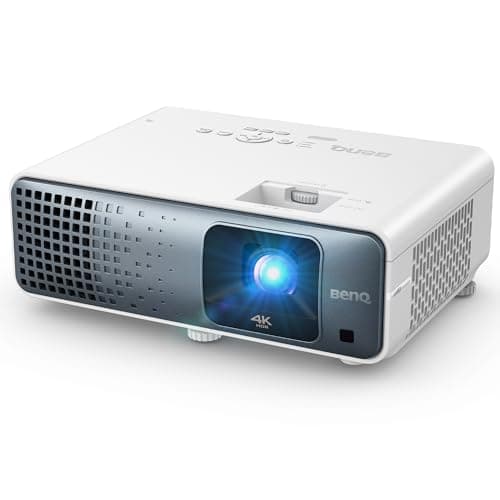
BenQ vs BenQ
$1998 vs $2199
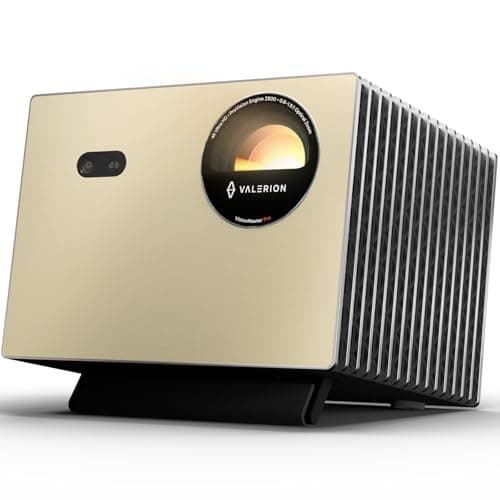
Epson vs Valerion
$3199 vs $1999
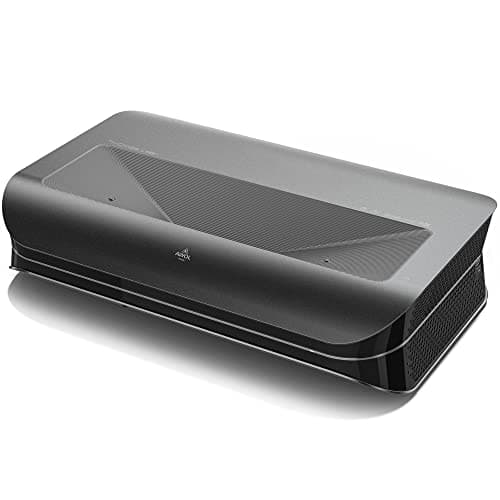
AWOL VISION vs BenQ
$2299 vs $2199
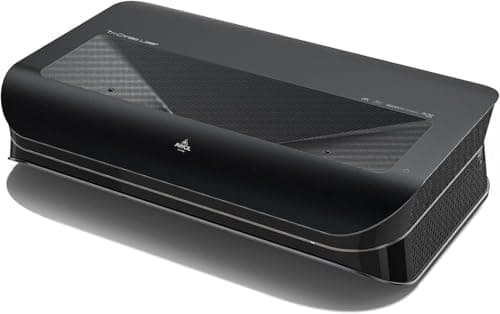
AWOL VISION vs BenQ
$2499 vs $2199
BenQ vs Valerion
$2199 vs $1999
Epson vs NexiGo
$3199 vs $3099
BenQ vs BenQ
$2199 vs $2799
BenQ vs NexiGo
$2199 vs $2999
BenQ vs NexiGo
$2199 vs $3099
AWOL VISION vs Epson
$2299 vs $3199
BenQ vs BenQ
$1599 vs $2199
Explore Other Categories
Popular comparisons across the site





Ask AI
Get instant answers about specs
Get the Deets
Ask our AI assistant
Ask Deets anything!