Our Verdict
FIFINE A6B Wins
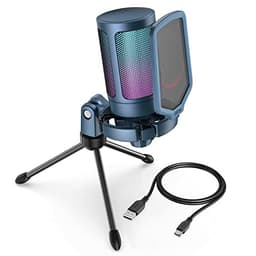
It offers superior audio fidelity with 24-bit depth compared to the TONOR TC30's unspecified bit depth, alongside crucial on-mic gain control and a quick-touch mute button, all at a lower price point of $26.34 versus $31.99. The FIFINE's 48kHz sample rate matches the TONOR, providing excellent clarity for its class. The TONOR TC30 could be a better pick for users who prioritize robust vibration dampening, as its 'concealed shock mount effectively dampens vibrations', potentially offering a more stable recording experience than FIFINE's desk stand, which is noted to be 'prone to transmitted vibrations'.
Bottom Line: FIFINE A6B is the better choice. It offers superior audio fidelity with 24-bit depth compared to the TONOR TC30's unspecified bit depth, alongside crucial on-mic gain control and a quick-touch mute button, all at a lower price point of $26.
In-Depth Analysis
How they compare in practice
When comparing the FIFINE A6B and TONOR TC30, the primary distinction lies in their feature sets and subtle design choices, especially considering their similar core specifications and price points. Both microphones are USB-connected, employ a cardioid polar pattern, and capture audio at a 48kHz sample rate, making them suitable for focused voice capture while minimizing ambient noise. However, the FIFINE A6B immediately stands out with its stated 24-bit depth, which translates to a significantly wider dynamic range and greater detail in recordings compared to the TONOR TC30, whose bit depth is unspecified and likely defaults to 16-bit. This makes the FIFINE a more capable tool for users demanding higher fidelity in their streams or vocal recordings.
A crucial practical difference for streamers and content creators is the inclusion of on-mic controls. The FIFINE A6B boasts an integrated gain control knob and a quick-touch mute button with an indicator. These features are indispensable for live applications, allowing immediate adjustments to input levels and instant muting without needing to delve into software settings. The TONOR TC30 lacks these explicit on-mic controls, meaning users must rely on operating system or application settings for basic audio management, which can be less convenient during a live broadcast or gaming session.
Both microphones come with essential accessories like a pop filter and a shock mount. However, their approaches to vibration dampening differ. The FIFINE's desk stand is noted to be 'prone to transmitted vibrations,' which could introduce unwanted rumble if a user types heavily or bumps their desk. In contrast, the TONOR TC30 explicitly highlights its 'concealed shock mount' that 'dampens vibrations effectively.' This suggests the TONOR might offer a more robust solution for mitigating desk-borne noise, an important consideration for many users. While the FIFINE provides a pop filter and shock mount, its desk stand might still be a weak point in noisy environments.
Ultimately, the FIFINE A6B offers superior value at $26.34 with its 24-bit depth and crucial on-mic controls. The TONOR TC30, at $31.99, focuses more on effective vibration dampening, which might appeal to users in environments where desk noise is a significant concern and they are willing to forego direct mic controls.
Which to Pick for Your Situation
Concrete scenarios with a clear recommendation
For live streaming and gaming
FIFINEThe FIFINE A6B's integrated gain control knob and quick-touch mute button are essential for immediate audio adjustments during live broadcasts or intense gaming sessions.
For budget-conscious creators prioritizing audio quality
FIFINEThe FIFINE A6B offers 24-bit depth for higher fidelity and a 48kHz sample rate at a lower price point of $26.34, providing excellent value.
For minimizing desk vibrations in a noisy setup
TONORThe TONOR TC30 features a 'concealed shock mount that dampens vibrations effectively,' making it potentially better at isolating unwanted desk noise compared to FIFINE's stand.
For simple plug-and-play voice chat without complex controls
TieBoth microphones offer USB plug-and-play functionality with a cardioid pattern, making them equally suitable for basic voice communication without advanced features.
Who Should Buy Which?
Find the right product for your needs

Buy FIFINE if...
FIFINE Gaming Streaming USB
The FIFINE A6B is the ideal choice for an aspiring streamer, gamer, podcaster, or remote professional seeking excellent audio fidelity and practical control at an affordable price. This buyer prioritizes clear, high-quality voice capture and the convenience of managing their sound directly from the microphone. They need the 24-bit depth and 48kHz sample rate to ensure their voice sounds rich and professional, whether they're broadcasting to an audience or participating in critical online meetings. The integrated gain control knob and quick-touch mute button are crucial for their workflow, allowing them to adjust levels on the fly or silence themselves instantly without fumbling with software. While they acknowledge the desk stand might transmit some vibrations, they are likely to use a boom arm or prefer the on-mic functionality over absolute vibration isolation, which they might compensate for with careful setup. This user values a feature-rich, budget-friendly microphone that delivers above its weight class.

Buy TONOR if...
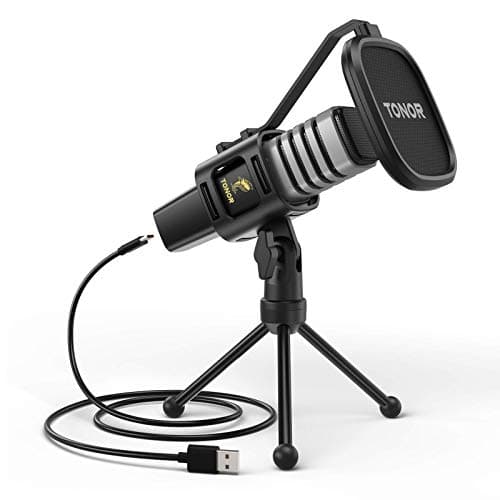
TONOR USB Microphone for
The TONOR TC30 is best suited for users who prioritize robust vibration dampening and a clean, focused sound capture, even if it means sacrificing some on-mic controls or a higher bit depth. This buyer might operate in an environment where desk-borne noise is a persistent issue, such as a shared workspace or a gaming setup prone to bumps and knocks. They value the promise of a 'concealed shock mount that dampens vibrations effectively,' as their primary need is to deliver clear audio free from distracting rumbles. While they won't find integrated gain control or a mute button directly on the mic, they are comfortable adjusting audio levels through their operating system or streaming software. They are looking for a reliable, no-frills USB microphone that excels in its core function of capturing focused, stable audio at a 48kHz sample rate, without necessarily needing the advanced 24-bit depth of its competitor. Their budget is slightly higher, but they see the value in the TONOR's robust build and effective noise isolation features for a more consistent recording experience.
Spec Comparison
8 specs compared
| Specification |  |  |
|---|---|---|
| Price | $26 | $32 |
| Rating | 4.6(14.3k) | 4.5(22.4k) |
| Sample Rate | 48 kHz | 48 kHz |
| Bit Depth | 24 | — |
| Connection | USB | USB |
| Polar Pattern | Cardioid | Cardioid |
| Mute Button | Yes | — |
| Gain Control | Yes | — |
| Model Number | A6B | TC30 |
| Software | — | None |
Swipe horizontally to see all columns
Pros & Cons
Quick overview of strengths and weaknesses
FIFINE Gaming Streaming
- Cardioid pattern captures direct voice
- 24-bit/48kHz audio resolution
- Integrated gain control knob
- Quick-touch mute button with indicator
- Limited to USB connection
- No headphone jack for direct monitoring
- Fixed cardioid polar pattern
- Desk stand prone to transmitted vibrations
TONOR USB Microphone
- USB 2.0 plug and play on Windows, macOS, Linux
- Cardioid pattern reduces off-axis background noise
- Concealed shock mount dampens vibrations effectively
- Includes pop filter, tripod stand, and shock mount
- Incompatible with phones and Xbox consoles
- iPad connectivity requires a separate adapter
- No dedicated software suite for audio control
Frequently Asked Questions
Common questions about this comparison
Which microphone offers better audio quality for recordings?
The FIFINE A6B provides 24-bit depth, offering a wider dynamic range and more detailed sound capture than the TONOR TC30, whose bit depth is not specified. Both share a 48kHz sample rate for clear audio.
Do either of these microphones have a headphone jack for direct monitoring?
Neither the FIFINE A6B nor the TONOR TC30 include a headphone jack for zero-latency direct monitoring. Audio monitoring would need to be handled through your computer's output.
Are these microphones compatible with gaming consoles or mobile devices?
The FIFINE A6B is designed for PC/Mac. The TONOR TC30 works with Windows, macOS, and Linux but is incompatible with Xbox consoles and requires an adapter for iPads and phones.
What is the benefit of the cardioid polar pattern on these microphones?
The cardioid polar pattern primarily captures sound from directly in front of the microphone, effectively reducing background noise from the sides and rear. This focuses on your voice for clearer recordings and streams.
Which microphone is better at reducing unwanted desk vibrations?
The TONOR TC30 explicitly highlights its 'concealed shock mount' which 'dampens vibrations effectively.' The FIFINE A6B's desk stand is noted to be 'prone to transmitted vibrations,' suggesting the TONOR may offer superior isolation.
Related Comparisons
Similar products people compare
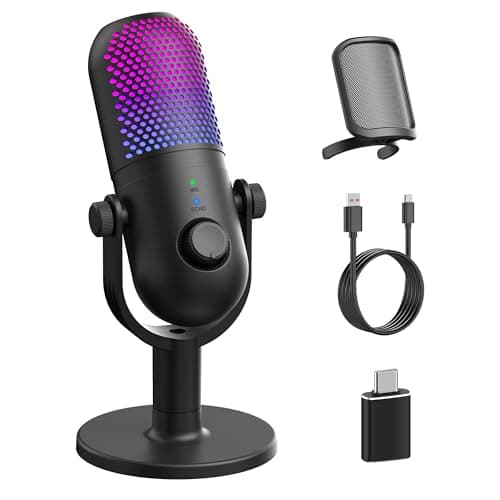
TONOR vs GUEVWES
$32 vs $23
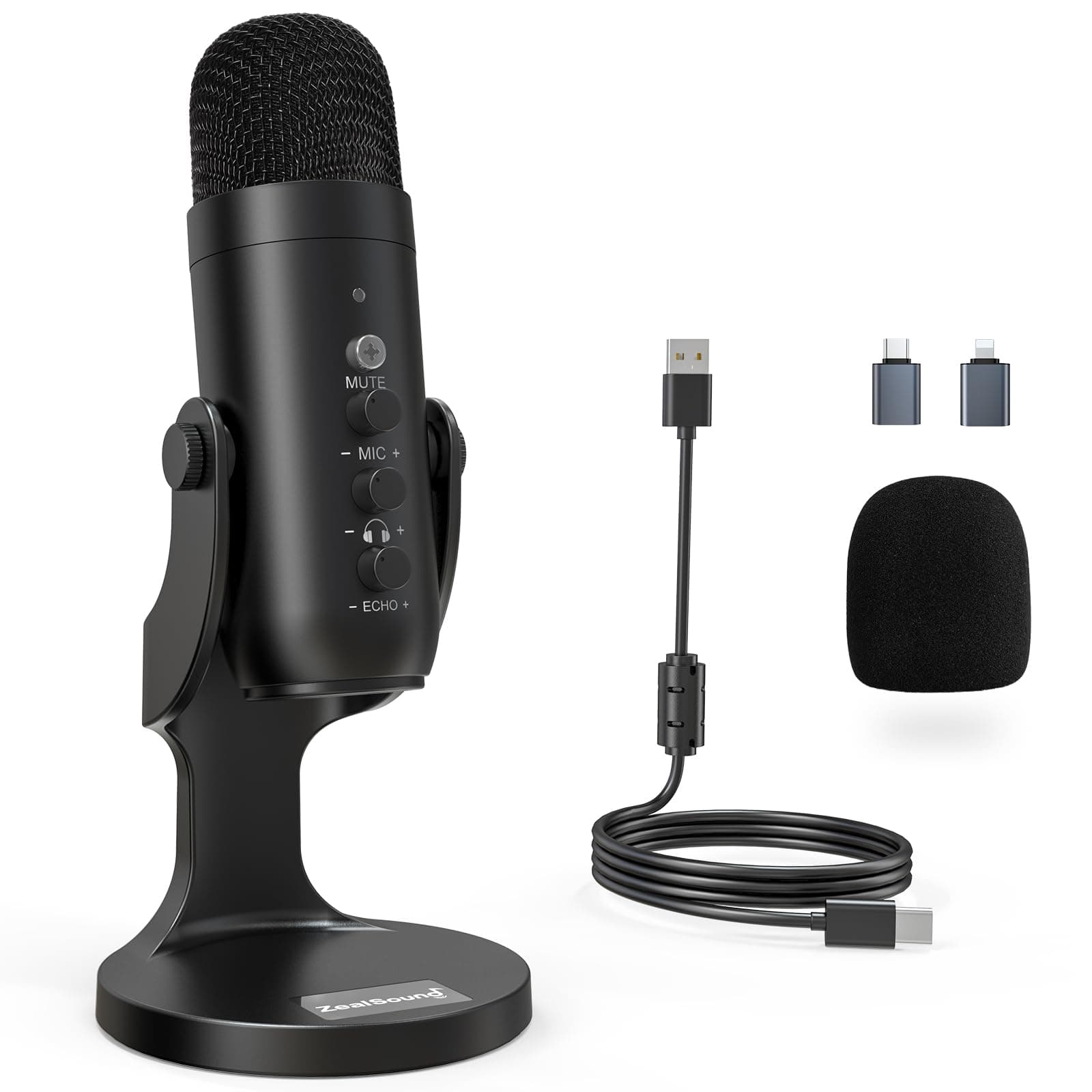
TONOR vs ZealSound
$32 vs $35
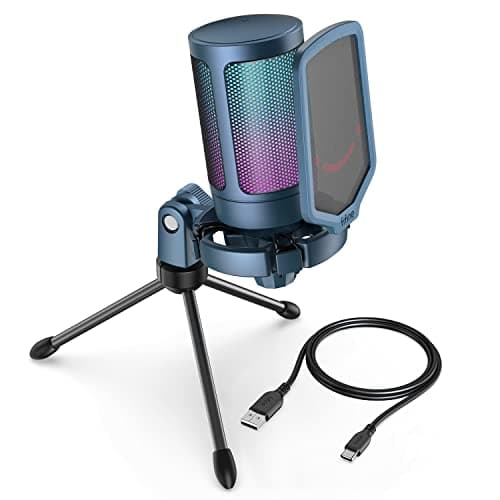
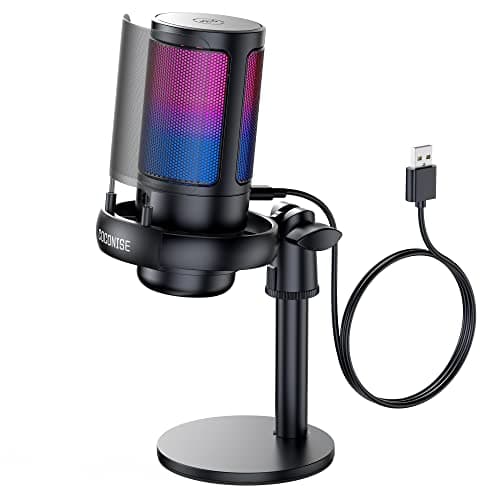
FIFINE vs COCONISE
$26 vs $24
Amazon Basics vs TONOR
$25 vs $32
Movo vs TONOR
$40 vs $32
FIFINE vs GUEVWES
$26 vs $23
MAONO vs TONOR
$42 vs $32
FIFINE vs Movo
$26 vs $40
Amazon Basics vs FIFINE
$25 vs $26
FIFINE vs FIFINE
$26 vs $30
Razer vs TONOR
$40 vs $32
FIFINE vs Razer
$26 vs $40
FIFINE vs ZealSound
$26 vs $35
COCONISE vs TONOR
$24 vs $32
AKG vs TONOR
$40 vs $32
Explore Other Categories
Popular comparisons across the site


Ask AI
Get instant answers about specs
Get the Deets
Ask our AI assistant
Ask Deets anything!