Our Verdict
Jackery Portable Power Station Explorer 300 Wins
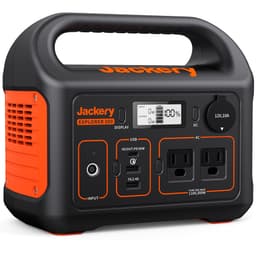
The Jackery E300 offers a superior 293Wh capacity, a notable increase over Apowking's 220Wh, ensuring longer power availability for essential devices. Its exceptional 2-hour recharge time, significantly faster than typical units, provides crucial convenience for quick turnarounds. While priced higher at $229.0 vs Apowking's $159.99, the enhanced performance and speed justify the cost for reliability. The Apowking is the better pick for budget-conscious users prioritizing extreme portability, weighing only 5.0 lbs, and needing basic, shorter-duration power without the demand for rapid recharging or higher overall capacity.
Bottom Line: Jackery Portable Power Station Explorer 300 is the better choice. The Jackery E300 offers a superior 293Wh capacity, a notable increase over Apowking's 220Wh, ensuring longer power availability for essential devices.
In-Depth Analysis
How they compare in practice
The Jackery Explorer 300 and Apowking Portable Power Station 300W both serve the need for portable power, but cater to slightly different priorities through their specifications and feature sets. The most significant real-world difference lies in their capacity and recharge speed. The Jackery E300, with its 293Wh battery, offers a roughly 33% larger power reserve than the Apowking’s 220Wh. This translates directly to longer runtimes for devices, meaning a laptop might get an extra hour or two of charge, or an LED light could stay on significantly longer during an outage or camping trip. For users in remote areas or those experiencing longer blackouts, that additional capacity from the Jackery is a critical advantage.
Another major differentiator is charging speed. The Jackery boasts an impressive 80% recharge in just 2 hours via dual input (AC+USB-C), a feature not explicitly matched by the Apowking. While the Apowking’s charge time isn't specified, typical units in its class often take 4-6 hours, making the Jackery far more convenient for quick turnarounds between uses. Imagine needing power again quickly; the Jackery minimizes downtime. However, the Apowking holds a distinct edge in portability, weighing a mere 5.0 lbs compared to the Jackery’s 7.1 lbs. This 2.1-pound difference is noticeable when backpacking or carrying the unit long distances, making the Apowking the go-to for ultralight enthusiasts.
Both units provide 300W of continuous AC output, sufficient for small appliances, laptops, and CPAP machines. The Apowking does claim a higher peak output of 600W versus Jackery's 500W, which theoretically could handle momentary surges better, though both are limited by the sustained 300W. In terms of connectivity, the Apowking offers more USB-A ports (four versus Jackery's two), potentially better for users with many older USB devices, while the Jackery includes a USB-C port, a modern standard. The Apowking’s significantly lower price point ($159.99 vs. $229.0) makes it an excellent value proposition for those with tighter budgets who can compromise on capacity and rapid charging for a lighter, more affordable unit.
Key Differences
The most significant spec differences at a glance
Battery Capacity
33% morePeak Output
17% lessUSB-A Ports
50% lessWeight
42% moreAdvantages
Where each product wins

Jackery
- Battery Capacity: 33% higher (293 vs 220.0)

Apowking
- Peak Output: 17% higher (500 vs 600.0)
- USB-A Ports: 50% higher (2 vs 4)
- Weight: 42% lower (7.1 vs 5.0)
Which to Pick for Your Situation
Concrete scenarios with a clear recommendation
For extended weekend camping trips
JackeryThe Jackery's 293Wh capacity provides more power reserve compared to Apowking's 220Wh, allowing devices to run longer off-grid.
For budget-conscious users
ApowkingAt $159.99, the Apowking offers substantial savings compared to the Jackery's $229.0, while still providing 220Wh of portable power.
For ultra-light backpacking where every pound counts
ApowkingWeighing only 5.0 lbs, the Apowking is significantly lighter than the Jackery's 7.1 lbs, reducing carry burden.
For rapid recharging between uses
JackeryThe Jackery can recharge 80% in just 2 hours via dual input, a considerable advantage for quick turnarounds.
Who Should Buy Which?
Find the right product for your needs

Buy Jackery if...
Jackery Portable Power Station
The ideal buyer for the Jackery Portable Power Station Explorer 300 is an individual who prioritizes robust performance, rapid recharging, and a greater energy reserve for their off-grid adventures or emergency preparedness. This user is likely an avid camper, a weekend warrior, or someone who frequently faces unreliable power, valuing efficiency and uptime above a rock-bottom price. They need to power devices like laptops, drones, or a CPAP machine for extended periods, making the 293Wh capacity a key advantage over smaller alternatives. The Jackery’s exceptional 2-hour recharge time, achieving 80% via dual input, is a critical feature for those who need minimal downtime and quick power replenishment, perhaps during a brief stop at a charging point or while harnessing intermittent solar energy. This buyer values the convenience of rapid turnaround. While it carries a slightly higher price tag of $229.0 and a weight of 7.1 lbs, they see it as a worthwhile investment for its reliability and the peace of mind offered by its faster charging capability and larger battery. They are willing to forgo the extreme lightweight nature or a few extra USB-A ports in favor of overall performance and a modern USB-C output.

Buy Apowking if...
Portable Power Station 300W,
The Apowking Portable Power Station 300W is perfectly suited for the budget-conscious consumer or the ultra-light traveler who needs basic, reliable portable power without breaking the bank. This user might be a casual day-hiker, a student needing power for a laptop during short power outages, or someone looking for an affordable backup battery for small electronics during occasional outdoor excursions. Their primary concerns are affordability and maximum portability, for which the Apowking excels. Weighing a mere 5.0 lbs, it’s noticeably lighter than competitors, making it an excellent choice for throwing into a backpack without feeling cumbersome. At just $159.99, it offers significant savings, delivering 220Wh of Li-ion capacity which is ample for charging phones multiple times, running an LED light, or powering a small fan for several hours. This buyer might not need the absolute fastest recharge times or the largest capacity, understanding that a lower price point naturally involves some trade-offs. They will appreciate the four USB-A ports for charging multiple standard USB devices simultaneously, even if it lacks a dedicated USB-C port. Essentially, this is for someone who needs practical power on a budget and values portability above all else, making smart compromises for a great value product.
Spec Comparison
13 specs compared
| Specification |  |  |
|---|---|---|
| Price | $229 | $100 |
| Rating | 4.6(10.8k) | 4.1(590) |
| Capacity Wh | 293W | 220W |
| Chemistry | Li-ion | Li-ion |
| AC Output Watts | 300W | 300W |
| Dc Ports | 1 | 1 |
| AC Outlets | 2 | 2 |
| Weight | 7.1 lbs | 5 lbs |
| USB A Ports | 2 | 4 |
| USB C Ports | 1 | — |
| Charge Time Hours | 2 hrs | — |
| Peak Output Watts | 500W | 600W |
| Solar Input Watts | 100W | — |
| Cycle Life | — | 1000 |
| Model Number | — | HP200L |
Swipe horizontally to see all columns
Pros & Cons
Quick overview of strengths and weaknesses
Jackery Portable Power
- 80% recharge in 2 hours via dual input.
- 293Wh Li-ion capacity; 300W pure sine wave AC.
- Weighs 7.1 lbs for easy transport.
- Charges 6 devices; multiple output types.
- Solar panel not included with purchase.
- 300W continuous AC output limit.
- Capacity of 293Wh may be insufficient.
- Single USB-C port.
Apowking Portable Power
- 5 lbs weight for easy transport
- 220Wh capacity powers essential devices
- 7 output ports for simultaneous charging
- Pure Sine Wave AC output protects sensitive electronics
- 300W AC output limits high-power appliance use
- 220Wh capacity may be low for extended backup
- AC output verification displays momentary warning
Frequently Asked Questions
Common questions about this comparison
Which power station offers more capacity for my devices?
The Jackery Explorer 300 provides a larger 293Wh capacity compared to the Apowking's 220Wh, allowing for longer device runtimes.
How quickly can these power stations recharge?
The Jackery Explorer 300 boasts an impressive 80% recharge in just 2 hours via dual input, while the Apowking's charge time is not specified but generally slower.
Can I power small appliances with these units?
Yes, both the Jackery Explorer 300 and Apowking provide 300W of continuous AC output, suitable for laptops, CPAP machines, and small electronics.
Which product is lighter for hiking or easy transport?
The Apowking is lighter at 5.0 lbs, making it more portable than the Jackery Explorer 300, which weighs 7.1 lbs.
Do these power stations support solar charging?
Yes, both units support solar input. The Jackery E300 includes an integrated MPPT controller for efficient solar charging (panel optional).
How many USB devices can I charge simultaneously?
The Apowking offers more USB-A ports (4) plus 2 AC outlets and 1 DC port, allowing for more traditional USB device connections than the Jackery's 2 USB-A and 1 USB-C ports.
Related Comparisons
Similar products people compare
Jackery vs VTOMAN
$229 vs $240
Anker vs Jackery
$150 vs $229
Anker vs Jackery
$430 vs $229
ALLWEI vs Jackery
$129 vs $229
Jackery vs Jackery
$449 vs $229
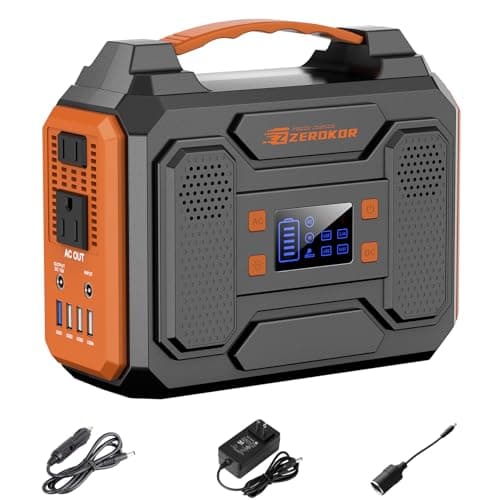
Jackery vs ZeroKor
$229 vs $130
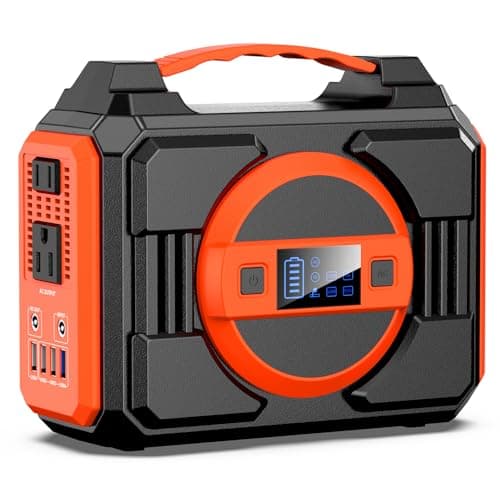
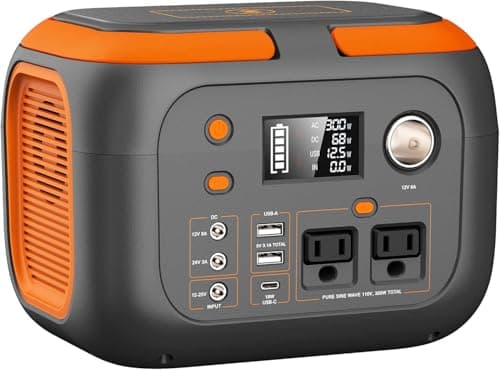
Apowking vs SinKeu
$100 vs $103
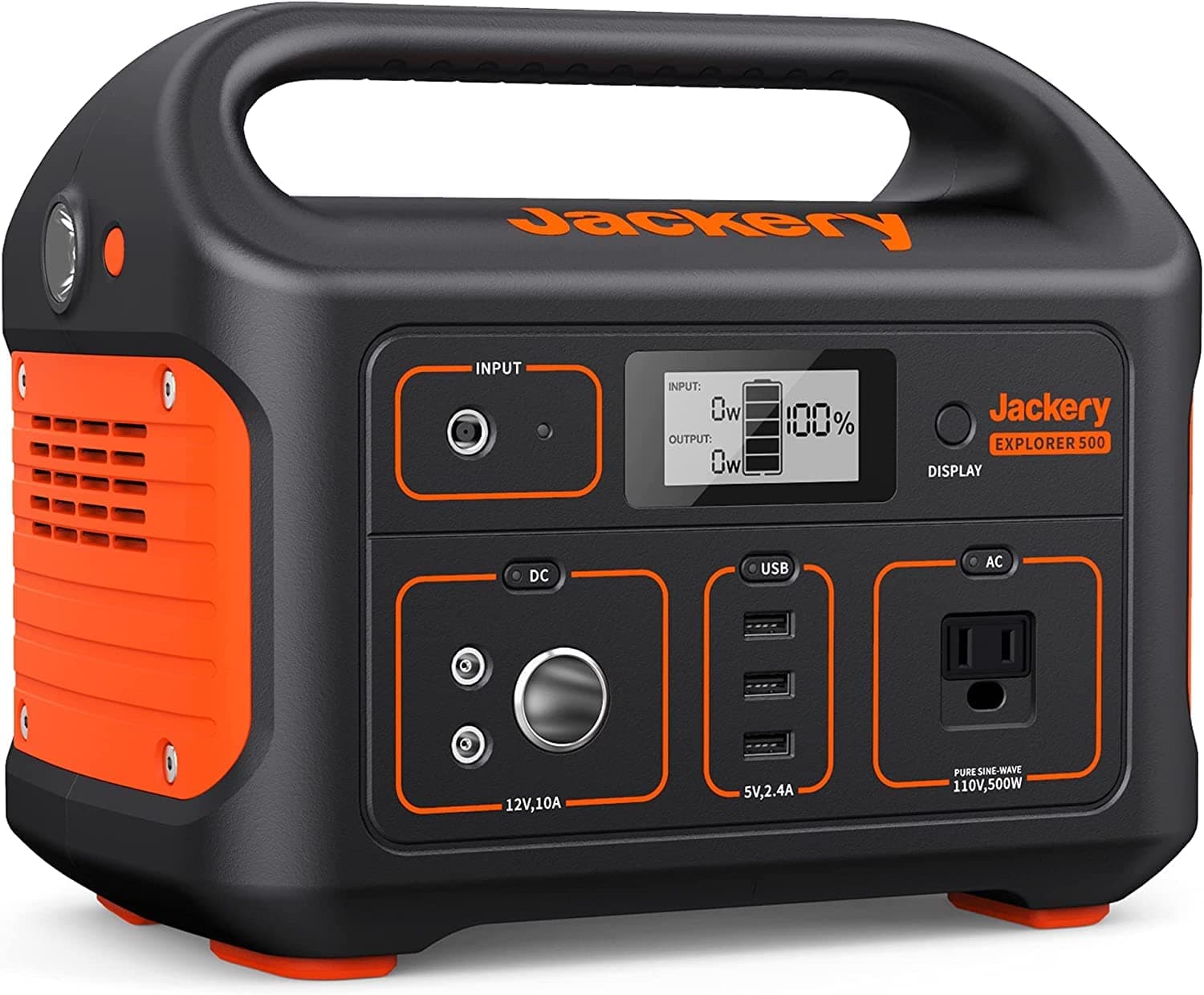
Jackery vs Jackery
$229 vs $299
ZeroKor vs Apowking
$130 vs $100
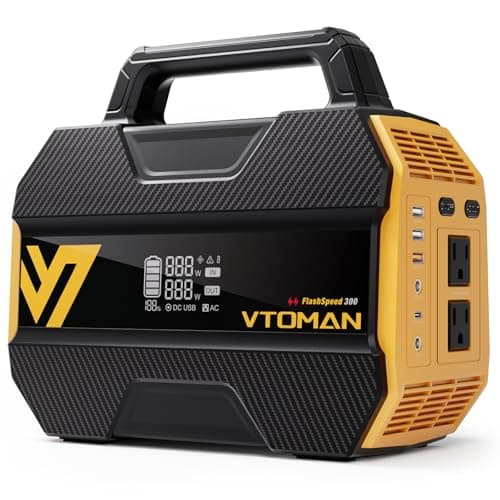
Apowking vs VTOMAN
$100 vs $140
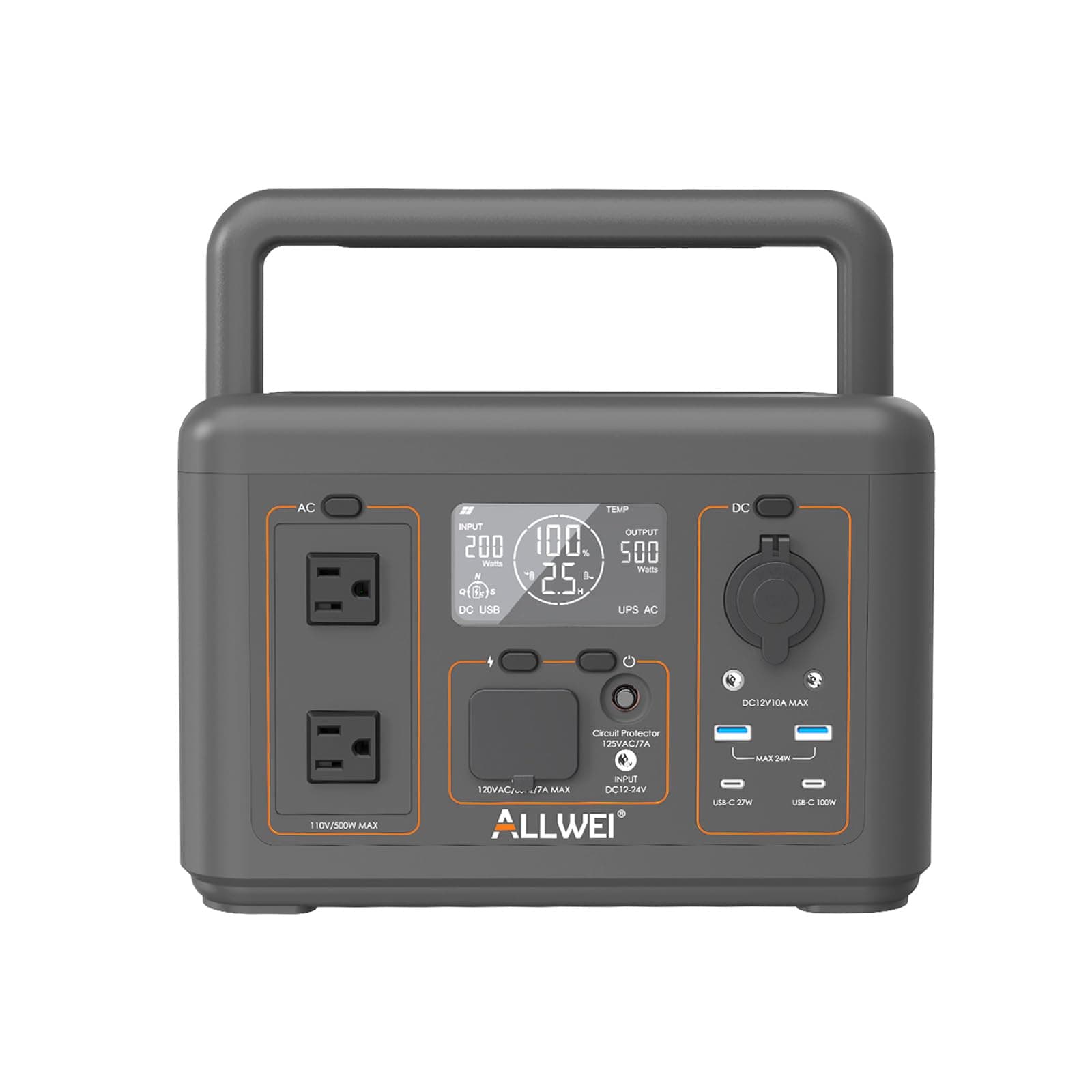
ALLWEI vs Jackery
$269 vs $229
Anker vs Apowking
$150 vs $100
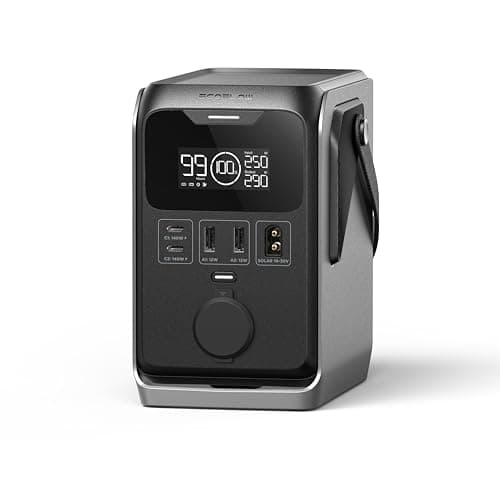
EF ECOFLOW vs Jackery
$147 vs $229
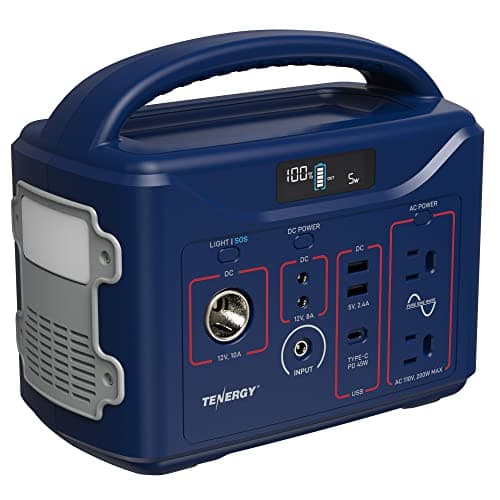
Jackery vs Tenergy
$229 vs $180
Jackery vs VTOMAN
$229 vs $140
Explore Other Categories
Popular comparisons across the site
Ask AI
Get instant answers about specs
Get the Deets
Ask our AI assistant
Ask Deets anything!