Our Verdict
Anker SOLIX C300 Wins
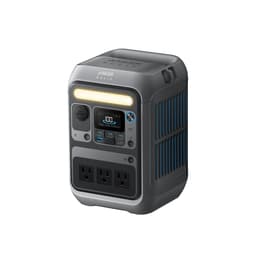
The Anker provides significantly greater long-term value and convenience with its LiFePO4 battery (3000 cycle life vs. EnginStar's 1000 cycle life) and ultra-fast 140W two-way charging, reaching 80% in 50 minutes. While priced at $249.99, its advanced features justify the cost over the EnginStar at $111.1. The EnginStar is the better pick for strictly budget-constrained users who prioritize minimal upfront cost and lighter weight for casual, less frequent use.
Bottom Line: Anker SOLIX C300 is the better choice. The Anker provides significantly greater long-term value and convenience with its LiFePO4 battery (3000 cycle life vs.
In-Depth Analysis
How they compare in practice
The Anker SOLIX C300 and EnginStar Portable Power Station both offer a similar 300W AC output and nearly identical capacities (Anker at 288Wh, EnginStar at 296Wh), but their underlying technologies and user experiences diverge significantly. The most critical distinction lies in their battery chemistry: the Anker utilizes LiFePO4, boasting an impressive 3000 charge cycles, whereas the EnginStar uses Li-ion with a typical 1000 charge cycle life. This translates directly to Anker offering three times the longevity under regular use, making it a far superior long-term investment, despite its higher $249.99 price point compared to the EnginStar's $111.1.
Another major differentiator is charging speed. The Anker C300 features a powerful 140W two-way USB-C port, allowing it to recharge to 80% capacity in a mere 50 minutes. This rapid replenishment capability is invaluable for users who need quick turnaround times, whether on a busy campsite or during a power outage. In contrast, the EnginStar's maximum 65W input speed means considerably longer recharge times, which can be a significant inconvenience for active users.
For connectivity, Anker also has an edge, providing three USB-C ports (one with 140W output) and three AC outlets, offering more versatility for modern devices. The EnginStar, while adequate with two AC outlets and a single USB-C port, is less equipped for simultaneous charging of multiple high-demand gadgets. However, the EnginStar is noticeably lighter at 6.5 lbs compared to Anker's 9.02 lbs, making it slightly more appealing for those prioritizing maximum portability for short excursions. Ultimately, the Anker provides a more robust, long-lasting, and convenient power solution for demanding users, while the EnginStar serves as a highly budget-friendly entry point for casual needs.
Key Differences
The most significant spec differences at a glance
Battery Capacity
3% lessAC Outlets
50% moreCycle Life
200% moreDc Ports
50% lessUSB-C Ports
200% moreAdvantages
Where each product wins

Anker
- AC Outlets: 50% higher (3 vs 2)
- Cycle Life: 200% higher (3000 vs 1000)
- USB-C Ports: 200% higher (3 vs 1)

EnginStar
- Battery Capacity: 3% higher (288 vs 296)
- Dc Ports: 50% higher (1 vs 2)
- Weight: 39% lower (9.02 vs 6.5)
Which to Pick for Your Situation
Concrete scenarios with a clear recommendation
For budget-conscious campers
EnginStarThe EnginStar is significantly more affordable at $111.1, making it an excellent choice for those with tight budgets who need basic portable power.
For frequent travelers needing quick recharges
AnkerAnker offers 140W two-way fast charging, allowing it to recharge to 80% capacity in just 50 minutes, minimizing downtime on the go.
For long-term emergency preparedness
AnkerAnker's LiFePO4 battery chemistry provides 3000 charge cycles, ensuring much greater longevity and reliability for infrequent but crucial use over years.
For powering multiple modern USB-C devices
AnkerThe Anker SOLIX C300 features three USB-C ports, including a high-power 140W output, compared to EnginStar's single USB-C port.
Who Should Buy Which?
Find the right product for your needs

Buy Anker if...
Anker Portable Power Station
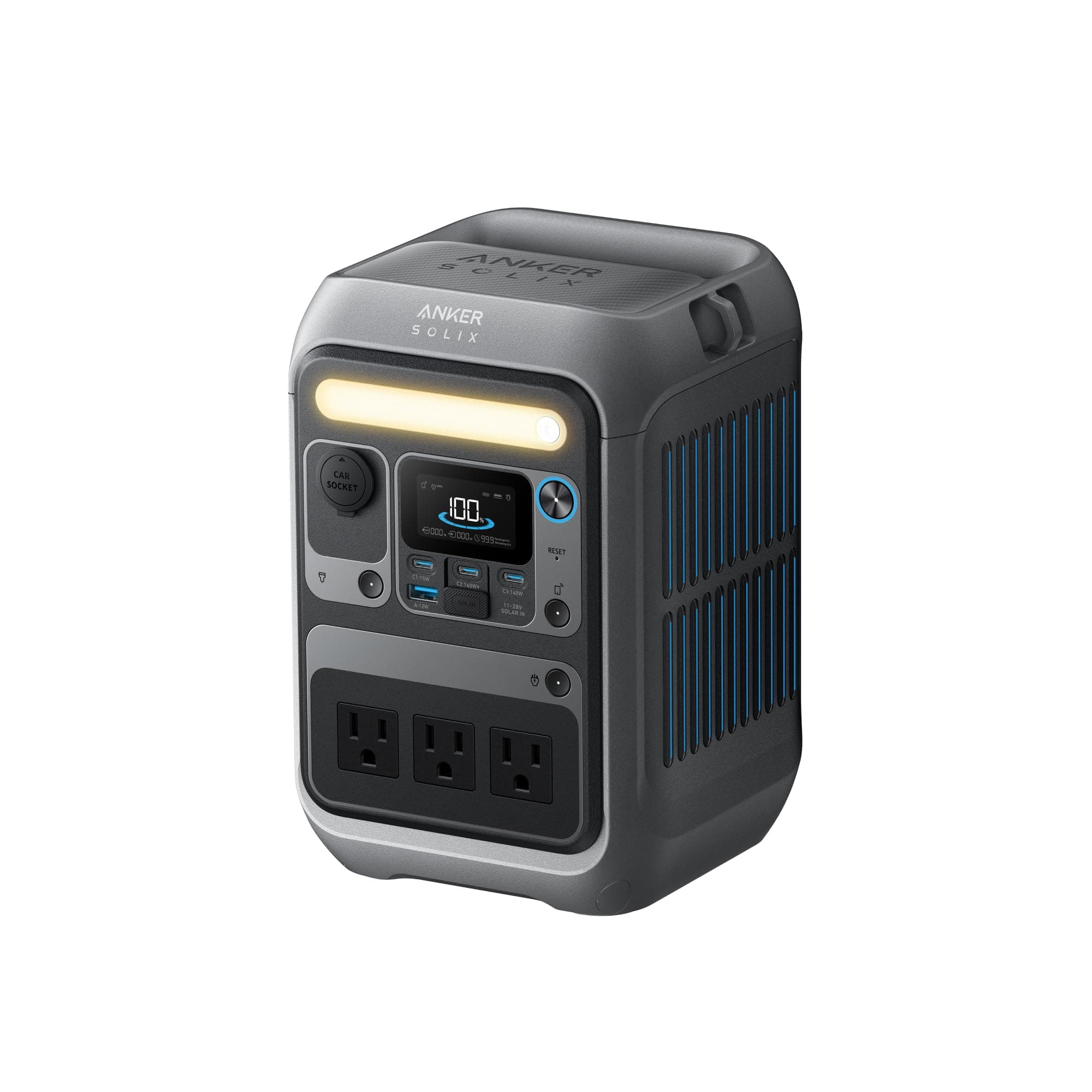
The Anker SOLIX C300 is ideal for the discerning user who prioritizes long-term reliability, rapid power replenishment, and versatile connectivity for their electronic devices. This buyer might be a frequent camper, an avid traveler, or someone setting up a dependable emergency backup system at home. They value the peace of mind that comes with the LiFePO4 battery chemistry, offering an exceptional 3000 charge cycles, ensuring the unit maintains its capacity for years of consistent use. The ability to charge to 80% in a mere 50 minutes via its 140W two-way fast charging is a game-changer for someone who can't afford long downtimes, allowing them to quickly get back to powering laptops, camera gear, or essential medical devices. While willing to invest $249.99, they see this as a justified cost for superior performance and longevity, not needing the absolute lowest upfront price.

Buy EnginStar if...
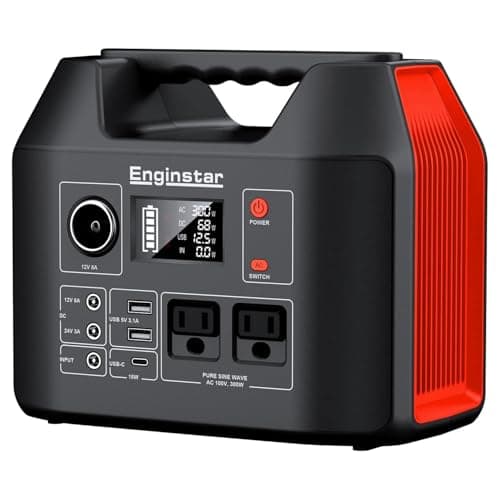
EnginStar Portable Power Station
The EnginStar Portable Power Station is perfectly suited for the budget-conscious individual or the casual user seeking an affordable, lightweight power solution for basic needs. This buyer might be a weekend camper, an occasional festival-goer, or someone who needs a simple backup for small electronics during brief power outages. Their priority is getting functional portable power without breaking the bank, making the EnginStar's $111.1 price tag highly attractive. While it uses a Li-ion battery with a 1000 cycle life, they understand this trade-off for the cost savings, as their usage won't demand extreme longevity. The EnginStar's lighter 6.5 lbs weight also appeals to those who prioritize maximum portability for quick grabs and go scenarios, not requiring multiple high-wattage USB-C ports or ultra-fast recharging speeds for their less demanding devices.
Spec Comparison
13 specs compared
| Specification |  |  |
|---|---|---|
| Price | $250 | $130 |
| Rating | 4.6(1.7k) | 4.3(1.4k) |
| Capacity Wh | 288W | 296W |
| Chemistry | LiFePO4 | Li-ion |
| AC Output Watts | 300W | 300W |
| Dc Ports | 1 | 2 |
| AC Outlets | 3 | 2 |
| Cycle Life | 3000 | 1000 |
| Weight | 9.02 lbs | 6.5 lbs |
| USB A Ports | 1 | 1 |
| USB C Ports | 3 | 1 |
| Charge Time Hours | 0.83 hrs | — |
| Peak Output Watts | 600W | — |
| Solar Input Watts | 100W | — |
| Model Number | — | R300 |
Swipe horizontally to see all columns
Pros & Cons
Quick overview of strengths and weaknesses
Anker Portable Power
- 288Wh capacity, 300W AC output (600W surge).
- 140W two-way USB-C port enables rapid charging.
- 8 output ports: 3 AC, 3 USB-C, 1 USB-A, 1 car.
- LiFePO4 battery rated for 3,000 charge cycles.
- Solar panel for recharging is not included.
- Not compatible with all Anker solar panel models.
- Only one of three USB-C ports offers 140W output.
EnginStar Portable Power
- Lightweight 6.5 lbs for easy portability
- 300W pure sine wave AC output protects devices
- 8 output ports charge multiple items concurrently
- Three recharge methods: wall, car, solar panel
- Solar panel not included; separate purchase required
- Max 65W input speed; slower full recharge
- Requires charging every 2-3 months for upkeep
Frequently Asked Questions
Common questions about this comparison
Which power station offers better long-term durability?
The Anker SOLIX C300 is superior due to its LiFePO4 battery chemistry, providing 3000 charge cycles, which is three times the 1000 cycles offered by EnginStar's Li-ion battery.
How quickly can each unit recharge?
The Anker SOLIX C300 can recharge to 80% in just 50 minutes via its 140W input. The EnginStar has a slower max 65W input, resulting in considerably longer recharge times.
Which product is more budget-friendly?
The EnginStar Portable Power Station is significantly more affordable at $111.1, compared to the Anker SOLIX C300's price of $249.99.
How many AC outlets do these power stations have?
The Anker SOLIX C300 features 3 AC outlets, providing more options for powering standard devices than the EnginStar, which has 2 AC outlets.
Is one lighter for portability?
Yes, the EnginStar is lighter at 6.5 lbs, making it more portable than the Anker SOLIX C300, which weighs 9.02 lbs.
Related Comparisons
Similar products people compare
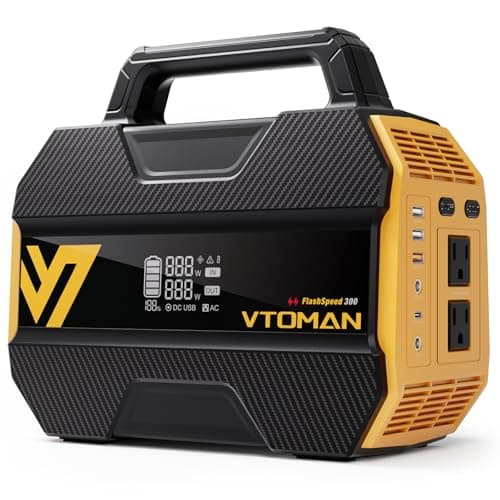
Anker vs VTOMAN
$250 vs $140
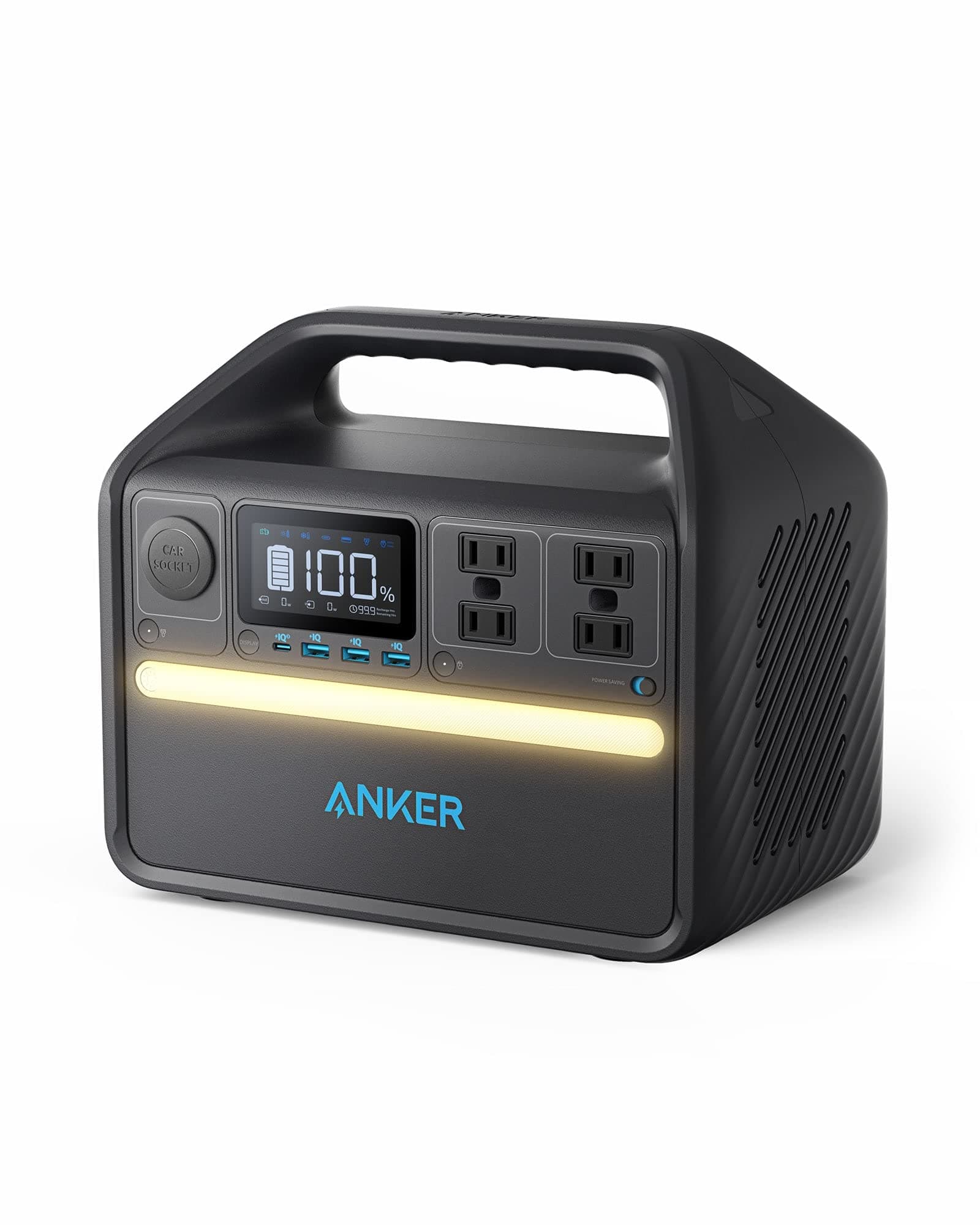
Anker vs Anker
$300 vs $250
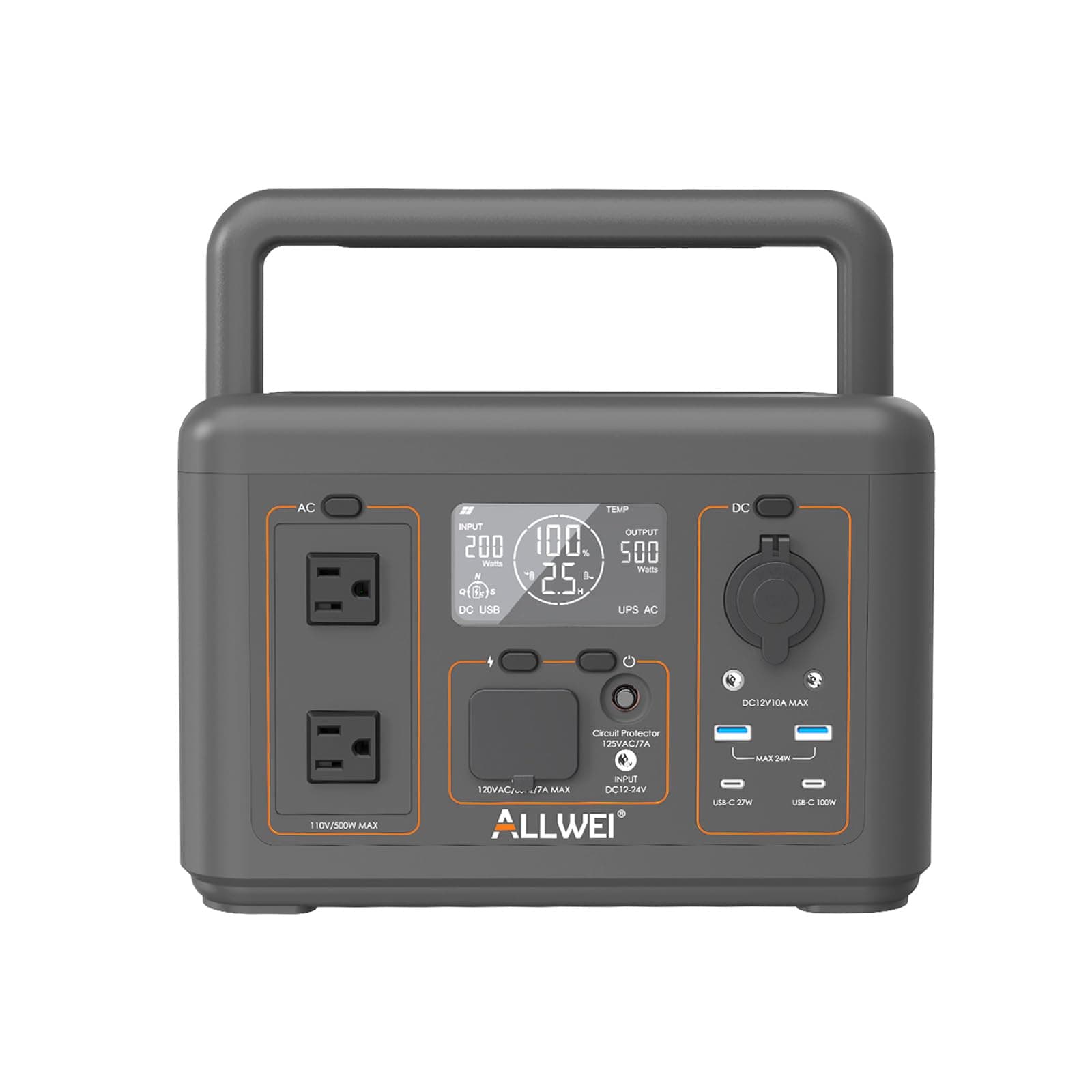
ALLWEI vs Anker
$269 vs $250
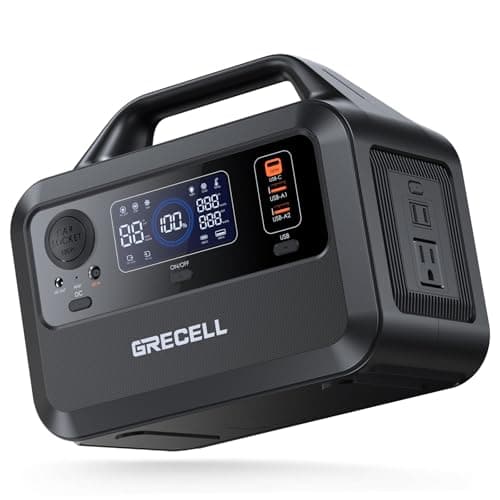
EnginStar vs GRECELL
$130 vs $100
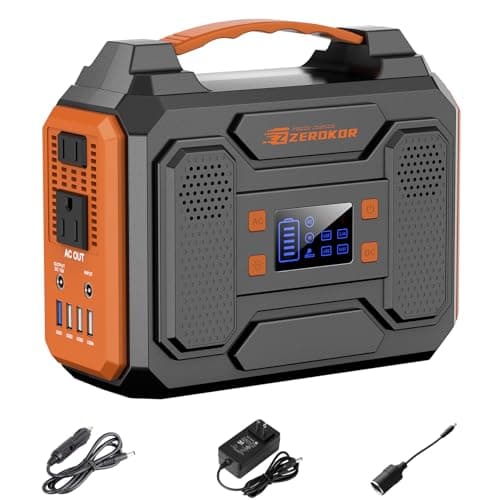
EnginStar vs ZeroKor
$130 vs $130
Anker vs EnginStar
$300 vs $130
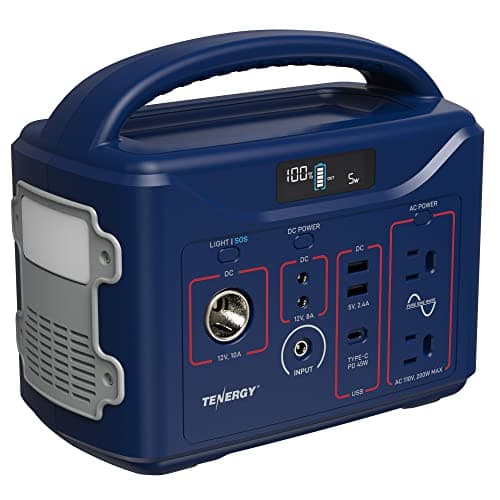
Anker vs Tenergy
$250 vs $180
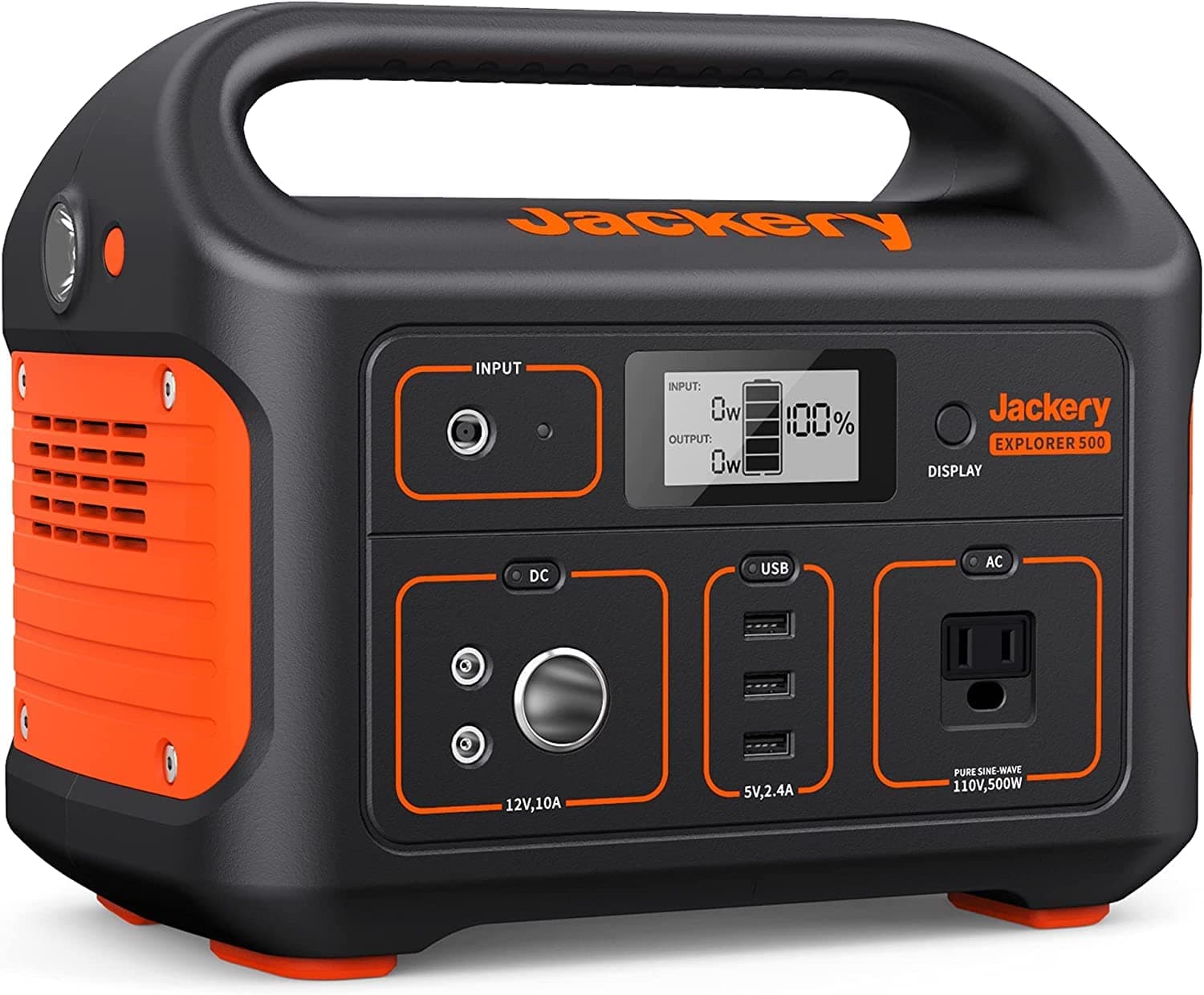
Anker vs Jackery
$250 vs $299
EnginStar vs Tenergy
$130 vs $180
Anker vs GRECELL
$250 vs $100
EnginStar vs VTOMAN
$130 vs $140
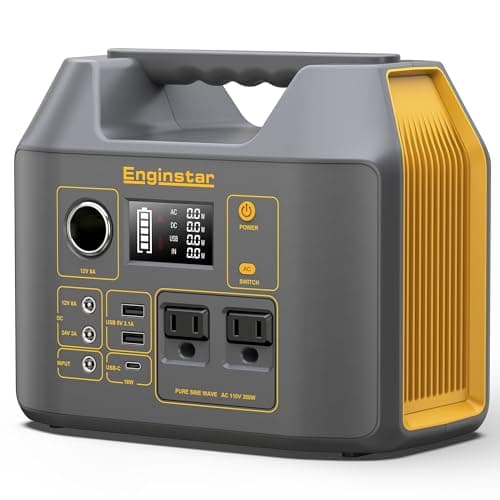
EnginStar vs EnginStar
$130 vs $111
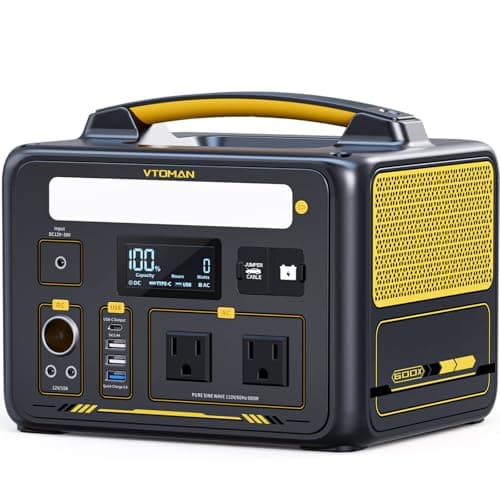
EnginStar vs VTOMAN
$130 vs $240
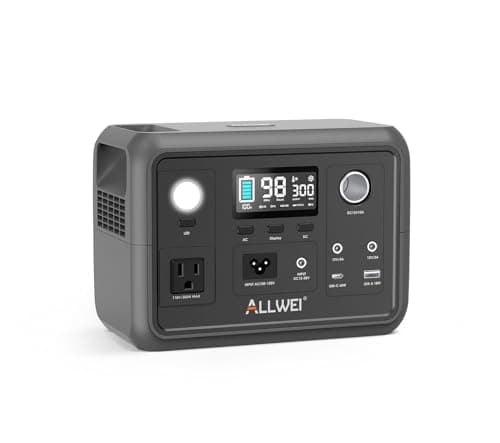
ALLWEI vs EnginStar
$129 vs $130
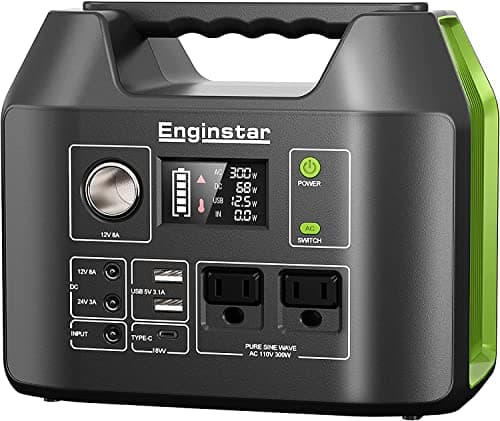
Anker vs EnginStar
$250 vs $130
Explore Other Categories
Popular comparisons across the site
Ask AI
Get instant answers about specs
Get the Deets
Ask our AI assistant
Ask Deets anything!