Our Verdict
ALLWEI Portable Power Station 500W Wins
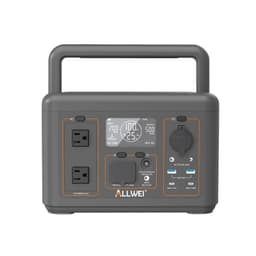
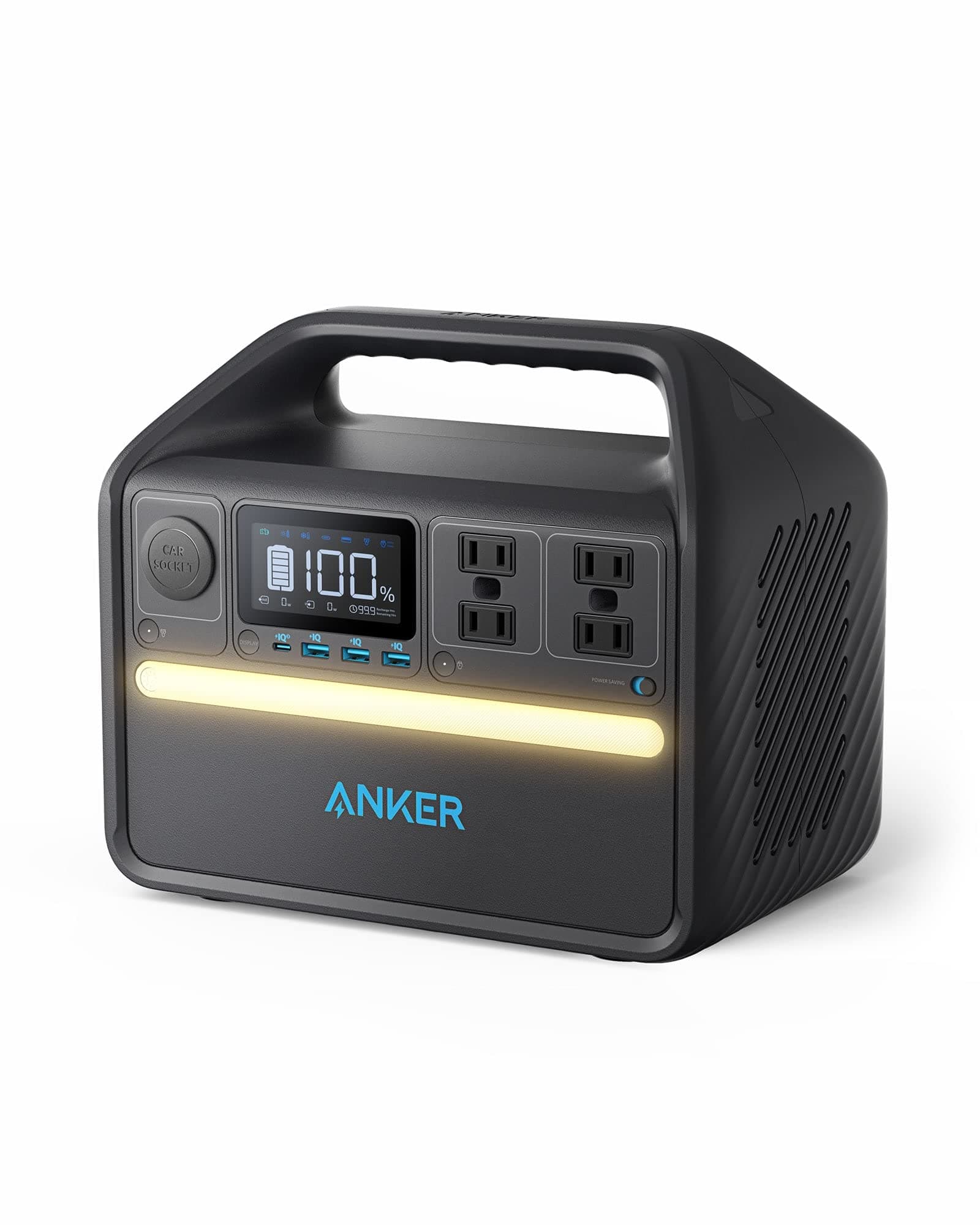
The ALLWEI unit excels with a remarkably fast 2.5-hour AC charge time and a crucial UPS function, providing seamless backup power, all at a lower price point of $269. It also offers two USB-C ports and a robust 3000 cycle life. The Anker 535, priced at $299.99, becomes the better pick if prioritizing a higher number of AC outlets (4 vs 2) for simultaneously powering more standard wall-plug devices and if charging speed or UPS functionality are secondary concerns.
Bottom Line: ALLWEI Portable Power Station 500W is the better choice. The ALLWEI unit excels with a remarkably fast 2.
In-Depth Analysis
How they compare in practice
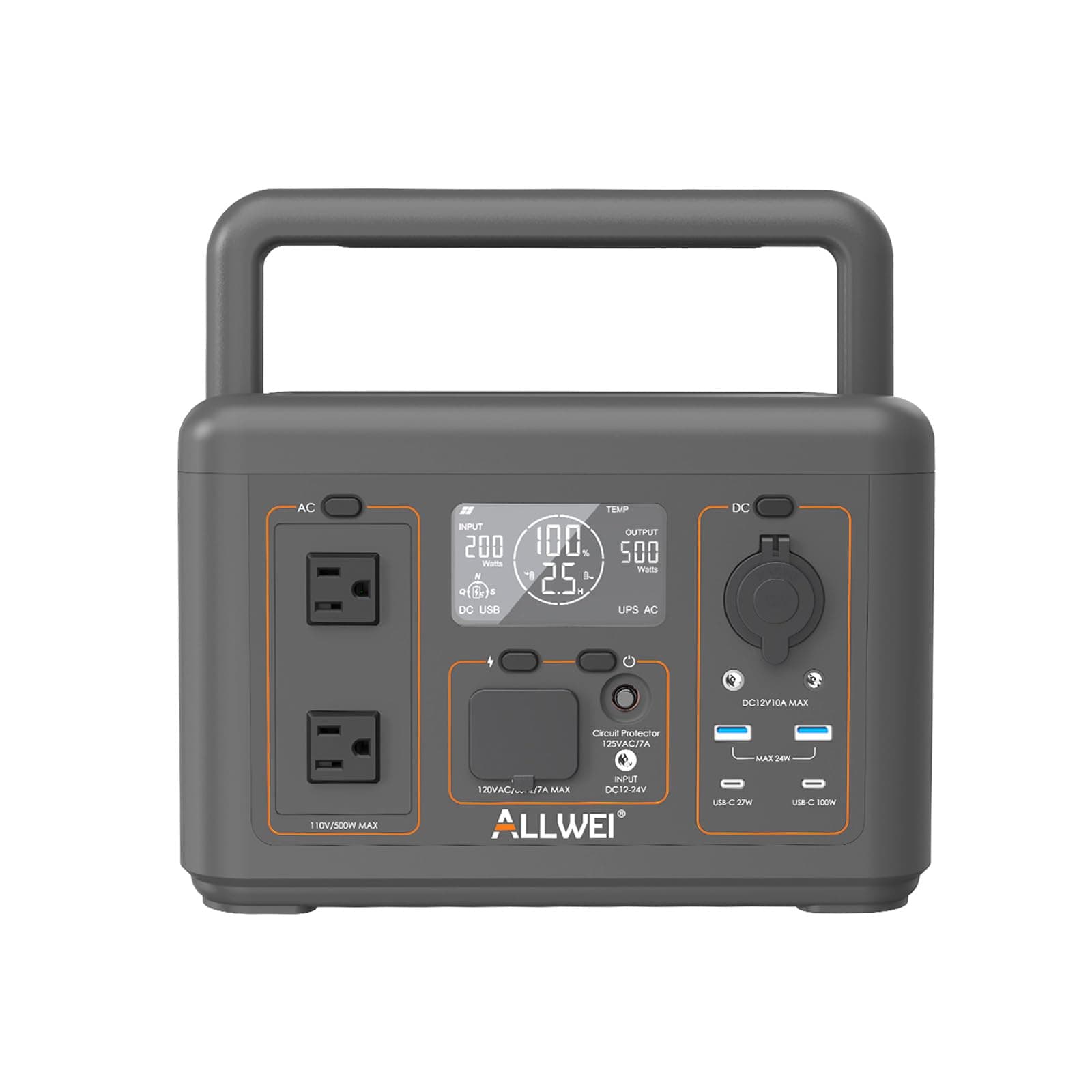
The ALLWEI and Anker 535 portable power stations both offer a strong foundation with 512Wh LiFePO4 batteries and 500W continuous AC output, making them suitable for similar core tasks like powering small appliances, electronics, and CPAP machines during outages or off-grid adventures. However, their design philosophies diverge in key areas impacting real-world use and value. The ALLWEI unit stands out significantly with its exceptional 2.5-hour fast charging capability via AC, meaning it can go from empty to full much quicker than many competitors, including the Anker 535, which typically requires 4-5 hours for a full AC charge. This rapid replenishment is a major advantage for users needing to quickly prepare for impending outages or maximize power availability during short stops. Furthermore, the ALLWEI’s integrated UPS (Uninterruptible Power Supply) function, supporting devices up to 500W, offers a critical layer of protection for sensitive electronics like computers or medical equipment. When grid power fails, the ALLWEI instantly switches to battery power, preventing data loss or interruptions, a feature notably absent in the Anker 535. In terms of connectivity, the ALLWEI provides a more balanced array of USB ports with two USB-A and two USB-C outputs, catering to a wider range of modern devices simultaneously. The Anker 535, while boasting a notable four AC outlets compared to ALLWEI’s two, only includes a single 60W USB-C PD port, which might be a limitation for users with multiple USB-C dependent gadgets. The Anker's extra AC outlets are beneficial for those needing to plug in several standard appliances, such as a laptop, fan, and phone chargers, directly into wall-style sockets without relying on multi-taps. Both units leverage durable LiFePO4 chemistry, ensuring a long cycle life, with ALLWEI explicitly stating 3000 cycles to 80% capacity, providing confidence in its longevity. The ALLWEI also edges out in portability, weighing 13.0 lbs compared to the Anker 535's approximate 16.5 lbs, making it slightly easier to carry on longer treks. Considering the ALLWEI's faster charging, UPS functionality, and more versatile USB port selection for a lower price of $269 versus the Anker 535's $299.99, the ALLWEI generally presents a stronger value proposition for most users prioritizing advanced features and rapid readiness. The Anker’s strength lies purely in its greater number of AC outlets, a niche preference for specific multi-appliance setups.
Key Differences
The most significant spec differences at a glance
AC Outlets
50% lessPeak Output
33% moreUSB-C Ports
100% moreAdvantages
Where each product wins

ALLWEI
- Peak Output: 33% higher (1000.0 vs 750)
- USB-C Ports: 100% higher (2 vs 1)

Anker
- AC Outlets: 50% higher (2 vs 4)
Which to Pick for Your Situation
Concrete scenarios with a clear recommendation
For critical home backup and sensitive electronics
ALLWEIThe ALLWEI offers a crucial UPS function, providing instant, seamless power transfer for devices up to 500W during outages, preventing interruptions.
For rapid outdoor charging and quick turnarounds
ALLWEIWith a 2.5-hour AC fast charge time, the ALLWEI can be fully replenished significantly quicker, essential for maximizing power during short stops or between activities.
For powering multiple standard AC appliances
AnkerThe Anker 535 features four AC outlets, double that of the ALLWEI, allowing more traditional wall-plug devices to be powered simultaneously without adapters.
For budget-conscious buyers seeking maximum features
ALLWEIAt $269, the ALLWEI provides faster charging, UPS functionality, and a higher peak output of 1000W, offering more advanced features for a lower investment than the Anker.
Who Should Buy Which?
Find the right product for your needs

Buy ALLWEI if...
ALLWEI Portable Power Station
The ALLWEI Portable Power Station 500W is the ideal choice for individuals who prioritize rapid power recovery, seamless home backup for sensitive electronics, and versatile charging options. This buyer is likely preparing for unpredictable power outages, needing a reliable UPS function to protect their computer, home networking gear, or medical devices like a CPAP machine, which the ALLWEI supports with its 500W output. They value the ability to recharge the unit quickly, benefiting immensely from the 2.5-hour AC fast charge time, ensuring it's ready for use again in minimal time. With two USB-C ports and two USB-A ports, they can charge multiple modern devices simultaneously without additional adapters. This user appreciates the robust 3000 cycle life of the LiFePO4 battery, offering long-term reliability. While they might give up some AC outlets compared to the Anker, the added functionality of UPS, superior charging speed, and higher 1000W peak output for a lower price of $269 represent a significant value proposition that aligns with their needs for efficiency and emergency preparedness. The lighter 13.0 lbs weight also appeals to those seeking greater portability for occasional outdoor use.
Buy Anker if...
Anker 535 Portable Power
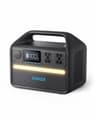
The Anker 535 Portable Power Station is best suited for users whose primary need is to power a larger array of standard AC household appliances simultaneously, without necessarily requiring advanced features like a UPS or ultra-fast charging. This buyer might be setting up a temporary workstation or a small outdoor gathering where multiple devices like laptops, small fans, string lights, or phone chargers (with AC bricks) need to be plugged in directly into traditional wall outlets. The Anker 535’s standout feature of four AC outlets, twice that of the ALLWEI, perfectly caters to this specific demand. While its 500W continuous output is comparable, the focus is on the quantity of output ports rather than specialized functions. They are comfortable with a standard charging time (typically 4-5 hours for a 512Wh unit) and don't require the instant switchover of a UPS. While it has only one USB-C port, their device ecosystem might lean more towards USB-A or primarily rely on AC adapters. They are willing to pay the slightly higher price of $299.99 for the convenience of more AC outlets. This user values the solid build quality associated with the Anker brand and the extended lifespan provided by its LiFePO4 battery chemistry, even if they're not explicitly seeking the quickest charge or a backup function.
Spec Comparison
12 specs compared
| Specification |  |  |
|---|---|---|
| Price | $269 | $300 |
| Rating | 4.4(2.3k) | 4.6(399) |
| Capacity Wh | 512W | 512W |
| Chemistry | LiFePO4 | LiFePO4 |
| AC Output Watts | 500W | 500W |
| Dc Ports | 2 | — |
| AC Outlets | 2 | 4 |
| Cycle Life | 3000 | — |
| Weight | 13 lbs | — |
| USB A Ports | 2 | — |
| USB C Ports | 2 | 1 |
| Charge Time Hours | 2.5 hrs | — |
| Peak Output Watts | 1000W | 750W |
| Solar Input Watts | 100W | — |
Swipe horizontally to see all columns
Pros & Cons
Quick overview of strengths and weaknesses
ALLWEI Portable Power
- Charges fully via AC in 2.5 hours.
- LiFePO4 battery offers 3000 charge cycles.
- Provides instant UPS backup power.
- Multiple outputs: 2 AC, 2 USB-C, 2 USB-A, 3 DC.
- Solar panel requires separate purchase.
- 500W continuous AC output limits larger appliances.
- UPS function only for 500W max devices.
Anker Anker 535
- 512Wh capacity offers substantial portable power.
- LiFePO4 battery ensures long lifespan, increased safety.
- 500W AC output handles common household electronics.
- Four AC outlets power multiple devices simultaneously.
- 500W continuous output limits demanding appliances.
- Only one 60W USB-C Power Delivery port included.
- Solar charging requires separate panel purchase.
Frequently Asked Questions
Common questions about this comparison
What is the battery chemistry of these power stations?
Both the ALLWEI and Anker 535 use LiFePO4 (Lithium Iron Phosphate) batteries, known for their enhanced safety, stability, and significantly longer cycle life compared to traditional lithium-ion batteries.
How fast can the ALLWEI power station be recharged?
The ALLWEI Portable Power Station features an impressive 2.5-hour fast charge time via AC, allowing it to quickly go from empty to full, minimizing downtime and maximizing readiness.
Can these power stations power a CPAP machine overnight?
Yes, both units have a 512Wh capacity and 500W AC output, making them suitable for powering most CPAP machines for several nights, depending on the CPAP's wattage and humidifier use.
Which unit is better for plugging in many wall-style devices?
The Anker 535 is superior for this specific need, as it provides four AC outlets compared to the ALLWEI's two, allowing more standard electronics to be plugged in directly.
Does either power station offer Uninterruptible Power Supply (UPS) functionality?
Yes, the ALLWEI Portable Power Station includes a UPS function for devices up to 500W, ensuring an automatic and instant switch to battery power during outages. The Anker 535 does not have this feature.
What is the weight difference between the two portable power stations?
The ALLWEI Portable Power Station is lighter at 13.0 lbs, making it slightly more portable for carrying, whereas the Anker 535 typically weighs around 16.5 lbs.
Related Comparisons
Similar products people compare
Anker vs Anker
$300 vs $250
ALLWEI vs Anker
$269 vs $250
ALLWEI vs Jackery
$269 vs $229
Anker vs EnginStar
$300 vs $130
Anker vs EnginStar
$300 vs $130
ALLWEI vs Tenergy
$269 vs $180
ALLWEI vs Jackery
$269 vs $299
ALLWEI vs Jackery
$269 vs $449
ALLWEI vs EF ECOFLOW
$269 vs $449
Anker vs Jackery
$300 vs $229
Anker vs GRECELL
$300 vs $190
ALLWEI vs EnginStar
$269 vs $130
ALLWEI vs Anker
$269 vs $150
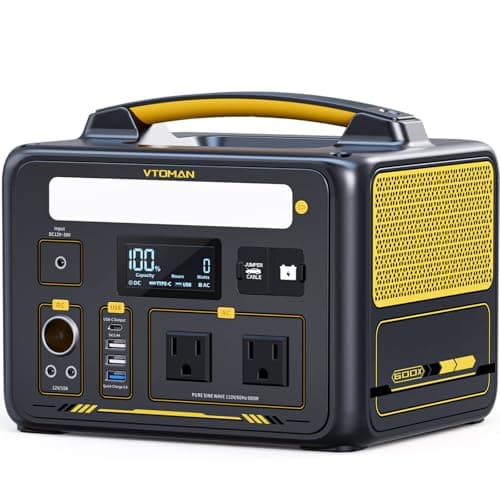
ALLWEI vs VTOMAN
$269 vs $240
Anker vs Tenergy
$300 vs $180
Explore Other Categories
Popular comparisons across the site






Ask AI
Get instant answers about specs
Get the Deets
Ask our AI assistant
Ask Deets anything!