Our Verdict
Anker Anker 535 Portable Power Station Wins
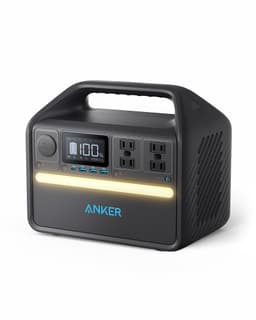
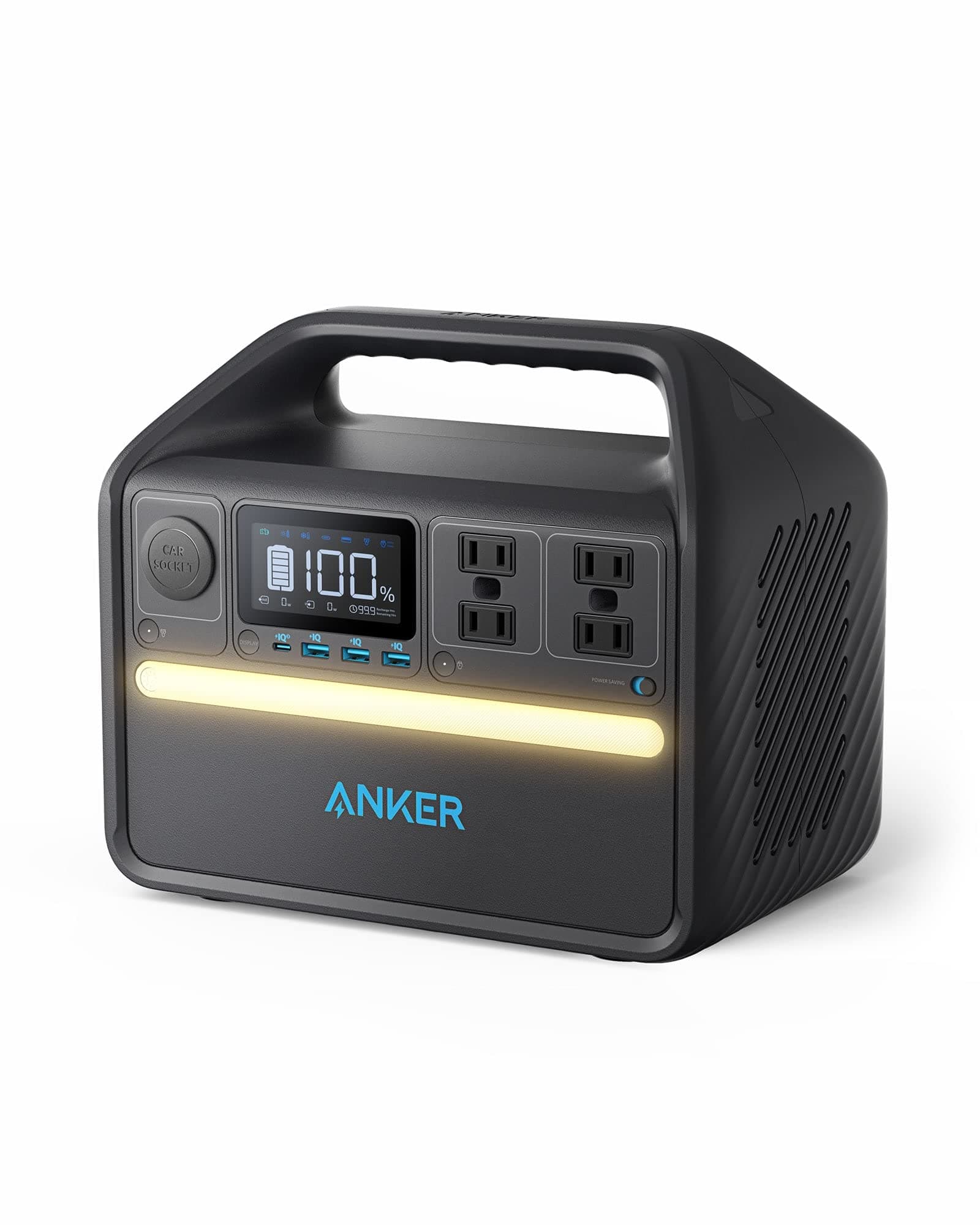
This Anker unit offers superior power delivery and longevity with its 512Wh LiFePO4 battery and 500W AC output, compared to the Jackery Explorer 300's 293Wh Li-ion and 300W AC output, justifying its $299.99 price point for substantial portable energy and durability. The Jackery Explorer 300 is the better pick for those prioritizing ultra-portability and a lower budget, willing to sacrifice significant capacity and continuous power for a $199 unit weighing just 7.1 lbs.
Bottom Line: Anker Anker 535 Portable Power Station is the better choice. This Anker unit offers superior power delivery and longevity with its 512Wh LiFePO4 battery and 500W AC output, compared to the Jackery Explorer 300's 293Wh Li-ion and 300W AC output, justifying its $299.
In-Depth Analysis
How they compare in practice
The Anker 535 and Jackery Explorer 300 serve different segments of the portable power station market, primarily delineated by their capacity, power output, and battery chemistry. The Anker 535 significantly outpaces the Jackery Explorer 300 in raw capacity, offering 512Wh compared to the Jackery's 293Wh. This means the Anker can power devices for nearly twice as long, making it more suitable for multi-day camping trips, RV usage, or as a more robust emergency home backup. Furthermore, the Anker provides a higher continuous AC output of 500W, allowing it to comfortably run small appliances like portable blenders, mini-fridges, or even some power tools that the Jackery's 300W output might struggle with or simply cannot operate.
A critical differentiator lies in the battery chemistry: the Anker 535 utilizes LiFePO4, while the Jackery Explorer 300 uses traditional Li-ion. LiFePO4 batteries offer a substantially longer cycle life (thousands vs. hundreds of cycles) and enhanced safety, translating to a product that will reliably last many more years, offering superior long-term value. This robust chemistry makes the Anker a more dependable investment for frequent or critical use, whereas the Jackery’s Li-ion, while common, will degrade more quickly over time.
In terms of real-world use, the Jackery Explorer 300 shines in portability, weighing a mere 7.1 lbs. This makes it an ideal companion for day trips, light camping, or casual use where every pound matters. Its rapid recharge time, reaching 80% in just 2 hours via dual input, is also a significant advantage for users who need quick turnaround times. The Anker, while not listing its weight, is inherently heavier due to its larger capacity and LiFePO4 cells. The Anker compensates with more AC outlets (four vs. two) and a more powerful 60W USB-C PD output, providing greater versatility for charging multiple devices simultaneously. The Jackery does include two USB-A ports, which the Anker lacks, slightly diversifying its lower-power charging options.
Ultimately, the Anker 535, at $299.99, presents a stronger value proposition for power users demanding longevity, higher capacity, and greater wattage output. The Jackery Explorer 300, at $199, is an excellent entry-level option for those on a tighter budget, prioritizing extreme portability and quick charging for lighter loads and shorter durations. The trade-offs are clear: superior power and durability with Anker, against ultimate portability and affordability with Jackery.
Key Differences
The most significant spec differences at a glance
Battery Capacity
75% moreAC Output
67% moreAC Outlets
100% morePeak Output
50% moreAdvantages
Where each product wins

Anker
- Battery Capacity: 75% higher (512 vs 293)
- AC Output: 67% higher (500 vs 300)
- AC Outlets: 100% higher (4 vs 2)
- Peak Output: 50% higher (750 vs 500)
Which to Pick for Your Situation
Concrete scenarios with a clear recommendation
For a multi-day camping trip requiring significant power for various devices.
AnkerThe Anker 535 offers a substantial 512Wh capacity and 500W AC output, capable of sustaining more devices for longer than the Jackery's 293Wh and 300W.
For light emergency backup or charging personal electronics on day trips.
JackeryThe Jackery Explorer 300's 293Wh capacity is sufficient for basic needs, and its lighter 7.1 lbs weight makes it highly portable, all at a lower price point of $199.
Prioritizing long-term battery durability and safety.
AnkerThe Anker 535 utilizes LiFePO4 battery chemistry, offering a significantly longer lifespan and enhanced safety over the Jackery's Li-ion battery.
Requiring power for appliances up to 400W.
AnkerThe Anker 535 has a 500W AC output, comfortably handling appliances up to 400W, whereas the Jackery Explorer 300 is limited to 300W AC output.
Who Should Buy Which?
Find the right product for your needs
Buy Anker if...
Anker 535 Portable Power
The Anker 535 Portable Power Station is ideal for the outdoor enthusiast, RV owner, or homeowner seeking a robust and durable power solution for extended use. This buyer prioritizes longevity, safety, and the ability to power a wider range of devices. With its substantial 512Wh LiFePO4 battery, they gain peace of mind knowing the power station offers significantly more charge cycles and enhanced safety compared to standard Li-ion alternatives, making it a wise long-term investment. They value the Anker's 500W AC output, which comfortably handles small appliances like portable blenders, mini-fridges, or laptops, and appreciate having four AC outlets to power multiple items simultaneously during camping trips or brief power outages. This user is prepared to invest $299.99 for superior performance and resilience, understanding that while it might not be the absolute lightest option, the trade-off for increased capacity and an enduring battery chemistry is well worth it for their demanding outdoor adventures or crucial home backup needs. They are willing to forego the Jackery's slightly faster charging time for its capacity.

Buy Jackery if...
Jackery Portable Power Station
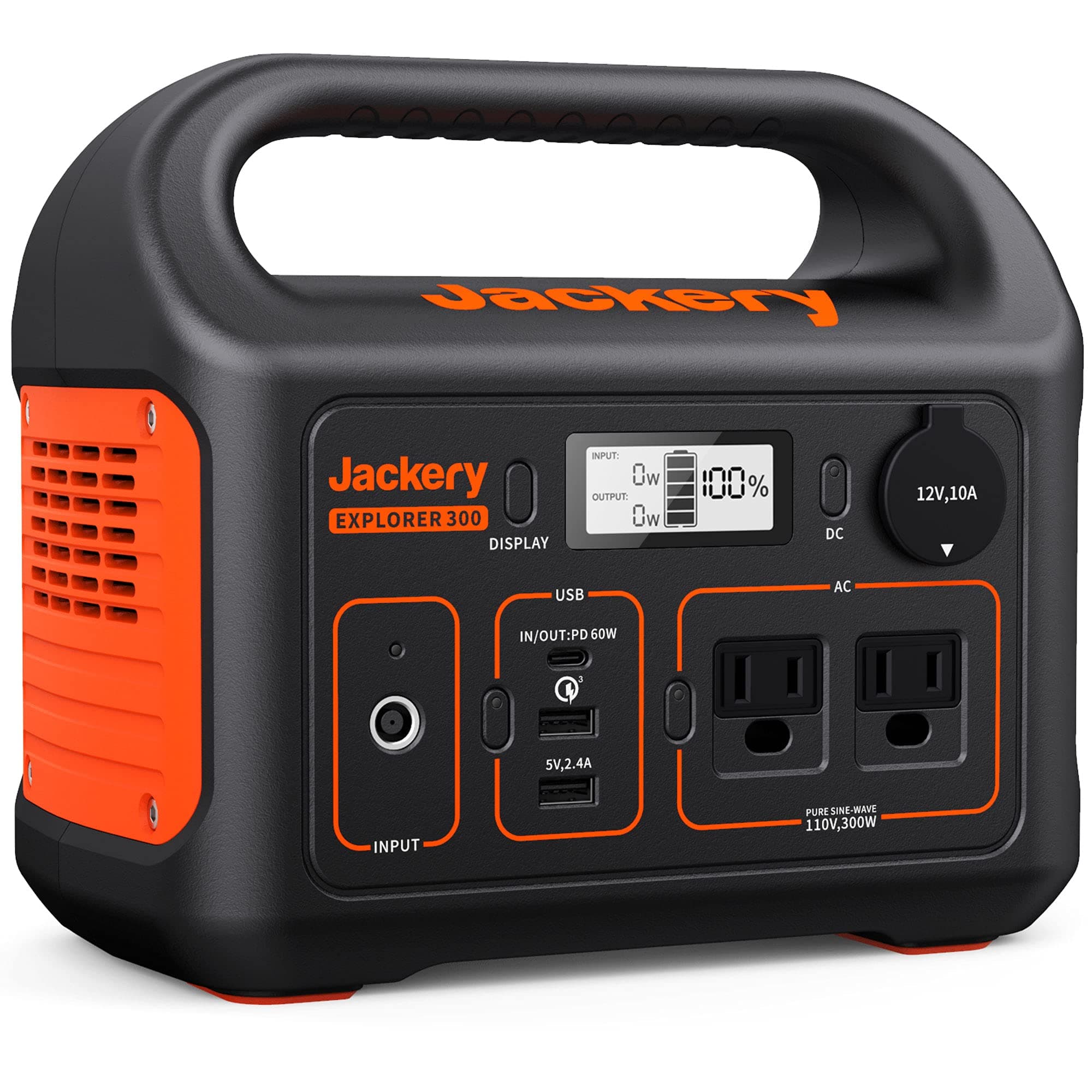
The Jackery Portable Power Station Explorer 300 is perfectly suited for the casual camper, day-tripper, or individual needing a compact and affordable power source for short excursions or light emergency use. This buyer places a high priority on portability and budget, seeking a reliable unit without a significant financial outlay. Its incredibly light 7.1 lbs weight makes it effortless to carry in a backpack for hiking, tailgating, or fishing trips. The Jackery Explorer 300, priced at $199, offers a practical 293Wh capacity, sufficient to recharge phones multiple times, power a laptop for several hours, or run a small fan during an outing. Its impressive 2-hour recharge time (to 80%) via dual input ensures it's ready to go almost as quickly as you are. While its 300W AC output limits it to less demanding appliances, this is acceptable for a user primarily focused on charging personal electronics. They are comfortable sacrificing the Anker's larger capacity, higher continuous power, and LiFePO4 battery longevity for the Jackery's undeniable convenience, rapid recharging, and attractive price point.
Spec Comparison
11 specs compared
| Specification |  | 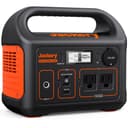 |
|---|---|---|
| Price | $300 | $229 |
| Rating | 4.6(399) | 4.6(10.8k) |
| Capacity Wh | 512W | 293W |
| Chemistry | LiFePO4 | Li-ion |
| AC Output Watts | 500W | 300W |
| AC Outlets | 4 | 2 |
| USB C Ports | 1 | 1 |
| Peak Output Watts | 750W | 500W |
| Dc Ports | — | 1 |
| Weight | — | 7.1 lbs |
| USB A Ports | — | 2 |
| Charge Time Hours | — | 2 hrs |
| Solar Input Watts | — | 100W |
Swipe horizontally to see all columns
Pros & Cons
Quick overview of strengths and weaknesses
Anker Anker 535
- 512Wh capacity offers substantial portable power.
- LiFePO4 battery ensures long lifespan, increased safety.
- 500W AC output handles common household electronics.
- Four AC outlets power multiple devices simultaneously.
- 500W continuous output limits demanding appliances.
- Only one 60W USB-C Power Delivery port included.
- Solar charging requires separate panel purchase.
Jackery Portable Power
- 80% recharge in 2 hours via dual input.
- 293Wh Li-ion capacity; 300W pure sine wave AC.
- Weighs 7.1 lbs for easy transport.
- Charges 6 devices; multiple output types.
- Solar panel not included with purchase.
- 300W continuous AC output limit.
- Capacity of 293Wh may be insufficient.
- Single USB-C port.
Frequently Asked Questions
Common questions about this comparison
Which power station can run higher-wattage appliances?
The Anker 535 offers a 500W AC output, capable of powering more demanding devices than the Jackery Explorer 300's 300W AC output.
What is the benefit of the Anker 535's LiFePO4 battery?
LiFePO4 chemistry provides superior longevity, offering thousands of charge cycles and enhanced safety compared to the Li-ion battery found in the Jackery Explorer 300.
Is the Jackery Explorer 300 much lighter?
Yes, the Jackery Explorer 300 weighs only 7.1 lbs, making it significantly more portable than the Anker 535, which has no specified weight but typically larger LiFePO4 units are heavier.
How quickly can the Jackery Explorer 300 recharge?
The Jackery Explorer 300 can recharge to 80% in approximately 2 hours using its dual input charging, which is notably fast for its 293Wh capacity.
How many AC outlets does each unit have?
The Anker 535 provides four AC outlets for multiple devices, whereas the Jackery Explorer 300 offers two AC outlets.
Does either unit include a solar panel?
Neither the Anker 535 nor the Jackery Explorer 300 includes a solar panel; they are optional purchases for both units.
Related Comparisons
Similar products people compare
Jackery vs VTOMAN
$229 vs $240
Anker vs Jackery
$150 vs $229
Anker vs Jackery
$430 vs $229
Anker vs Anker
$300 vs $250
ALLWEI vs Jackery
$129 vs $229
Jackery vs Jackery
$449 vs $229
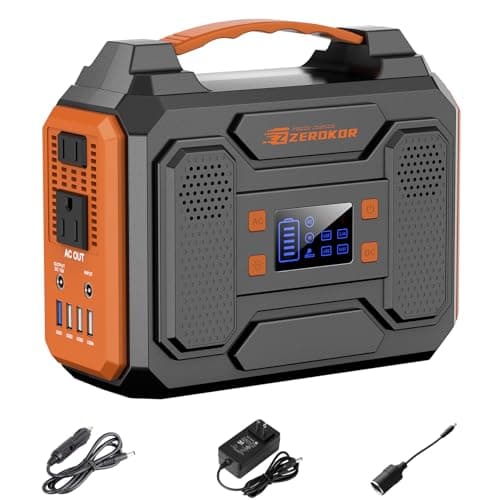
Jackery vs ZeroKor
$229 vs $130
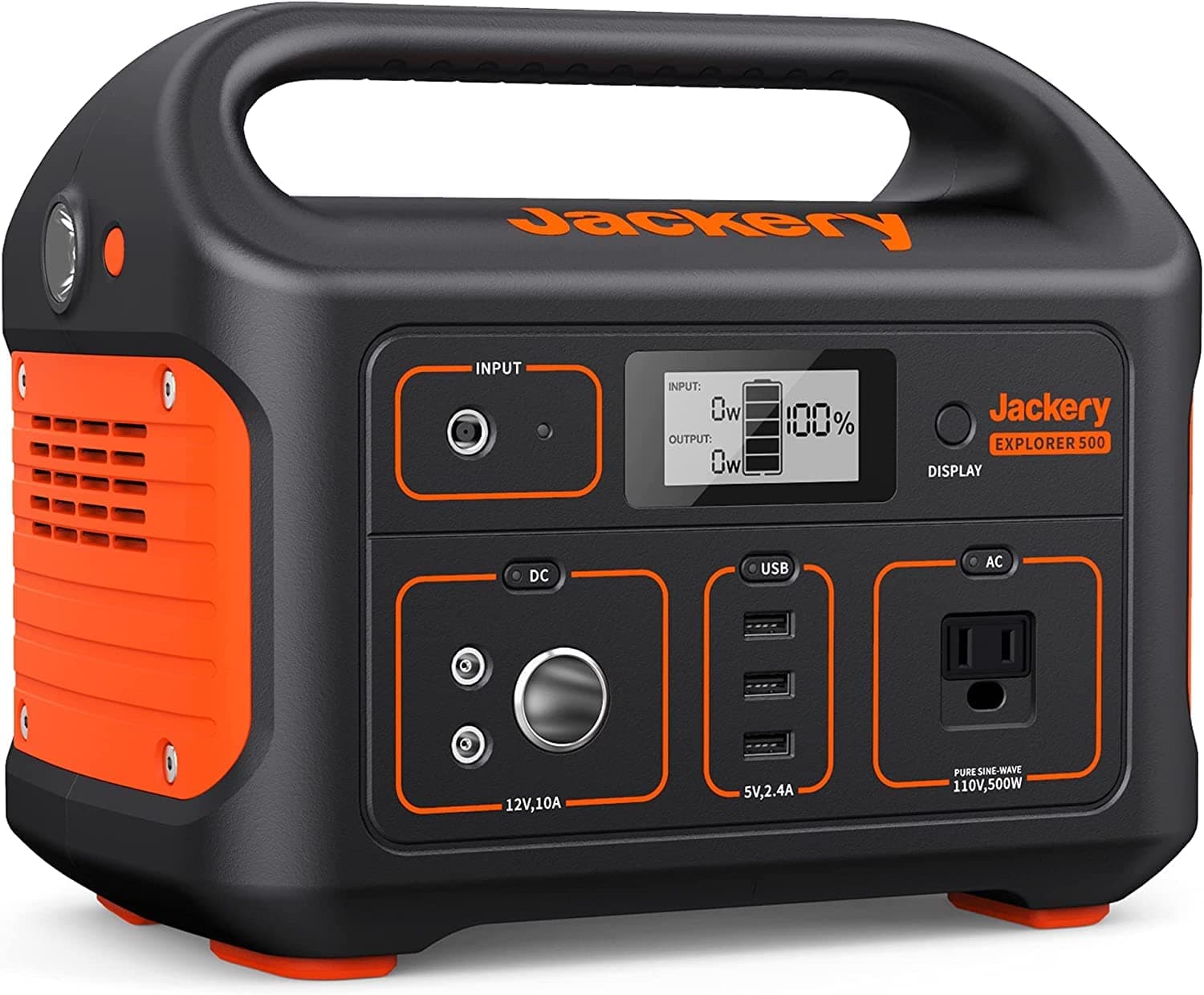
Jackery vs Jackery
$229 vs $299
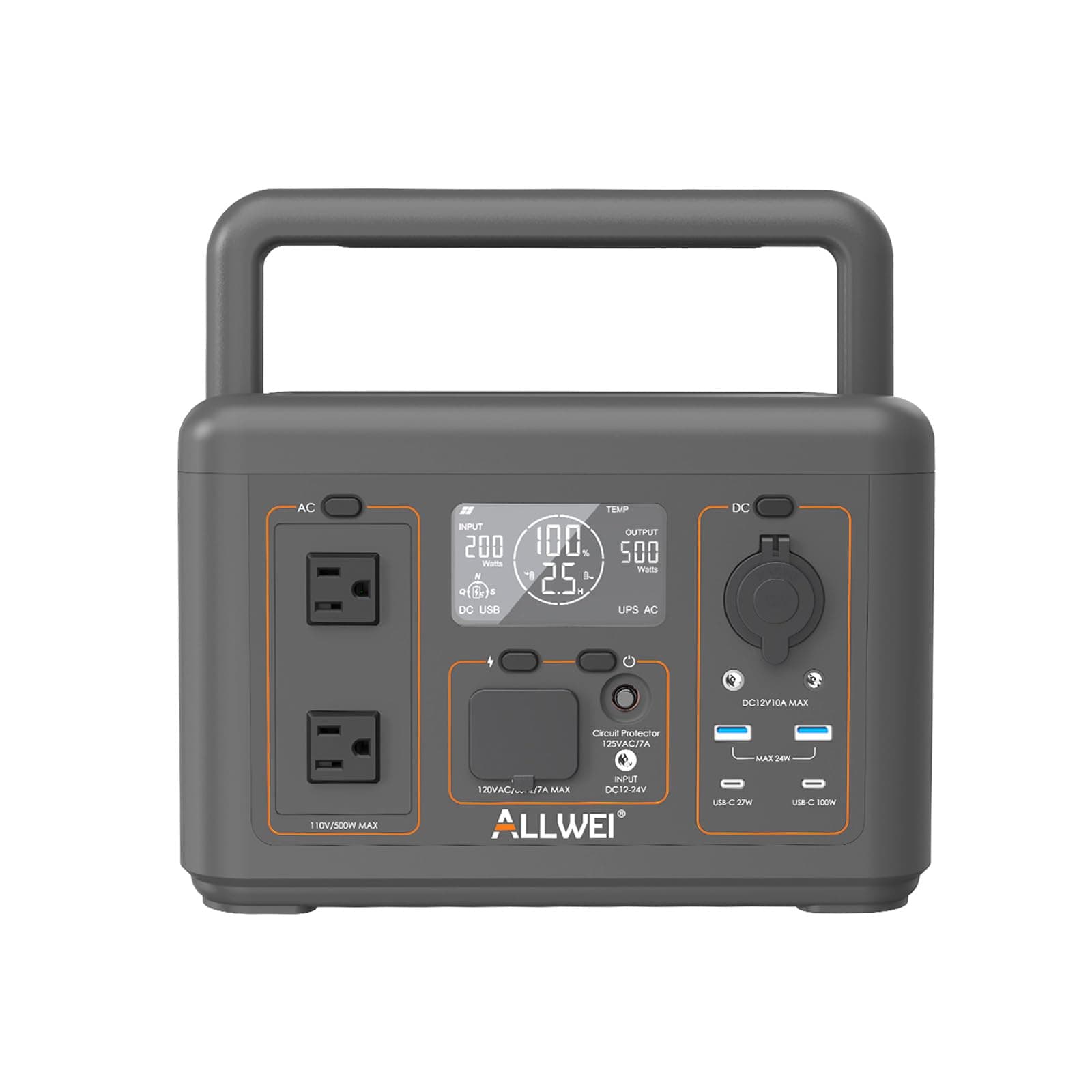
ALLWEI vs Jackery
$269 vs $229
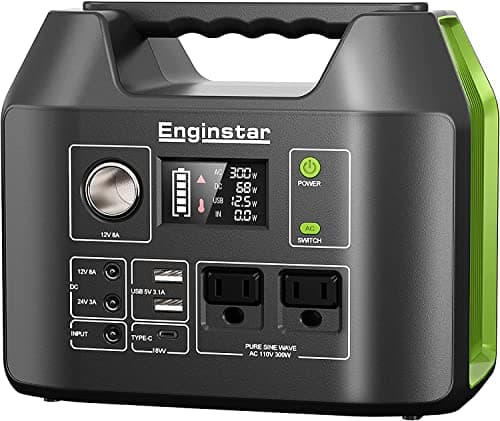
Anker vs EnginStar
$300 vs $130
EF ECOFLOW vs Jackery
$147 vs $229
Anker vs EnginStar
$300 vs $130
Jackery vs Tenergy
$229 vs $180
Jackery vs VTOMAN
$229 vs $140
Anker vs GRECELL
$300 vs $190
Explore Other Categories
Popular comparisons across the site




Ask AI
Get instant answers about specs
Get the Deets
Ask our AI assistant
Ask Deets anything!