Our Verdict
Hisense PX3-PRO Wins
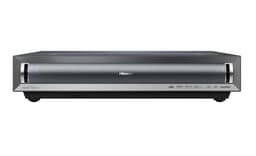
It boasts a superior 3000 ANSI lumens brightness, outshining the NexiGo's 2400 lumens, and its 240Hz refresh rate makes it the definitive choice for gamers prioritizing smooth motion and low input lag. However, the NexiGo Aurora Pro offers exceptional value for a complete home theater solution, as it includes a premium 120-inch 85% ALR Fresnel screen at a virtually identical price point, making it the better pick for those seeking an all-in-one package without additional screen purchases.
Bottom Line: Hisense PX3-PRO is the better choice. It boasts a superior 3000 ANSI lumens brightness, outshining the NexiGo's 2400 lumens, and its 240Hz refresh rate makes it the definitive choice for gamers prioritizing smooth motion and low input lag.
In-Depth Analysis
How they compare in practice
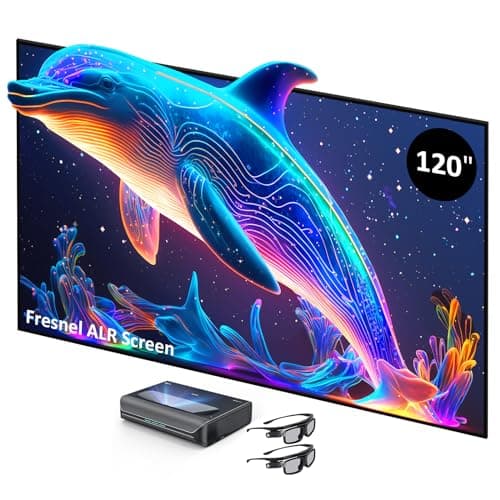
The Hisense PX3-PRO and NexiGo Aurora Pro both deliver stunning Native 4K UHD resolution from an ultra-short throw laser light source, but their strengths diverge in key areas impacting real-world use. The Hisense PX3-PRO stands out with its higher brightness, rated at 3000 ANSI lumens compared to the NexiGo's 2400 lumens. This 600-lumen difference translates directly to a more vibrant and impactful image, especially in rooms with moderate ambient light. While both benefit greatly from an ALR screen, the Hisense’s extra brightness provides more headroom, ensuring colors pop and details remain visible even when total darkness isn’t achievable. Conversely, the NexiGo's 2400 lumens is still respectable, particularly when paired with its included 120-inch 85% ALR Fresnel screen. This bundled screen is a significant differentiator. For the same approximate price, NexiGo provides an essential component that Hisense users would need to purchase separately for optimal performance, potentially saving hundreds or even thousands of dollars. This makes the NexiGo a more compelling out-of-the-box home theater solution.
Performance-wise, the Hisense PX3-PRO clearly targets the gaming market with its impressive 240Hz high refresh rate and “Designed for Xbox” certification, promising a smoother, more responsive experience for fast-paced content. The NexiGo does not specify its refresh rate or gaming optimizations, focusing more on a cinematic experience with its DLP Link 3D glasses and dynamic laser dimming, which can enhance contrast beyond the listed 3000:1. For audio, the NexiGo offers a robust 60W integrated sound system with Dolby Atmos support, likely delivering a more immersive soundscape directly from the projector than the Hisense, which also supports Dolby Atmos but doesn't detail its speaker wattage.
The trade-off here is clear: the Hisense offers raw performance in brightness and refresh rate for those prioritizing a cutting-edge viewing and gaming experience, provided they factor in the cost of an ALR screen. The NexiGo, while slightly less bright, delivers a complete, high-value home cinema package that includes a crucial ALR screen and strong integrated audio, making it ideal for users who want to minimize additional purchases and setup complexity. Both products utilize single-chip DLP technology, which may introduce a 'rainbow effect' for some sensitive viewers, but this is a common characteristic across many high-performance UST projectors. Ultimately, the choice depends on whether a user prioritizes peak performance specs or an integrated, value-driven solution.
Key Differences
The most significant spec differences at a glance
Brightness Ansi Lumens
25% moreAdvantages
Where each product wins

Hisense
- Brightness Ansi Lumens: 25% higher (3000 vs 2400)
Which to Pick for Your Situation
Concrete scenarios with a clear recommendation
For a dedicated gaming setup
HisenseThe Hisense PX3-PRO features a 240Hz refresh rate and is "Designed for Xbox," offering superior responsiveness for competitive gaming.
For an all-inclusive home theater package
NexiGoThe NexiGo Aurora Pro includes a 120-inch 85% ALR Fresnel screen and 60W integrated audio, providing a complete solution out-of-the-box.
For rooms with moderate ambient light
HisenseWith 3000 ANSI lumens, the Hisense PX3-PRO offers significantly brighter images compared to the NexiGo's 2400 lumens, improving visibility.
For those prioritizing integrated premium audio
NexiGoThe NexiGo Aurora Pro boasts 60W integrated audio with Dolby Atmos support, delivering a more powerful sound experience directly from the projector.
Who Should Buy Which?
Find the right product for your needs

Buy Hisense if...
Hisense PX3-PRO Ultra Short
The Hisense PX3-PRO is designed for the discerning home theater enthusiast and serious gamer who prioritizes raw performance and customization flexibility. This buyer seeks the absolute brightest and most responsive image possible for their ultra-short throw setup. They likely have a dedicated viewing space or minimal ambient light concerns, but appreciate the 3000 ANSI lumens for impactful visuals. Gamers will particularly value the 240Hz high refresh rate and 'Designed for Xbox' optimization, ensuring ultra-smooth, low-latency gameplay that few other projectors can match. While they'll need to purchase an ALR screen separately, this buyer either already owns one, desires a specific screen size or type not bundled, or is willing to invest in a premium third-party option to perfectly complement the PX3-PRO's capabilities. They value cutting-edge specs like the 110% BT.2020 color gamut and superior refresh rate over an all-in-one package, understanding that the additional cost of a screen is a worthwhile investment for top-tier performance.

Buy NexiGo if...
NexiGo Aurora Pro Ultra
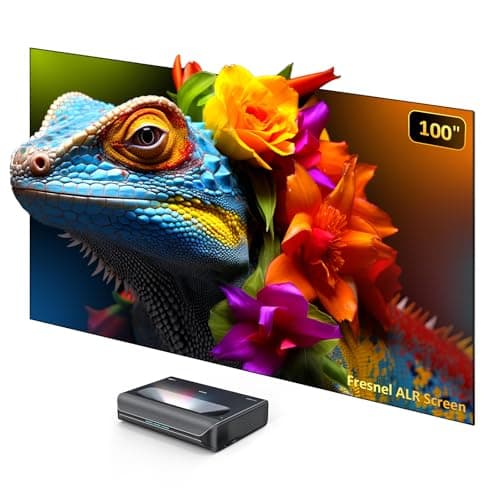
The NexiGo Aurora Pro is the ideal choice for a home theater enthusiast seeking a high-value, complete, and convenient ultra-short throw laser projector solution. This buyer wants to set up a stunning 4K cinema experience without the hassle or additional cost of sourcing a separate screen. The inclusion of a 120-inch 85% ALR Fresnel screen at a price virtually identical to the Hisense PX3-PRO is a major draw, providing immediate, high-quality viewing with excellent ambient light rejection. They appreciate strong integrated features, such as the powerful 60W integrated audio with Dolby Atmos support, which can create an immersive sound experience without needing an external soundbar or complex speaker setup. While slightly less bright than the Hisense at 2400 lumens and not optimized specifically for high-refresh-rate gaming, this user prioritizes cinematic enjoyment, vibrant HDR10+ and Dolby Vision content, and the added novelty of DLP Link 3D for movie nights. They value the ready-to-use package and robust features over bleeding-edge gaming performance or maximum brightness.
Spec Comparison
6 specs compared
| Specification | 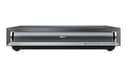 |  |
|---|---|---|
| Price | $2998 | $2999 |
| Rating | 4.2(104) | — |
| Brightness Ansi Lumens | 3000 | 2400 |
| Native Resolution | Native 4K | Native 4K |
| Hdr Support | Yes | Yes |
| Light Source | Laser | Laser |
| Contrast Ratio | 3000:1 | 3000:1 |
| Speaker Watts | — | 60W |
Swipe horizontally to see all columns
Pros & Cons
Quick overview of strengths and weaknesses
Hisense PX3-PRO Ultra
- Projects 80-150 inches from short distance.
- Native 4K resolution with AI upscaling.
- 3000 lumens produces bright images.
- Achieves 110% BT.2020 color gamut.
- Optimal performance requires ALR screen.
- 3000:1 contrast ratio is lower than most TVs.
- Single-chip DLP may cause rainbow effect.
- Ambient light reduces image contrast.
NexiGo Aurora Pro
- Native 4K resolution output
- >3000:1 native contrast with dynamic dimming
- Supports Dolby Vision and HDR10+ content
- 120-inch 85% ALR Fresnel screen included
- Ultra Short Throw requires meticulous setup
- Bundled 120-inch screen is non-adjustable size
- Active 3D glasses require power and may flicker
Frequently Asked Questions
Common questions about this comparison
Which projector is brighter for daytime viewing?
The Hisense PX3-PRO is brighter with 3000 ANSI lumens, compared to the NexiGo Aurora Pro's 2400 ANSI lumens, offering better performance in ambient light.
Do either of these projectors support 3D content?
Yes, the NexiGo Aurora Pro supports 3D and even includes DLP Link 3D glasses for an immersive cinematic experience.
Is an ALR screen included with either projector?
The NexiGo Aurora Pro includes a 120-inch 85% ALR Fresnel screen, which is a significant value add not found with the Hisense PX3-PRO.
How do they compare for gaming performance?
The Hisense PX3-PRO excels with a 240Hz high refresh rate and Xbox optimization, making it superior for gaming responsiveness and smoothness.
What native resolution do both projectors offer?
Both the Hisense PX3-PRO and NexiGo Aurora Pro feature Native 4K UHD resolution, ensuring sharp and detailed images.
Which projector offers a more powerful integrated sound system?
The NexiGo Aurora Pro comes with a powerful 60W integrated audio system and Dolby Atmos support, providing robust sound.
Related Comparisons
Similar products people compare
Hisense vs Valerion
$2998 vs $1999
Epson vs Hisense
$3199 vs $2998
Hisense vs NexiGo
$2998 vs $3099
Hisense vs Sony
$2998 vs $4500
BenQ vs Hisense
$2799 vs $2998
Hisense vs NexiGo
$2998 vs $2999
AWOL VISION vs Hisense
$2499 vs $2998
AWOL VISION vs Hisense
$2299 vs $2998
AWOL VISION vs Hisense
$3499 vs $2998
BenQ vs Hisense
$2199 vs $2998
Explore Other Categories
Popular comparisons across the site


Ask AI
Get instant answers about specs
Get the Deets
Ask our AI assistant
Ask Deets anything!