Our Verdict
Optoma UHZ68 Wins
It offers a significantly brighter 4K UHD image with 4500 lumens compared to the Epson's 2500 lumens, at a lower price of $3499.0 vs $3999.99. This makes it more versatile for various viewing environments, especially those with ambient light. The Epson Home Cinema LS11000 is the better pick for dedicated home theater enthusiasts prioritizing installation flexibility with motorized lens shift, focus, and zoom, and seeking its very high 1,200,000:1 contrast ratio for deeper blacks in a dark room.
Bottom Line: Optoma UHZ68 is the better choice. It offers a significantly brighter 4K UHD image with 4500 lumens compared to the Epson's 2500 lumens, at a lower price of $3499.
In-Depth Analysis
How they compare in practice
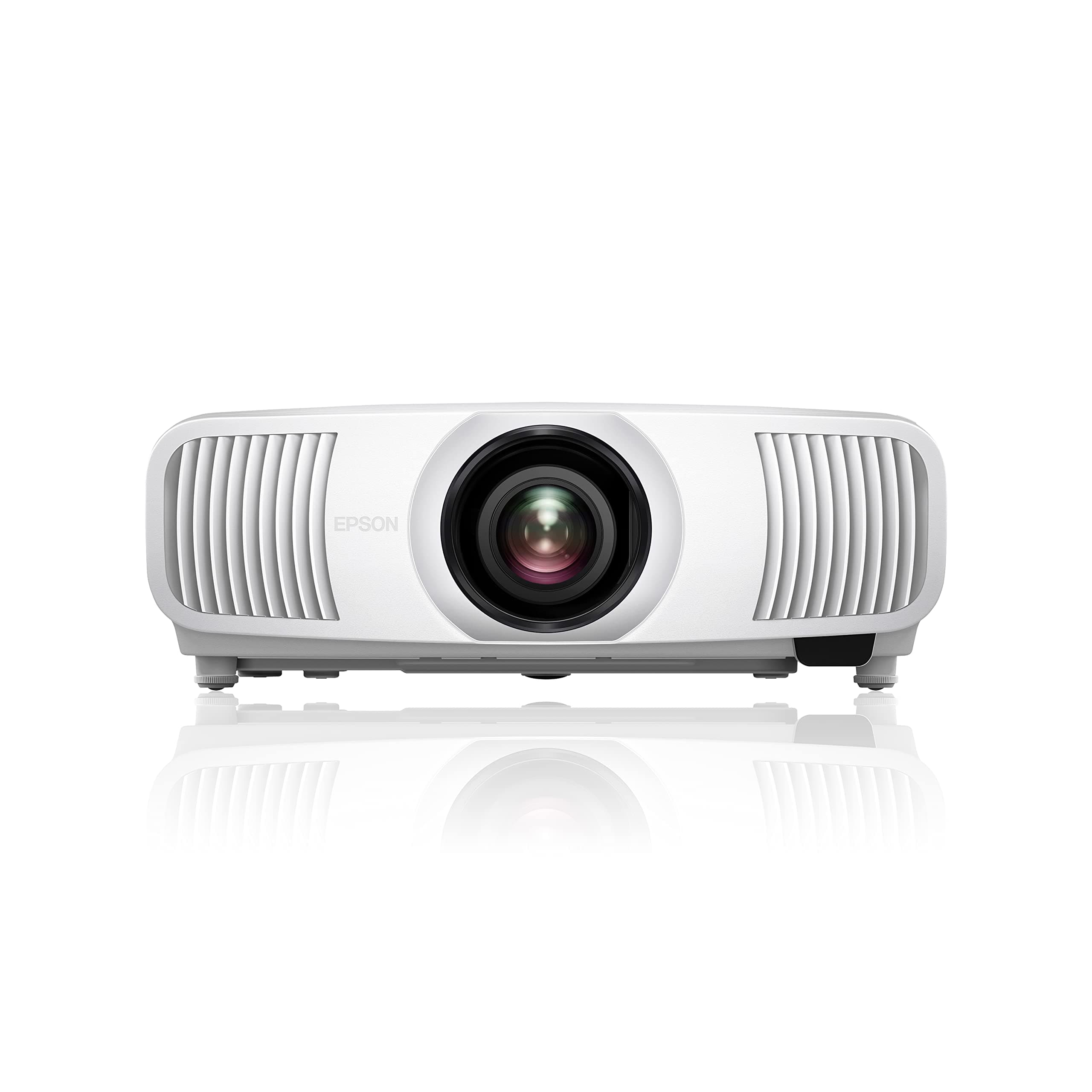
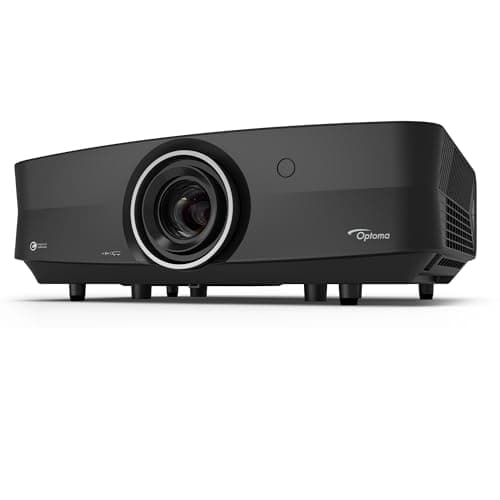
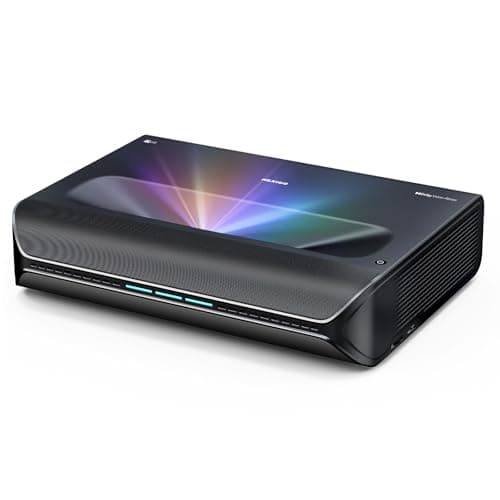
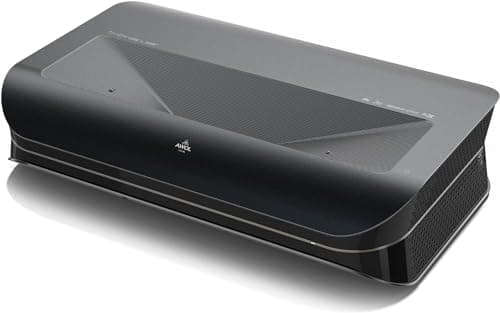
The Epson Home Cinema LS11000 and Optoma UHZ68 both deliver 4K UHD resolution through pixel shift technology, utilizing durable laser light sources for consistent, long-term performance. However, their primary difference lies in sheer brightness and overall value proposition. The Optoma UHZ68 blasts a formidable 4500 ANSI lumens, a substantial leap over the Epson LS11000's 2500 ANSI lumens. In real-world terms, this means the Optoma is far more capable of producing a vibrant, watchable image in rooms with ambient light, making it exceptionally versatile for living room setups or multi-purpose media spaces where complete darkness isn't always achievable.
Conversely, while the Epson LS11000 is less bright, it compensates with an astounding 1,200,000:1 contrast ratio (Optoma's is not specified but typically lower for ultra-bright models). This massive contrast enables the Epson to deliver richer, deeper blacks and more nuanced shadow detail, making it a superior choice for dedicated, light-controlled home theaters where image depth and cinematic quality are paramount. Both support HDR, but the Optoma specifically touts Dolby Vision/HDR10+ with 90%+ DCI-P3 color gamut, potentially offering a slight edge in HDR content presentation and color accuracy.
Installation and user experience also differ. The Epson LS11000 offers premium motorized lens shift, focus, and zoom, providing unparalleled flexibility and precision in setup, which is invaluable for complex installations or fine-tuning image geometry. Its 28 lbs weight, however, might complicate mounting. The Optoma, while lacking these motorized luxuries, focuses on high-performance features like HDMI 2.1 with ALLM (Auto Low Latency Mode) for a responsive gaming experience, complementing its 4K UHD resolution.
Ultimately, the Optoma UHZ68 presents a compelling value proposition at $3499.0. Its high brightness and lower price point make it accessible for a wider audience seeking a powerful 4K laser projector that can perform well in varied environments. The Epson LS11000, priced at $3999.99, targets the discerning enthusiast who prioritizes ultimate contrast, precise calibration, and an easier, more flexible installation process for a truly bespoke home cinema.
Key Differences
The most significant spec differences at a glance
Brightness Ansi Lumens
44% lessAdvantages
Where each product wins

Optoma
- Brightness Ansi Lumens: 44% higher (2500.0 vs 4500)
Which to Pick for Your Situation
Concrete scenarios with a clear recommendation
For a bright living room
OptomaThe Optoma UHZ68's 4500 lumens brightness significantly cuts through ambient light better than the Epson's 2500 lumens, ensuring a more visible image during the day.
For a dedicated dark home theater
EpsonThe Epson's superior 1,200,000:1 contrast ratio delivers deeper blacks and more dynamic range crucial for cinematic viewing in a light-controlled environment, plus motorized lens features for precise setup.
For competitive gaming
TieBoth offer compelling gaming features; the Epson has 120Hz while the Optoma offers HDMI 2.1 and ALLM, making either a strong choice depending on specific console or PC setups.
For tight budgets seeking 4K laser
OptomaAt $3499.0, the Optoma UHZ68 provides a brighter 4K laser experience for $500 less than the Epson LS11000, offering better value for a high-lumen display.
Who Should Buy Which?
Find the right product for your needs

Buy Epson if...
Epson Home Cinema LS11000
The Epson Home Cinema LS11000 is engineered for the discerning home theater enthusiast or videophile dedicated to crafting a purpose-built, light-controlled viewing environment. This buyer prioritizes uncompromising image precision, exceptionally deep contrast, and advanced installation flexibility above raw brightness for daytime viewing. They are prepared to invest $3999.99 for a truly cinematic and customizable experience. The Epson's most compelling feature for this audience is its immense 1,200,000:1 contrast ratio, which guarantees rich, inky blacks and stunning dynamic range vital for dark-room viewing. Equally important are the motorized lens shift, focus, and zoom functions. These allow for effortless and exact image alignment to their specific screen, even if the projector placement is challenging or non-standard. While its 2500 lumens are sufficient for a dark room, this buyer consciously foregoes the Optoma's higher brightness and Dolby Vision support, prioritizing Epson's superior contrast and unparalleled installation precision for their bespoke home cinema setup.

Buy Optoma if...
Optoma UHZ68 - 4K
The Optoma UHZ68 is the ideal choice for the modern media consumer or avid gamer who demands a vibrant 4K laser projector capable of performing admirably across a wider range of viewing conditions, including rooms with some ambient light. This buyer is budget-conscious but unwilling to compromise on a high-performance, large-screen experience, finding the Optoma's $3499.0 price point highly attractive. The cornerstone specification for this user is the Optoma's impressive 4500 ANSI lumens brightness. This ensures a bright, punchy image that can cut through moderate ambient light, making it perfectly suited for a multi-purpose living room, gaming den, or media space where achieving total darkness isn't always practical or desired. Gamers will particularly value the HDMI 2.1 connectivity with ALLM (Auto Low Latency Mode), which delivers a smooth, responsive gaming experience crucial for fast-paced titles. The inclusion of Dolby Vision support further elevates their HDR content viewing. This buyer readily accepts the absence of motorized lens controls and a lower (though unspecified) contrast ratio, prioritizing the Optoma's superior brightness, cutting-edge gaming features, and excellent value for a dynamic 4K projection experience.
Spec Comparison
7 specs compared
| Specification |  | 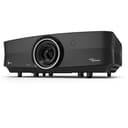 |
|---|---|---|
| Price | $4000 | $3499 |
| Rating | 4.2(114) | — |
| Brightness Ansi Lumens | 2500 | 4500 |
| Native Resolution | 4K Pixel Shift | 4K Pixel Shift |
| Lens Shift | Yes | — |
| Weight | 28 lbs | — |
| Hdr Support | Yes | Yes |
| Light Source | Laser | Laser |
| Contrast Ratio | 1200000:1 | — |
Swipe horizontally to see all columns
Pros & Cons
Quick overview of strengths and weaknesses
Epson Home Cinema
- Displays 3840x2160 via pixel shift technology.
- 2,500 lumens for visible picture in ambient light.
- Laser light source offers consistent long-term brightness.
- 120 Hz refresh rate ensures smoother motion content.
- Unit weight of 28 lbs complicates mounting logistics.
- Uses pixel shift for 4K; not a true native 4K display.
Optoma UHZ68 -
- 4500 lumens ensures very bright 4K UHD display.
- Dolby Vision/HDR10+ support for high contrast.
- 90%+ DCI-P3 color gamut for cinematic accuracy.
- HDMI 2.1, ALLM enable low latency gaming.
- Resolution achieved via 4K pixel shift.
- External audio system required for full sound.
Frequently Asked Questions
Common questions about this comparison
Which projector is brighter?
The Optoma UHZ68 is significantly brighter at 4500 ANSI lumens, compared to the Epson LS11000's 2500 ANSI lumens, making the Optoma better for rooms with ambient light.
Do both projectors offer true native 4K resolution?
No, both the Epson Home Cinema LS11000 and the Optoma UHZ68 achieve 4K UHD resolution using pixel-shift technology, not a true native 4K display chip.
Is either projector better for gaming?
Both are good. The Epson supports 120Hz refresh rates, while the Optoma features HDMI 2.1 and ALLM for low-latency gaming, catering to different gaming priorities.
Which projector is easier to install?
The Epson LS11000 offers greater installation flexibility with its motorized lens shift, focus, and zoom, which simplifies precise image alignment compared to fixed or manual adjustments.
What is the price difference between the two?
The Optoma UHZ68 is priced at $3499.0, making it $500 cheaper than the Epson Home Cinema LS11000, which retails for $3999.99.
Does either support Dolby Vision?
Yes, the Optoma UHZ68 explicitly supports Dolby Vision, alongside HDR10+. The Epson LS11000 supports HDR and HDR10+, but not Dolby Vision specifically.
Related Comparisons
Similar products people compare
Explore Other Categories
Popular comparisons across the site


Ask AI
Get instant answers about specs
Get the Deets
Ask our AI assistant
Ask Deets anything!