Our Verdict
LG HU915QE Wins
It delivers a superior visual experience with Native 4K resolution, outperforming Epson's 4K Pixel Shift, and boasts significantly higher brightness at 3700 ANSI lumens compared to Epson's 2500 lumens, making it better for brighter rooms. Its ultra short throw capability offers unparalleled placement flexibility, justifying its slightly higher price of $4418.78 versus $3999.99. The Epson LS11000 is the better pick for traditional home theater setups requiring flexible motorized lens shift and exceptional contrast, where a native 4K projector isn't strictly necessary and budget is tighter.
Bottom Line: LG HU915QE is the better choice. It delivers a superior visual experience with Native 4K resolution, outperforming Epson's 4K Pixel Shift, and boasts significantly higher brightness at 3700 ANSI lumens compared to Epson's 2500 lumens, making it better for brighter rooms.
In-Depth Analysis
How they compare in practice
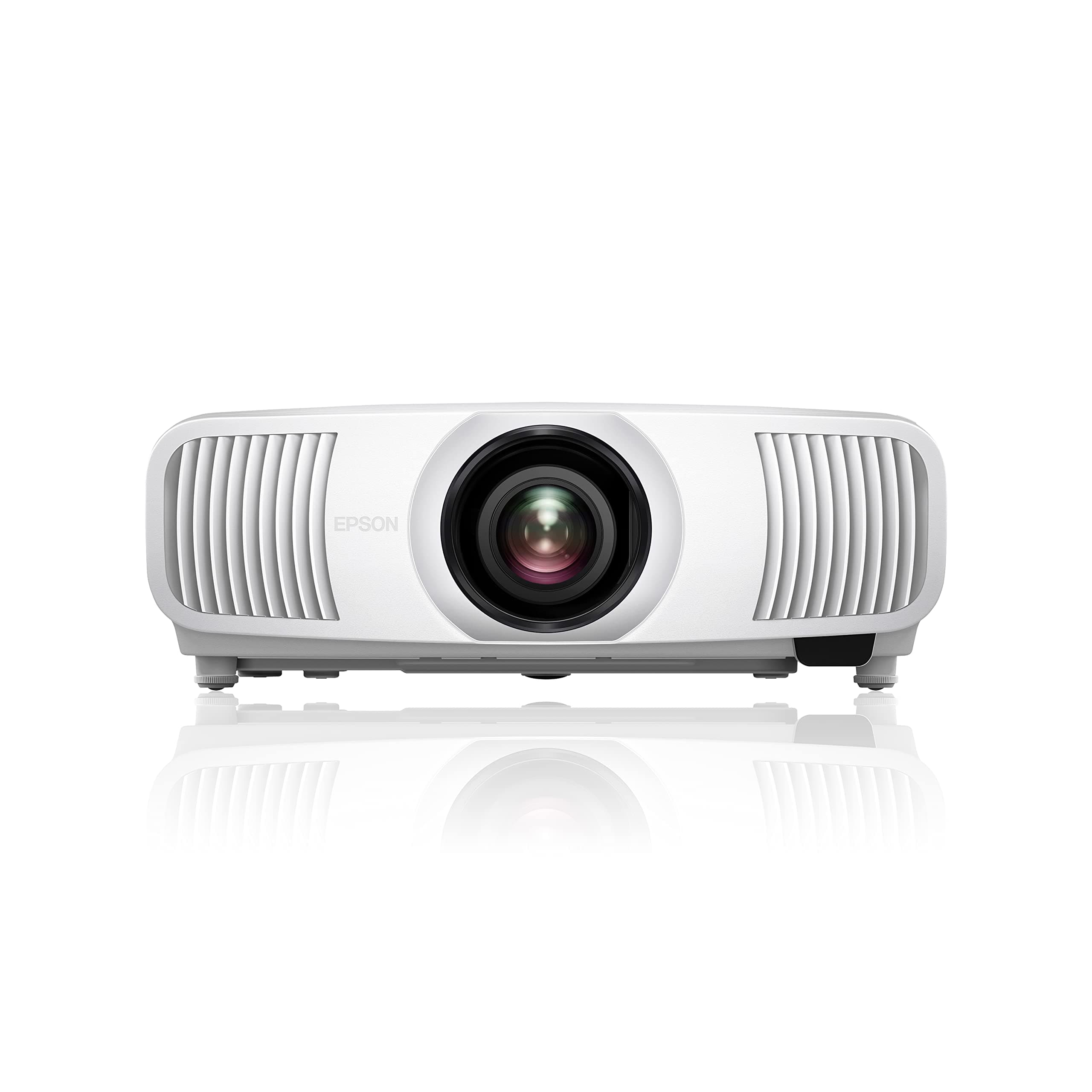
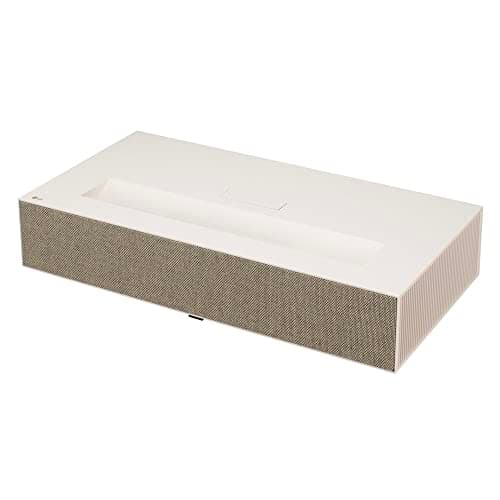
The LG HU915QE and Epson Home Cinema LS11000 represent two distinct approaches to high-end home projection, each excelling in different scenarios. The most significant differentiator lies in their core visual performance: the LG offers true Native 4K (3840x2160) resolution, providing a pixel-for-pixel sharp image, whereas the Epson utilizes 4K Pixel Shift technology. While Epson's pixel shifting effectively enhances resolution, it can't quite match the pristine clarity and minute detail of a natively rendered 4K picture from the LG.
Furthermore, the LG HU915QE significantly outshines the Epson LS11000 in brightness, boasting 3700 ANSI lumens against Epson's 2500 lumens. This 1200-lumen difference is crucial in real-world use; the LG can maintain a more vibrant and watchable picture in rooms with higher ambient light, reducing the absolute necessity for complete blackout conditions. This makes the LG a more versatile option for dynamic living spaces, while the Epson thrives in a dedicated, light-controlled home theater environment.
Installation and placement strategy are also fundamentally different. The LG HU915QE is an ultra short throw (UST) projector, capable of projecting a massive 120-inch screen from just 7.2 inches away from the wall. This innovative design liberates users from complex ceiling mounts and long cable runs, making it ideal for seamlessly integrating a large screen into any living space without permanent structural changes. In contrast, the Epson LS11000 is a traditional long-throw projector, but it compensates with advanced motorized lens shift, focus, and zoom features. This provides immense flexibility for precise image alignment in conventional ceiling or shelf mounting scenarios, a feature highly valued by home theater purists for dialing in the perfect picture.
Beyond projection, the LG integrates webOS 6.0, turning it into a smart entertainment hub with direct access to Netflix and Apple TV+, enhancing its value as a standalone solution. It also features auto brightness adjustment, adapting to room lighting. The Epson, while lacking smart features, delivers an exceptional 1,200,000:1 contrast ratio, translating into deeper blacks and more dynamic, cinematic visuals in a dark room. While the LG's superior brightness, native 4K, and UST capability command a higher price at $4418.78, the Epson's $3999.99 price point and its traditional home theater strengths offer a compelling value proposition for those prioritizing contrast and traditional setup flexibility.
Key Differences
The most significant spec differences at a glance
Brightness Ansi Lumens
32% lessAdvantages
Where each product wins

LG
- Brightness Ansi Lumens: 32% higher (2500.0 vs 3700.0)
Which to Pick for Your Situation
Concrete scenarios with a clear recommendation
For a bright living room
LGThe LG HU915QE offers 3700 ANSI lumens, significantly brighter than Epson's 2500 lumens, ensuring a more visible picture in moderately lit rooms.
For a dedicated dark home theater
EpsonThe Epson LS11000 provides a higher contrast ratio of 1,200,000:1 and motorized lens adjustments for precise setup, critical for an immersive, dark-room cinematic experience.
For space-constrained apartments
LGThe LG HU915QE's ultra short throw ratio of 0.19 allows it to project a large image from just inches away from the wall, perfect for small spaces without complex mounting.
For the sharpest true 4K image
LGThe LG HU915QE features Native 4K (3840 x 2160) resolution, offering true pixel-for-pixel detail compared to Epson's 4K Pixel Shift technology.
Who Should Buy Which?
Find the right product for your needs

Buy Epson if...
Epson Home Cinema LS11000
The ideal buyer for the Epson Home Cinema LS11000 is a dedicated home theater enthusiast who prioritizes a high-contrast, immersive cinematic experience in a controlled, dark environment. They likely have a dedicated room or a space where ambient light can be minimized, allowing the projector's strengths to shine. This buyer values precise image calibration and ease of setup for a traditional throw projector, appreciating the motorized lens shift, focus, and zoom features that allow for perfect image alignment without physical projector adjustments. They might be upgrading from an older projector and are accustomed to a conventional installation. While they desire high resolution, the distinction between true native 4K and 4K Pixel Shift is less critical than the overall picture quality, especially the deep blacks offered by its 1,200,000:1 contrast ratio. They are also budget-conscious, finding the $3999.99 price point attractive for a laser-light-source projector with such advanced installation features and high contrast, offering significant value. They understand that while its 2500 ANSI lumens are ample for a dark room, it won't perform as well as brighter projectors in ambient light. They are willing to forgo built-in smart TV functionalities and the unique ultra short throw convenience of the LG, opting instead for superior traditional projection metrics, exceptional contrast, and advanced motorized lens controls that simplify a complex, permanent installation for an unparalleled cinematic journey.

Buy LG if...
LG HU915QE Ultra Short
The LG HU915QE is perfectly suited for the modern urban dweller or someone with a multi-purpose living space who wants a large-screen experience without the complexities of traditional projector installation. This buyer values convenience, aesthetic integration, and bright-room performance. They are likely setting up a projection system in a living room where ambient light is common and ceiling mounts or long cable runs are undesirable. The projector's ultra short throw ratio of 0.19, allowing it to project a 120-inch image from just 7.2 inches away, is a game-changer for them, transforming a blank wall into a massive display instantly. They prioritize the pristine sharpness of Native 4K resolution and the robust brightness of 3700 ANSI lumens to combat daylight or room lighting. The integrated webOS 6.0 with streaming apps further appeals to their desire for a simple, all-in-one entertainment solution. While the $4418.78 price is higher, they see the value in its unique form factor, superior brightness, and smart features. They are prepared to use external audio and accept the need for manual focus adjustment, prioritizing the spatial flexibility and cutting-edge projection technology it offers over the Epson's traditional contrast and motorized lens adjustments, which wouldn't fit their setup needs.
Spec Comparison
8 specs compared
| Specification |  |  |
|---|---|---|
| Price | $4000 | $4419 |
| Rating | 4.2(114) | 3.6(123) |
| Brightness Ansi Lumens | 2500 | 3700 |
| Native Resolution | 4K Pixel Shift | Native 4K |
| Lens Shift | Yes | — |
| Weight | 28 lbs | — |
| Hdr Support | Yes | Yes |
| Light Source | Laser | Laser |
| Contrast Ratio | 1200000:1 | — |
| Throw Ratio | — | 0.19 |
Swipe horizontally to see all columns
Pros & Cons
Quick overview of strengths and weaknesses
Epson Home Cinema
- Displays 3840x2160 via pixel shift technology.
- 2,500 lumens for visible picture in ambient light.
- Laser light source offers consistent long-term brightness.
- 120 Hz refresh rate ensures smoother motion content.
- Unit weight of 28 lbs complicates mounting logistics.
- Uses pixel shift for 4K; not a true native 4K display.
LG HU915QE Ultra
- Displays 4K UHD (3840x2160) resolution for sharp images.
- 3700 ANSI lumens supports bright room viewing.
- Ultra short throw allows 120" screen from 7.2" away.
- Integrated webOS 6.0 provides direct streaming access.
- Manual focus adjustment required for image clarity.
- External audio system likely needed for optimal sound.
- UST projection sensitive to wall surface imperfections.
Frequently Asked Questions
Common questions about this comparison
Which projector offers a true Native 4K experience?
The LG HU915QE provides true Native 4K (3840 x 2160) resolution for the sharpest image. The Epson LS11000 uses 4K Pixel Shift, which enhances resolution but isn't native 4K.
How do the brightness levels compare between the two?
The LG HU915QE is significantly brighter at 3700 ANSI lumens, making it more suitable for rooms with ambient light. The Epson LS11000 offers 2500 ANSI lumens, ideal for darker, controlled environments.
Can I use either projector in a small room?
The LG HU915QE is excellent for small rooms due to its ultra short throw, projecting a 120" image from 7.2" away. The Epson requires more throw distance but offers versatile motorized lens adjustments.
What are the main installation differences?
The LG is a UST projector, placed very close to the wall. The Epson is a standard throw with motorized lens shift, focus, and zoom for flexible ceiling or shelf mounting in a traditional setup.
Which projector is better for movie buffs seeking deep blacks?
The Epson LS11000 excels here with an impressive 1,200,000:1 contrast ratio, delivering exceptionally deep blacks and vibrant colors in a dedicated dark viewing space.
Does either projector have built-in smart features?
Yes, the LG HU915QE includes webOS 6.0, providing direct access to popular streaming apps like Netflix and Apple TV+ without needing an external external device.
Related Comparisons
Similar products people compare
Explore Other Categories
Popular comparisons across the site


Ask AI
Get instant answers about specs
Get the Deets
Ask our AI assistant
Ask Deets anything!