Our Verdict
NexiGo Aurora Pro Wins
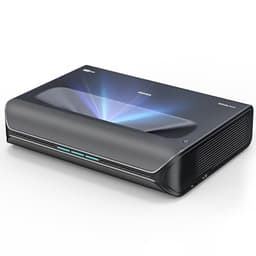
Its native 4K resolution and ultra-low 8ms gaming input lag directly address key priority specs, providing a sharper, more responsive experience than the Epson's 4K pixel shift and unlisted input lag. Moreover, it delivers this at a significantly lower price point of $2299 compared to the Epson's $3199 renewed status. The Epson Home Cinema LS11000 is the better pick for users prioritizing exceptionally high dynamic contrast (1,200,000:1 vs 3000:1) and the installation flexibility of motorized lens shift, focus, and zoom in a dedicated, light-controlled home theater.
Bottom Line: NexiGo Aurora Pro is the better choice. Its native 4K resolution and ultra-low 8ms gaming input lag directly address key priority specs, providing a sharper, more responsive experience than the Epson's 4K pixel shift and unlisted input lag.
In-Depth Analysis
How they compare in practice
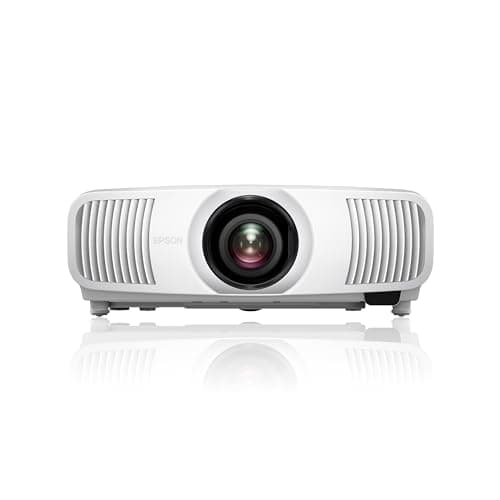
The Epson Home Cinema LS11000 and NexiGo Aurora Pro both leverage laser light sources for long-term brightness and color stability, but their approaches to delivering a 4K image and overall user experience diverge significantly. The NexiGo Aurora Pro offers true native 4K resolution, meaning each of its 8.3 million pixels is independently rendered for superior sharpness, which is particularly noticeable on larger screens and when viewing fine details. In contrast, the Epson utilizes 4K PRO-UHD pixel shifting technology, which projects four individual pixels for each frame to achieve a 4K-like image, but it isn't a native 4K panel. While excellent, purists might detect a subtle difference in ultimate clarity.
For gamers, the NexiGo Aurora Pro is a standout, boasting an incredibly low 8ms input lag, making it highly responsive for fast-paced action. The Epson, while capable, doesn't prioritize low input lag and is generally less suited for competitive gaming. Another critical distinction lies in their throw ratios and installation flexibility. The NexiGo is an Ultra Short Throw (UST) projector, designed to sit inches from the wall, making it ideal for living rooms where a ceiling mount or long cable run isn't feasible. It also integrates powerful 60W speakers, offering an all-in-one smart TV replacement. The Epson, a traditional long-throw projector, demands more distance but counters with extensive motorized lens shift, focus, and zoom capabilities, providing unparalleled flexibility in ceiling or shelf mounting and precise image alignment.
The Epson LS11000 does present a substantial advantage in contrast, with a dynamic ratio of 1,200,000:1 compared to the NexiGo's 3000:1 native contrast. This translates to incredibly deep blacks and vibrant whites, offering a more cinematic experience, especially in a dark, dedicated home theater environment. The slight brightness difference (2500 lumens for Epson vs 2400 for NexiGo) is negligible in real-world use. Ultimately, the NexiGo Aurora Pro offers exceptional value at $2299 with its native 4K, low lag, UST design, and integrated audio, making it a versatile choice for modern living spaces. The Epson, despite being renewed and pricier at $3199, appeals to home theater enthusiasts who prioritize ultimate contrast and setup precision over gaming prowess and an all-in-one form factor.
Key Differences
The most significant spec differences at a glance
Brightness Ansi Lumens
4% moreAdvantages
Where each product wins

Epson
- Brightness Ansi Lumens: 4% higher (2500 vs 2400)
Which to Pick for Your Situation
Concrete scenarios with a clear recommendation
For a dedicated home theater with light control
EpsonThe Epson's 1,200,000:1 dynamic contrast ratio and motorized lens shift offer a superior cinematic experience and precise image alignment.
For a living room replacing a large TV
NexiGoThe NexiGo's Ultra Short Throw design allows placement inches from the wall, and its 60W speakers provide integrated audio for a streamlined setup.
For serious console or PC gaming
NexiGoThe NexiGo offers an extremely low 8ms input lag, ensuring a highly responsive and fluid gaming experience.
For budget-conscious buyers seeking 4K
NexiGoAt $2299, the NexiGo offers native 4K resolution and integrated features at a significantly lower price than the renewed Epson at $3199.
Who Should Buy Which?
Find the right product for your needs

Buy Epson if...
Epson Home Cinema LS11000
The Epson Home Cinema LS11000 is ideal for the discerning home theater enthusiast or cinephile who prioritizes uncompromised image quality in a controlled environment. This buyer is likely setting up a dedicated media room, perhaps with a ceiling mount, and values meticulous calibration and superior contrast above all else. They need the incredible installation flexibility offered by the motorized lens shift, focus, and zoom capabilities to perfectly align the image in their chosen space. While the 4K PRO-UHD isn't native, they appreciate the overall picture refinement and the truly exceptional 1,200,000:1 dynamic contrast ratio, which delivers deep, inky blacks and vibrant, detailed images crucial for movies and cinematic content. They are comfortable with the $3199 price point and understand that 'renewed' status doesn't detract from their core needs. This buyer isn't a primary gamer, and the lack of specific low input lag isn't a deal-breaker. They are prepared to invest in a separate, high-fidelity audio system, as the projector itself doesn't offer integrated speakers.

Buy NexiGo if...
NexiGo Aurora Pro, Ultra
The NexiGo Aurora Pro is perfect for the modern living room user or gamer who wants a large, sharp 4K image without the hassle of a traditional projector setup. This buyer values convenience, versatility, and an all-in-one solution. They are drawn to the Ultra Short Throw (UST) design, which allows the projector to sit directly beneath the screen, eliminating ceiling mounts, long cable runs, and foot traffic shadows. Crucially, gamers will find its 8ms input lag to be a standout feature, making it highly responsive for console or PC gaming. The native 4K resolution ensures crisp, clear visuals for movies, sports, and games, outperforming the pixel-shifted alternatives. At $2299, it offers excellent value, providing integrated 60W speakers with Dolby Vision and Atmos support, effectively replacing a large television. This buyer is less concerned with the absolute highest dynamic contrast of a traditional projector and is willing to accept the 2400 lumens, understanding its limitations in extremely bright ambient light. They prioritize a seamless, integrated experience over the specialized flexibility of a long-throw model.
Spec Comparison
8 specs compared
| Specification |  |  |
|---|---|---|
| Price | $3199 | $2299 |
| Rating | 4.3(16) | 4.3(280) |
| Brightness Ansi Lumens | 2500 | 2400 |
| Native Resolution | 4K Pixel Shift | Native 4K |
| Gaming Input Lag Ms | — | 8 |
| Lens Shift | Yes | — |
| Hdr Support | Yes | Yes |
| Light Source | Laser | Laser |
| Contrast Ratio | 1200000:1 | 3000:1 |
| Speaker Watts | — | 60W |
Swipe horizontally to see all columns
Pros & Cons
Quick overview of strengths and weaknesses
Epson Home Cinema
- 4K PRO-UHD pixel shifting delivers sharp images.
- 2,500 lumens for bright ambient light rooms.
- Laser light source for long operational life.
- 1,200,000:1 dynamic contrast ratio.
- 4K PRO-UHD resolution is pixel-shifted, not native.
- Renewed status may affect warranty or reliability.
NexiGo Aurora Pro,
- Native 4K resolution provides sharp images.
- 8ms input lag supports responsive gaming.
- 3000:1 native contrast deepens black levels.
- Dynamic laser dimming improves blacks and saves energy.
- 2400 lumens may limit use in bright rooms.
- Ultra-short throw requires precise screen setup.
- MEMC 120Hz can introduce motion artifacting.
Frequently Asked Questions
Common questions about this comparison
What is the key difference in 4K resolution between these projectors?
The NexiGo Aurora Pro offers true native 4K, rendering each pixel independently for maximum sharpness. The Epson LS11000 uses 4K PRO-UHD pixel shifting, which projects four individual pixels per frame to create a 4K-like image.
Which projector is better for gaming?
The NexiGo Aurora Pro is superior for gaming due to its ultra-low 8ms input lag, providing a much more responsive experience for fast-paced games compared to the Epson.
How do their contrast ratios compare?
The Epson LS11000 boasts a dynamic contrast ratio of 1,200,000:1, delivering incredibly deep blacks. The NexiGo Aurora Pro has a native contrast ratio of 3000:1.
Can either projector be placed close to the wall?
Yes, the NexiGo Aurora Pro is an Ultra Short Throw (UST) projector, designed to be placed very close to the projection surface, ideal for living rooms.
What audio features do these projectors offer?
The NexiGo Aurora Pro features powerful 60W built-in stereo speakers with Dolby Vision & Atmos support, providing a complete audio solution. The Epson relies on external audio systems.
Is the Epson's 'Renewed' status a concern?
The 'Renewed' status on the Epson LS11000 means it's pre-owned but refurbished, potentially affecting warranty terms or perceived long-term reliability compared to a brand-new unit.
Related Comparisons
Similar products people compare
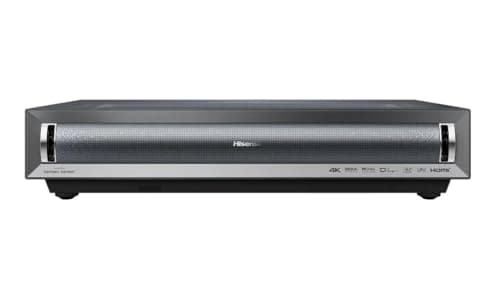
Epson vs Hisense
$3199 vs $2998
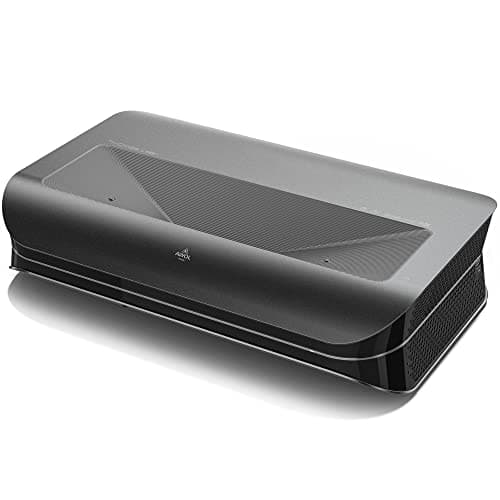
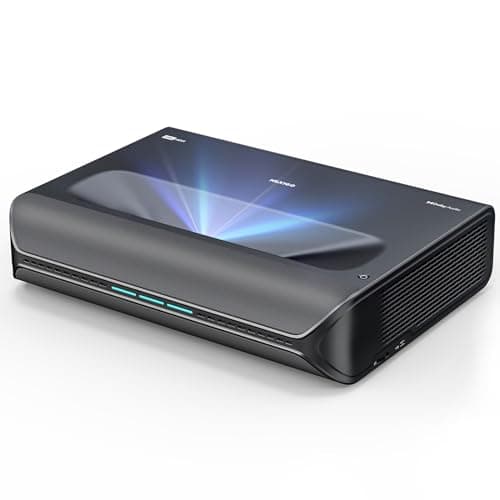
AWOL VISION vs NexiGo
$2299 vs $2299
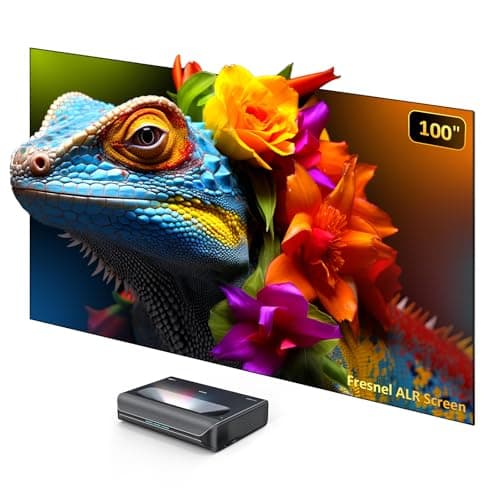
NexiGo vs NexiGo
$2999 vs $2299
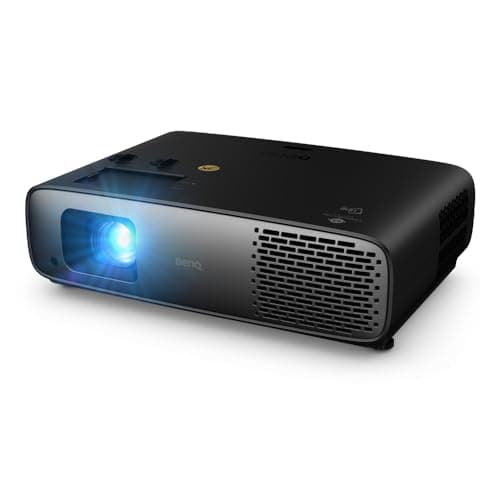
BenQ vs Epson
$2799 vs $3199
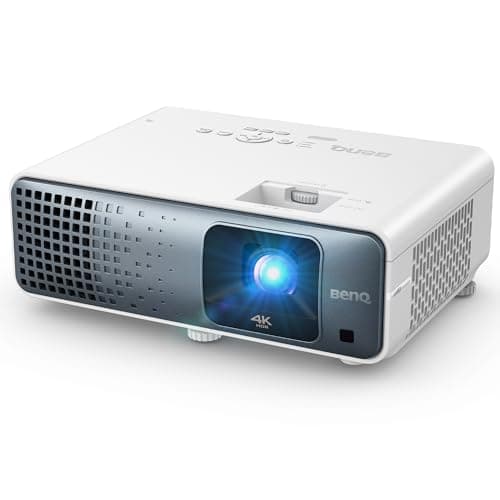
BenQ vs NexiGo
$1998 vs $2299
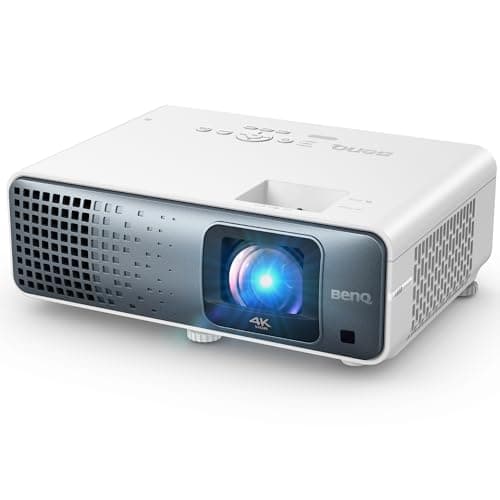
BenQ vs NexiGo
$2199 vs $2299
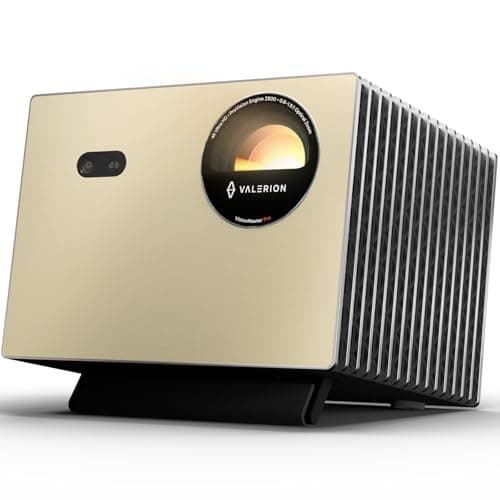
NexiGo vs Valerion
$2299 vs $1999
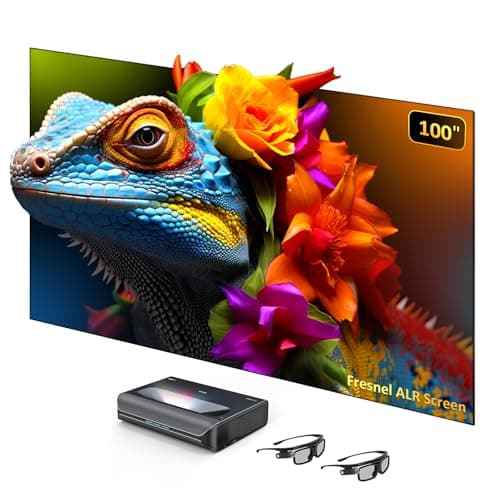
NexiGo vs NexiGo
$3099 vs $2299
Epson vs Valerion
$3199 vs $1999
Epson vs NexiGo
$3199 vs $3099
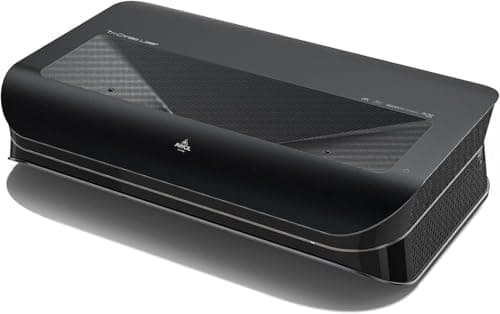
AWOL VISION vs NexiGo
$2499 vs $2299
BenQ vs NexiGo
$2799 vs $2299
AWOL VISION vs Epson
$2299 vs $3199
BenQ vs Epson
$2199 vs $3199
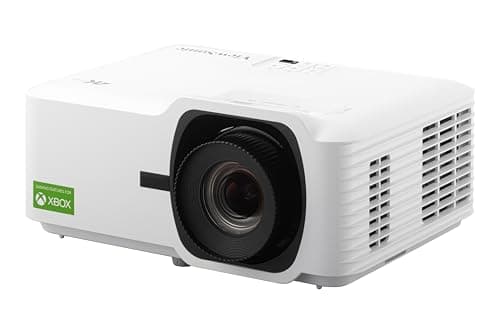
NexiGo vs ViewSonic
$2299 vs $1623
Explore Other Categories
Popular comparisons across the site


Ask AI
Get instant answers about specs
Get the Deets
Ask our AI assistant
Ask Deets anything!