Our Verdict
FIFINE AmpliGame AM8 Black Wins
Its marginally lower price point makes it the better value without compromise on critical audio features.
Bottom Line: FIFINE AmpliGame AM8 Black is the better choice. Its marginally lower price point makes it the better value without compromise on critical audio features.
In-Depth Analysis
How they compare in practice
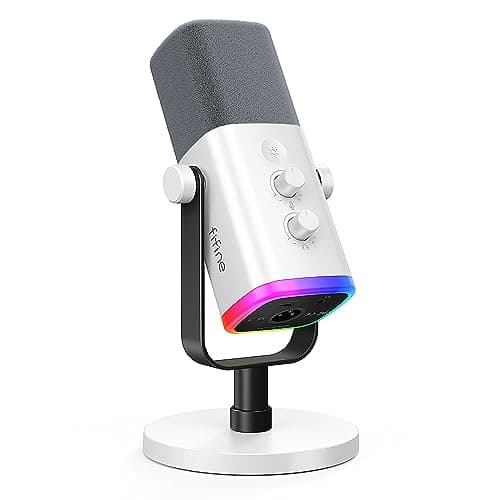
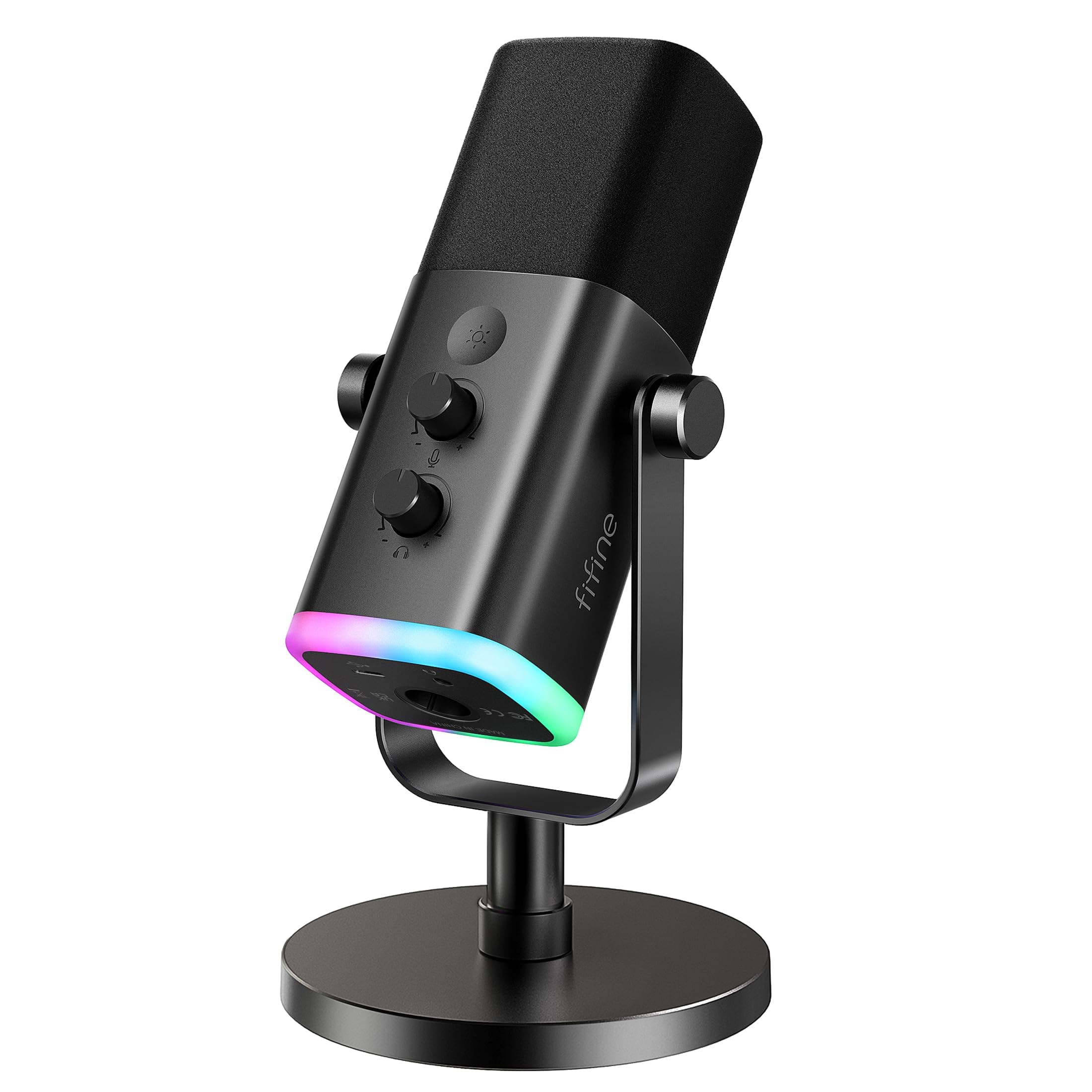
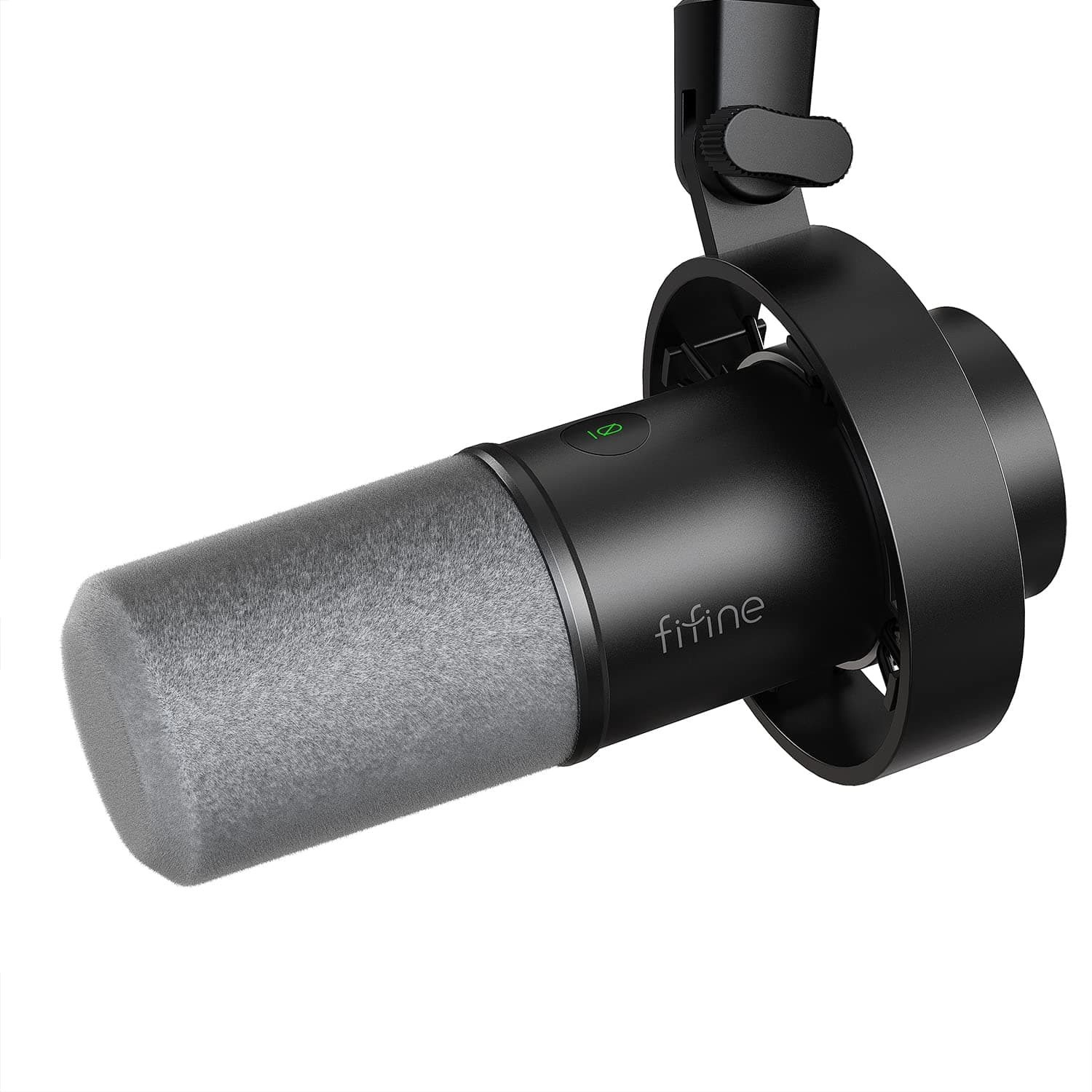
Both FIFINE AmpliGame AM8 microphones, the AM8W and AM8 Black, present an intriguing proposition for streamers and podcasters seeking versatile audio solutions. On paper, their core specifications are strikingly similar, featuring a 48.0 kHz sample rate, flexible USB/XLR connection types, a reliable Cardioid polar pattern, and the crucial benefit of zero-latency monitoring. This near-identical spec sheet means that in real-world use, both microphones will deliver a very similar audio experience for recording vocals, streaming, or gaming, adeptly capturing sound directly in front while minimizing ambient noise, making background noise less of a concern for users. The primary distinction emerges in their pricing and subtle product descriptors. While this difference is small, it positions the AM8 Black as a marginally more budget-friendly option for virtually the same performance envelope. Both units share common operational caveats, such as onboard controls (gain, mute) and RGB lighting functions being active only when connected via USB. This implies that users opting for XLR connectivity for a more professional setup will manage these aspects through their audio interface or mixer, a common trade-off for dynamic microphones in this category, rather than directly on the mic. For potential buyers, the choice between these two largely comes down to minor aesthetic preferences or the absolute tightest budget. The "W" in AM8W might imply a white color variant, offering a different visual appeal compared to the AM8 Black. Beyond this, there are no meaningful spec deltas to drive a performance-based decision. Both offer robust build quality typical of FIFINE, integrated mute buttons for convenience, and onboard headphone jacks for direct monitoring. Ultimately, either microphone serves as an excellent entry point into dual-connectivity dynamic microphones, providing a strong value proposition for their respective price points by delivering essential features without unnecessary complexity.
Which to Pick for Your Situation
Concrete scenarios with a clear recommendation
For a first-time streamer
TieBoth offer dual USB/XLR connectivity and zero-latency monitoring at a budget-friendly price, making them equally accessible for beginners.
For a small podcast setup
TieBoth feature a Cardioid polar pattern for focused vocal pickup and 48.0 kHz sample rate for clear audio, suitable for a home studio.
For a specific desktop aesthetic
FIFINEIf the AM8W provides a unique color option (e.g., white) not available in the AM8 Black, it might be chosen for specific visual preferences.
Who Should Buy Which?
Find the right product for your needs

Buy FIFINE if...
AmpliGame AM8W XLR/USB Gaming Microphone
The FIFINE AmpliGame AM8W is an excellent choice for a content creator or gamer who prioritizes a specific aesthetic for their setup and is willing to pay a marginal premium for it, even if the core performance mirrors its counterpart. This buyer might be setting up a meticulously curated streaming space where a particular color scheme (potentially a white finish, hinted by the 'W' in its name) is paramount to their visual brand or personal preference, ensuring their gear visually complements their overall theme. They need a reliable microphone that offers the flexibility of both USB for quick plug-and-play use with convenient onboard controls like the mute button and gain control, and XLR for future-proofing or integration into a more professional audio interface setup. While the AM8W shares its robust 48.0 kHz sample rate and focused Cardioid polar pattern with the AM8 Black, its appeal lies in fulfilling that niche desire for visual harmony, all while delivering top-tier basic features like zero-latency monitoring. They are giving up the slight cost savings of the AM8 Black but gaining a microphone that perfectly matches their unique setup, valuing style as much as substance in their audio equipment.

Buy FIFINE if...
USB/XLR Dynamic Microphone
The FIFINE AmpliGame AM8 Black is ideally suited for the pragmatic streamer, podcaster, or gamer who demands high-quality audio performance and versatile connectivity at the most competitive price point. This buyer is acutely budget-conscious but unwilling to compromise on essential features. They prioritize value, seeking a microphone that delivers a robust 48.0 kHz sample rate, dual USB/XLR connection types for maximum flexibility, a focused Cardioid polar pattern to minimize background noise, and critical zero-latency monitoring for effective real-time audio checks. This user understands that the onboard controls and RGB lighting are USB-dependent and plans to utilize their audio interface for XLR control if they upgrade. They are not concerned with unique aesthetic variations but rather a dependable workhorse microphone that gets the job done efficiently and affordably, foregoing any potential minor aesthetic differences for proven, identical performance at a lower cost.
Spec Comparison
11 specs compared
| Specification |  | 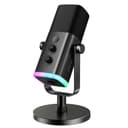 |
|---|---|---|
| Rating | 4.6(11.7k) | 4.6(9.6k) |
| Sample Rate | 48 kHz | 48 kHz |
| Connection | USB/XLR | USB/XLR |
| Polar Pattern | Cardioid | Cardioid |
| Zero-Latency | Yes | Yes |
| Mute Button | Yes | Yes |
| Gain Control | Yes | Yes |
| Model Number | AM8W | — |
| Headphone Out | Yes | Yes |
| Weight | — | 1.32 lbs |
| Software | — | None |
| Freq. Response | — | 50Hz - 16kHz |
Swipe horizontally to see all columns
Pros & Cons
Quick overview of strengths and weaknesses
FIFINE AmpliGame AM8W XLR/USB Gaming Microphone
- Dual USB and XLR connectivity options.
- Onboard gain and headphone volume controls.
- Integrated mute button for quick audio cuts.
- Cardioid polar pattern reduces background noise.
- Onboard controls only function when using USB.
- RGB lighting feature is limited to USB mode.
- Requires close proximity for optimal audio capture.
FIFINE USB/XLR Dynamic Microphone
- USB and XLR connections offer setup versatility.
- Cardioid pattern minimizes off-axis sound pickup.
- Tap-to-mute button provides instant privacy control.
- Headphone jack allows real-time audio monitoring.
- RGB & USB functions inactive when using XLR.
- XLR connection requires separate cable.
- No dedicated software for advanced control.
Frequently Asked Questions
Common questions about this comparison
Do both microphones offer XLR and USB connectivity?
Yes, both FIFINE AmpliGame AM8W and AM8 Black provide dual USB/XLR connectivity, offering versatile setup options for various recording and streaming environments.
What is the sample rate for these microphones?
Both microphones feature a 48.0 kHz sample rate, which is standard for high-quality digital audio recording, ensuring clear and detailed sound capture for voice and music.
Can I monitor my audio in real-time with these mics?
Absolutely. Both models include a headphone output and zero-latency monitoring, allowing you to hear your audio input without any distracting delay during recording or streaming.
Do the onboard controls work with XLR connections?
No, the onboard gain control, mute button, and RGB lighting features on both AM8W and AM8 Black are primarily functional when connected via USB. For XLR, control is typically managed via an audio interface.
Is there a significant price difference between the two models?
The core specifications and features are otherwise identical.
Related Comparisons
Similar products people compare
Explore Other Categories
Popular comparisons across the site


Ask AI
Get instant answers about specs
Get the Deets
Ask our AI assistant
Ask Deets anything!