Our Verdict
FIFINE AmpliGame AM8W Wins
The FIFINE AM8W secures the win due to its superior stated audio fidelity with a 48.0 kHz sample rate, compared to MAONO's unlisted specification, and its invaluable dual USB/XLR connectivity.
Bottom Line: FIFINE AmpliGame AM8W is the better choice. The FIFINE AM8W secures the win due to its superior stated audio fidelity with a 48.
In-Depth Analysis
How they compare in practice
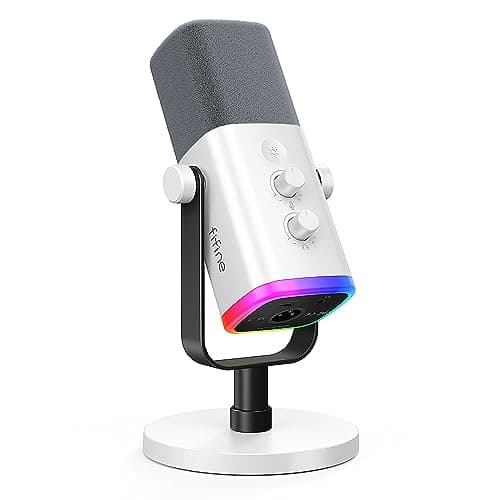
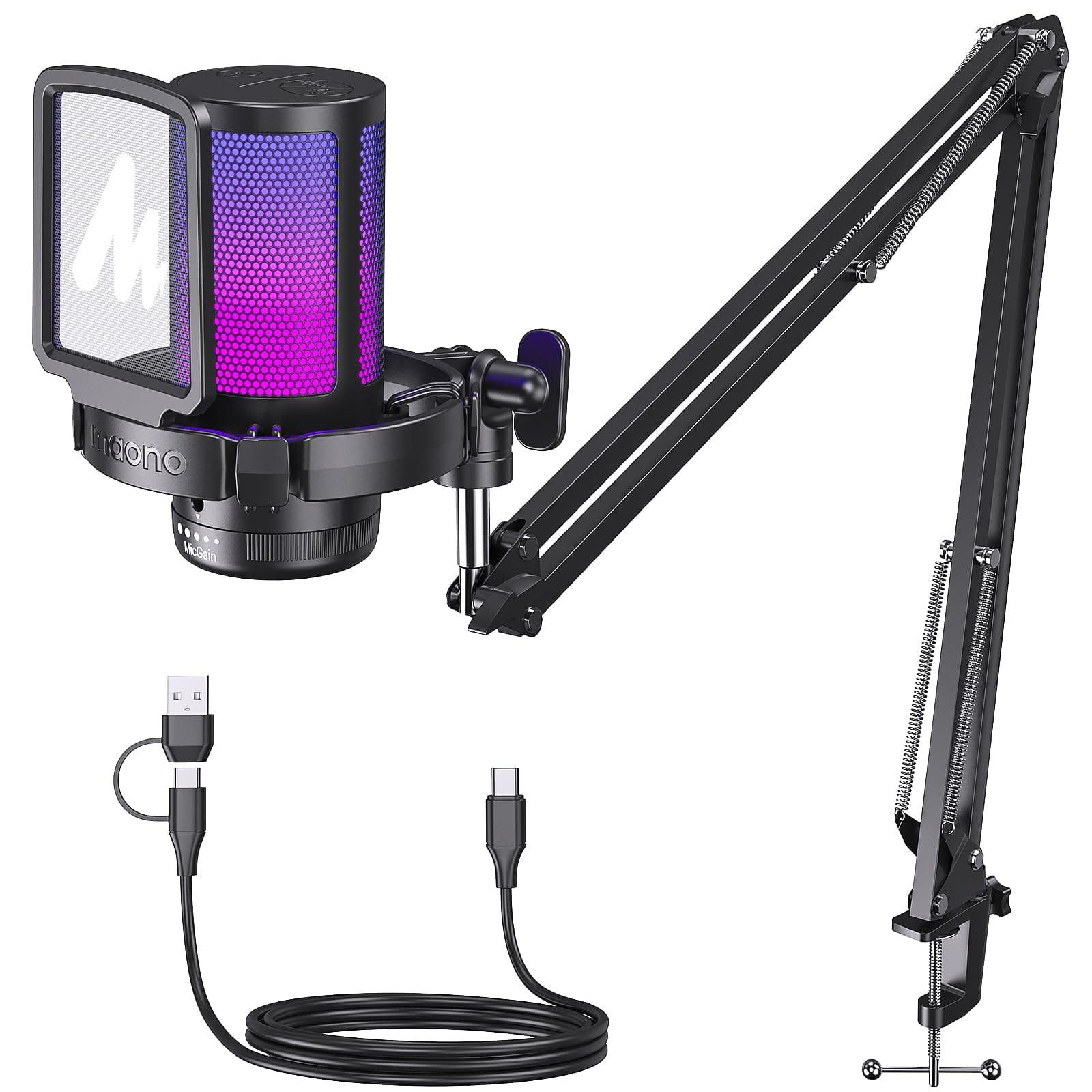
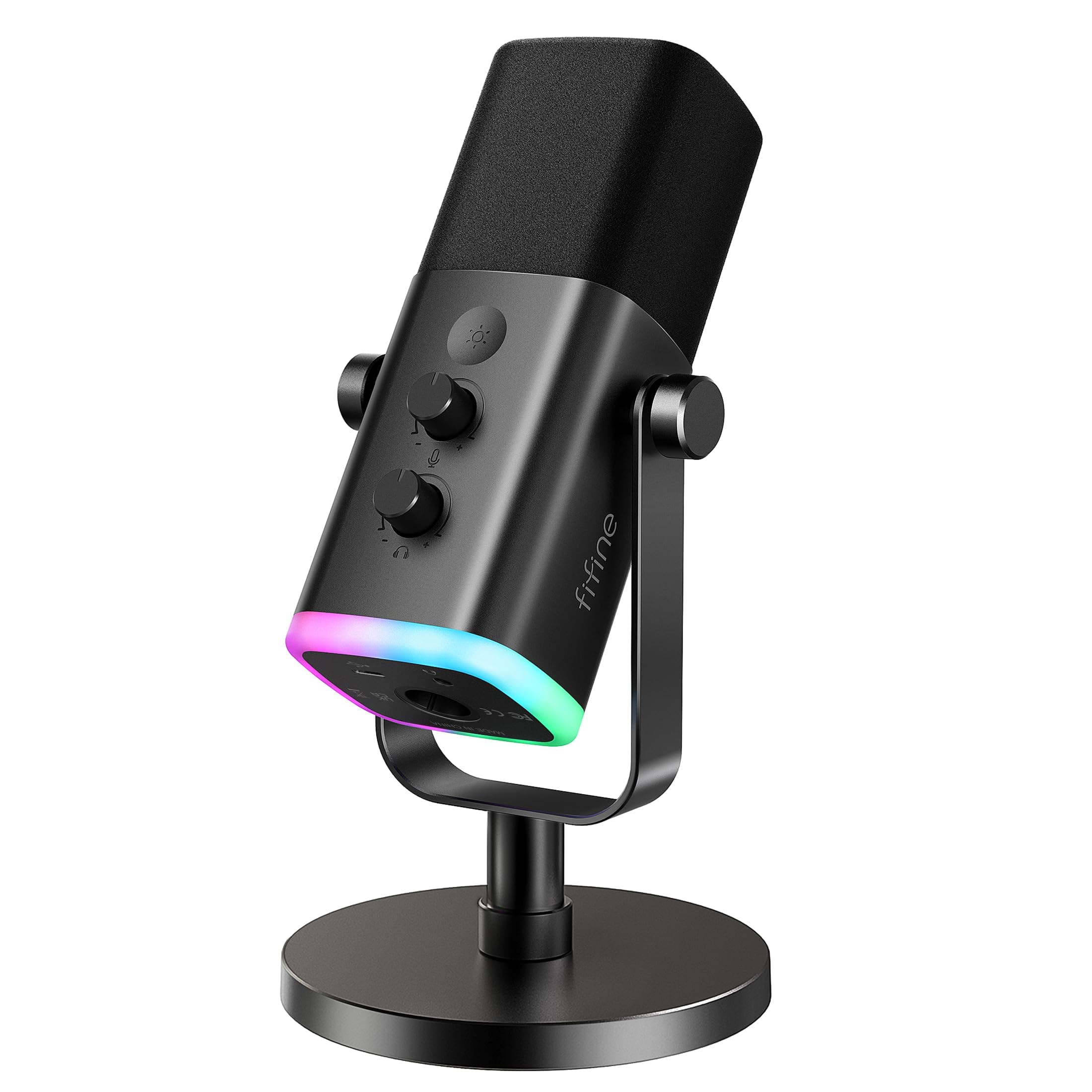
When comparing the FIFINE AmpliGame AM8W and the MAONO GamerWave DGM20S, both microphones cater to the gaming and streaming audience, yet they target slightly different user needs through distinct feature sets. Both units incorporate essential features like a cardioid polar pattern for focused voice capture, a mute button, gain control, and zero-latency monitoring via a headphone output, crucial for real-time audio feedback during live sessions. The most significant differentiator lies in connectivity and audio specifications. The FIFINE AM8W boasts versatile dual USB and XLR connectivity, making it a robust choice for users who might start with a simple USB setup but envision upgrading to an audio interface for professional-grade sound quality. Crucially, the FIFINE explicitly states a 48.0 kHz sample rate, a key indicator of high-fidelity audio capture, ensuring crisp and detailed recordings. In contrast, the MAONO DGM20S is exclusively a USB microphone, limiting its flexibility for more advanced setups. Furthermore, the MAONO's sample rate is listed as 0.0 kHz in the specifications, which is highly unusual; it likely means the specification wasn't provided, or it defaults to a standard lower rate, potentially yielding less detailed audio compared to the FIFINE's stated 48.0 kHz. From a user experience perspective, the MAONO DGM20S introduces a compelling one-click noise cancellation feature. This is a significant advantage for users in less-than-ideal acoustic environments, offering immediate reduction of background sounds without needing additional software or hardware. While the FIFINE relies on its cardioid pattern for passive noise reduction, MAONO's active noise cancellation is a practical benefit for many gamers and streamers. However, FIFINE's onboard controls for gain and headphone volume, coupled with its robust build, provide tactile control that can feel more professional. It's a solid choice for immediate, effective communication.
Key Differences
The most significant spec differences at a glance
Sample Rate
100% moreAdvantages
Where each product wins

FIFINE
- Sample Rate: 100% higher (48.0 vs 0.0)
Which to Pick for Your Situation
Concrete scenarios with a clear recommendation
For an aspiring podcaster planning future audio equipment upgrades
FIFINEThe FIFINE AM8W offers both USB and XLR connectivity, allowing seamless transition to professional audio interfaces without needing a new microphone.
For a gamer seeking clear communication in a noisy environment
MAONOMAONO DGM20S's unique one-click noise cancellation feature actively reduces background sound, making it ideal for clear in-game communication.
For a content creator prioritizing high-fidelity audio recording
FIFINEFIFINE AM8W explicitly states a 48.0 kHz sample rate, indicating superior audio capture quality compared to MAONO's unstated specification.
Who Should Buy Which?
Find the right product for your needs

Buy FIFINE if...
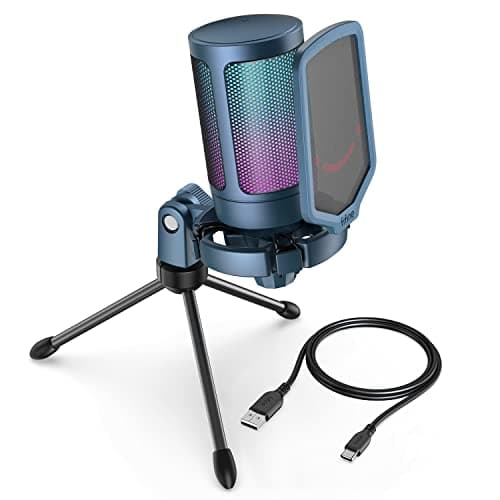
AmpliGame AM8W XLR/USB Gaming Microphone
The FIFINE AmpliGame AM8W is ideal for aspiring content creators, streamers, and podcasters who value superior audio quality and future-proofing their setup. This buyer prioritizes a clear, rich sound foundation for their streams, podcasts, or voiceovers, and appreciates the flexibility to expand their audio ecosystem over time. They are willing to invest slightly more than a basic budget option for the assurance of quality and versatility. The dual USB and XLR connectivity is a key draw, allowing them to start with simple USB plug-and-play and seamlessly transition to a dedicated audio interface for professional-grade XLR performance as their needs evolve. The explicit 48.0 kHz sample rate provides confidence in the microphone's ability to capture high-fidelity audio. While they might give up the MAONO's immediate budget savings or its specialized one-click noise cancellation, they likely have a controlled recording environment or prefer managing noise post-production, making the FIFINE's foundational audio strength and upgrade path more valuable.

Buy MAONO if...
Gaming USB Microphone
The MAONO GamerWave DGM20S Black is perfectly suited for the budget-conscious gamer, casual streamer, or remote worker who primarily uses USB connections and frequently operates in environments with ambient noise. This buyer's main priority is clear, intelligible voice communication without fuss, and they seek an affordable solution that effectively tackles common audio challenges. The MAONO's standout one-click noise cancellation feature is a game-changer for them, actively reducing background sounds from keyboards, fans, or roommates, ensuring their voice remains prominent during online gaming sessions, Discord calls, or virtual meetings. Its plug-and-play USB compatibility with PC, Mac, PS4, and PS5 makes it incredibly convenient for multi-platform users. While they forgo the professional XLR connectivity and high stated sample rate of the FIFINE AM8W, these features are often overkill for their immediate needs.
Spec Comparison
11 specs compared
| Specification |  | 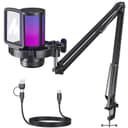 |
|---|---|---|
| Rating | 4.6(11.7k) | 4.5(4.8k) |
| Sample Rate | 48 kHz | 0 kHz |
| Connection | USB/XLR | USB |
| Polar Pattern | Cardioid | Cardioid |
| Zero-Latency | Yes | Yes |
| Mute Button | Yes | Yes |
| Gain Control | Yes | Yes |
| Model Number | AM8W | — |
| Headphone Out | Yes | Yes |
| Weight | — | 0.77 lbs |
| Software | — | None |
| Freq. Response | — | {"high":20000} |
Swipe horizontally to see all columns
Pros & Cons
Quick overview of strengths and weaknesses
FIFINE AmpliGame AM8W XLR/USB Gaming Microphone
- Dual USB and XLR connectivity options.
- Onboard gain and headphone volume controls.
- Integrated mute button for quick audio cuts.
- Cardioid polar pattern reduces background noise.
- Onboard controls only function when using USB.
- RGB lighting feature is limited to USB mode.
- Requires close proximity for optimal audio capture.
MAONO Gaming USB Microphone
- One-click noise cancellation reduces background sound.
- Cardioid polar pattern focuses voice capture.
- Integrated mute button and gain control knob.
- Zero-latency monitoring with dedicated headphone port.
- Not compatible with XBOX consoles.
- Lacks dedicated software suite for advanced control.
- RGB lighting adds no functional utility.
Frequently Asked Questions
Common questions about this comparison
Which microphone offers more connectivity options?
The FIFINE AM8W offers dual USB and XLR connectivity, providing versatility for both simple plug-and-play and professional audio setups. The MAONO DGM20S is USB-only.
Does either microphone have noise cancellation?
Yes, the MAONO DGM20S features convenient one-click noise cancellation to reduce background sounds. The FIFINE AM8W relies on its cardioid polar pattern for passive noise reduction.
What is the sample rate for each microphone?
The FIFINE AM8W boasts a 48.0 kHz sample rate for high-quality audio. The MAONO DGM20S does not explicitly list its sample rate in the provided specifications.
Is the MAONO DGM20S compatible with Xbox consoles?
No, the MAONO DGM20S is explicitly stated as not compatible with Xbox consoles, though it does support PS4, PS5, PC, and Mac via USB.
Do these microphones have zero-latency monitoring?
Yes, both the FIFINE AM8W and the MAONO DGM20S feature zero-latency monitoring, allowing you to hear your audio feedback in real-time without delay.
Related Comparisons
Similar products people compare
Explore Other Categories
Popular comparisons across the site


Ask AI
Get instant answers about specs
Get the Deets
Ask our AI assistant
Ask Deets anything!