Our Verdict
Anker SOLIX C300 Wins
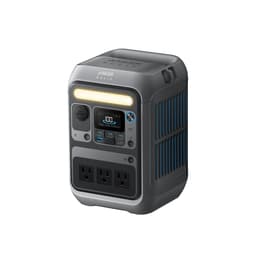
This power station offers superior long-term value and convenience, primarily due to its LiFePO4 battery chemistry, which provides 3,000 charge cycles, significantly outlasting the Li-ion battery of the Jackery. It also boasts exceptionally fast charging, reaching 80% in just 0.8333 hours (50 minutes), compared to the Jackery's 2 hours. While pricier at $249.99 versus Jackery's $199.0, these core advantages justify the cost. The Jackery Explorer 300 is the better pick for those with tighter budgets or when maximum portability and a slightly lighter footprint are the absolute top priorities.
Bottom Line: Anker SOLIX C300 is the better choice. This power station offers superior long-term value and convenience, primarily due to its LiFePO4 battery chemistry, which provides 3,000 charge cycles, significantly outlasting the Li-ion battery of the Jackery.
In-Depth Analysis
How they compare in practice
When comparing the Anker SOLIX C300 and the Jackery Explorer 300, the most significant differentiator lies in their battery technology and its implications for longevity and performance. The Anker C300 utilizes LiFePO4 chemistry, offering an impressive 3,000 charge cycles. In real-world terms, this means the Anker unit can be fully depleted and recharged nearly daily for over eight years before its capacity degrades significantly. The Jackery Explorer 300, on the other hand, employs a Li-ion battery, which typically offers 500-800 cycles, translating to a much shorter lifespan under heavy use. This makes the Anker a more sustainable and cost-effective investment over the long run, despite its higher initial price point of $249.99 compared to the Jackery's $199.0.
Another crucial distinction is charging speed and port versatility. The Anker C300 sets itself apart with an incredibly rapid recharge time, reaching 80% capacity in just 50 minutes (0.8333 hours) via AC. It also features a 140W two-way USB-C port, allowing for ultra-fast charging of compatible laptops and devices, or quick recharging of the power station itself using a high-power USB-C source. The Jackery Explorer 300, while still reasonably fast, takes 2 hours to achieve an 80% charge. For users needing quick turnarounds between uses or facing time constraints, Anker's charging capabilities are a clear advantage. The Anker also offers a more modern port selection with three USB-C ports (one at 140W) and three AC outlets, versus Jackery's single USB-C and two AC outlets.
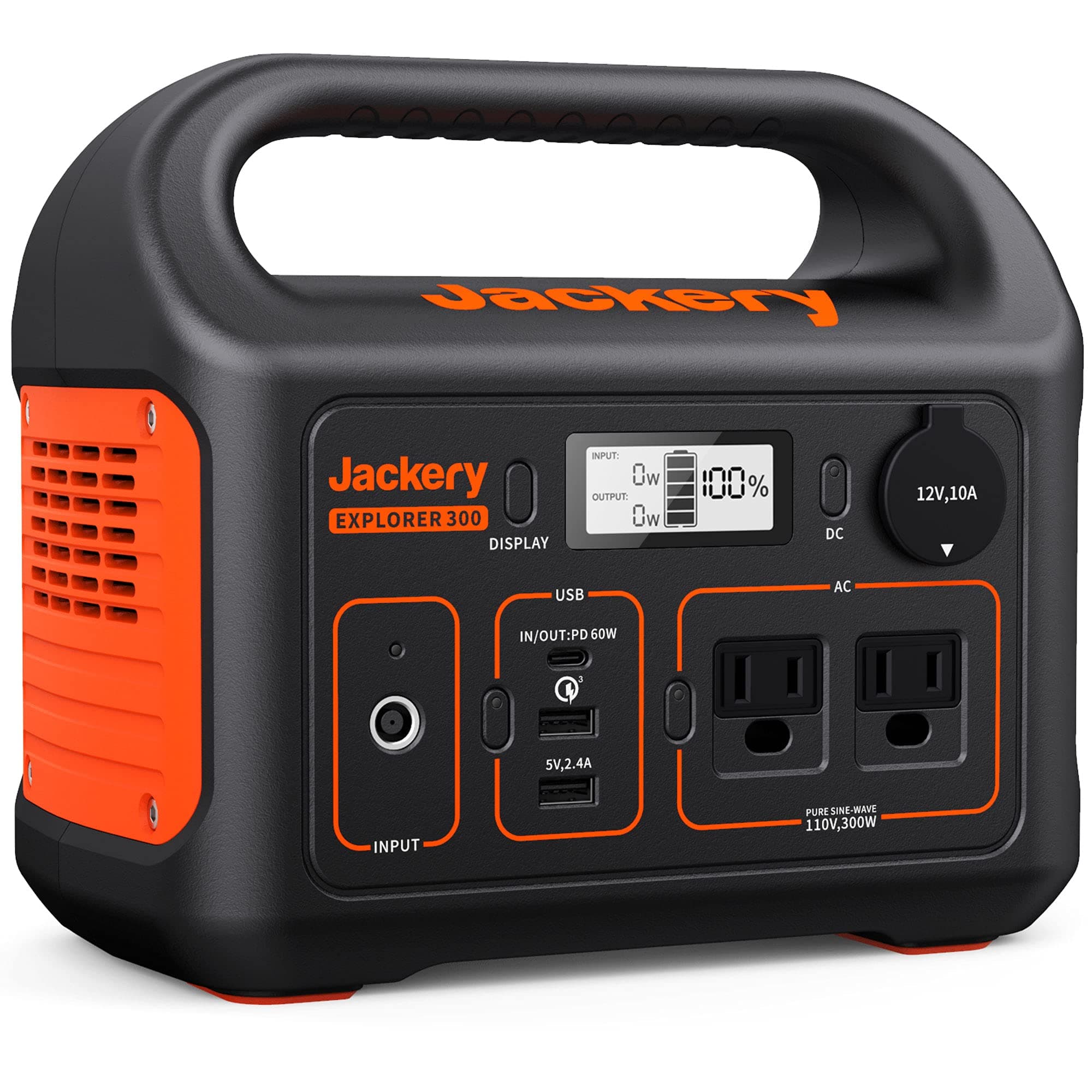
In terms of raw power output and capacity, both units are closely matched, offering 300W continuous AC output. The Anker C300 has a slightly lower capacity at 288Wh compared to Jackery's 293Wh, but this difference is negligible in practical use. However, the Anker boasts a higher peak output of 600W, allowing it to handle sudden power demands from certain appliances better than the Jackery's 500W surge capability. Portability is where the Jackery gains an edge, weighing in at a light 7.1 lbs compared to the Anker's 9.02 lbs. This makes the Jackery slightly easier to carry on extended hikes or when every ounce counts. Ultimately, the Anker SOLIX C300 provides a superior overall package for durability, charging speed, and connectivity, making it a premium choice for those who prioritize long-term performance and efficiency, while the Jackery Explorer 300 remains a compelling option for budget-conscious users prioritizing minimal weight and a lower upfront cost.
Key Differences
The most significant spec differences at a glance
Battery Capacity
2% lessAC Outlets
50% moreCharge Time
58% lessPeak Output
20% moreUSB-A Ports
50% lessAdvantages
Where each product wins

Anker
- AC Outlets: 50% higher (3 vs 2)
- Charge Time: 58% lower (0.8333 vs 2)
- Peak Output: 20% higher (600 vs 500)
- USB-C Ports: 200% higher (3 vs 1)

Jackery
- Battery Capacity: 2% higher (288 vs 293)
- USB-A Ports: 50% higher (1 vs 2)
- Weight: 27% lower (9.02 vs 7.1)
Which to Pick for Your Situation
Concrete scenarios with a clear recommendation
For a long-term, frequently used power solution
AnkerThe Anker SOLIX C300 features a LiFePO4 battery rated for 3,000 charge cycles, providing significantly greater longevity than the Jackery's Li-ion chemistry.
For rapid recharging between uses
AnkerThe Anker C300 recharges to 80% capacity in just 0.8333 hours (50 minutes) via AC, substantially faster than the Jackery's 2-hour charge time.
For the most budget-friendly option
JackeryThe Jackery Explorer 300 is priced at $199.0, making it a more affordable entry point compared to the Anker's $249.99.
For maximum portability on a hike or camping trip
JackeryWeighing 7.1 lbs, the Jackery Explorer 300 is lighter and easier to transport than the Anker C300, which weighs 9.02 lbs.
Who Should Buy Which?
Find the right product for your needs

Buy Anker if...
Anker Portable Power Station
The Anker SOLIX C300 is the ideal choice for users who prioritize long-term durability, rapid power delivery, and modern connectivity. This buyer is likely a frequent outdoor adventurer, a remote worker needing reliable power for laptops, or someone setting up a robust emergency backup system for critical home devices. Their primary needs include a power station that can withstand consistent use without significant degradation, which the LiFePO4 battery with 3,000 cycle life perfectly addresses. They also value efficiency, making the 0.8333-hour (50 minute) 80% recharge time a critical feature for quick turnarounds. The inclusion of three USB-C ports, especially the 140W two-way port, caters to modern electronics like powerful laptops and fast-charging phones, ensuring they have versatile and high-speed charging options. This buyer is willing to pay the slightly higher price of $249.99 for peace of mind, superior battery longevity, and cutting-edge charging technology, accepting its marginally heavier 9.02 lbs weight as a trade-off for these significant benefits. They are not simply looking for the cheapest option but rather the best value over years of use.

Buy Jackery if...
Jackery Portable Power Station
The Jackery Explorer 300 is perfectly suited for the budget-conscious user who needs a reliable, highly portable power solution for casual outdoor activities or as a basic emergency backup. This buyer might be an occasional camper, a day-tripper, or someone looking for an affordable way to keep essential devices charged during a power outage. Their priorities revolve around cost-effectiveness and maximum ease of transport, making the $199.0 price point and a lightweight 7.1 lbs design highly appealing. They are comfortable with the Li-ion battery's shorter cycle life, understanding that their usage patterns may not demand the extreme longevity offered by LiFePO4 chemistry. While the 2-hour 80% charge time is slower than Anker's, it's perfectly acceptable for their less time-sensitive charging needs. This buyer may also appreciate the two USB-A ports for older devices, even if it means only one USB-C port. They are looking for a straightforward, dependable, and highly portable power station that delivers solid performance without breaking the bank, rather than needing the absolute fastest charging or most robust battery chemistry.
Spec Comparison
12 specs compared
| Specification |  |  |
|---|---|---|
| Price | $250 | $229 |
| Rating | 4.6(1.7k) | 4.6(10.8k) |
| Capacity Wh | 288W | 293W |
| Chemistry | LiFePO4 | Li-ion |
| AC Output Watts | 300W | 300W |
| Dc Ports | 1 | 1 |
| AC Outlets | 3 | 2 |
| Cycle Life | 3000 | — |
| Weight | 9.02 lbs | 7.1 lbs |
| USB A Ports | 1 | 2 |
| USB C Ports | 3 | 1 |
| Charge Time Hours | 0.83 hrs | 2 hrs |
| Peak Output Watts | 600W | 500W |
| Solar Input Watts | 100W | 100W |
Swipe horizontally to see all columns
Pros & Cons
Quick overview of strengths and weaknesses
Anker Portable Power
- 288Wh capacity, 300W AC output (600W surge).
- 140W two-way USB-C port enables rapid charging.
- 8 output ports: 3 AC, 3 USB-C, 1 USB-A, 1 car.
- LiFePO4 battery rated for 3,000 charge cycles.
- Solar panel for recharging is not included.
- Not compatible with all Anker solar panel models.
- Only one of three USB-C ports offers 140W output.
Jackery Portable Power
- 80% recharge in 2 hours via dual input.
- 293Wh Li-ion capacity; 300W pure sine wave AC.
- Weighs 7.1 lbs for easy transport.
- Charges 6 devices; multiple output types.
- Solar panel not included with purchase.
- 300W continuous AC output limit.
- Capacity of 293Wh may be insufficient.
- Single USB-C port.
Frequently Asked Questions
Common questions about this comparison
Which power station offers a longer battery lifespan?
The Anker SOLIX C300 uses a LiFePO4 battery, rated for 3,000 charge cycles, far exceeding the typical lifespan of the Jackery's Li-ion battery.
How quickly can each power station recharge?
The Anker C300 recharges 80% in 0.8333 hours (50 minutes). The Jackery Explorer 300 achieves 80% charge in approximately 2 hours via dual input.
What are the main differences in output ports?
The Anker has 3 AC outlets and 3 USB-C ports (one 140W). The Jackery has 2 AC outlets, 1 USB-C port, and 2 USB-A ports.
Can I power high-wattage devices with these units?
Both offer 300W continuous AC output. The Anker has a higher peak output of 600W, while the Jackery has a 500W peak, useful for devices with high starting loads.
Is a solar panel included with either purchase?
No, neither the Anker SOLIX C300 nor the Jackery Explorer 300 include a solar panel. They are optional accessories for both units.
Related Comparisons
Similar products people compare
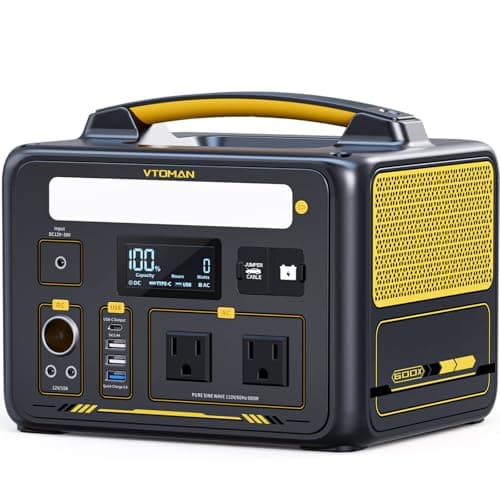
Jackery vs VTOMAN
$229 vs $240
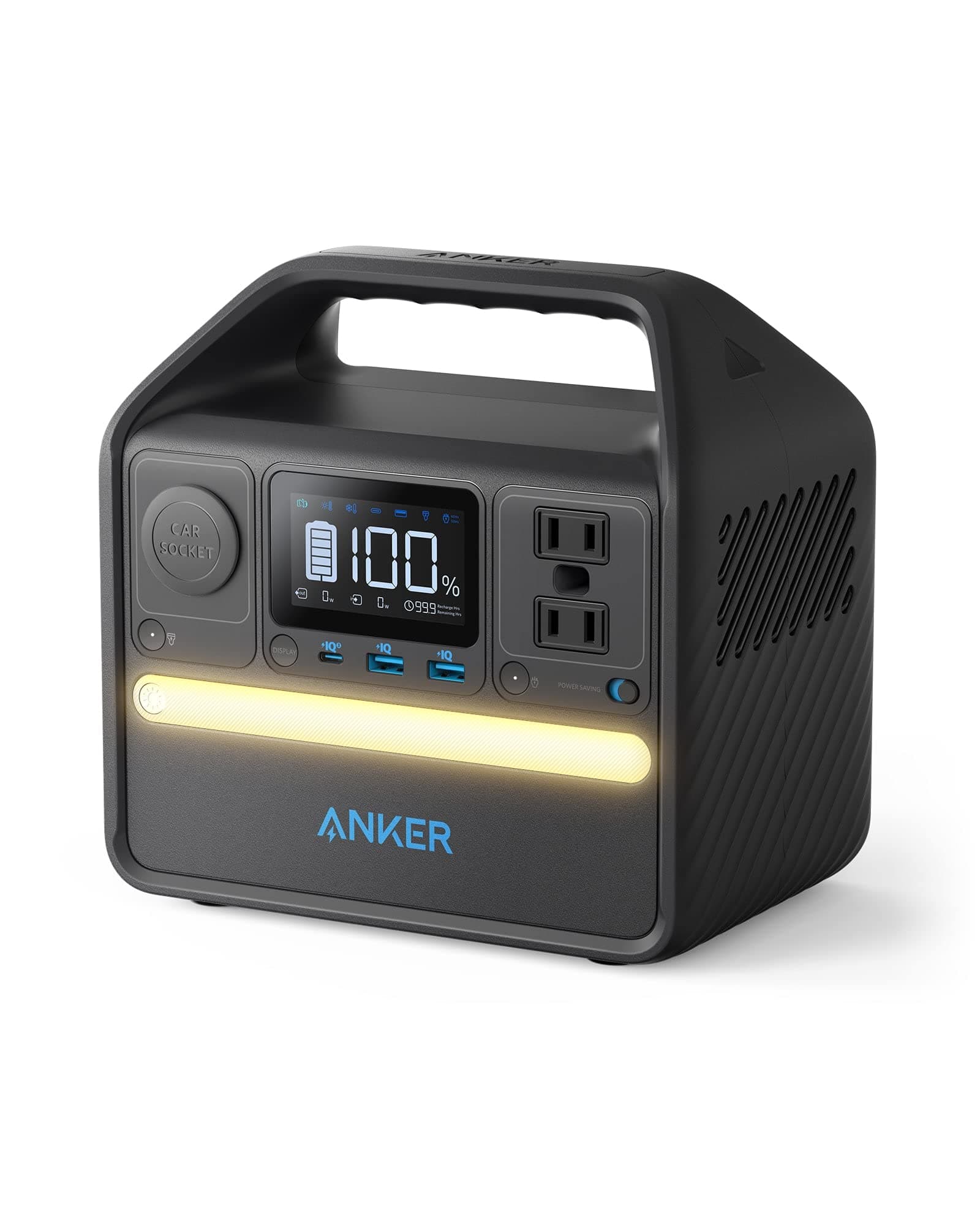
Anker vs Jackery
$150 vs $229
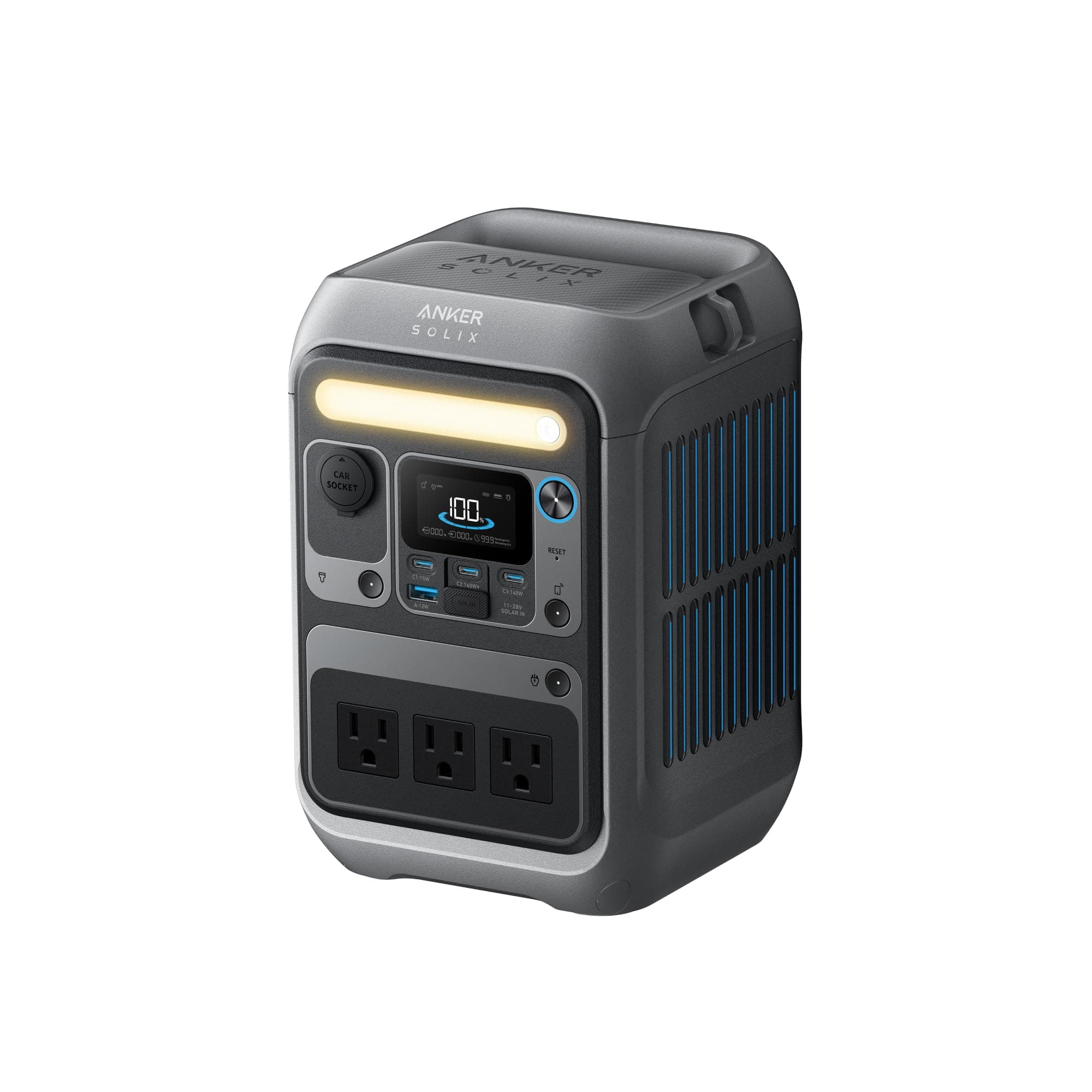
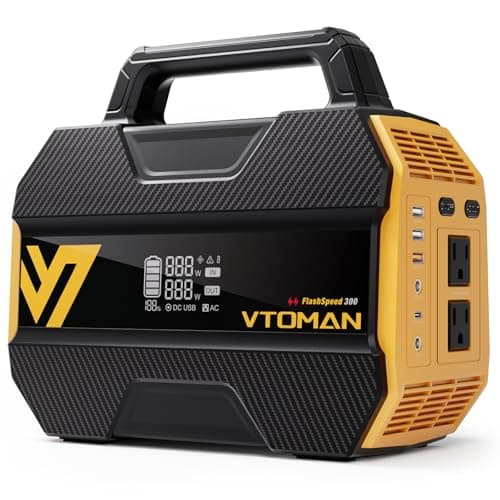
Anker vs VTOMAN
$250 vs $140
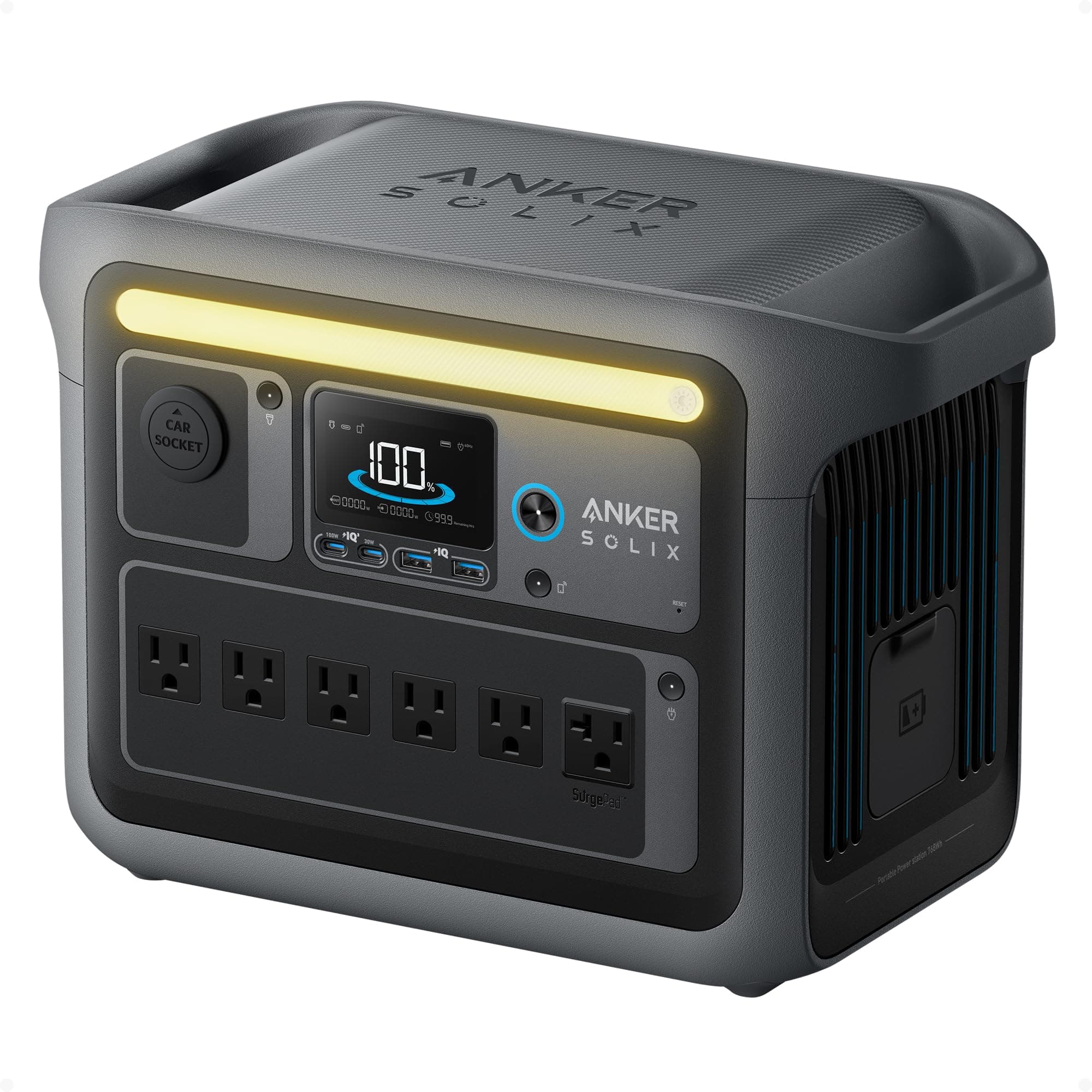
Anker vs Jackery
$430 vs $229
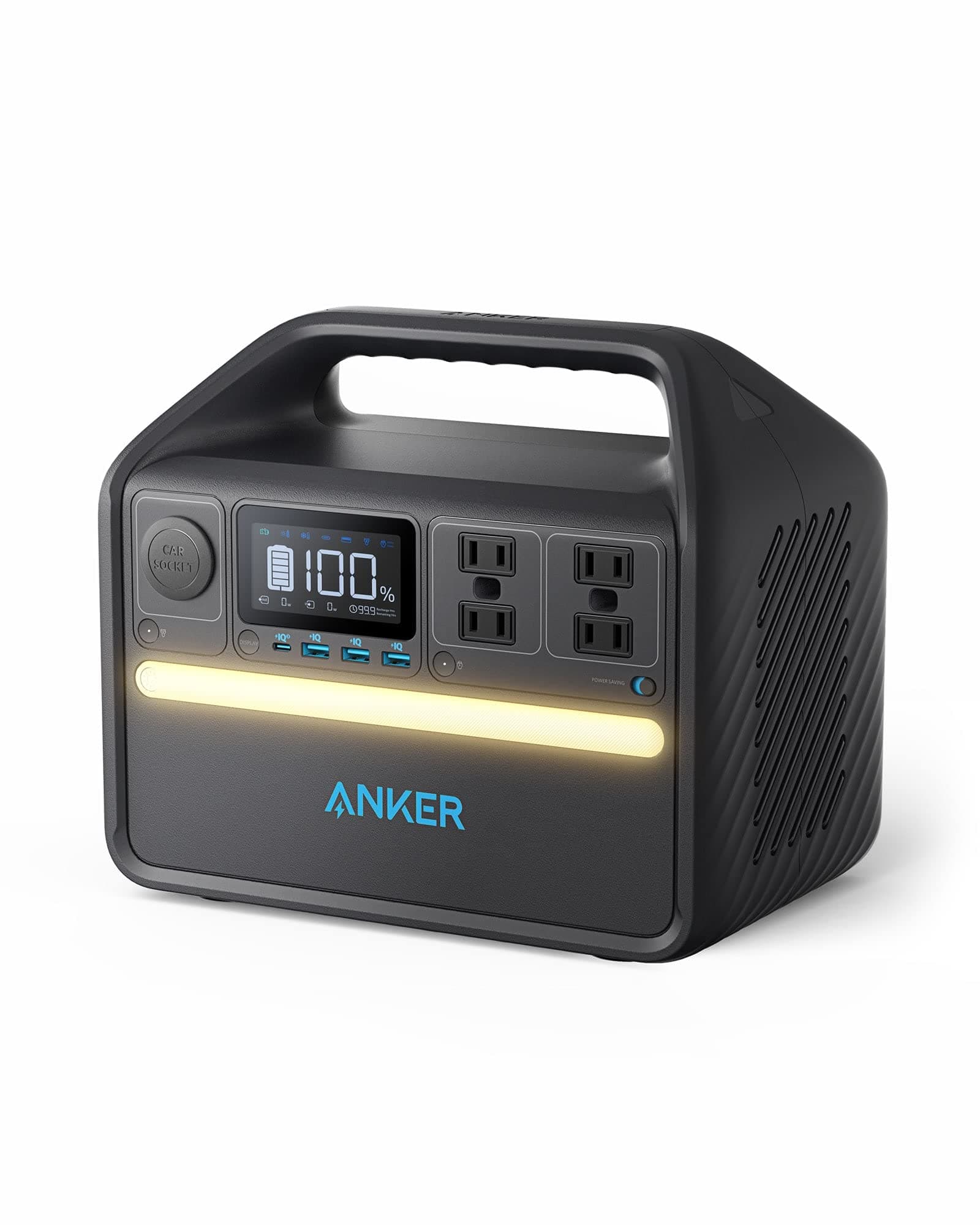
Anker vs Anker
$300 vs $250
ALLWEI vs Jackery
$129 vs $229
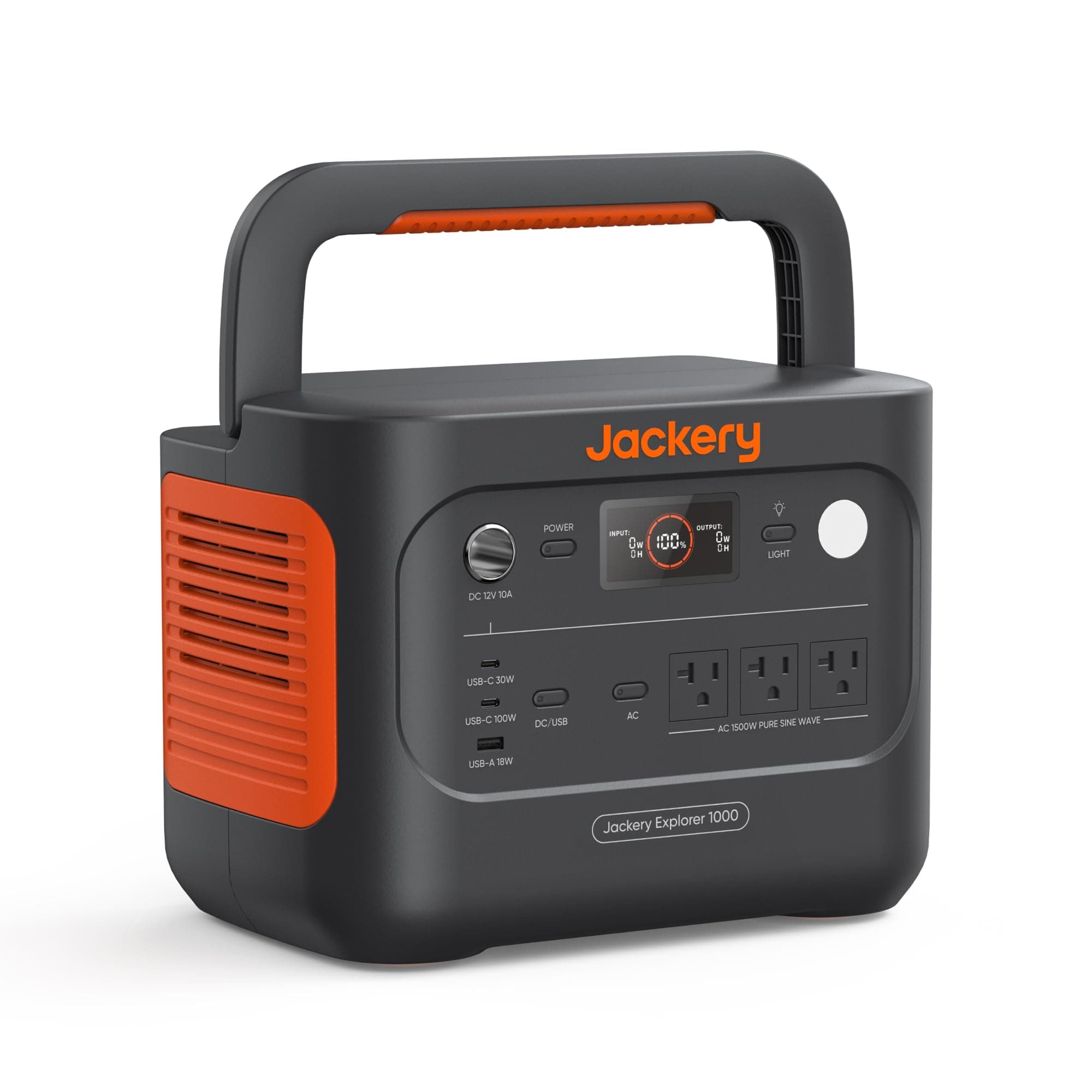
Jackery vs Jackery
$449 vs $229
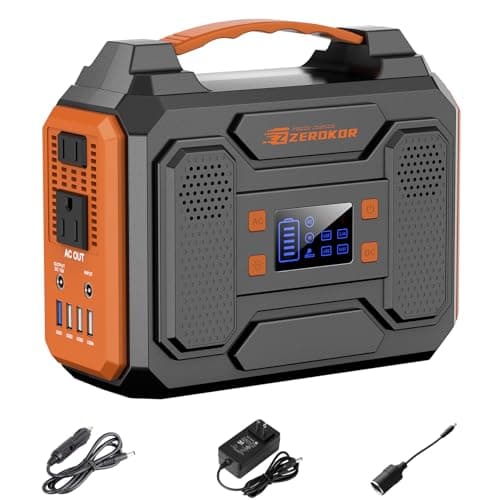
Jackery vs ZeroKor
$229 vs $130
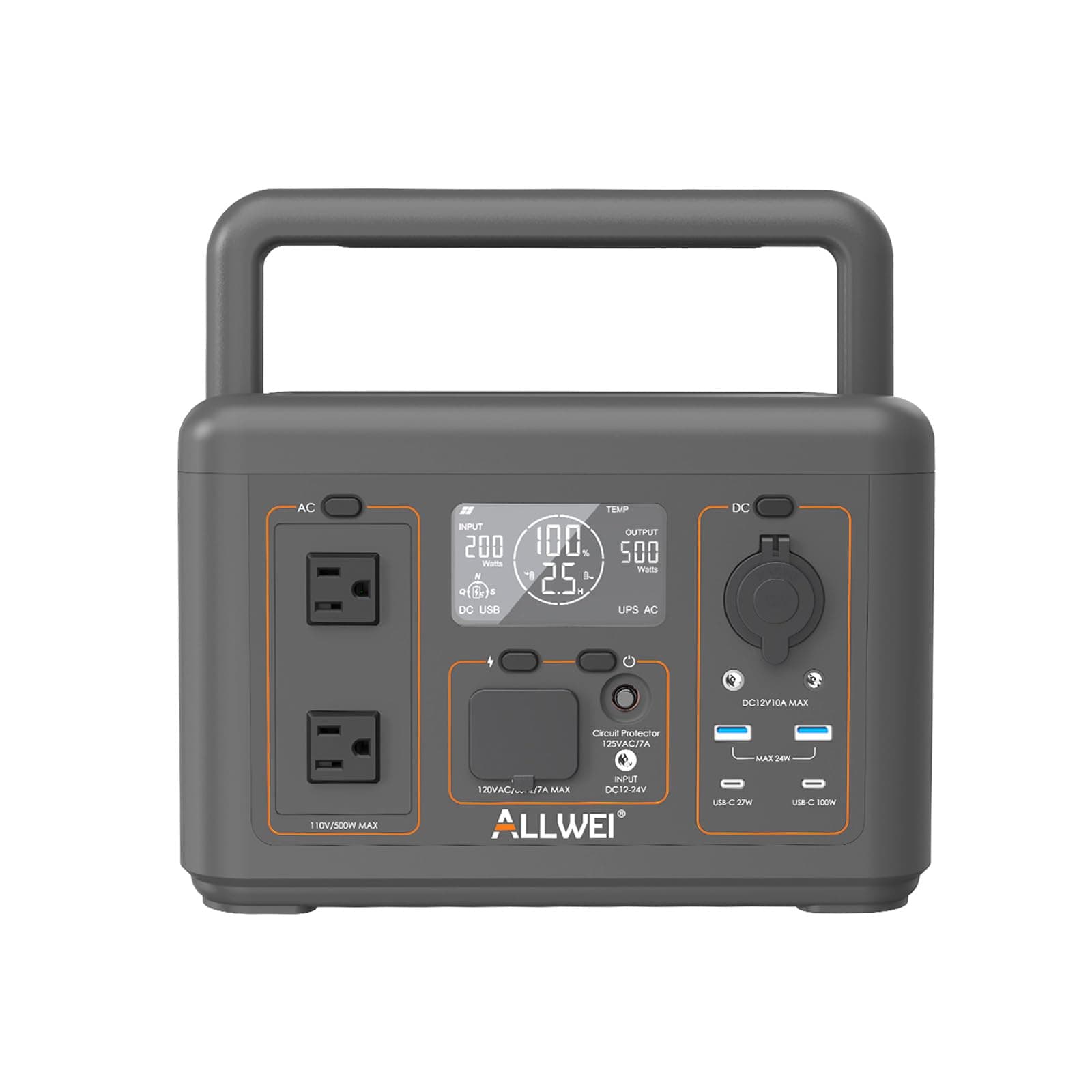
ALLWEI vs Anker
$269 vs $250
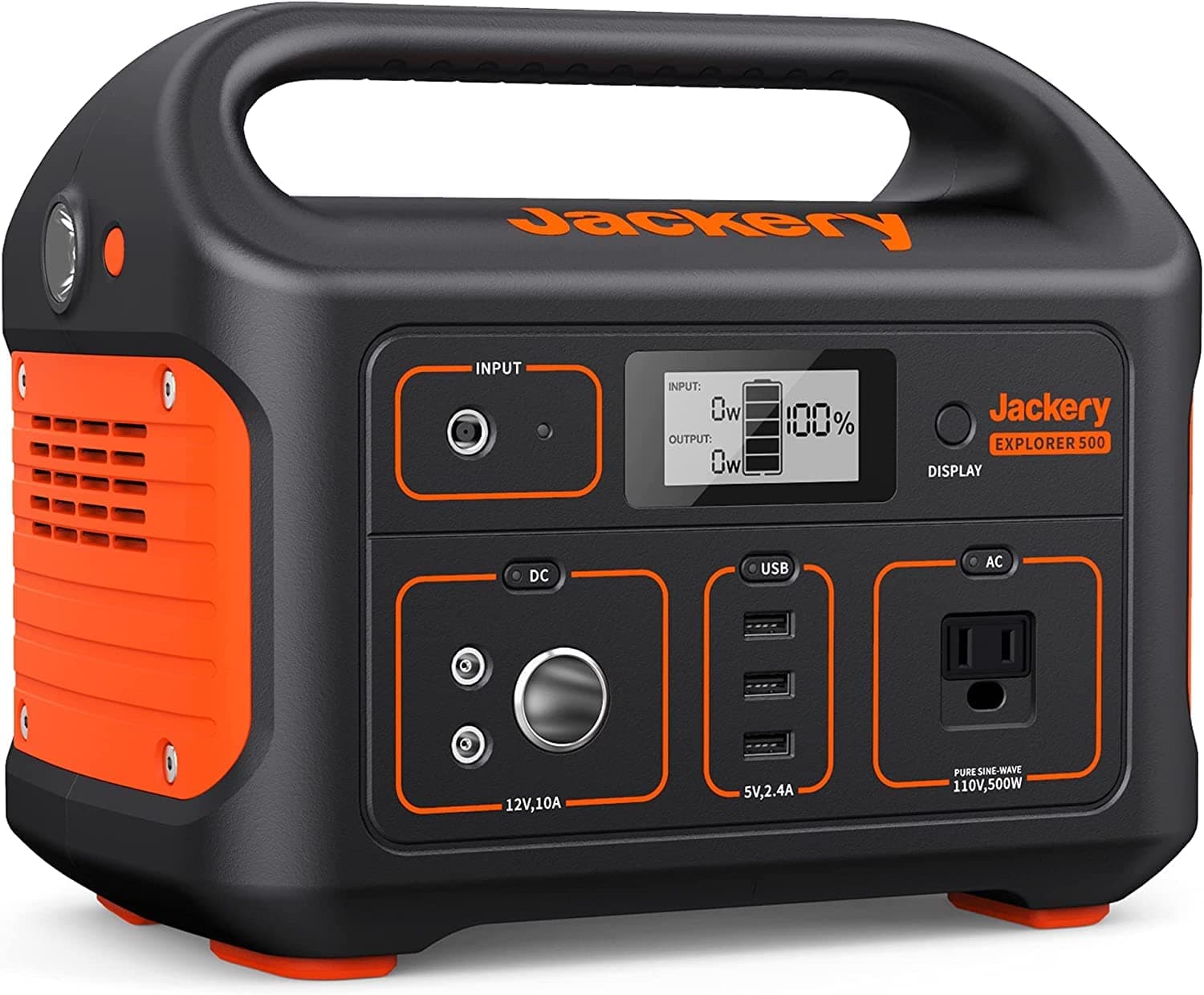
Jackery vs Jackery
$229 vs $299
ALLWEI vs Jackery
$269 vs $229
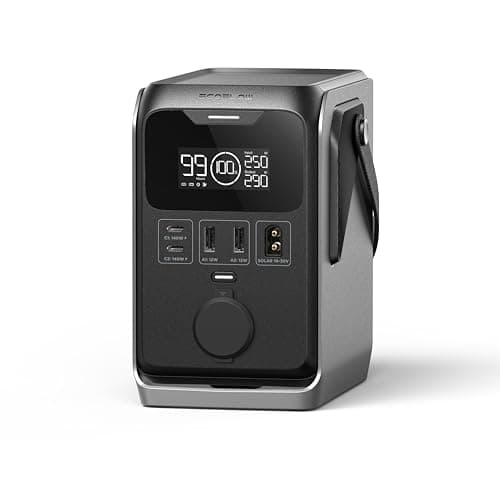
EF ECOFLOW vs Jackery
$147 vs $229
Anker vs Tenergy
$250 vs $180
Anker vs Jackery
$250 vs $299
Jackery vs Tenergy
$229 vs $180
Explore Other Categories
Popular comparisons across the site

Ask AI
Get instant answers about specs
Get the Deets
Ask our AI assistant
Ask Deets anything!