Our Verdict
Anker 535 Portable Power Station Wins
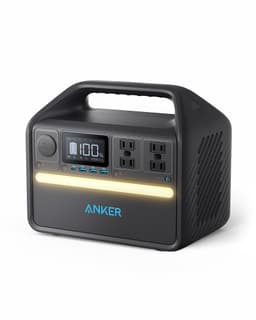
The Anker 535 offers a substantial advantage in core power capabilities, providing 512Wh capacity and 500W AC output for $299.99, nearly double the capacity and 66% higher AC output compared to the VTOMAN's 230Wh and 300W for $269.99. This allows it to power more devices for longer durations. The VTOMAN FlashSpeed 300 is the better pick for users who prioritize extreme portability and rapid USB-C laptop charging, thanks to its 7.4 lbs weight and 100W USB-C PD output.
Bottom Line: Anker 535 Portable Power Station is the better choice. The Anker 535 offers a substantial advantage in core power capabilities, providing 512Wh capacity and 500W AC output for $299.
In-Depth Analysis
How they compare in practice
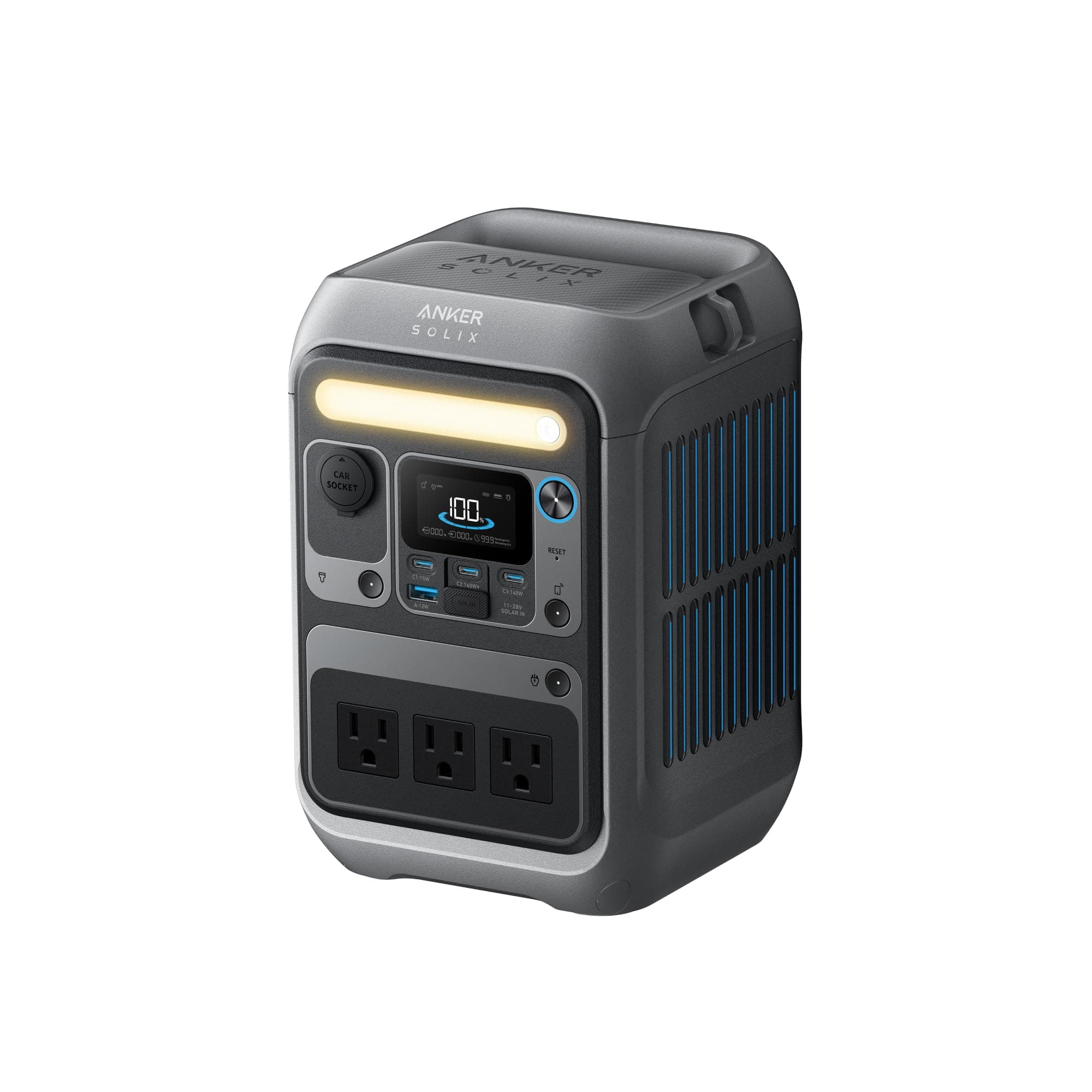
The Anker 535 and VTOMAN FlashSpeed 300 both leverage durable LiFePO4 battery chemistry, promising extended lifespans, but their practical applications diverge significantly based on their power profiles and design philosophies. The Anker 535, with its generous 512Wh capacity and robust 500W AC output, is built for users requiring more substantial and sustained power. In real-world use, this translates to powering essential home appliances like mini-fridges, CPAP machines, or multiple entertainment devices for significantly longer during outages or off-grid adventures than the VTOMAN. Its four AC outlets also offer greater flexibility for multi-device setups.
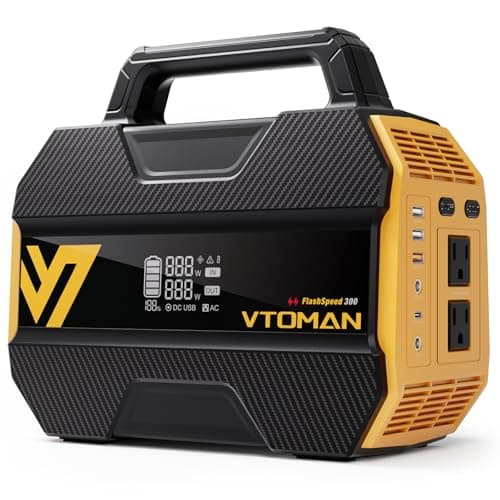
Conversely, the VTOMAN FlashSpeed 300 prioritizes ultimate portability and specific charging needs. At just 7.4 lbs, it's notably lighter and more compact, making it an ideal companion for day trips, light camping, or as a highly mobile workstation power source. While its 230Wh capacity and 300W AC output are modest, they are perfectly adequate for charging phones, tablets, drones, and even running small fans or lights. The VTOMAN truly shines with its 100W USB-C Power Delivery, which is superior to the Anker's 60W, making it the go-to for rapidly charging power-hungry laptops directly from the power station.
The trade-off is clear: the Anker provides more raw power and duration for a slight increase in price and likely weight, offering better versatility for home backup or more demanding outdoor setups. The VTOMAN, while less powerful overall, delivers exceptional portability and faster, higher-wattage USB-C charging, appealing to digital nomads or those who need a light, efficient power bank for personal electronics. The Anker's solar readiness is optional, requiring a separate panel, a commonality with the VTOMAN, ensuring both can be sustained off-grid with additional investment.
Key Differences
The most significant spec differences at a glance
Battery Capacity
123% moreAC Output
67% moreAC Outlets
100% moreAdvantages
Where each product wins

Anker
- Battery Capacity: 123% higher (512 vs 230.0)
- AC Output: 67% higher (500 vs 300.0)
- AC Outlets: 100% higher (4 vs 2)
Which to Pick for Your Situation
Concrete scenarios with a clear recommendation
For extended camping trips or RV use
AnkerThe Anker 535's 512Wh capacity and 500W AC output provide significantly more power and runtime for multiple devices, including small appliances, compared to the VTOMAN's 230Wh and 300W.
For a lightweight travel power source (e.g., backpacking)
VTOMANThe VTOMAN FlashSpeed 300 weighs only 7.4 lbs, making it considerably more portable than the heavier Anker 535 (weight not specified, but typically higher for higher capacity).
Primarily for charging high-powered laptops quickly
VTOMANThe VTOMAN offers a 100W USB-C PD output, enabling faster charging for most modern laptops compared to the Anker's 60W USB-C PD.
For emergency home backup of essential electronics
AnkerThe Anker 535's 512Wh capacity and 4 AC outlets offer greater flexibility and longer power supply for critical devices during outages.
Who Should Buy Which?
Find the right product for your needs
Buy Anker if...
Anker 535 Portable Power
The Anker 535 Portable Power Station is ideally suited for the user who needs dependable, long-lasting power for more demanding scenarios. This individual likely plans longer camping trips, owns an RV, or seeks a robust emergency backup for their home during power outages. Their priorities lean towards higher capacity and the ability to run multiple and slightly more power-hungry AC appliances. They don't mind a slightly larger, heavier unit if it means powering a mini-fridge, a CPAP machine overnight, or an entertainment setup with its 512Wh capacity and 500W AC output. They value having four AC outlets for versatility and are willing to pay $299.99 for this enhanced capability. They may not frequently charge high-wattage laptops via USB-C, making the 60W USB-C PD port adequate for their needs, and they aren't sacrificing extreme portability, which isn't a top priority for their use cases.

Buy VTOMAN if...
VTOMAN FlashSpeed 300 Portable
The VTOMAN FlashSpeed 300 is perfect for the highly mobile user who prioritizes extreme portability and efficient charging for personal electronics and laptops. This buyer is likely a digital nomad, a backpacker, or someone needing a light, compact power solution for day trips, light outdoor activities, or as a daily carry for their tech gear. Their needs revolve around keeping their smartphones, tablets, drones, and especially modern laptops charged quickly. The VTOMAN's 7.4 lbs weight and 100W USB-C PD output are critical specs for them. While its 230Wh capacity and 300W AC output are lower, they are sufficient for their smaller-scale power demands, and the $269.99 price point is attractive. They are willing to forgo higher overall capacity and AC power for the benefits of a super portable design and superior fast-charging capabilities for their primary devices.
Spec Comparison
12 specs compared
| Specification |  |  |
|---|---|---|
| Price | $300 | $140 |
| Rating | 4.6(399) | 4.4(816) |
| Capacity Wh | 512W | 230W |
| Chemistry | LiFePO4 | LiFePO4 |
| AC Output Watts | 500W | 300W |
| AC Outlets | 4 | 2 |
| USB C Ports | 1 | 1 |
| Peak Output Watts | 750W | — |
| Dc Ports | — | 1 |
| Cycle Life | — | 3000 |
| Weight | — | 7.4 lbs |
| USB A Ports | — | 3 |
| Model Number | — | PB-82 |
| Charge Time Hours | — | 2.5 hrs |
Swipe horizontally to see all columns
Pros & Cons
Quick overview of strengths and weaknesses
Anker Anker 535
- 512Wh capacity offers substantial portable power.
- LiFePO4 battery ensures long lifespan, increased safety.
- 500W AC output handles common household electronics.
- Four AC outlets power multiple devices simultaneously.
- 500W continuous output limits demanding appliances.
- Only one 60W USB-C Power Delivery port included.
- Solar charging requires separate panel purchase.
VTOMAN FlashSpeed 300
- LiFePO4 battery offers 3000 charge cycles
- 7.4 lbs unit weight ensures easy transport
- 100W USB-C PD input/output supports laptops
- 7 simultaneous outputs for multiple devices
- 300W AC output limits power for heavier loads
- 230Wh capacity offers limited runtime
- Only one 100W USB-C port
Frequently Asked Questions
Common questions about this comparison
Which power station offers a longer battery life in terms of cycles?
Both the Anker 535 and VTOMAN FlashSpeed 300 use LiFePO4 batteries, known for their longevity. The VTOMAN specifically highlights 3000 life cycles, indicating excellent durability for frequent use.
What kind of devices can the Anker 535's 500W AC output power?
Its 500W AC output can comfortably run small appliances like mini-fridges, blenders, CPAP machines, laptops, and multiple lights. Its 512Wh capacity ensures extended runtimes for these devices.
Is the VTOMAN FlashSpeed 300 suitable for powering a gaming laptop?
While its 100W USB-C PD is excellent for charging many laptops, its 300W AC output might be insufficient for sustained gaming on high-performance laptops. It's better for charging or light usage.
How long does it take to fully charge the VTOMAN FlashSpeed 300?
The VTOMAN FlashSpeed 300 boasts a fast charge time of approximately 2.5 hours, making it ready for use again relatively quickly compared to many power stations.
Can either power station be charged via solar panel?
Yes, both power stations support solar charging, though the solar panel itself is typically sold separately. This allows for off-grid recharging capabilities for both units.
Related Comparisons
Similar products people compare
SinKeu vs VTOMAN
$103 vs $140
ALLWEI vs VTOMAN
$129 vs $140
Anker vs VTOMAN
$250 vs $140
ENOFLO vs VTOMAN
$120 vs $140
Anker vs Anker
$300 vs $250
Anker vs VTOMAN
$150 vs $140
Apowking vs VTOMAN
$100 vs $140
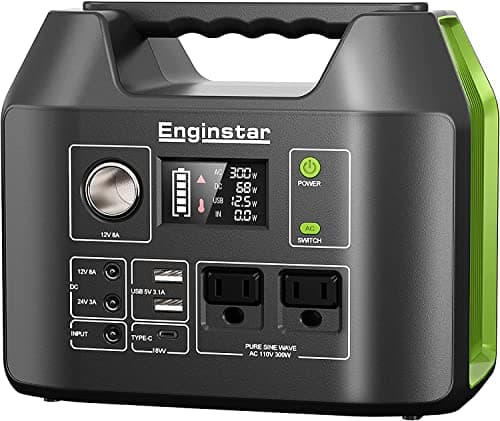
Anker vs EnginStar
$300 vs $130
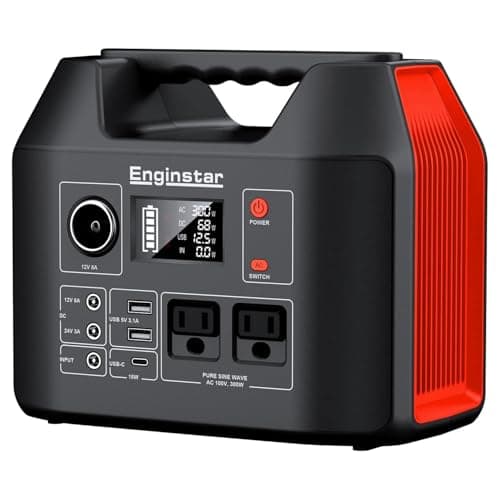
Anker vs EnginStar
$300 vs $130
EnginStar vs VTOMAN
$130 vs $140
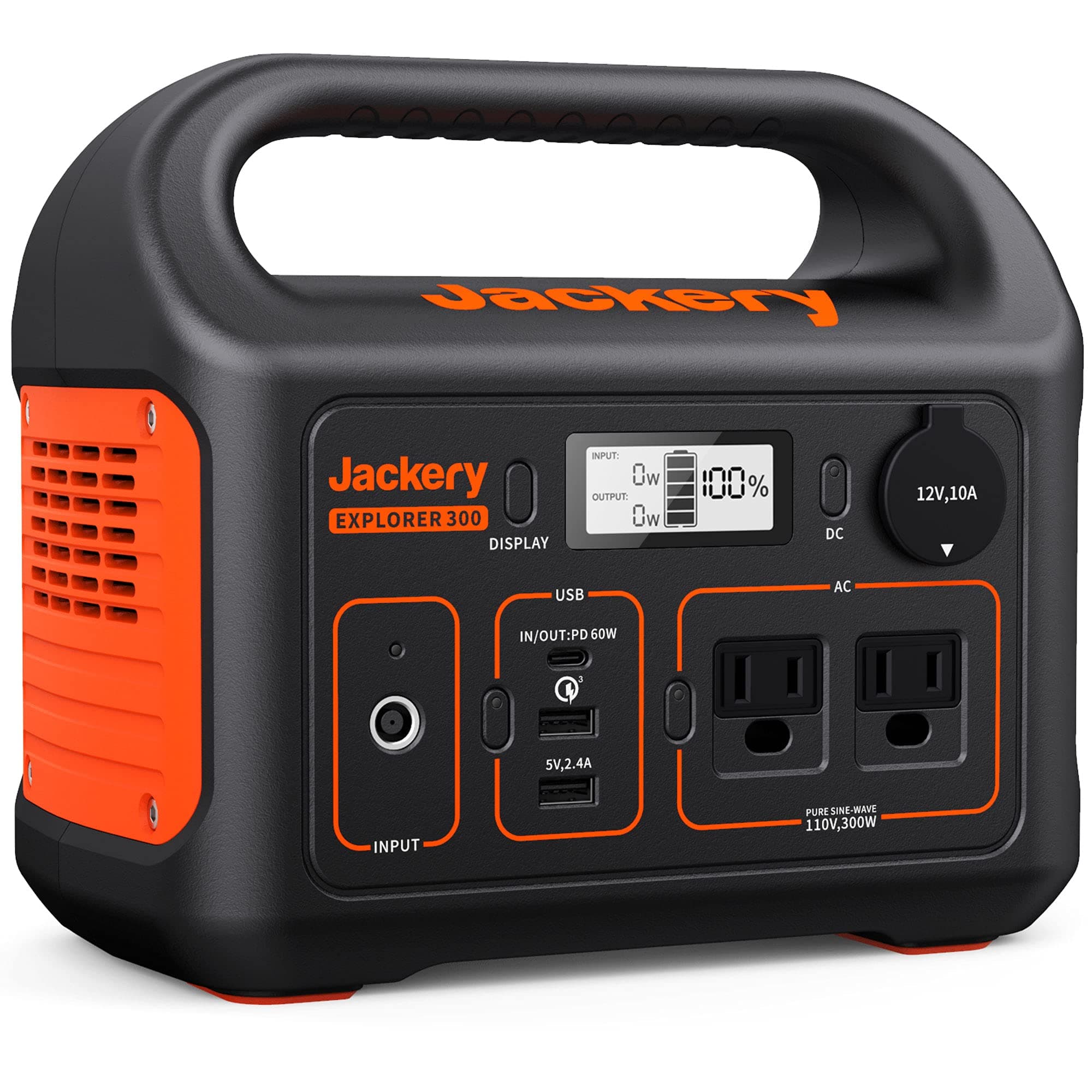
Jackery vs VTOMAN
$229 vs $140
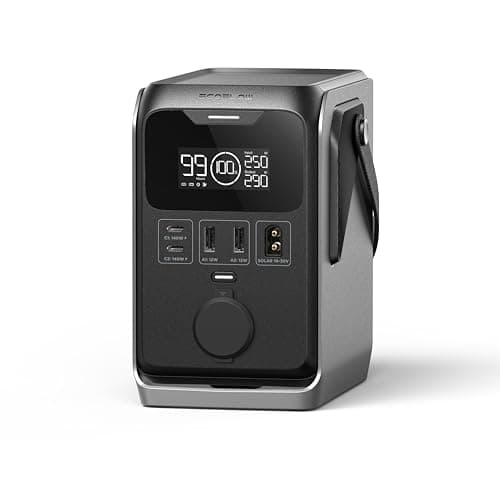
EF ECOFLOW vs VTOMAN
$147 vs $140
Anker vs Jackery
$300 vs $229
Anker vs GRECELL
$300 vs $190
Tenergy vs VTOMAN
$180 vs $140
Explore Other Categories
Popular comparisons across the site






Ask AI
Get instant answers about specs
Get the Deets
Ask our AI assistant
Ask Deets anything!