Our Verdict
Anker SOLIX C2000 Gen 2 Wins
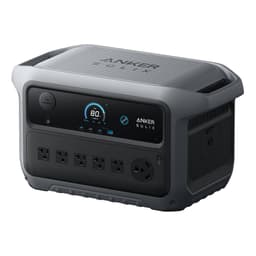
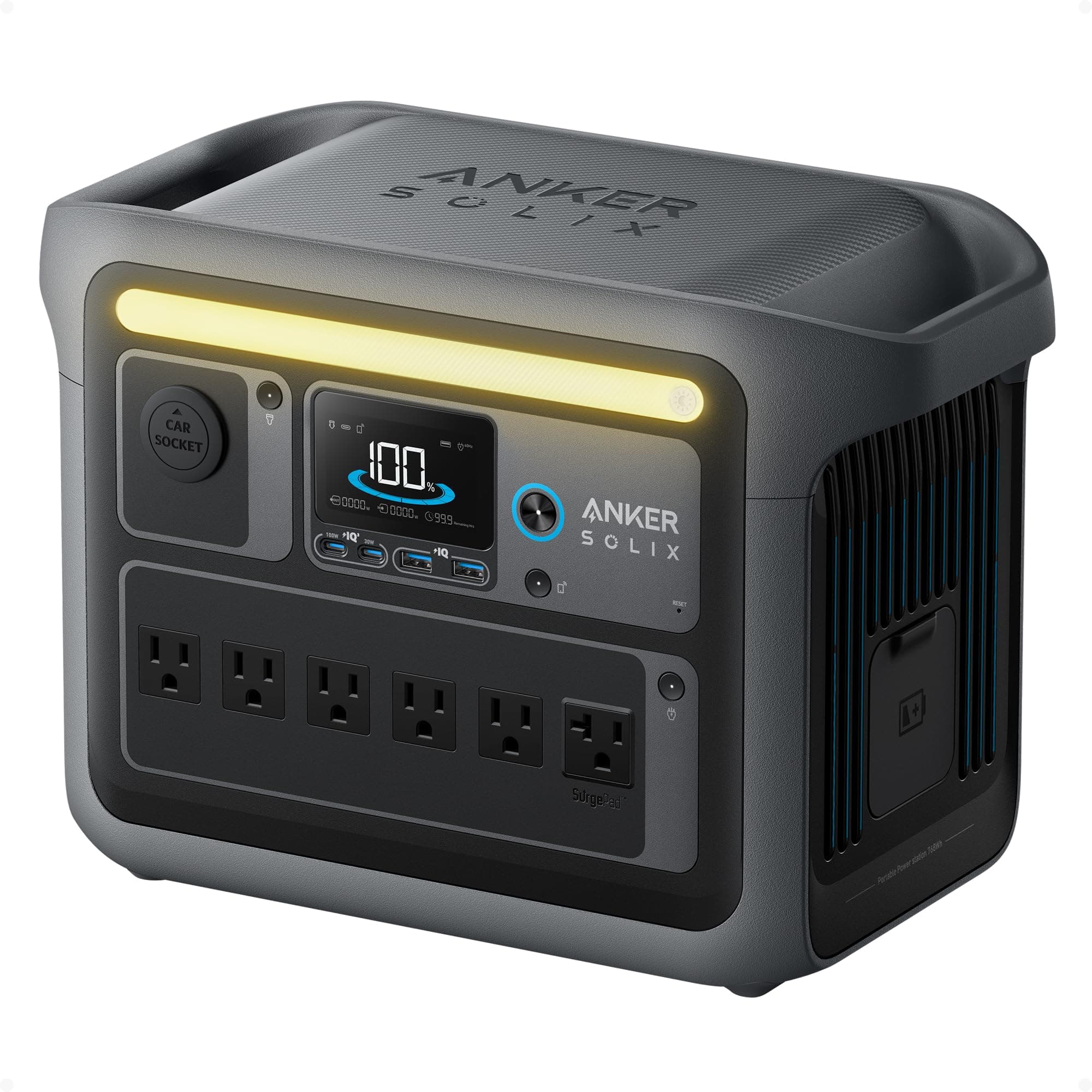
It offers significantly greater power with a 2048Wh LiFePO4 battery (double EcoFlow's 1024Wh) and a robust 2400W AC output (vs 1800W), making it ideal for heavier loads and longer backup. The Anker also boasts an incredibly fast 58-minute full charge. The EF ECOFLOW DELTA 2 is the better pick for budget-conscious users prioritizing portability and a lower initial cost, providing substantial power at $449 compared to Anker's $778.99, while being 14.7 lbs lighter.
Bottom Line: Anker SOLIX C2000 Gen 2 is the better choice. It offers significantly greater power with a 2048Wh LiFePO4 battery (double EcoFlow's 1024Wh) and a robust 2400W AC output (vs 1800W), making it ideal for heavier loads and longer backup.
In-Depth Analysis
How they compare in practice
The Anker SOLIX C2000 Gen 2 and EF ECOFLOW DELTA 2 both leverage durable LiFePO4 battery chemistry, promising longevity for their users. However, their core capabilities and intended applications diverge significantly. The Anker C2000 presents itself as a more robust solution for serious power needs, boasting a substantial 2048Wh capacity. This is double the EcoFlow Delta 2's 1024Wh, meaning the Anker can power devices for twice as long or handle higher draw appliances for extended periods. For someone facing prolonged power outages or running power-hungry tools on a job site, that additional capacity is not just a number; it translates directly to critical operational uptime. Beyond capacity, the Anker's 2400W continuous AC output, with a 4000W peak, significantly outmatches the EcoFlow's 1800W output. This allows the Anker to effortlessly run a wider array of high-wattage appliances, from refrigerators and microwaves to heavy-duty power tools, without tripping. The EcoFlow, while capable of powering most essential home appliances, might struggle or simply be unable to handle certain simultaneous loads that the Anker takes in stride. This power differential defines the real-world utility: Anker is geared towards comprehensive home backup or demanding outdoor projects, while EcoFlow serves better for light to moderate use. Another crucial distinction is charging speed. The Anker's ability to achieve a full charge in a mere 58 minutes is remarkably fast, particularly for its 2048Wh capacity. This rapid replenishment is a massive advantage in emergency scenarios or when needing a quick turnaround between uses. The EcoFlow is no slouch, charging 0-80% in 50 minutes and fully in 1.33 hours, which is excellent for its class, but still trails the Anker's full-charge performance. The trade-off for Anker's superior power and speed is its higher price point of $778.99 and a heavier 41.7 lb chassis, compared to the EcoFlow's more accessible $449 price and lighter 27 lb weight. The EcoFlow offers a compelling value proposition for those who need reliable backup power but don't require the absolute maximum in capacity or output, prioritizing cost and moderate portability. Each unit's expandability, with Anker reaching 4kWh and EcoFlow 3kWh, offers future-proofing, but the initial investment and baseline performance define their immediate utility.
Key Differences
The most significant spec differences at a glance
Battery Capacity
100% moreAC Output
33% moreCharge Time
27% lessSolar Input
60% moreWeight
54% moreAdvantages
Where each product wins

Anker
- Battery Capacity: 100% higher (2048 vs 1024.0)
- AC Output: 33% higher (2400 vs 1800.0)
- Charge Time: 27% lower (0.9666666666666667 vs 1.333)
- Solar Input: 60% higher (800 vs 500.0)

EF ECOFLOW
- Weight: 54% lower (41.7 vs 27.0)
Which to Pick for Your Situation
Concrete scenarios with a clear recommendation
For comprehensive home backup during extended outages
AnkerProduct A offers 2048Wh capacity, double Product B's 1024Wh, and a higher 2400W AC output, essential for powering more appliances longer.
For light camping trips or casual outdoor use
EF ECOFLOWProduct B is significantly lighter at 27 lbs compared to Product A's 41.7 lbs and more budget-friendly at $449, providing ample power for smaller devices.
For running heavy-duty power tools on a job site
AnkerProduct A's 2400W continuous AC output and 4000W peak wattage can handle more demanding tools than Product B's 1800W.
For quick emergency power replenishment
AnkerProduct A can achieve a full charge in just 58 minutes, making it ready faster than Product B's 1.33-hour full charge time.
Who Should Buy Which?
Find the right product for your needs

Buy Anker if...
Anker SOLIX C2000 Gen
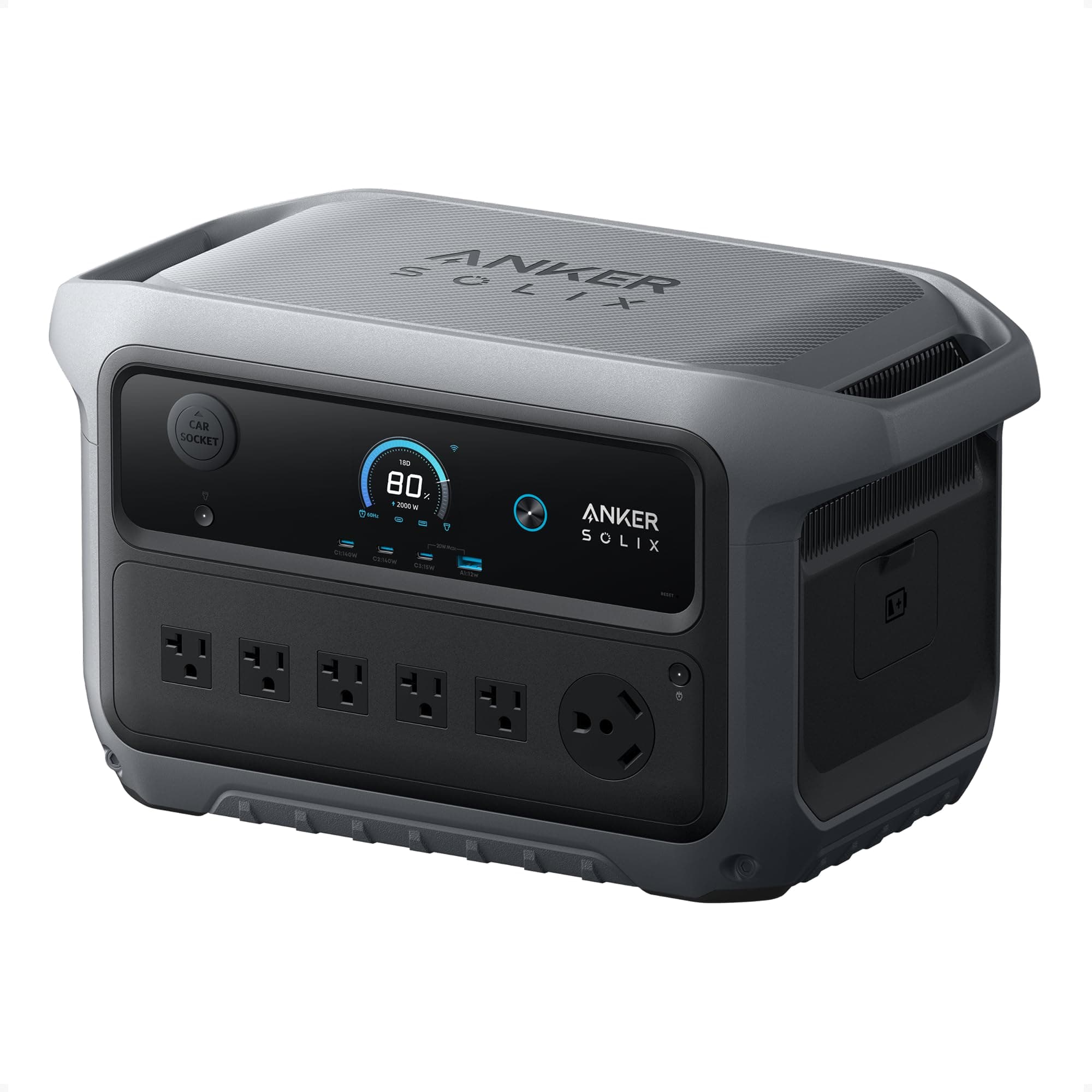
The Anker SOLIX C2000 Gen 2 is tailored for individuals or families who prioritize robust, extended power solutions for significant home backup, demanding outdoor adventures, or professional work sites. This buyer isn't just looking for basic emergency power; they need to keep essential appliances like refrigerators, sump pumps, or even entire circuits running for prolonged periods during outages. Their priority is maximum uptime and the ability to run multiple high-wattage devices simultaneously. The Anker's 2048Wh LiFePO4 battery capacity, expandable to 4kWh, ensures they have ample energy storage for long durations. Crucially, its 2400W AC output (4000W peak) means they can power heavy-duty tools like miter saws or multiple kitchen appliances without worry, a critical factor for contractors or off-grid living enthusiasts. Furthermore, the incredibly fast 58-minute full charge time appeals to users who need quick turnaround, making it ready for the next blackout or project promptly. While the $778.99 price point is higher and the 41.7 lb weight less portable, these are acceptable trade-offs for unparalleled power, speed, and reliability. They are giving up some initial cost savings and easier portability in favor of superior performance and capacity that meets their high-demand lifestyle.

Buy EF ECOFLOW if...
EF ECOFLOW Portable Power
The EF ECOFLOW DELTA 2 is the ideal choice for budget-conscious users seeking reliable, versatile portable power without the need for extreme output or multi-day home backup. This buyer likely needs to power essential devices during shorter power outages, enjoy extended camping trips, or maintain productivity with smaller tools and electronics off-grid. Their priorities lean towards a balance of capability, portability, and value. The Delta 2's 1024Wh LiFePO4 battery offers sufficient capacity for charging phones, laptops, running lights, and powering a mini-fridge for a considerable duration. Its 1800W AC output is more than enough to handle most common household appliances, providing a comfortable margin for everyday use or emergencies. The faster 0-80% charge in just 50 minutes is a significant convenience for quick top-ups. At $449 and a more manageable 27.0 lbs, it strikes an excellent balance between performance and practicality, making it a great companion for RVers or car campers who value ease of transport. While it doesn't match the Anker's peak power or base capacity, these users aren't sacrificing critical features they need, instead gaining a more accessible price point and lighter form factor perfectly suited for their moderate power requirements.
Spec Comparison
9 specs compared
| Specification |  |  |
|---|---|---|
| Price | $779 | $449 |
| Rating | 4.7(113) | 4.7(7.7k) |
| Capacity Wh | 2048W | 1024W |
| Chemistry | LiFePO4 | LiFePO4 |
| AC Output Watts | 2400W | 1800W |
| Expandable | Yes | Yes |
| Weight | 41.7 lbs | 27 lbs |
| Charge Time Hours | 0.97 hrs | 1.33 hrs |
| Peak Output Watts | 4000W | — |
| Solar Input Watts | 800W | 500W |
| Cycle Life | — | 3000 |
Swipe horizontally to see all columns
Pros & Cons
Quick overview of strengths and weaknesses
Anker Anker SOLIX
- 2048Wh capacity, expandable to 4kWh
- 2400W continuous output, 4000W peak output
- Full AC/solar charge in 58 minutes
- 3-hour car alternator charge
- Solar panels sold separately
- 41.7 lb unit weight limits portability
- Expansion battery requires separate purchase
EF ECOFLOW Portable Power
- Charges 0-80% in 50 mins via AC outlet.
- 1800W AC output powers most home appliances.
- Capacity expands from 1024Wh up to 3000Wh.
- 3000+ LiFePO4 battery cycles for long lifespan.
- Unit weighs 27 lbs.
- Solar panels purchased separately.
- Max capacity requires additional battery units.
Frequently Asked Questions
Common questions about this comparison
What is the maximum AC output each power station provides?
The Anker SOLIX C2000 Gen 2 offers 2400W continuous AC output (4000W peak), while the EF ECOFLOW DELTA 2 provides 1800W AC output.
How quickly can these units be fully recharged?
The Anker C2000 fully recharges in 58 minutes. The EcoFlow DELTA 2 charges 0-80% in 50 minutes, with a full charge taking approximately 1.33 hours.
Are solar panels included with either power station?
No, for both the Anker SOLIX C2000 Gen 2 and the EF ECOFLOW DELTA 2, solar panels are optional and must be purchased separately.
Can the battery capacity be expanded on these models?
Yes, both models are expandable. The Anker C2000 expands to 4kWh, and the EcoFlow DELTA 2 expands from 1024Wh up to 3000Wh with additional batteries.
Which unit is more portable given its weight?
The EF ECOFLOW DELTA 2 is more portable at 27.0 lbs, significantly lighter than the Anker SOLIX C2000 Gen 2, which weighs 41.7 lbs.
Related Comparisons
Similar products people compare
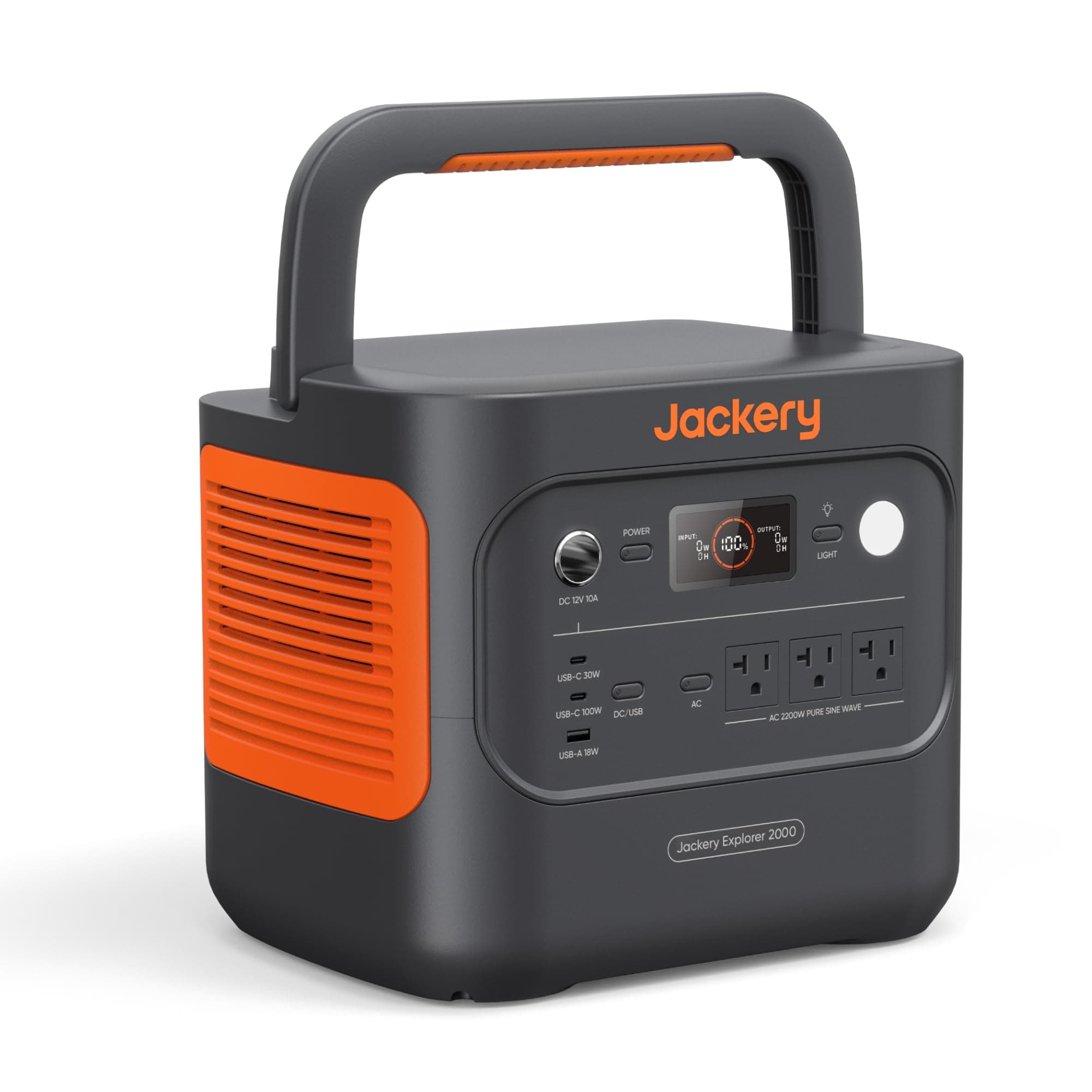
Anker vs Jackery
$779 vs $900
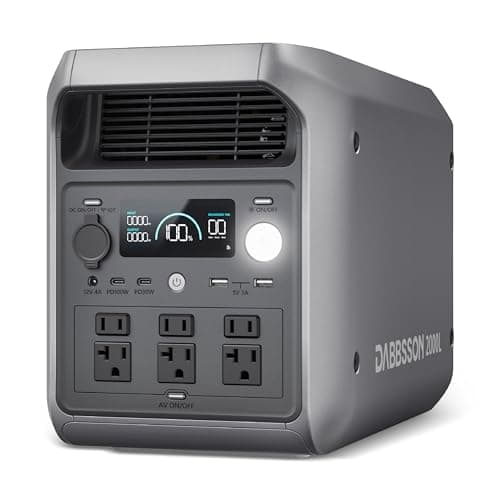
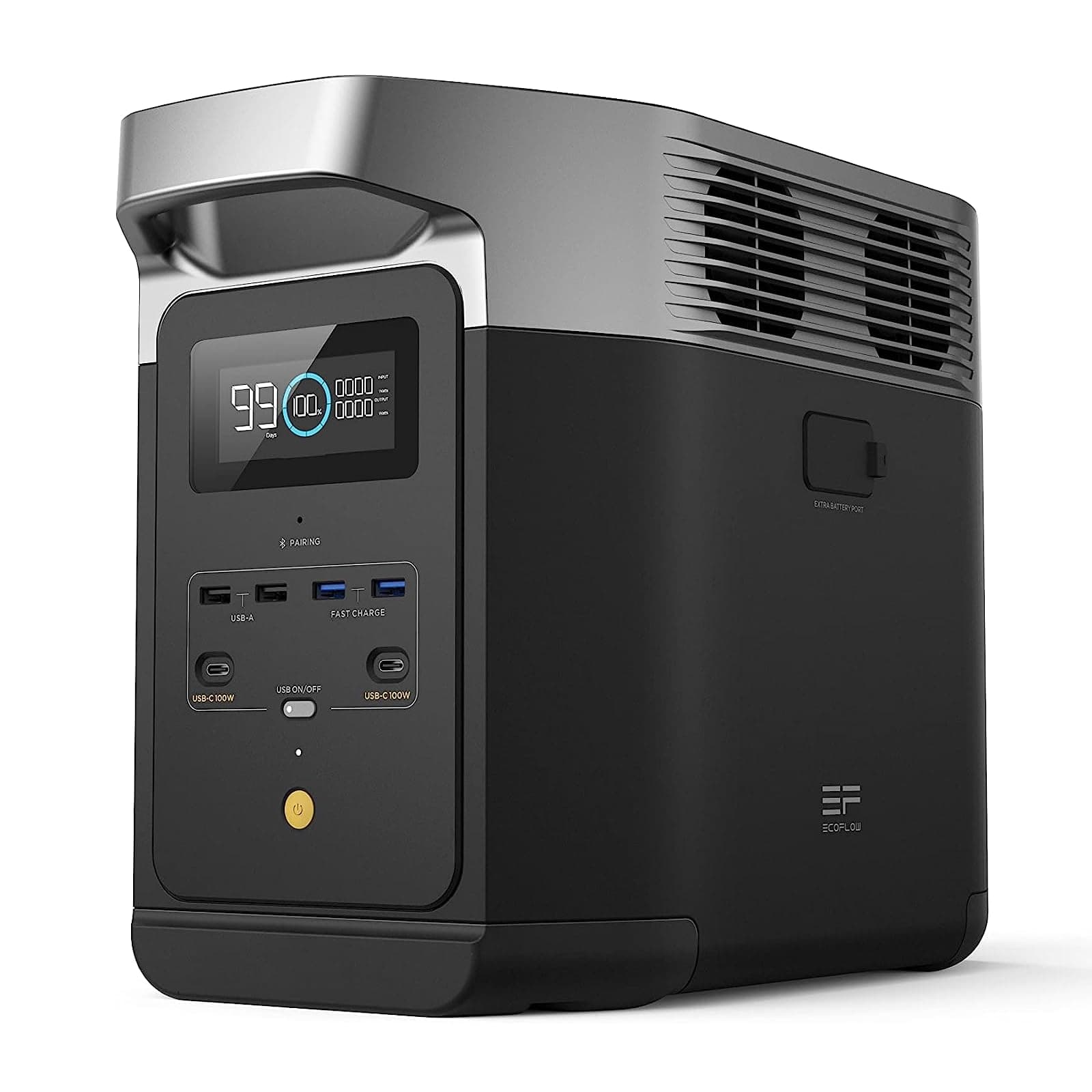
Dabbsson vs EF ECOFLOW
$649 vs $449
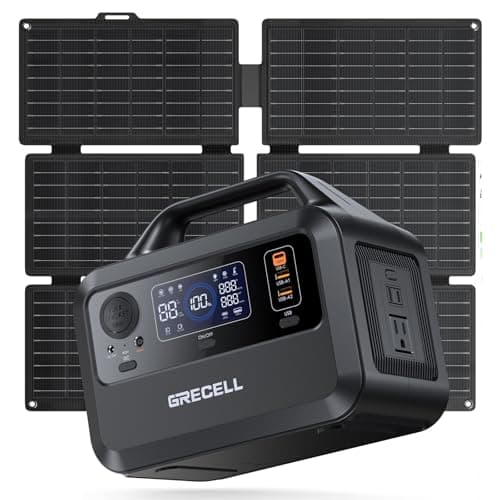
EF ECOFLOW vs GRECELL
$449 vs $190
ALLWEI vs EF ECOFLOW
$269 vs $449
Anker vs Jackery
$779 vs $869
EF ECOFLOW vs Jackery
$449 vs $299
Anker vs EF ECOFLOW
$300 vs $449
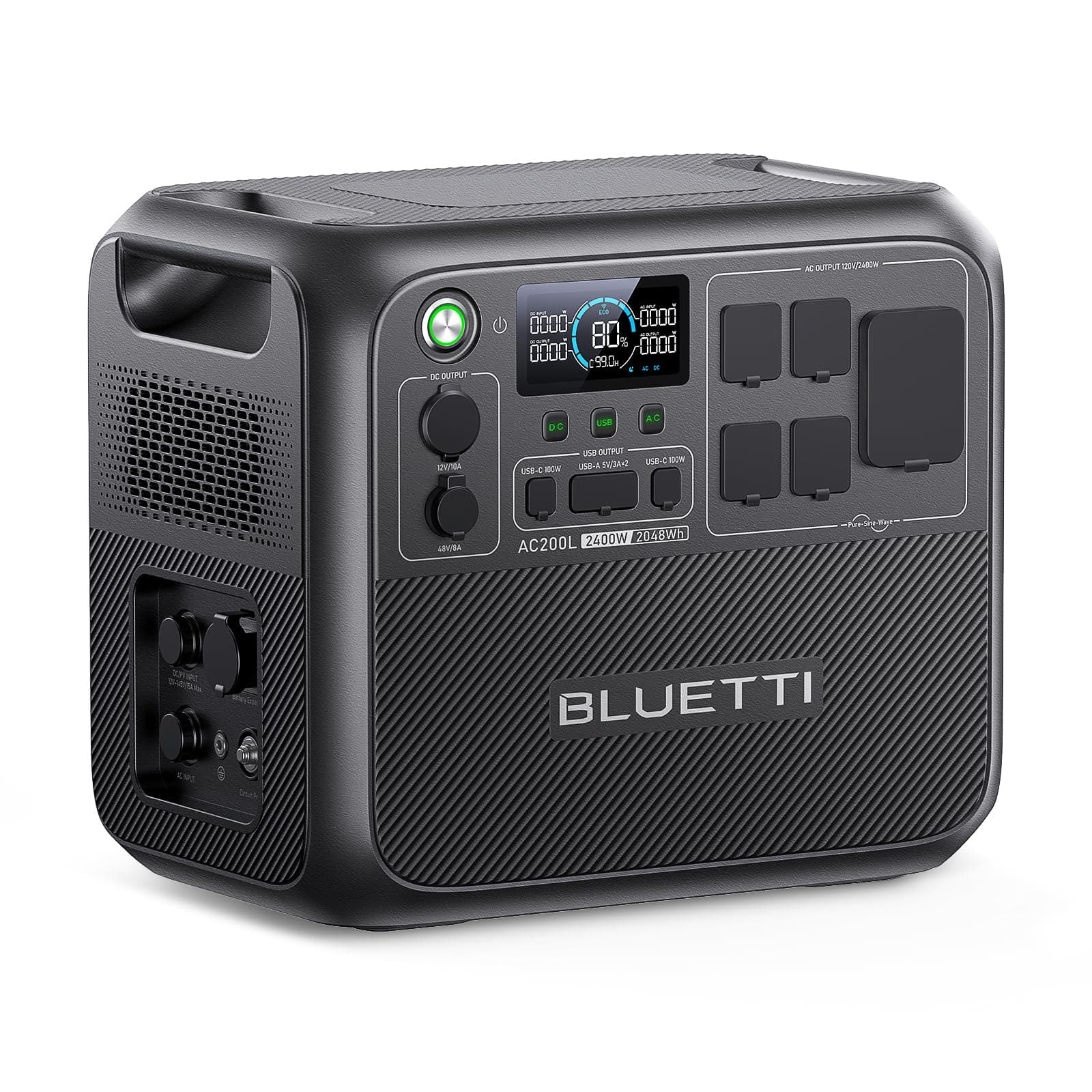
Anker vs BLUETTI
$779 vs $799
Anker vs BLUETTI
$779 vs $799
AFERIY vs Anker
$669 vs $779
Anker vs EF ECOFLOW
$779 vs $799
Anker vs Dabbsson
$779 vs $649
Anker vs Anker
$430 vs $779
Anker vs Jackery
$779 vs $449
Anker vs EF ECOFLOW
$430 vs $449
Explore Other Categories
Popular comparisons across the site
Ask AI
Get instant answers about specs
Get the Deets
Ask our AI assistant
Ask Deets anything!