Our Verdict
Optoma UHZ68 Wins
It boasts significantly higher brightness at 4500 ANSI lumens compared to the BenQ's 3200 ANSI lumens, crucial for viewing in varied lighting conditions, and supports advanced Dolby Vision HDR for superior contrast and color. While more expensive at $3499 versus $2999, its superior light output and advanced HDR capabilities offer a more impactful and versatile viewing experience. The BenQ HT4550i is the better pick for those prioritizing true native 4K resolution and integrated smart TV functionality, especially if their viewing environment is light-controlled, due to its lower price and lens shift flexibility.
Bottom Line: Optoma UHZ68 is the better choice. It boasts significantly higher brightness at 4500 ANSI lumens compared to the BenQ's 3200 ANSI lumens, crucial for viewing in varied lighting conditions, and supports advanced Dolby Vision HDR for superior contrast and color.
In-Depth Analysis
How they compare in practice
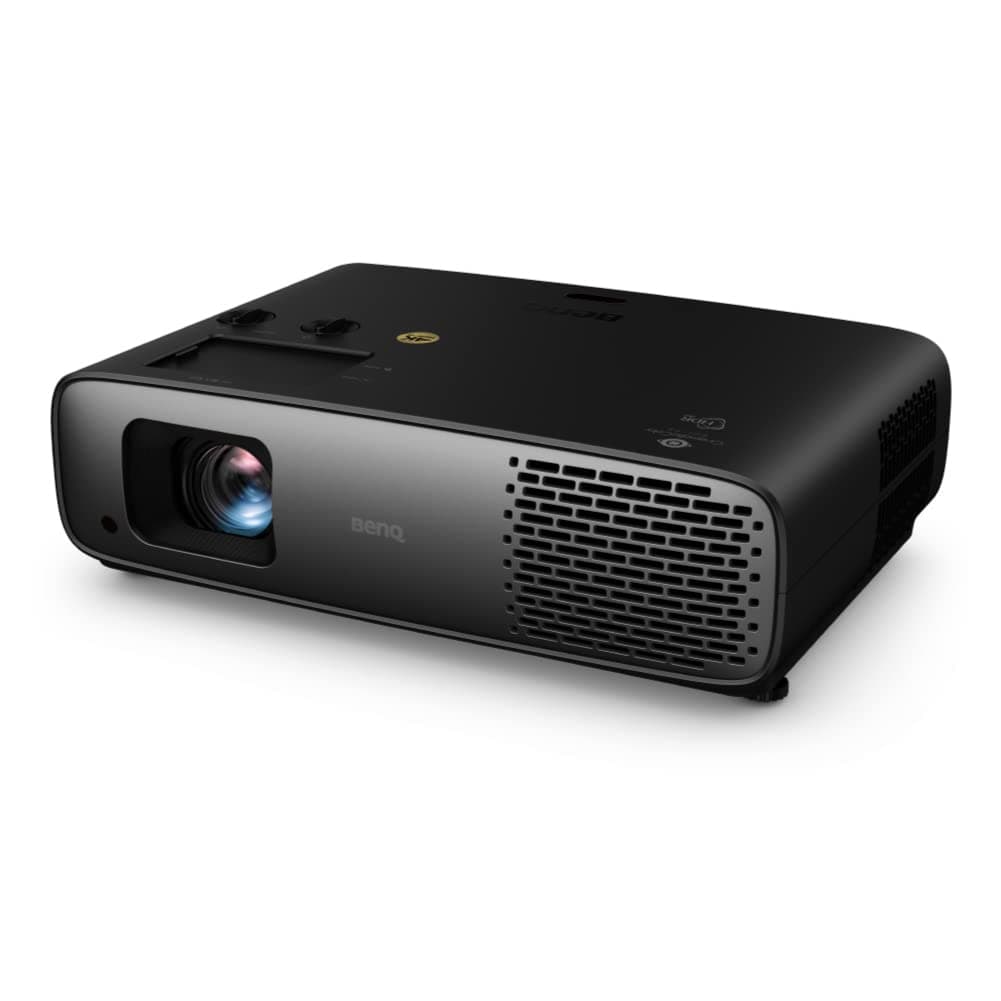
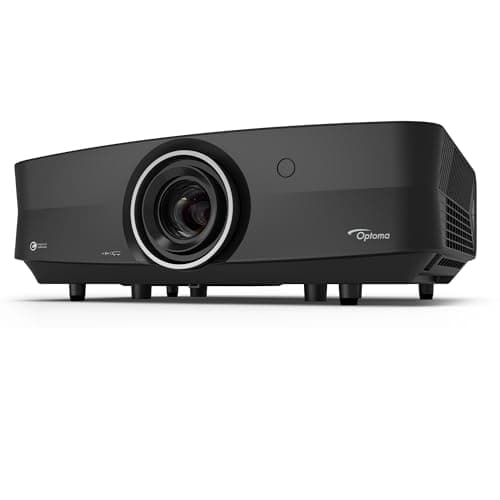
The BenQ HT4550i and Optoma UHZ68 both aim to deliver a premium 4K home theater experience, yet they target slightly different priorities in their execution. The most immediate difference lies in brightness: the Optoma UHZ68 offers a robust 4500 ANSI lumens, a substantial leap from the BenQ HT4550i's 3200 ANSI lumens. In practical terms, this means the Optoma will hold up considerably better in rooms with some ambient light, providing a more vibrant and watchable image without needing absolute darkness. This makes the UHZ68 more versatile for typical living room setups, whereas the BenQ, while bright, truly shines in a dedicated, light-controlled home cinema.
Resolution is another key differentiator. The BenQ HT4550i boasts 'Native 4K,' meaning each of the 8.3 million pixels is individually projected without temporal shifting. The Optoma UHZ68, conversely, uses '4K Pixel Shift' technology. While both project a 4K image, purists might argue for the slightly sharper, unshifted pixel structure of the BenQ. However, in real-world viewing, particularly from a typical seating distance, the difference is often negligible for most users, and the Optoma's superior brightness might outweigh this technicality for many.
The light source technology also varies: BenQ uses LED, known for long life (10+ years), instant on/off, and consistent color. Optoma employs a Laser light source, offering even longer lifespans, greater brightness consistency over time, and robust performance. Both are excellent, virtually maintenance-free options compared to traditional lamps.
Finally, smart features and connectivity set them apart. The BenQ HT4550i includes a built-in Android TV dongle with pre-loaded Netflix and Chromecast, offering out-of-the-box streaming convenience. The Optoma UHZ68, while lacking integrated smart TV, compensates with premium features like Dolby Vision/HDR10+ support for high-fidelity HDR content and HDMI 2.1 with ALLM (Auto Low Latency Mode), making it a more compelling choice for serious gamers and those seeking the ultimate in HDR performance, provided they have an external streaming device.
Key Differences
The most significant spec differences at a glance
Brightness Ansi Lumens
29% lessAdvantages
Where each product wins

Optoma
- Brightness Ansi Lumens: 29% higher (3200 vs 4500)
Which to Pick for Your Situation
Concrete scenarios with a clear recommendation
For a bright living room setup
OptomaThe Optoma UHZ68's 4500 ANSI lumens provide significantly better visibility and image vibrancy in rooms with ambient light compared to the BenQ's 3200 lumens.
For a dedicated, dark home theater
BenQThe BenQ HT4550i's Native 4K resolution offers pristine image clarity for cinema purists, and its 2D lens shift aids precise setup in a controlled environment, at a lower price point.
For enthusiasts prioritizing advanced HDR and gaming
OptomaThe Optoma UHZ68 supports Dolby Vision/HDR10+ and features HDMI 2.1 with ALLM, offering superior dynamic range and lower latency for a premium gaming experience.
For convenient streaming out of the box
BenQThe BenQ HT4550i comes with built-in Android TV, Netflix, and Chromecast, providing immediate access to streaming services without external devices.
Who Should Buy Which?
Find the right product for your needs

Buy BenQ if...
BenQ HT4550i 4K HDR
The BenQ HT4550i is the ideal choice for a home theater enthusiast seeking a true cinematic experience at a more accessible price point. This buyer prioritizes pristine image quality, valuing the projector's Native 4K resolution for its uncompromised clarity and its 100% DCI-P3 color gamut for accurate, rich cinematic hues. They likely have a dedicated media room or can consistently control ambient light, where the 3200 ANSI lumens provide ample brightness without being overkill. Convenience is also key; the integrated Android TV with pre-loaded Netflix and Chromecast means less fuss with external streaming devices. Furthermore, the 2D lens shift and 1.3x zoom are invaluable for those who need flexibility in setup, ensuring a perfect image alignment without distortion. This buyer is willing to forgo extreme brightness or specialized gaming features for native 4K purity and smart functionality within their $2999 budget.

Buy Optoma if...
Optoma UHZ68 - 4K
The Optoma UHZ68 is tailored for the user who demands peak performance and versatility, especially in environments where absolute darkness isn't always possible. This buyer prioritizes an exceptionally bright image, making the most of the projector's 4500 ANSI lumens for viewing in living rooms or spaces with some ambient light. They are keen on the latest HDR technologies, specifically valuing Dolby Vision and HDR10+ support for stunning contrast and vibrant color, creating a truly immersive visual experience. While the 4K resolution is achieved via pixel shift, they understand the real-world impact is minimal compared to the benefits of higher brightness and advanced HDR. Gamers will particularly appreciate the HDMI 2.1 input with ALLM, promising a low-latency, fluid gaming experience. This buyer has a slightly larger budget of $3499 and is willing to invest in superior brightness, advanced HDR, and future-proof connectivity, even if it means relying on external devices for smart streaming features.
Spec Comparison
7 specs compared
| Specification |  | 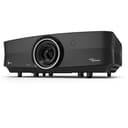 |
|---|---|---|
| Price | $2999 | $3499 |
| Rating | 3.4(813) | — |
| Brightness Ansi Lumens | 3200 | 4500 |
| Native Resolution | Native 4K | 4K Pixel Shift |
| Lens Shift | Yes | — |
| Weight | 13.4 lbs | — |
| Hdr Support | Yes | Yes |
| Light Source | LED | Laser |
| Speaker Watts | 5W | — |
Swipe horizontally to see all columns
Pros & Cons
Quick overview of strengths and weaknesses
BenQ HT4550i 4K
- Native 4K UHD resolution offers sharp image clarity.
- LED light source provides 10+ years of lifespan.
- 100% DCI-P3 color ensures accurate cinematic hues.
- 2D lens shift and 1.3x zoom aid setup flexibility.
- Integrated 5W speaker delivers limited audio quality.
- 13.4 lbs weight may limit easy repositioning.
- 3200 lumens limits performance in bright ambient light.
Optoma UHZ68 -
- 4500 lumens ensures very bright 4K UHD display.
- Dolby Vision/HDR10+ support for high contrast.
- 90%+ DCI-P3 color gamut for cinematic accuracy.
- HDMI 2.1, ALLM enable low latency gaming.
- Resolution achieved via 4K pixel shift.
- External audio system required for full sound.
Frequently Asked Questions
Common questions about this comparison
Which projector is brighter?
The Optoma UHZ68 is significantly brighter at 4500 ANSI lumens, compared to the BenQ HT4550i's 3200 ANSI lumens. This makes the Optoma better for rooms with ambient light.
What is the difference in 4K resolution between them?
The BenQ HT4550i offers Native 4K resolution, while the Optoma UHZ68 achieves 4K via pixel shift. Both deliver 8.3 million pixels, but native 4K offers unshifted pixel clarity.
Does either projector have smart TV capabilities?
Yes, the BenQ HT4550i includes a built-in Android TV dongle with Netflix and Chromecast for integrated smart features. The Optoma UHZ68 does not include built-in smart TV.
Which projector uses a more advanced light source?
The Optoma UHZ68 uses a Laser light source, offering typically longer lifespans and more consistent brightness than the BenQ HT4550i's LED light source, though both are excellent.
Which projector is better for advanced HDR content like Dolby Vision?
The Optoma UHZ68 explicitly supports Dolby Vision and HDR10+, offering a more robust and dynamic HDR experience. The BenQ HT4550i supports HDR10+ and HLG.
Is one projector more flexible for installation?
The BenQ HT4550i offers 2D lens shift and 1.3x zoom, providing more flexibility in projector placement without resorting to digital keystone correction, which can degrade image quality.
Related Comparisons
Similar products people compare
Explore Other Categories
Popular comparisons across the site





Ask AI
Get instant answers about specs
Get the Deets
Ask our AI assistant
Ask Deets anything!