Our Verdict
MAONO GamerWave DGM20S Wins
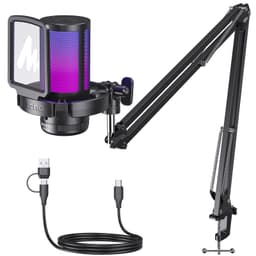
While slightly pricier at $42.49 compared to TONOR TC30's $31.99, the MAONO mic offers critical features for gamers and streamers: zero-latency monitoring, integrated gain control, and one-click noise cancellation, alongside a versatile boom arm. These features significantly enhance live audio control and user experience, which the TONOR mic lacks. The TONOR TC30 is the better pick for budget-conscious users prioritizing a simple, plug-and-play setup with a clear 48kHz sample rate for general recording, especially given its included accessories.
Bottom Line: MAONO GamerWave DGM20S is the better choice. While slightly pricier at $42.
In-Depth Analysis
How they compare in practice
The MAONO GamerWave DGM20S and TONOR TC30 both serve the entry-level USB microphone market, but cater to slightly different user priorities. The MAONO DGM20S, despite being about $10 more expensive, positions itself strongly for gamers and live streamers. Its standout feature is zero-latency monitoring via a dedicated headphone output, which is crucial for real-time audio feedback, preventing delay that can be distracting during live sessions. This allows users to hear their voice precisely as the mic captures it, enabling immediate adjustments to speaking volume or technique. Coupled with an integrated gain control knob and a physical mute button, the MAONO provides hands-on audio management directly from the microphone itself, eliminating the need to dive into software settings mid-stream.
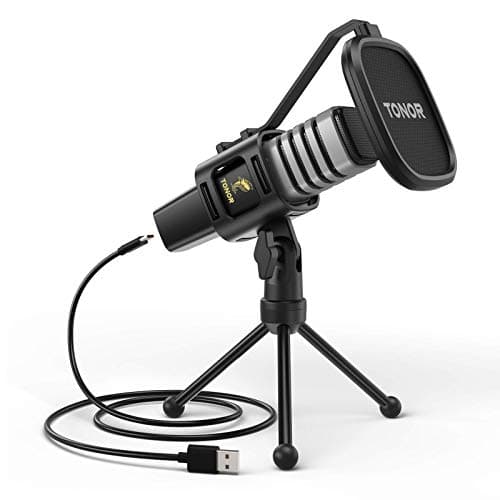
In contrast, the TONOR TC30 shines in its simplicity and value proposition. For $31.99, it offers a solid cardioid condenser microphone with a clear 48kHz sample rate, making it well-suited for crisp voice capture for podcasts, voiceovers, or online meetings. While it lacks zero-latency monitoring or integrated controls, it compensates by including a useful accessory package: a tripod stand, a pop filter, and a shock mount. These additions provide essential tools for improving audio quality by reducing plosives and handling noise, making it an excellent all-in-one starter kit for casual users. The MAONO, while including a boom arm, requires separate purchases for a pop filter or external shock mount if desired.
The practical difference comes down to active control versus passive enhancement. The MAONO empowers the user with immediate, tactile control over their audio and feedback during performance. The one-click noise cancellation feature also directly addresses common environmental audio challenges for live content creators. The TONOR, on the other hand, provides a robust foundation for good audio capture with its accessories, relying on the user's software or post-processing for real-time adjustments or noise reduction. For dedicated content creation or live communication where responsiveness is key, the MAONO offers a more complete, feature-rich experience, while the TONOR presents compelling value for reliable, quality basic recording.
Key Differences
The most significant spec differences at a glance
Sample Rate
100% lessAdvantages
Where each product wins

TONOR
- Sample Rate: 100% higher (0.0 vs 48.0)
Which to Pick for Your Situation
Concrete scenarios with a clear recommendation
For live streaming and gaming
MAONOThe MAONO DGM20S offers zero-latency monitoring and an integrated gain knob, allowing for real-time audio adjustments critical for live performance.
For budget-conscious beginners needing an all-in-one kit
TONORThe TONOR TC30 is priced lower at $31.99 and includes essential accessories like a tripod stand, pop filter, and shock mount, providing immediate value.
For clear voiceovers and basic podcasting
TONORThe TONOR TC30's 48kHz sample rate and included pop filter ensure crisp, clean audio capture suitable for recordings.
For reducing background noise actively
MAONOThe MAONO DGM20S features one-click noise cancellation, actively reducing ambient sounds for clearer speech.
Who Should Buy Which?
Find the right product for your needs

Buy MAONO if...
MAONO Gaming USB Microphone,
The MAONO GamerWave DGM20S is ideal for the aspiring or active streamer, gamer, or podcaster who prioritizes real-time audio control and a professional setup without breaking the bank. This user is looking for a microphone that actively enhances their live content and provides immediate feedback. They understand the value of features like zero-latency monitoring, which allows them to hear their voice without delay, crucial for maintaining natural speech flow during live sessions. The integrated gain control and physical mute button are also vital for quick adjustments during dynamic gameplay or live chats, preventing audio mishaps. The one-click noise cancellation is a significant draw for those in less-than-soundproof environments, ensuring their voice remains clear over background noise. While they might pay slightly more at $42.49, they appreciate the included boom arm for flexible positioning and a cleaner desk. They are willing to forgo a built-in pop filter or advanced software for these critical live performance features.

Buy TONOR if...
TONOR USB Microphone for
The TONOR TC30 is perfectly suited for the casual user, student, remote worker, or budding content creator who needs a reliable, affordable, and easy-to-use microphone. This buyer is primarily concerned with clear voice capture for online meetings, basic podcasting, voiceovers, or casual streaming, and values an all-in-one package. At $31.99, the TONOR TC30 provides excellent value by including essential accessories like a sturdy tripod stand, a pop filter to minimize plosives, and a shock mount to reduce vibrations. This means they can start recording with improved audio quality right out of the box without additional purchases. The plug-and-play USB connection makes setup effortless across Windows, macOS, and Linux. While they might miss features like zero-latency monitoring or on-mic gain control, their use cases typically don't demand such active real-time adjustments. They prioritize simplicity, a clear 48kHz sample rate for good recording fidelity, and a complete starter kit over advanced live performance features.
Spec Comparison
11 specs compared
| Specification |  |  |
|---|---|---|
| Price | $42 | $32 |
| Rating | 4.5(4.8k) | 4.5(22.4k) |
| Sample Rate | 0 kHz | 48 kHz |
| Connection | USB | USB |
| Polar Pattern | Cardioid | Cardioid |
| Zero-Latency | Yes | — |
| Weight | 0.77 lbs | — |
| Mute Button | Yes | — |
| Gain Control | Yes | — |
| Software | None | None |
| Headphone Out | Yes | — |
| Freq. Response | {"high":20000} | — |
| Model Number | — | TC30 |
Swipe horizontally to see all columns
Pros & Cons
Quick overview of strengths and weaknesses
MAONO Gaming USB
- One-click noise cancellation reduces background sound.
- Cardioid polar pattern focuses voice capture.
- Integrated mute button and gain control knob.
- Zero-latency monitoring with dedicated headphone port.
- Not compatible with XBOX consoles.
- Lacks dedicated software suite for advanced control.
- RGB lighting adds no functional utility.
TONOR USB Microphone
- USB 2.0 plug and play on Windows, macOS, Linux
- Cardioid pattern reduces off-axis background noise
- Concealed shock mount dampens vibrations effectively
- Includes pop filter, tripod stand, and shock mount
- Incompatible with phones and Xbox consoles
- iPad connectivity requires a separate adapter
- No dedicated software suite for audio control
Frequently Asked Questions
Common questions about this comparison
Is the MAONO DGM20S compatible with Xbox consoles?
No, the MAONO DGM20S is not compatible with Xbox consoles. It supports PC, Mac, PS4, and PS5 via USB.
Does the TONOR TC30 require an adapter for iPad connectivity?
Yes, connecting the TONOR TC30 to an iPad requires a separate adapter, as it's designed for USB 2.0 plug-and-play with computers.
What is the sample rate for the TONOR TC30?
The TONOR TC30 captures audio at a 48kHz sample rate, ensuring clear and high-fidelity recordings for various applications.
Does either microphone offer dedicated software for advanced controls?
Neither the MAONO DGM20S nor the TONOR TC30 include a dedicated software suite for advanced audio control, relying on OS settings or third-party software.
Which microphone offers zero-latency monitoring?
The MAONO DGM20S features zero-latency monitoring via a dedicated headphone output, allowing users to hear their audio in real-time without delay.
Related Comparisons
Similar products people compare
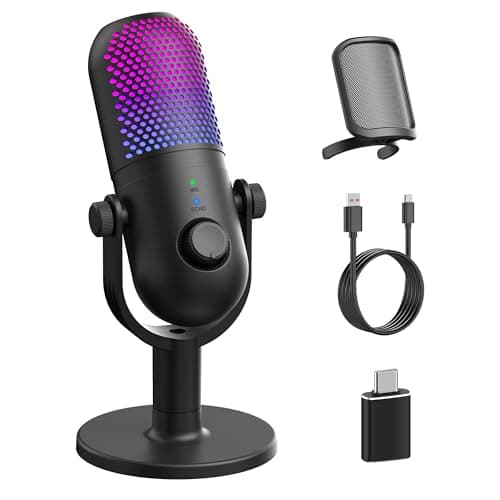
TONOR vs GUEVWES
$32 vs $23
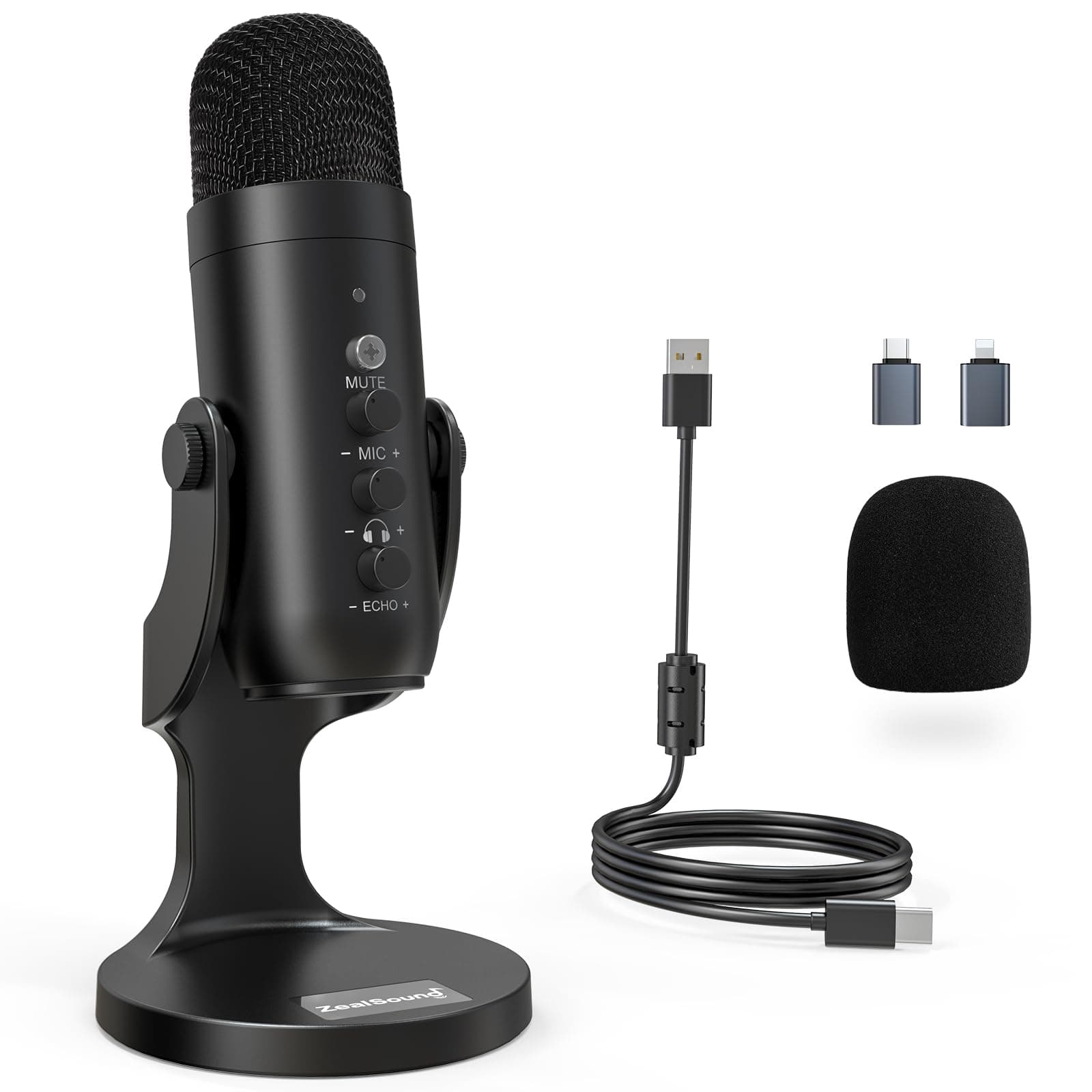
TONOR vs ZealSound
$32 vs $35
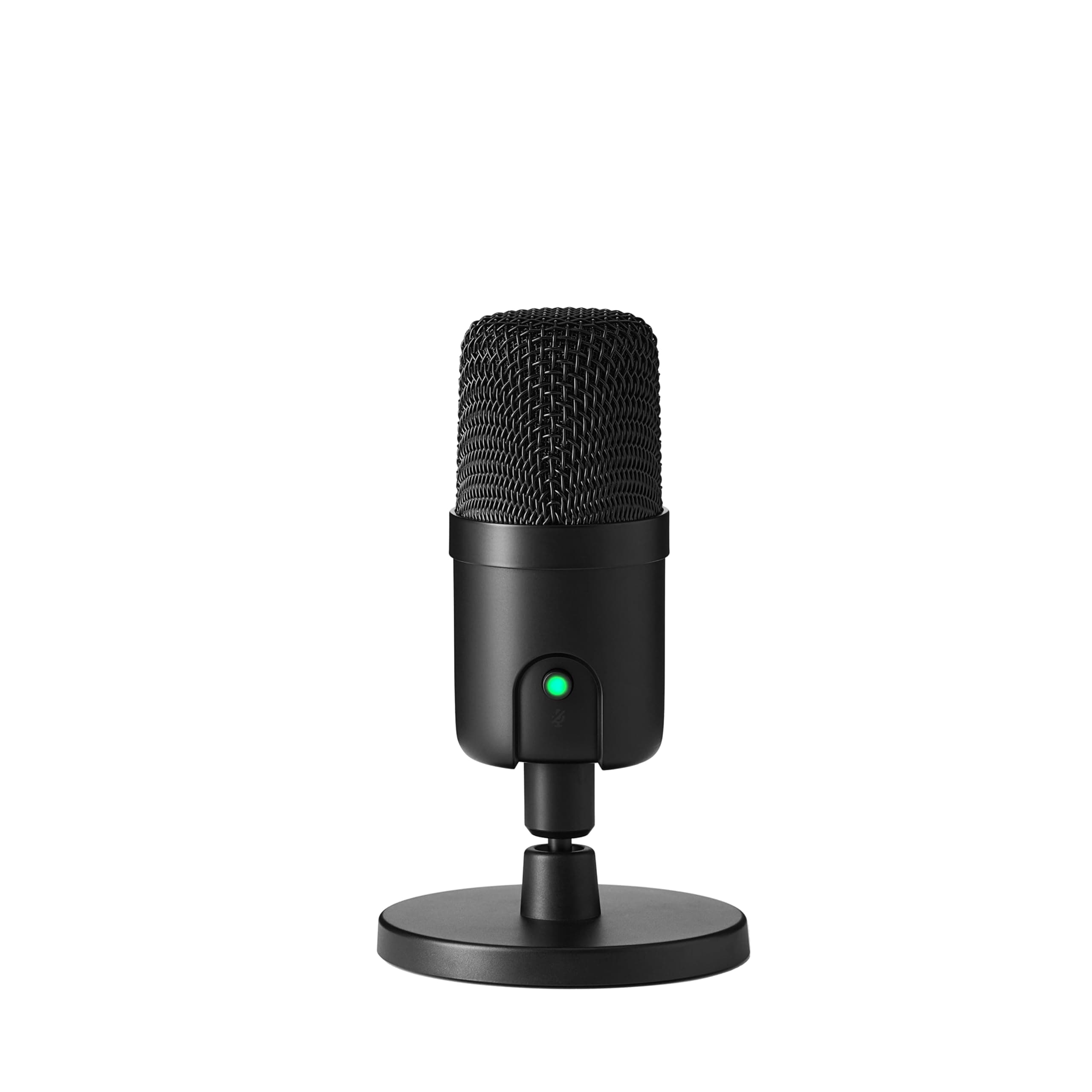
Amazon Basics vs TONOR
$25 vs $32
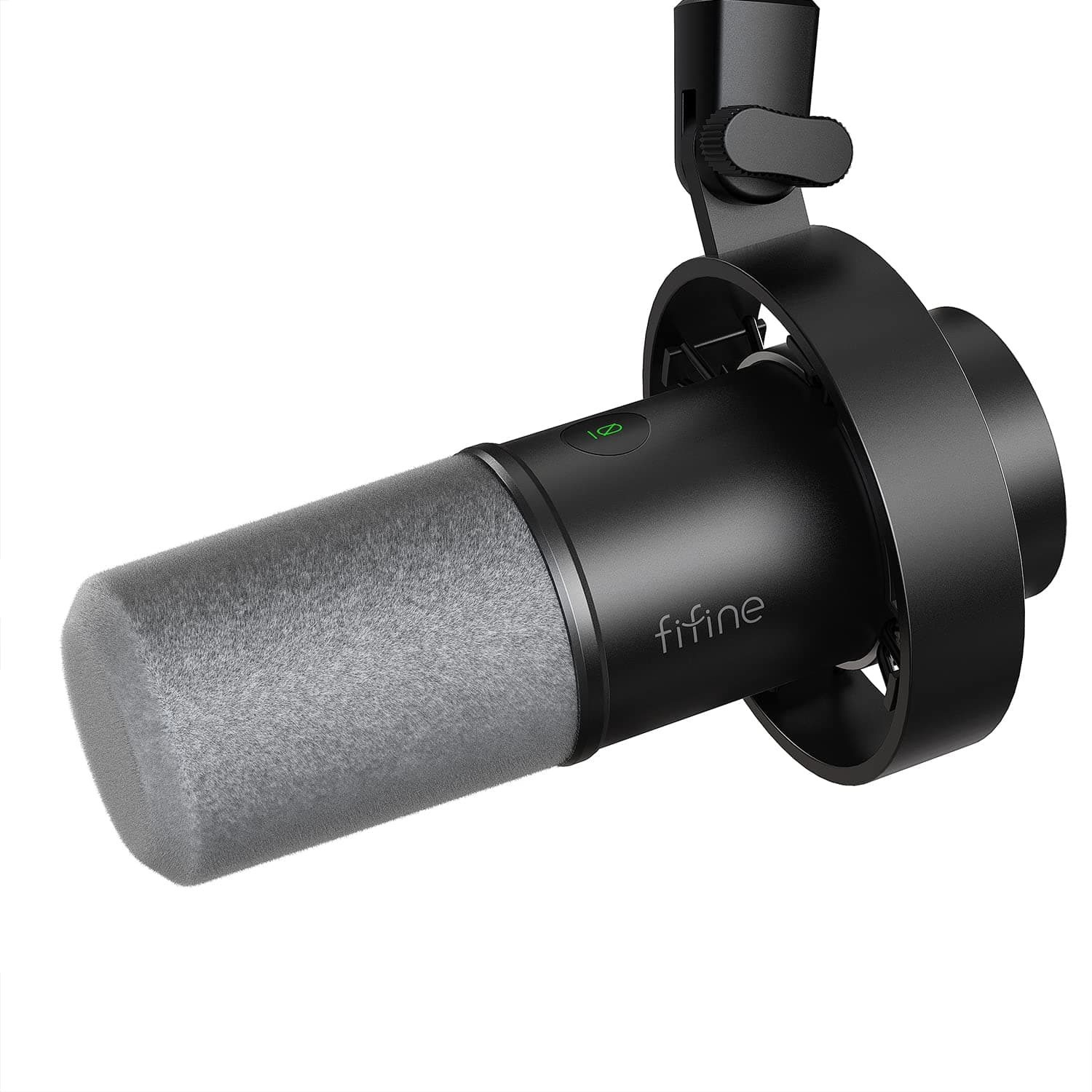
FIFINE vs MAONO
$58 vs $42
MAONO vs Movo
$42 vs $40
Movo vs TONOR
$40 vs $32
FIFINE vs MAONO
$57 vs $42
Amazon Basics vs MAONO
$25 vs $42
FIFINE vs TONOR
$26 vs $32
MAONO vs Razer
$42 vs $40
Razer vs TONOR
$40 vs $32
MAONO vs MAONO
$42 vs $80
COCONISE vs TONOR
$24 vs $32
MAONO vs ZealSound
$42 vs $35
AKG vs MAONO
$40 vs $42
Explore Other Categories
Popular comparisons across the site


Ask AI
Get instant answers about specs
Get the Deets
Ask our AI assistant
Ask Deets anything!