Our Verdict
MAONO PD200XS Wins
At $79.99, it offers superior value with its dual USB/XLR connection and included boom arm, crucial for a clean streaming setup. While its frequency response of 40-16000Hz is narrower than the Blue Yeti's 20-20000Hz and it lacks multi-pattern versatility, its cardioid pattern is ideal for focused voice capture, and the 48.0kHz sample rate matches its competitor. The Logitech Blue Yeti is a better pick for users who prioritize multi-pattern recording flexibility for diverse content creation and need the full 20-20000Hz frequency range.
Bottom Line: MAONO PD200XS is the better choice. At $79.
In-Depth Analysis
How they compare in practice
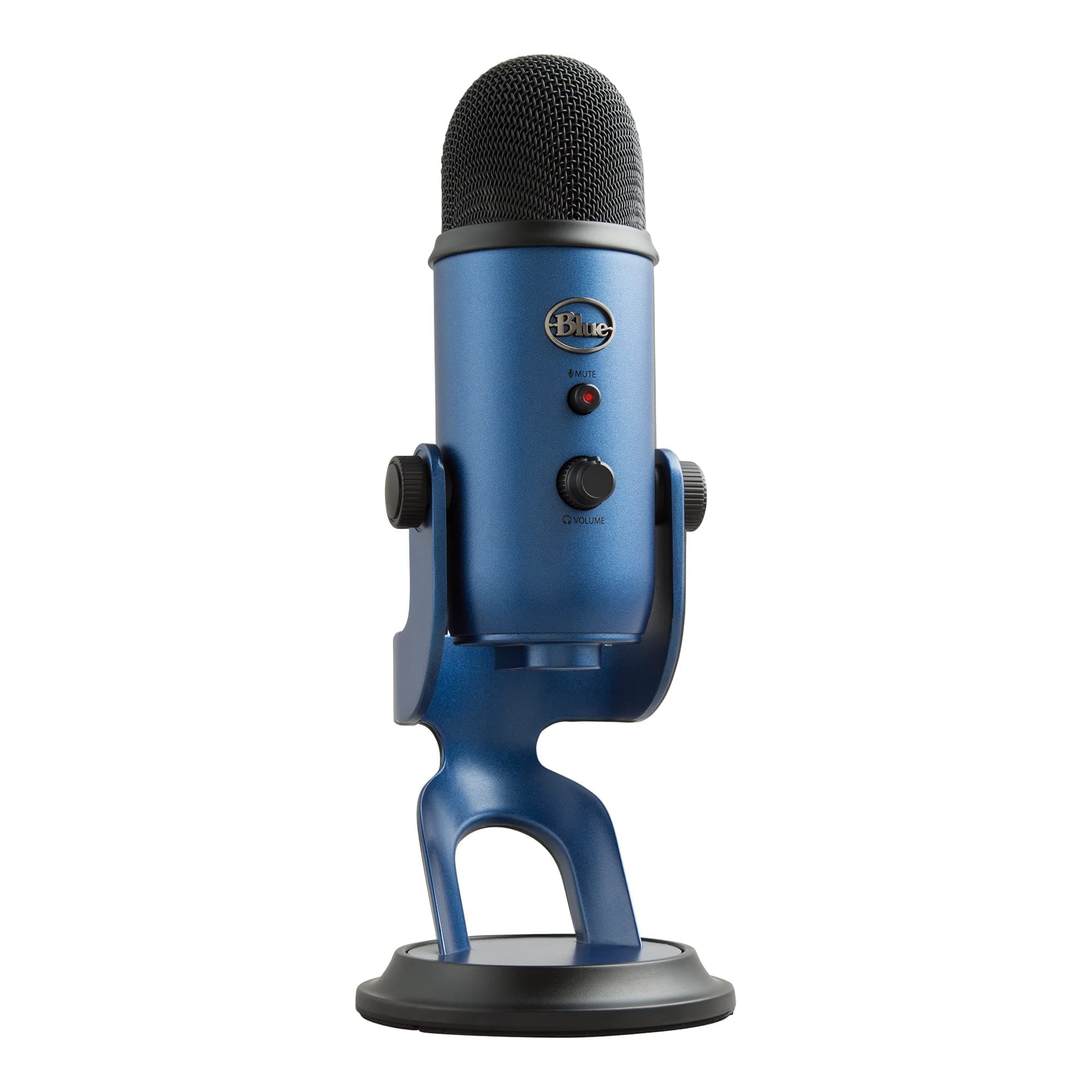
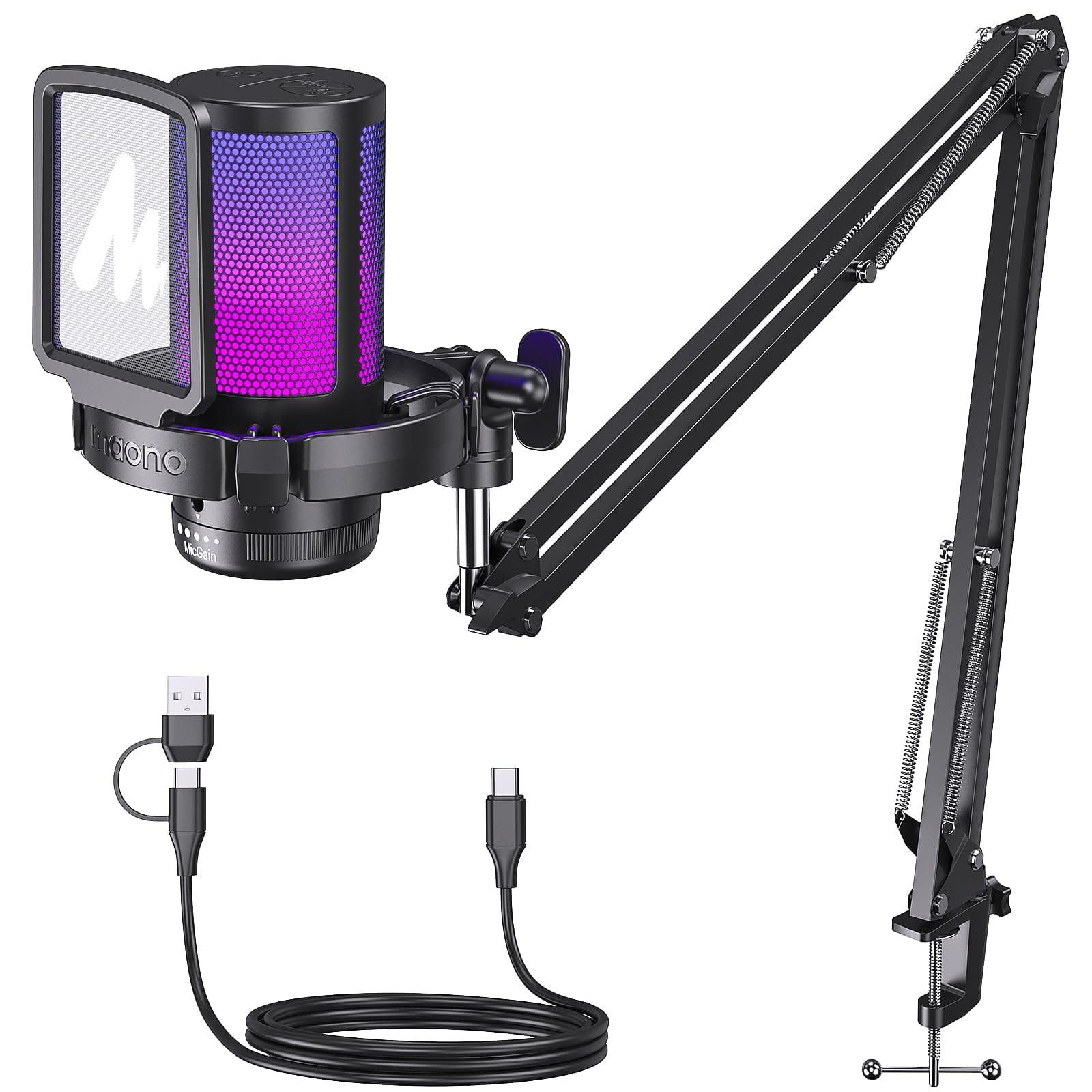
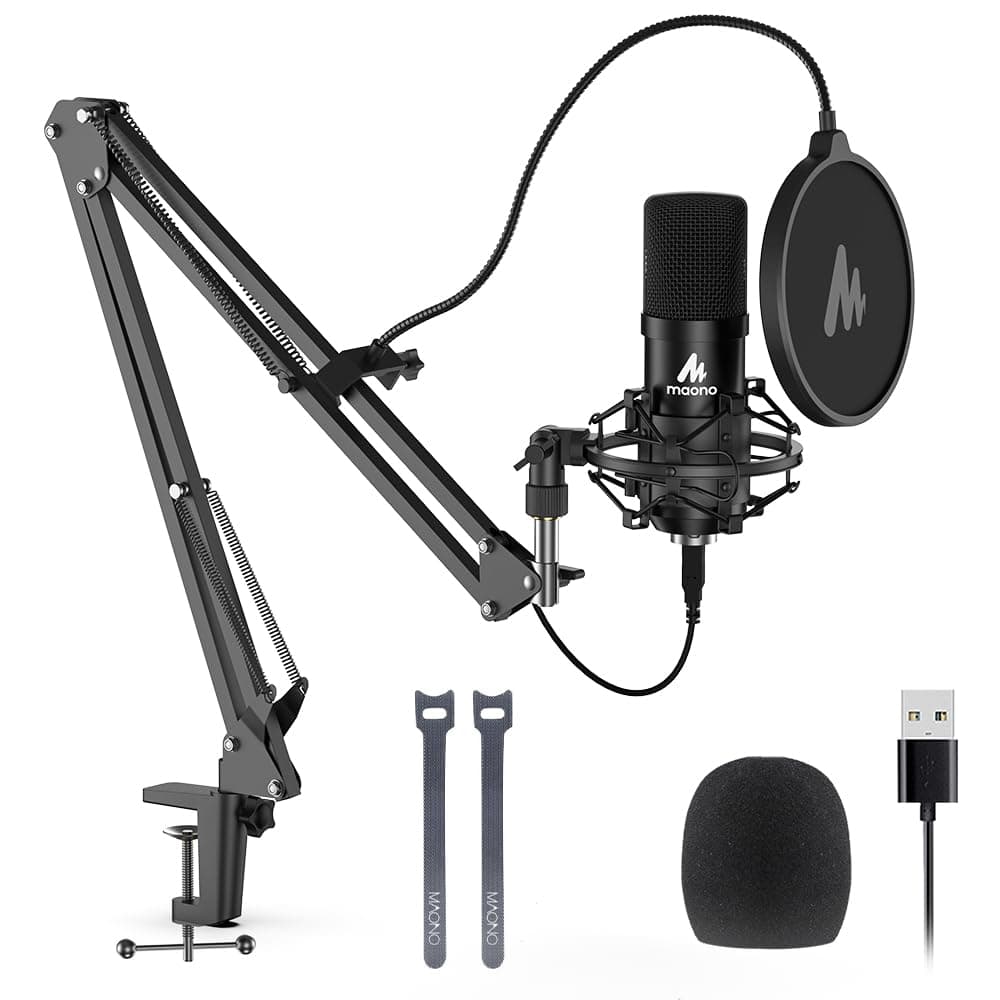
The Logitech Blue Yeti and MAONO PD200XS both present compelling options for content creators, but cater to slightly different needs and priorities, particularly concerning connectivity, included accessories, and sonic versatility. The MAONO PD200XS stands out immediately with its dual USB/XLR connection, offering immediate plug-and-play convenience via USB and future-proofing for more advanced audio interfaces with XLR. This flexibility is a significant advantage over the Blue Yeti's USB-only interface. Furthermore, the PD200XS’s inclusion of a boom arm, shock mount, and USB cable at a price point of $79.99 makes it an exceptional value package for aspiring streamers and podcasters who want a complete setup without additional purchases.
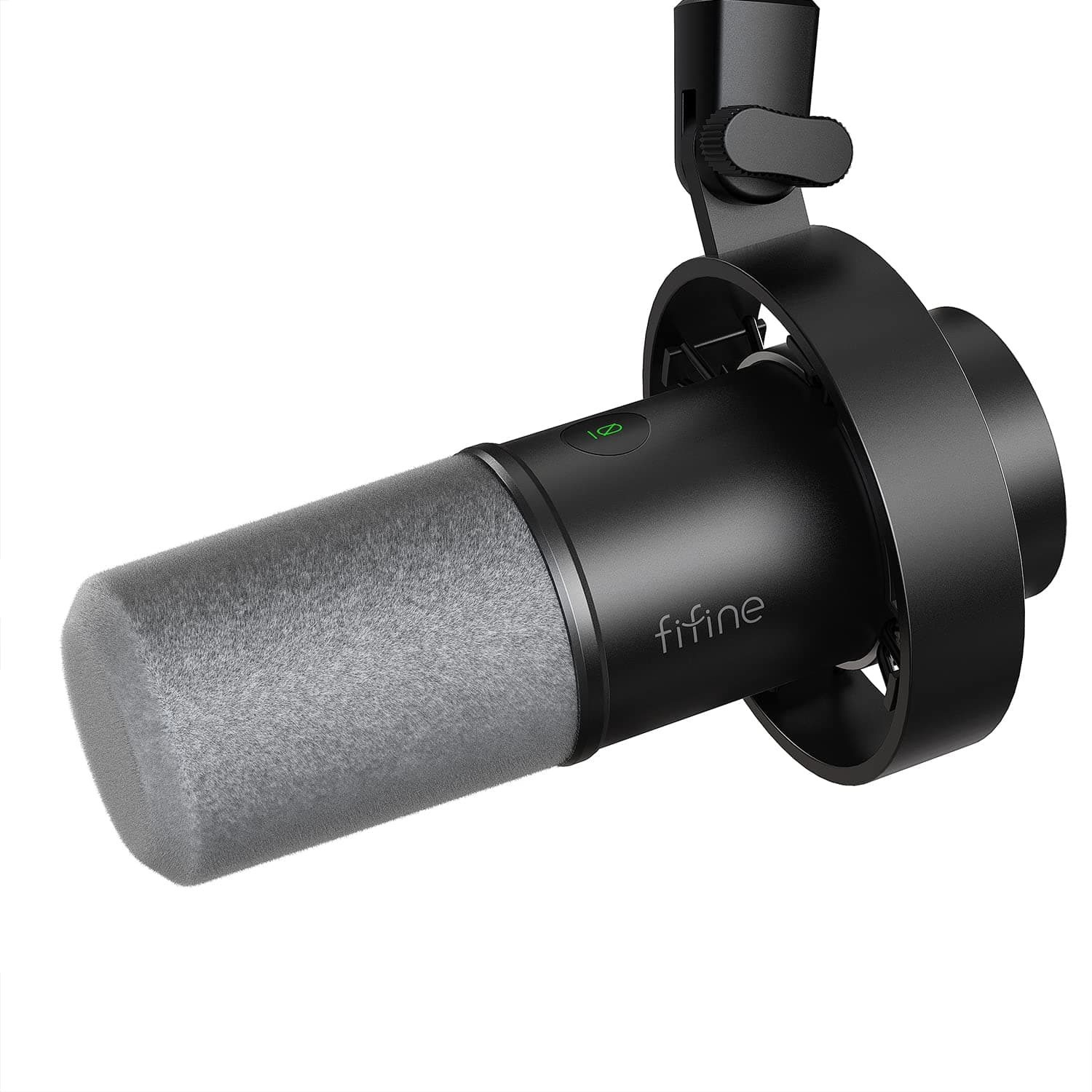
In terms of audio capture, the Blue Yeti boasts a wider frequency response of 20-20000Hz compared to the PD200XS's 40-16000Hz. While the Yeti's extended range might capture subtle nuances, especially in music recording or ambient sound, the PD200XS's range is perfectly adequate for spoken word and most vocal performances, which are the primary applications for these microphones. The Yeti's multi-pattern support (cardioid, omnidirectional, bidirectional, stereo) offers unparalleled versatility, making it suitable for interviews, group discussions, or even ASMR. In contrast, the PD200XS focuses on a cardioid pattern, which is excellent for isolating the speaker's voice and minimizing room noise, a critical feature for live streaming and gaming.
Software integration also differs: the Blue Yeti utilizes Blue VOICE software for vocal enhancements, while the PD200XS uses MAONO Link, providing EQ, limiter, and compressor controls – though these are limited to USB mode. Real-world usage sees the Blue Yeti, at 3.51 lbs, as a more substantial desktop unit, which can be less portable and requires a sturdy stand (not included). The PD200XS’s included boom arm negates the need for a desk stand, freeing up desk space and allowing for optimal mic positioning. For users stepping into content creation, the MAONO PD200XS offers a more comprehensive and budget-friendly solution that immediately addresses common setup challenges, while the Blue Yeti appeals to those needing maximum sonic flexibility and a wider frequency response for varied recording types.
Which to Pick for Your Situation
Concrete scenarios with a clear recommendation
For multi-person interviews or diverse recording
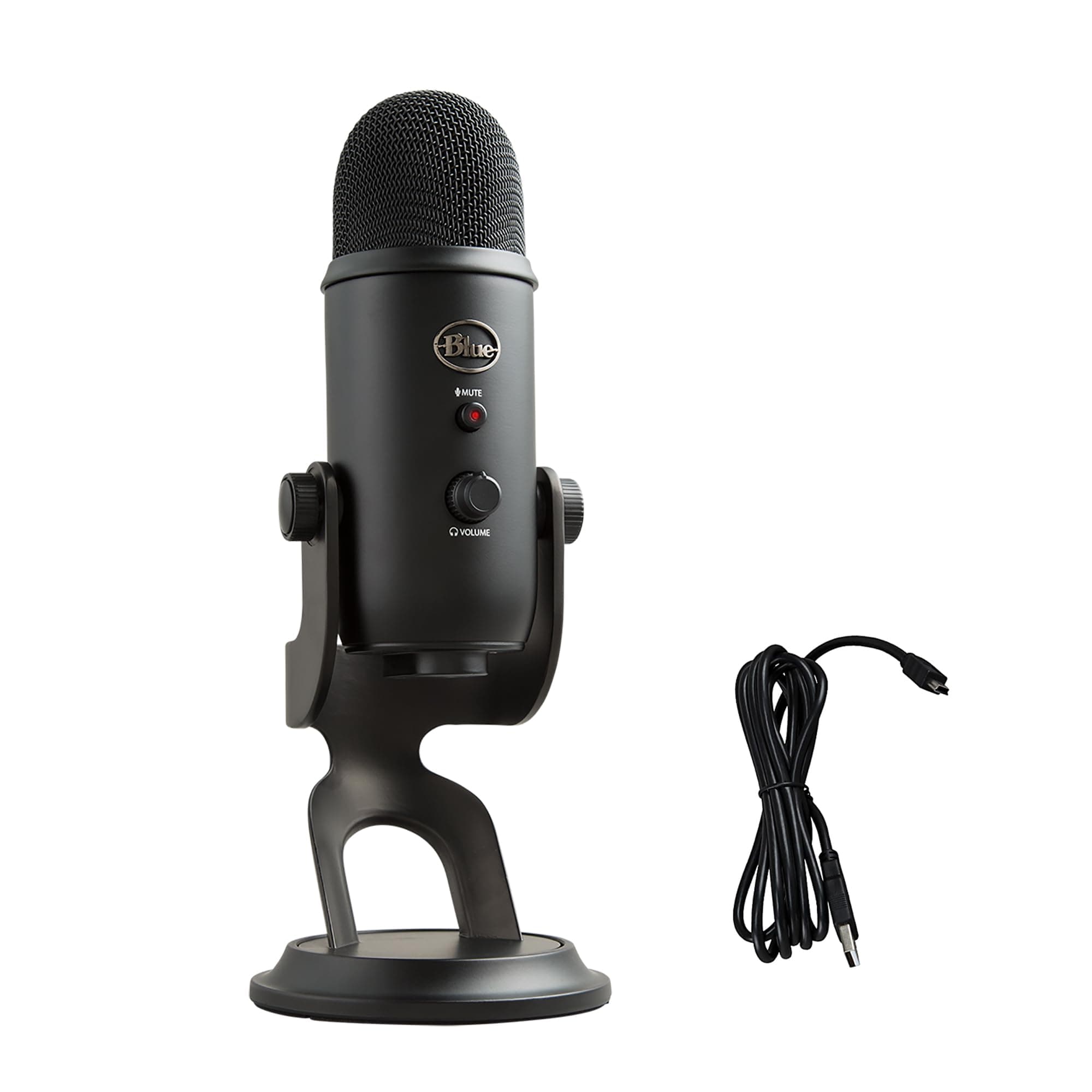
Logitech for CreatorsThe Blue Yeti's multi-pattern support allows for easy switching between cardioid, omnidirectional, bidirectional, and stereo modes, ideal for varied recording situations.
For a first-time streamer or gamer on a budget
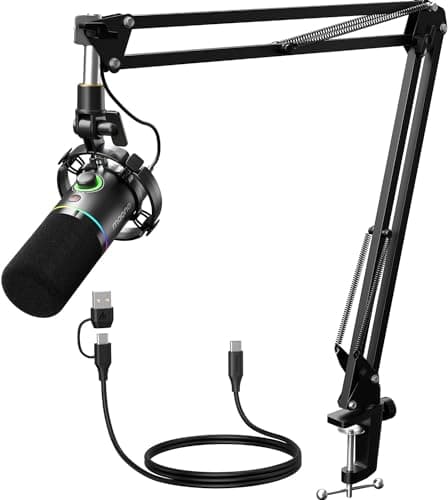
MAONOThe MAONO PD200XS comes with a boom arm, shock mount, and USB cable, offering a complete setup for only $79.99, providing excellent value.
For professional studio integration via audio interface
MAONOThe PD200XS features both USB and XLR connection types, allowing seamless integration with professional audio mixers and interfaces in addition to direct computer use.
For capturing a wide range of frequencies, including deep bass
Logitech for CreatorsThe Blue Yeti offers a wider frequency response of 20-20000Hz, ensuring better capture of very low and high-end sounds compared to the PD200XS's 40-16000Hz.
Who Should Buy Which?
Find the right product for your needs

Buy Logitech for Creators if...
Logitech Creators Blue Yeti
The Logitech Blue Yeti is ideal for content creators who value maximum versatility and a trusted brand reputation for robust audio. This buyer might be a musician recording acoustic instruments, a podcaster conducting multi-person interviews, or a voice artist needing different pickup patterns for varied effects (e.g., ASMR). They prioritize the flexibility of the multi-pattern support and the wider 20-20000Hz frequency response for capturing a broader sonic palette, even if it means paying $91.99 and supplying their own boom arm. This user likely appreciates the onboard controls for gain, volume, and mute, along with zero-latency monitoring for a streamlined recording experience. They aren't strictly budget-constrained and might already have existing desk mounts or prefer the classic desktop stand. What they're giving up is the dual USB/XLR connectivity and the included boom arm of Product B, which they may not need due to existing gear or a preference for simpler USB connection.
Buy MAONO if...
MAONO XLR/USB Dynamic Microphone
The MAONO PD200XS is the perfect choice for the aspiring streamer, gamer, or podcaster on a budget who needs a complete, high-performing setup straight out of the box. This buyer is looking for an easy entry into content creation, prioritizing value, convenience, and effective voice capture. At $79.99, the inclusion of a boom arm, shock mount, and USB cable is a significant draw, eliminating the need for separate purchases. They'll appreciate the dual USB/XLR connectivity, offering immediate plug-and-play ease with USB and a clear upgrade path to professional audio interfaces using XLR. The cardioid polar pattern is ideal for their use case, focusing on their voice and minimizing background noise during live sessions. They might not need the multi-pattern versatility or the extended frequency range of a more expensive microphone, focusing instead on clear, consistent audio for their audience. They're foregoing the Logitech brand's multi-pattern options and slightly wider frequency response, which aren't critical for their primary use as a dedicated voice microphone.
Spec Comparison
12 specs compared
| Specification | 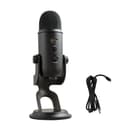 | 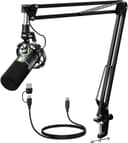 |
|---|---|---|
| Price | $92 | $80 |
| Rating | 4.6(60.9k) | 4.6(1.9k) |
| Sample Rate | 48 kHz | 48 kHz |
| Bit Depth | 16 | — |
| Connection | USB | USB/XLR |
| Polar Pattern | multi-pattern | Cardioid |
| Zero-Latency | Yes | Yes |
| Weight | 3.51 lbs | — |
| Mute Button | Yes | Yes |
| Gain Control | Yes | Yes |
| Software | Blue VOICE software | MAONO Link |
| Headphone Out | Yes | Yes |
| Freq. Response | 20Hz - 20kHz | 40Hz - 16kHz |
| Model Number | — | PD200XS |
Swipe horizontally to see all columns
Pros & Cons
Quick overview of strengths and weaknesses
Logitech for Creators Logitech Creators
- Multi-pattern support adapts to recording needs
- Onboard controls for gain, volume, and mute
- Zero-latency headphone monitoring built-in
- USB connection ensures simple plug-and-play
- 3.51 lb weight is heavy for a desktop unit
- Audio capture limited to 16-bit depth
MAONO XLR/USB Dynamic
- Dual USB/XLR outputs for varied setups.
- Software enables EQ, limiter, and compressor control.
- Cardioid pattern reduces ambient noise effectively.
- Integrated gain and headphone volume knob.
- Software audio features only work in USB mode.
- XLR connection cable is not included with purchase.
- Frequency response tops out at 16kHz.
Frequently Asked Questions
Common questions about this comparison
What are the main differences in connectivity?
The Logitech Blue Yeti connects via USB. The MAONO PD200XS offers dual USB/XLR connectivity, providing more flexibility for different audio setups, from plug-and-play to professional interfaces.
Which microphone is better for reducing background noise?
The MAONO PD200XS primarily uses a cardioid polar pattern, which excels at isolating sound directly in front of the mic, making it very effective for reducing ambient noise in typical streaming setups.
Do either of these microphones include additional accessories?
The MAONO PD200XS is a kit that includes a boom arm, shock mount, and USB cable. The Logitech Blue Yeti, at $91.99, typically includes only the microphone and its desktop stand.
What software features do these microphones offer?
The Blue Yeti uses Blue VOICE software for vocal sound enhancement. The MAONO PD200XS utilizes MAONO Link software, providing EQ, limiter, and compressor controls when used in USB mode.
Is there a difference in audio frequency range?
Yes, the Blue Yeti has a frequency response of 20Hz-20000Hz. The MAONO PD200XS has a narrower range of 40Hz-16000Hz, though still suitable for most vocal applications.
Which microphone offers more polar pattern options?
The Logitech Blue Yeti is a multi-pattern microphone, offering cardioid, omnidirectional, bidirectional, and stereo modes. The MAONO PD200XS uses a single cardioid polar pattern.
Related Comparisons
Similar products people compare
Explore Other Categories
Popular comparisons across the site



Ask AI
Get instant answers about specs
Get the Deets
Ask our AI assistant
Ask Deets anything!