Our Verdict
MAONO PD200XS Wins
Priced at $79.99, it delivers excellent value with dual USB/XLR connection options and includes a boom arm, making it highly adaptable for diverse streaming or recording setups. Both microphones provide a 48kHz sample rate and zero-latency monitoring, but the HyperX QuadCast 2 offers versatile multi-pattern capture and an explicit 24-bit depth for slightly superior audio capture flexibility and fidelity. The HyperX is the better pick for users who prioritize varied polar patterns and top-tier fidelity over budget and accessory inclusions.
Bottom Line: MAONO PD200XS is the better choice. Priced at $79.
In-Depth Analysis
How they compare in practice
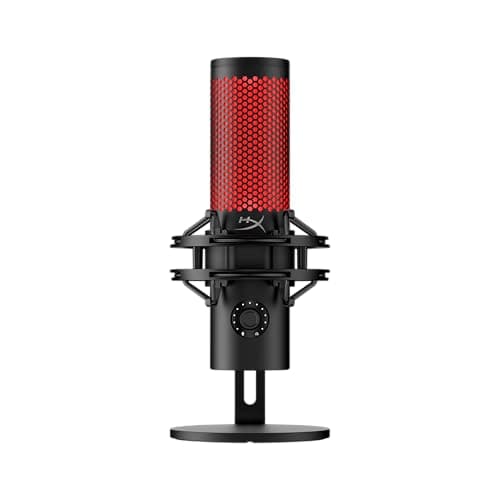
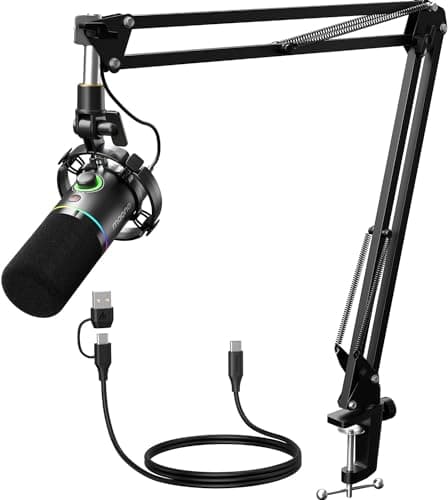
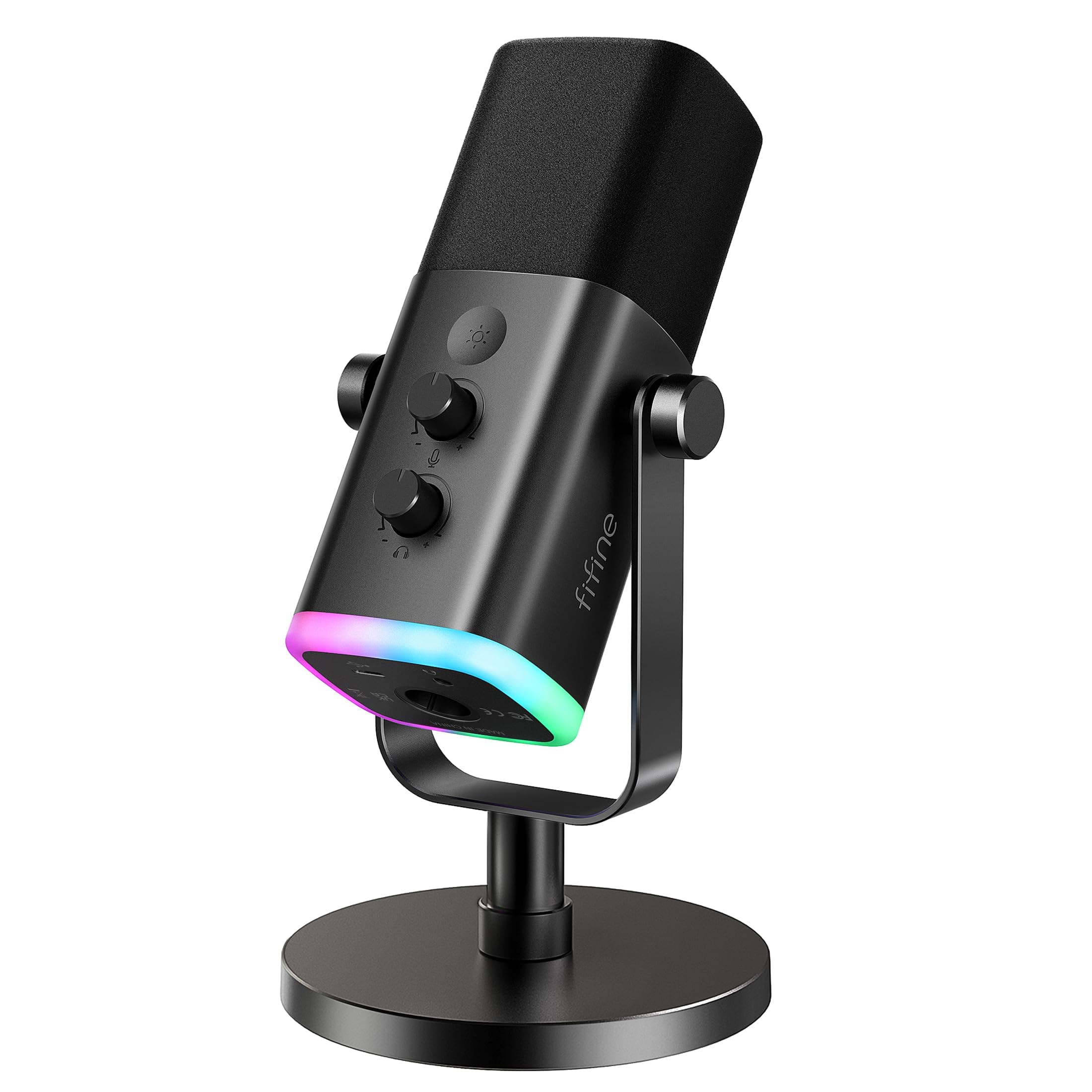
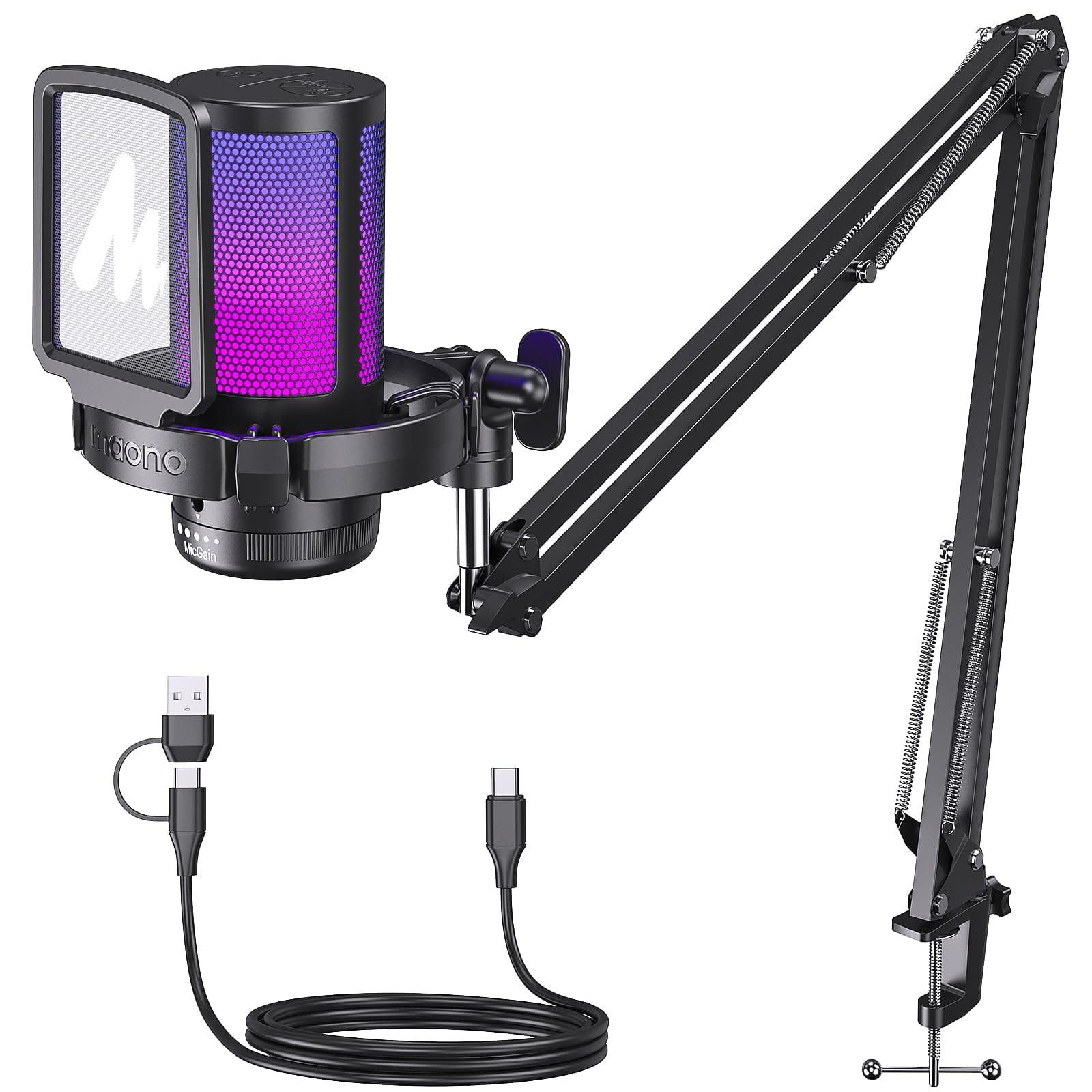
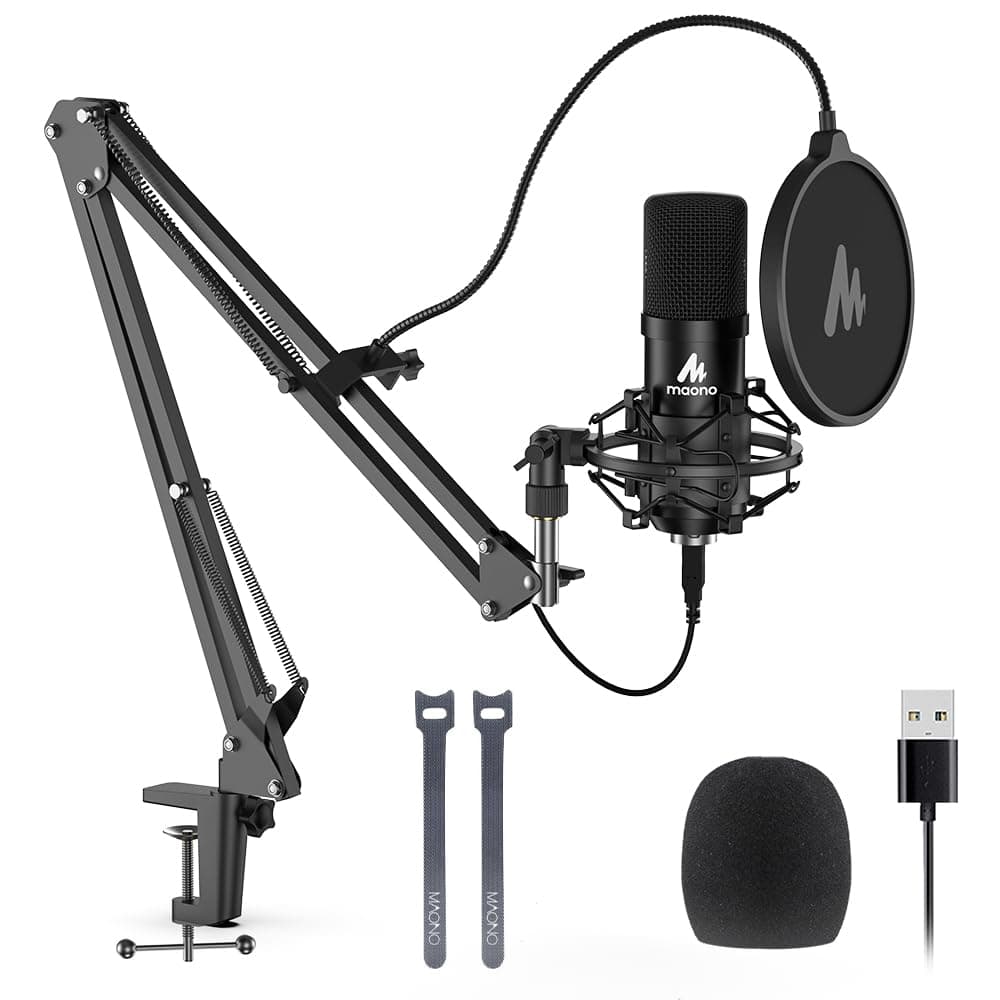
The HyperX QuadCast 2 and MAONO PD200XS target similar audiences of gamers, streamers, and podcasters, yet offer distinct value propositions in their designs and features. The most striking difference lies in connectivity and included accessories. The MAONO PD200XS, at $79.99, stands out with its dual USB/XLR output, providing greater flexibility for users who might start with USB and later transition to an audio interface for enhanced control. Crucially, it comes with a robust boom arm and shock mount, offering an immediate, professional desk setup without extra purchases. In contrast, the $114.99 HyperX QuadCast 2 is a USB-C only device, requiring separate purchase of a boom arm for optimal positioning, although it does feature an integrated shock mount.
Audio quality presents a nuanced trade-off. Both microphones boast a 48kHz sample rate and zero-latency monitoring, essential for clear recordings and real-time feedback. However, the HyperX explicitly offers a 24-bit depth and a broader frequency response of 20Hz-20kHz, suggesting a wider dynamic range and the ability to capture more subtle audio details, particularly in the high-end. The MAONO's frequency response of 40Hz-16kHz is perfectly adequate for voice but might slightly lack the 'air' or richness found in the upper registers. Where the HyperX truly shines in audio capture is its multi-pattern capability (cardioid, bidirectional, omnidirectional, stereo), allowing unparalleled flexibility for various recording scenarios from solo streaming to interviews or group discussions.
The MAONO compensates for its narrower frequency range and single cardioid pattern with its MAONO Link software suite. This software provides onboard EQ, limiter, and compressor controls, enabling users to shape their sound directly via USB, a feature typically requiring external software or hardware. This is a significant advantage for beginners or those seeking a streamlined workflow. While both have physical gain and mute controls, MAONO's integrated headphone volume knob adds another layer of convenience. The HyperX relies on its superior raw capture capabilities, expecting users to apply software processing themselves. Ultimately, the MAONO offers a more complete, ready-to-produce package for the budget-conscious, while the HyperX caters to those prioritizing maximal audio capture flexibility and raw fidelity, willing to invest more for external accessories and software.
Which to Pick for Your Situation
Concrete scenarios with a clear recommendation
For new streamers on a tight budget needing an all-in-one solution
MAONOThe MAONO PD200XS costs only $79.99 and includes a boom arm and shock mount, providing a full setup out of the box.
For content creators requiring versatile audio capture patterns
HyperXThe HyperX QuadCast 2 features a multi-pattern polar pattern, allowing varied recording modes like cardioid, bidirectional, omnidirectional, and stereo.
For experienced audio enthusiasts using an XLR audio interface
MAONOThe MAONO PD200XS offers both USB and XLR connection types, allowing seamless integration with professional audio equipment.
For users wanting built-in audio processing without external software
MAONOThe MAONO PD200XS comes with MAONO Link software, enabling direct EQ, limiter, and compressor adjustments via USB.
Who Should Buy Which?
Find the right product for your needs

Buy HyperX if...
HyperX QuadCast 2 –
The HyperX QuadCast 2 is ideally suited for serious content creators, podcasters, and even aspiring musicians who demand exceptional audio fidelity and significant versatility in their recording setup. This buyer prioritizes raw sound quality and the ability to adapt their microphone to various acoustic environments and recording scenarios. They are willing to invest $114.99 and potentially more for a separate boom arm, understanding that the core microphone provides a superior foundation. The explicit 24-bit depth and wide 20Hz-20kHz frequency response are crucial for them, ensuring every vocal nuance or instrument detail is captured with clarity and a broad dynamic range. Furthermore, the HyperX QuadCast 2's multi-pattern polar pattern is a game-changer for this user. Whether conducting a face-to-face interview needing bidirectional capture, recording a group discussion with omnidirectional mode, or precisely isolating their voice in cardioid, this flexibility is paramount. They value the immediate on-board controls for gain and mute, along with zero-latency monitoring, for efficient workflow. While they forego the MAONO's included boom arm and integrated software processing, they are likely to either use their own preferred audio processing software or already possess an optimal mounting solution, focusing solely on the microphone's robust audio capture capabilities. This user values future-proofing their audio quality over an all-in-one budget solution.
Buy MAONO if...
MAONO XLR/USB Dynamic Microphone
The MAONO PD200XS is the perfect choice for the burgeoning streamer, gamer, or podcaster who needs a comprehensive and high-performing microphone solution without breaking the bank. This buyer is often budget-conscious, valuing an all-inclusive package that provides immediate functionality for $79.99. Their priorities include ease of setup, professional aesthetics, and reliable audio quality for voice-centric applications like commentary, communication, and basic recording. The inclusion of a boom arm, shock mount, and USB cable right in the box is a massive draw, eliminating the need for additional purchases and simplifying their initial setup. Crucially, the MAONO PD200XS’s dual USB/XLR connection offers a valuable upgrade path, allowing them to start with simple USB connectivity and later transition to an audio interface for more advanced control as their skills or needs evolve. The MAONO Link software suite further caters to this user, providing built-in EQ, limiter, and compressor functions. This means they can sculpt their sound for optimal clarity and presence directly from the microphone, without needing to invest in complex external software or hardware initially. While they might forego the HyperX's multi-pattern flexibility or its wider frequency response, their primary use case, typically solo vocal capture, is excellently served by the PD200XS’s effective cardioid pattern and robust feature set. This user seeks immediate value and a clear path for growth.
Spec Comparison
11 specs compared
| Specification | 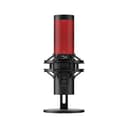 | 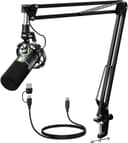 |
|---|---|---|
| Price | $115 | $80 |
| Rating | 4.7(36.4k) | 4.6(1.9k) |
| Sample Rate | 48 kHz | 48 kHz |
| Bit Depth | 24 | — |
| Connection | USB | USB/XLR |
| Polar Pattern | multi-pattern | Cardioid |
| Zero-Latency | Yes | Yes |
| Mute Button | Yes | Yes |
| Gain Control | Yes | Yes |
| Model Number | 872V1AA | PD200XS |
| Headphone Out | Yes | Yes |
| Freq. Response | 20Hz - 20kHz | 40Hz - 16kHz |
| Software | — | MAONO Link |
Swipe horizontally to see all columns
Pros & Cons
Quick overview of strengths and weaknesses
HyperX QuadCast 2
- Multi-pattern capture supports varied audio.
- 24-bit, 48kHz audio ensures high fidelity.
- Zero-latency monitoring output for headphones.
- Integrated shock mount reduces desk vibrations.
- Wired connection limits setup flexibility.
- LED lighting offers no recording utility.
MAONO XLR/USB Dynamic
- Dual USB/XLR outputs for varied setups.
- Software enables EQ, limiter, and compressor control.
- Cardioid pattern reduces ambient noise effectively.
- Integrated gain and headphone volume knob.
- Software audio features only work in USB mode.
- XLR connection cable is not included with purchase.
- Frequency response tops out at 16kHz.
Frequently Asked Questions
Common questions about this comparison
Does the HyperX QuadCast 2 offer different recording patterns?
Yes, the HyperX QuadCast 2 features a multi-pattern polar pattern, allowing you to switch between cardioid, bidirectional, omnidirectional, and stereo modes for various recording situations.
Can the MAONO PD200XS connect to an audio interface?
Absolutely. The MAONO PD200XS offers dual connectivity with both USB and XLR outputs. This allows for direct connection to a computer or integration with professional audio interfaces.
What is the bit depth of the HyperX QuadCast 2?
The HyperX QuadCast 2 captures audio at a 24-bit depth, paired with a 48kHz sample rate. This ensures high-fidelity sound with a wide dynamic range for clear recordings.
Does the MAONO PD200XS come with a boom arm?
Yes, the MAONO PD200XS kit includes a boom arm, a shock mount, and a USB cable. This provides a complete setup for streaming, gaming, or podcasting right out of the box.
How does the MAONO Link software enhance the PD200XS?
MAONO Link software provides onboard digital signal processing features like EQ, a limiter, and a compressor. This allows users to fine-tune their audio directly via the USB connection, optimizing sound quality for various applications.
Which microphone has a wider frequency response?
The HyperX QuadCast 2 has a wider frequency response of 20Hz-20kHz, capturing both deeper lows and higher highs. The MAONO PD200XS ranges from 40Hz-16kHz, suitable for voice but with less overall range.
Related Comparisons
Similar products people compare
Explore Other Categories
Popular comparisons across the site


Ask AI
Get instant answers about specs
Get the Deets
Ask our AI assistant
Ask Deets anything!