Our Verdict
Shure SM7B Wins
Its 24-bit depth offers superior audio quality over the Yeti's 16-bit. Choose the Yeti for multi-pattern versatility, USB plug-and-play, and built-in zero-latency monitoring.
Bottom Line: Shure SM7B is the better choice. Its 24-bit depth offers superior audio quality over the Yeti's 16-bit.
Key Differences
The most significant spec differences at a glance
Bit Depth
33% lessZero Latency Monitoring
100% moreHeadphone Output
100% moreWeight
108% moreAdvantages
Where each product wins

Logitech for Creators
- Zero Latency Monitoring: 100% higher (True vs False)
- Headphone Output: 100% higher (True vs False)

Shure
- Bit Depth: 33% higher (16 vs 24)
- Weight: 108% lower (3.51 vs 1.69)
Who Should Buy Which?
Find the right product for your needs

Buy Logitech for Creators if...
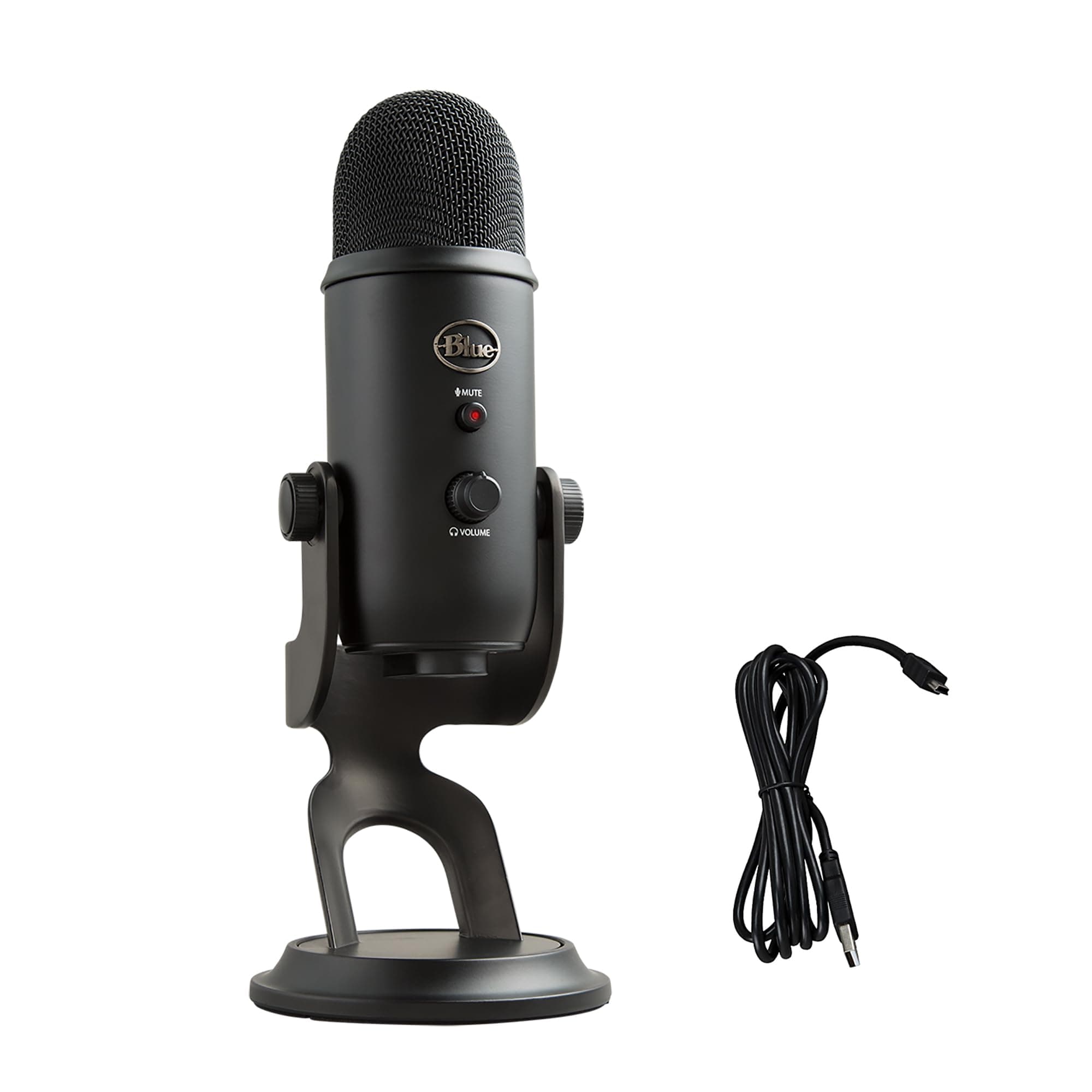
Logitech Creators Blue Yeti
The Logitech Blue Yeti is ideal for new or casual content creators, including gamers, streamers, YouTubers, and podcasters, who need an easy-to-use, versatile, and affordable microphone. They prioritize plug-and-play simplicity with a USB connection, built-in monitoring via zero-latency headphone output, and the flexibility of multiple polar patterns for various recording scenarios. Their budget is under $100, and they value convenience and functionality over top-tier professional audio fidelity, accepting a 16-bit depth for their creative needs.
Buy Shure if...
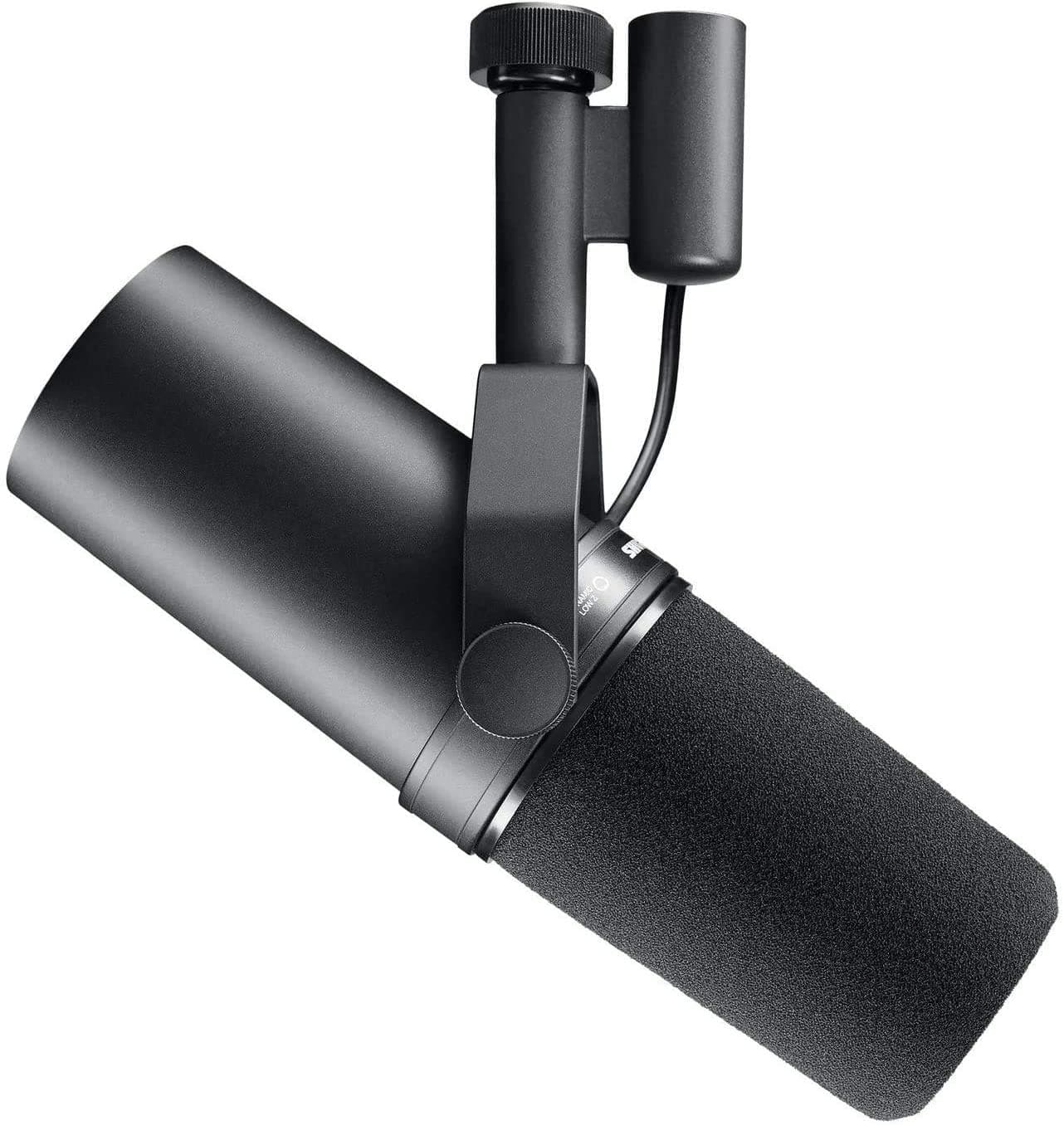
Shure SM7B Cardioid Dynamic
The Shure SM7B is perfect for serious podcasters, broadcasters, vocalists, or streamers seeking industry-standard, professional-grade audio quality and durability. They are willing to invest significantly more ($439.0) and already possess or plan to purchase an XLR audio interface/preamp. They prioritize pristine 24-bit audio capture, excellent off-axis rejection from its cardioid pattern, and a robust, iconic microphone known for its superior sound, even if it lacks USB connectivity or direct zero-latency monitoring features.
Spec Comparison
11 specs compared
| Specification | 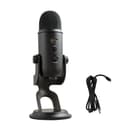 | 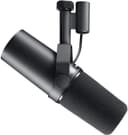 |
|---|---|---|
| Price | $92 | $395 |
| Rating | 4.6(60.9k) | 4.8(12.5k) |
| Sample Rate | 48 kHz | 48 kHz |
| Bit Depth | 16 | 24 |
| Connection | USB | XLR |
| Polar Pattern | multi-pattern | Cardioid |
| Zero-Latency | Yes | No |
| Weight | 3.51 lbs | 1.69 lbs |
| Mute Button | Yes | — |
| Gain Control | Yes | — |
| Software | Blue VOICE software | — |
| Headphone Out | Yes | No |
| Freq. Response | 20Hz - 20kHz | 50Hz - 20kHz |
Swipe horizontally to see all columns
Pros & Cons
Quick overview of strengths and weaknesses
Logitech for Creators Logitech Creators
- Multi-pattern support adapts to recording needs
- Onboard controls for gain, volume, and mute
- Zero-latency headphone monitoring built-in
- USB connection ensures simple plug-and-play
- 3.51 lb weight is heavy for a desktop unit
- Audio capture limited to 16-bit depth
Shure SM7B Cardioid
- Industry-standard broadcast quality
- Excellent off-axis rejection
- Built-in pop filter
- Requires preamp/interface
- Heavy for boom arms
- No USB option
Frequently Asked Questions
Common questions about this comparison
Which is better for professional studio recording?
The Shure SM7B (24-bit) offers industry-standard broadcast quality and superior sound depth, making it ideal for professional studios, despite requiring an XLR interface. The Blue Yeti (16-bit) is a versatile USB option, great for beginners or multi-person setups, but less refined for top-tier production.
What's the main difference in connection and ease of use?
The Logitech Blue Yeti connects via USB, offering simple plug-and-play setup and built-in controls. The Shure SM7B uses XLR, requiring an audio interface and preamp. This makes the Yeti significantly easier for direct desktop use, while the Shure is geared towards more advanced, dedicated audio setups.
How do the polar patterns compare?
The Blue Yeti features multi-pattern support (cardioid, omni, bi-directional, stereo), adapting to various recording needs like interviews or music. The Shure SM7B has a cardioid pattern, excelling at isolating a single voice and rejecting background noise, making it perfect for broadcast and vocals.
Which offers zero-latency monitoring?
The Logitech Blue Yeti includes a built-in headphone output for zero-latency monitoring, allowing you to hear your audio in real-time. The Shure SM7B does not have a headphone output; monitoring must be managed externally through your audio interface or mixer.
Does the bit depth difference matter for audio quality?
Yes. The Shure SM7B's 24-bit depth captures a wider dynamic range and finer audio detail compared to the Yeti's 16-bit. This results in richer, more professional-sounding recordings from the Shure, especially noticeable in critical listening or extensive post-production.
Related Comparisons
Similar products people compare
Explore Other Categories
Popular comparisons across the site



Ask AI
Get instant answers about specs
Get the Deets
Ask our AI assistant
Ask Deets anything!