Our Verdict
Dyson Purifier Cool PC1 (Product A) Wins
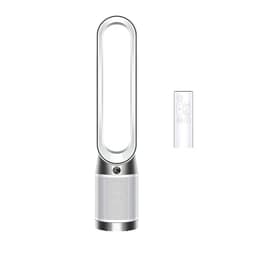
This model offers clearly defined and superior air purification capabilities, boasting a CADR of 76 for smoke and an effective coverage area of 400 sq ft, along with a HEPA H13 filter, for only $42 more than Product B. Its Wi-Fi connectivity and app control further enhance its value. Product B, the Dyson Purifier Cool Autoreact TP7A, is a better pick only for those prioritizing a slightly lower price point and automated cooling/sensing features, where quantifiable air purification performance is not a primary concern given its stated 0 CADR for smoke and unspecified coverage.
Bottom Line: Dyson Purifier Cool PC1 (Product A) is the better choice. This model offers clearly defined and superior air purification capabilities, boasting a CADR of 76 for smoke and an effective coverage area of 400 sq ft, along with a HEPA H13 filter, for only $42 more than Product B.
In-Depth Analysis
How they compare in practice
When comparing these two Dyson Purifier Cool models, the Dyson Purifier Cool PC1 (Product A) emerges as the significantly more capable air purification device, primarily due to its transparent and superior specifications. Product A clearly states a smoke CADR of 76 and an effective room coverage of 400 sq ft, ensuring that buyers know exactly what level of air cleaning they are receiving. Coupled with its HEPA H13 fully sealed filtration system that captures 99.97% of particles down to 0.3 microns, it provides robust and measurable air purification.
In contrast, the Dyson Purifier Cool Autoreact TP7A (Product B) presents a significant concern for anyone prioritizing actual air purification. Its listed `cadr_smoke` is 0, and its `coverage_sq_ft` is also 0. While it mentions a "360-degree filtration system" and "automatic air purification" with an "integrated air quality sensor," these features lack the measurable performance metrics critical for an effective air purifier. In real-world use, Product A will actively and measurably clean the air in a substantial living space, removing allergens, pollutants, and odors, while Product B's purification effectiveness for common indoor air quality issues remains unquantified and potentially negligible based on the provided data.
The user experience also differs. Product A offers advanced control options, including app and voice control, alongside remote air quality monitoring, giving users precise command and real-time insights into their air quality. Product B, while featuring automatic operation, doesn't offer the same level of granular control or remote data access. The price difference of approximately $42 is minor considering the substantial performance delta in air purification. For consumers seeking a genuine air purifier that also provides cooling, Product A represents a far better value proposition and delivers on its purification promises with concrete, verifiable specifications, whereas Product B's core purification capability is unsubstantiated by industry-standard metrics.
Key Differences
The most significant spec differences at a glance
Cadr Smoke
100% moreCoverage Sq Ft
100% moreAdvantages
Where each product wins

Dyson
- Cadr Smoke: 100% higher (76 vs 0)
- Coverage Sq Ft: 100% higher (400 vs 0)
Which to Pick for Your Situation
Concrete scenarios with a clear recommendation
For comprehensive air purification and cooling in a mid-sized room
DysonProduct A provides a concrete CADR of 76 for smoke and covers 400 sq ft, along with HEPA H13 filtration for superior air cleaning.
For advanced smart home integration and detailed air quality monitoring
DysonProduct A features app and voice control, plus remote air quality monitoring, offering greater user convenience and data.
For a cost-conscious buyer primarily seeking cooling with basic, unquantified air filtration
DysonProduct B is slightly cheaper and offers cooling airflow, but its air purification effectiveness is not measurable with a stated 0 CADR for smoke.
Who Should Buy Which?
Find the right product for your needs

Buy Dyson if...
Dyson Purifier Cool PC1,
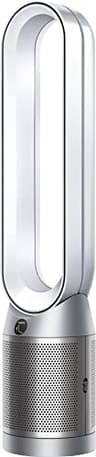
The ideal buyer for the Dyson Purifier Cool PC1 (Product A) is someone who prioritizes comprehensive, verifiable air purification along with effective cooling. This individual likely lives in a mid-sized apartment or an open-plan living area up to 400 sq ft and is concerned about indoor air quality, allergies, or odors. They need a device that can actively remove airborne particles, gases, and allergens, backed by concrete performance data like its 76 CADR for smoke and HEPA H13 filtration. They appreciate the convenience of modern technology, desiring Wi-Fi connectivity for app and voice control, allowing them to monitor air quality remotely and adjust settings from anywhere. While the price point of $453.86 is an investment, they see the value in paying a bit more for superior, measurable performance and advanced features. They are willing to forgo the slightly lower initial cost of Product B for the peace of mind and control that Product A offers over their home's air quality.
Buy Dyson if...
Dyson Purifier Cool™ Autoreact
The Dyson Purifier Cool Autoreact TP7A (Product B) is best suited for a buyer who primarily seeks a stylish, multi-functional cooling fan with integrated air quality sensing, and for whom quantifiable air purification performance is not the absolute top priority. This user might appreciate the automatic air purification feature and integrated sensor for basic environmental monitoring, without needing to delve into specific CADR ratings or coverage areas. Their budget is slightly tighter, favoring the $411.55 price point for a Dyson branded device that provides oscillation and automatic operation. They are looking for a device that seamlessly blends into their home decor and offers general air circulation with an added layer of filtration, rather than a highly specialized air purifier. They are comfortable sacrificing detailed app control, voice command features, and specific air cleaning metrics like a smoke CADR of 76 and a 400 sq ft coverage area, in favor of a simpler, slightly more affordable Dyson experience primarily focused on cooling and basic air sensing.
Spec Comparison
6 specs compared
| Specification | 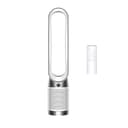 | 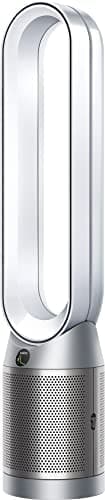 |
|---|---|---|
| Price | $454 | $412 |
| Rating | 4.4(141) | 4.4(170) |
| Cadr Smoke | 76 | 0 |
| Coverage Sq Ft | 400 | 0 |
| Filter Type | HEPA H13 | — |
| Model Number | TP11 | — |
| Smart Sensor | Yes | Yes |
| WiFi | Yes | — |
Swipe horizontally to see all columns
Pros & Cons
Quick overview of strengths and weaknesses
Dyson Purifier Cool
- Captures 99.97% particles down to 0.3 microns.
- Activated carbon filter removes gases and odors.
- HEPA H13 fully sealed filtration system.
- Projects 76 gallons/sec airflow for cooling.
- Low smoke CADR of 76 for 400 sq ft coverage.
- Requires extended operation for full room purification.
Dyson Purifier Cool™
- Automatic air purification
- Provides cooling airflow
- 360-degree filtration system
- User selects direct or diffused airflow
- Zero CADR rating for smoke
- No specified room coverage area
Frequently Asked Questions
Common questions about this comparison
Which Dyson purifier offers better smoke removal?
Product A, the Dyson Purifier Cool PC1, specifies a CADR of 76 for smoke. Product B has a stated CADR of 0 for smoke, indicating no measurable removal by this metric.
What is the effective room coverage for these purifiers?
The Dyson Purifier Cool PC1 (Product A) is rated to cover up to 400 sq ft. Product B, the Autoreact TP7A, does not specify a room coverage area in its specifications.
Does either model offer smart home integration?
Yes, Product A (Dyson Purifier Cool PC1) is Wi-Fi enabled and offers app and voice control, along with remote air quality monitoring. Product B features smart sensors for automatic operation.
What type of filter do these Dyson models use?
Product A (PC1) features a HEPA H13 fully sealed filtration system which captures 99.97% of particles down to 0.3 microns. Product B mentions a 360-degree filtration system.
Is there a significant price difference between these two Dyson purifiers?
Product A is priced at $453.86, while Product B is $411.55. Product A is about $42 more, offering superior, quantified purification capabilities.
Related Comparisons
Similar products people compare
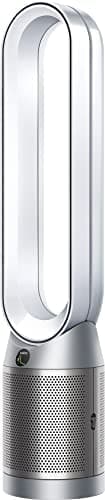
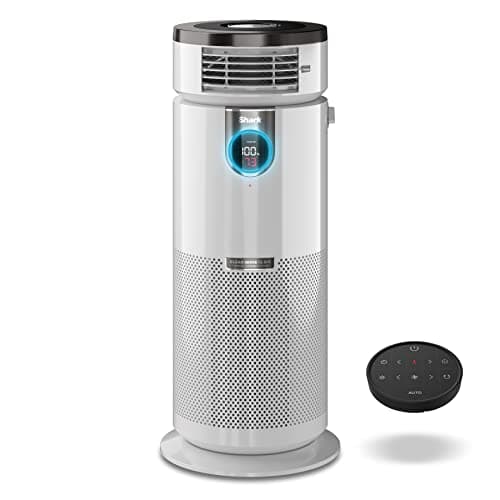
Dyson vs Shark
$412 vs $320
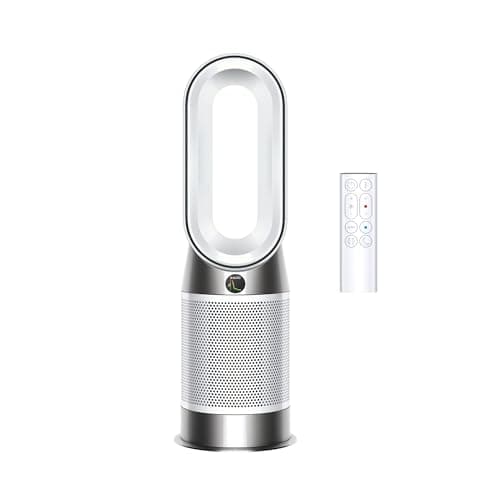
Dyson vs Dyson
$412 vs $364
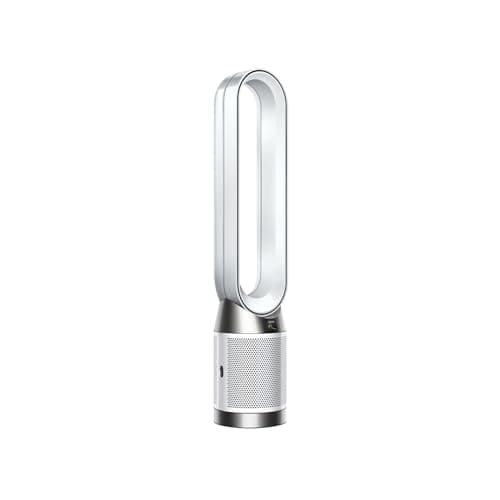
Dyson vs Dyson
$526 vs $412
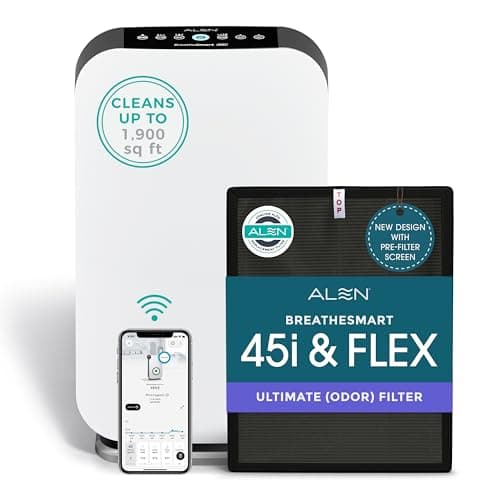
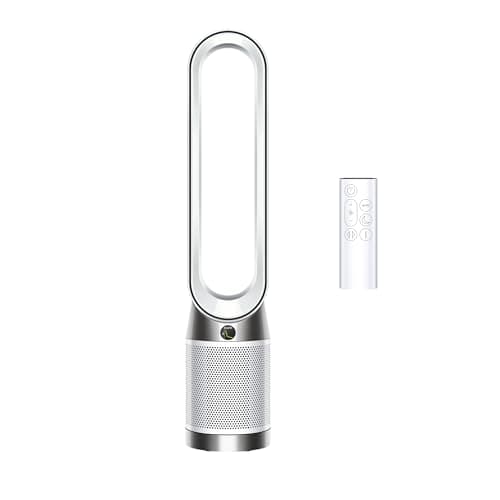
Alen vs Dyson
$479 vs $454
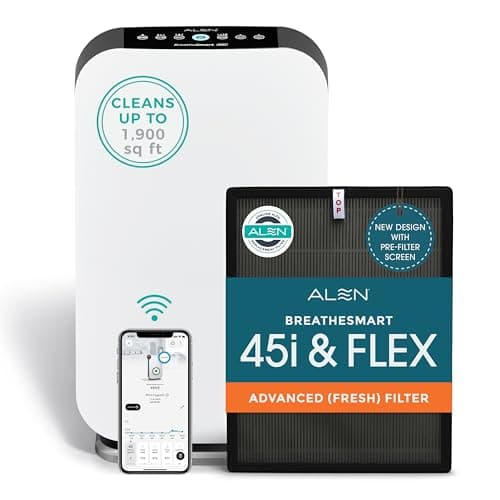
Alen vs Dyson
$464 vs $454
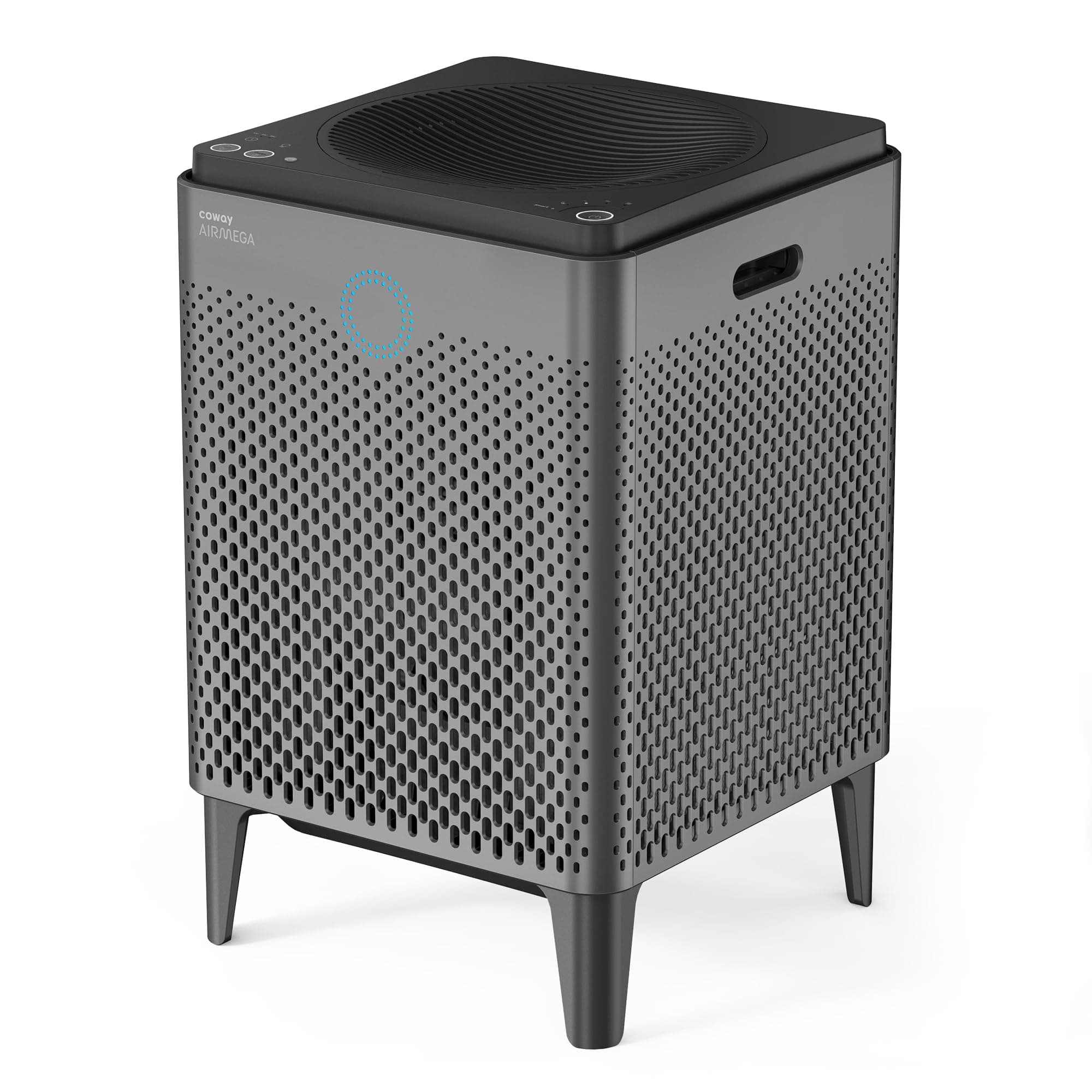
Coway vs Dyson
$749 vs $454
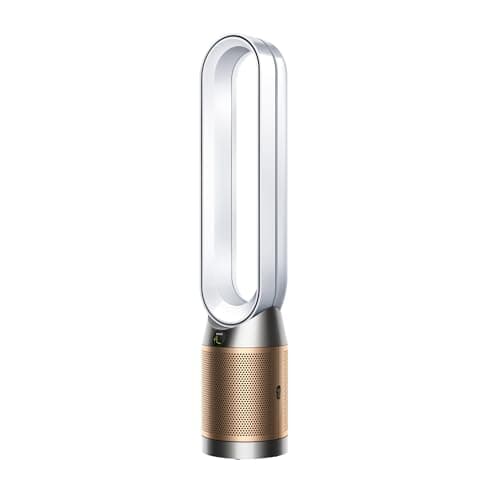
Dyson vs Dyson
$500 vs $454
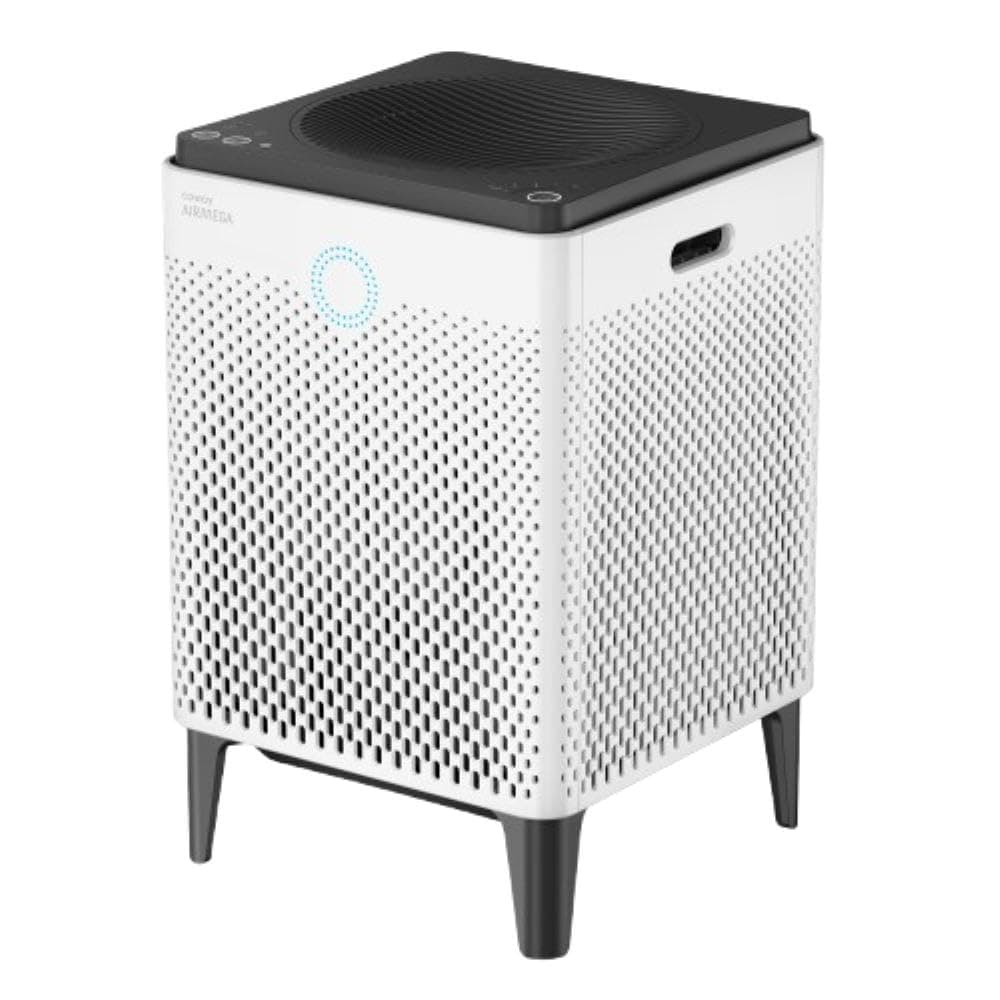
Coway vs Dyson
$649 vs $454
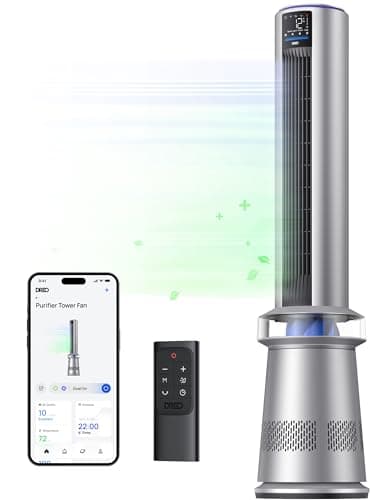
Dreo vs Dyson
$297 vs $412
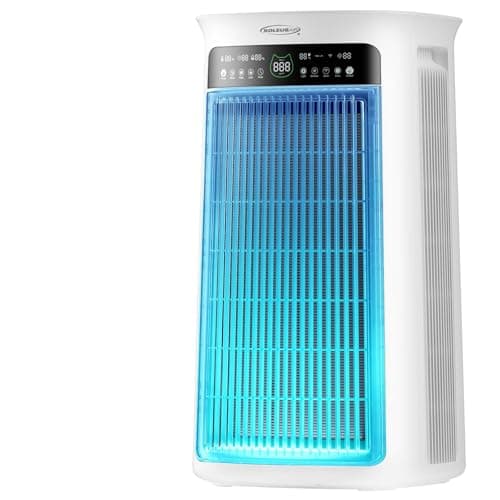
Soleus Air vs Dyson
$500 vs $454
Dyson vs Shark
$454 vs $327
Dyson vs Dyson
$412 vs $550
BLUEAIR vs Dyson
$320 vs $454
BLUEAIR vs Dyson
$345 vs $454
Alen vs Dyson
$404 vs $412
Explore Other Categories
Popular comparisons across the site



Ask AI
Get instant answers about specs
Get the Deets
Ask our AI assistant
Ask Deets anything!