Our Verdict
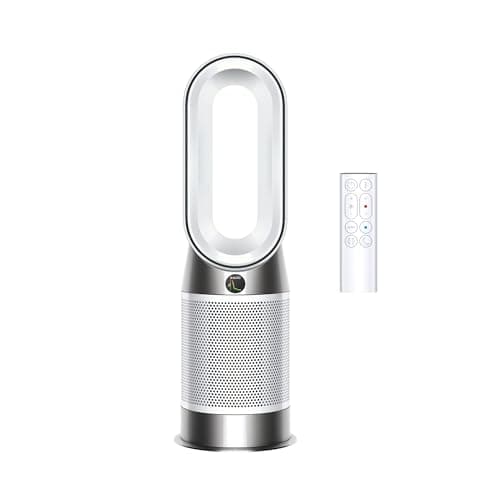
Dyson Purifier Hot+Cool Gen1 HP10 (Product B) Wins
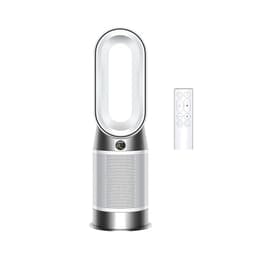
This model offers superior versatility as a three-in-one device, providing heating, cooling, and air purification, making it suitable for year-round use. Crucially, it comes at a more appealing price point of $363.99, a significant saving compared to Product A's $411.55. Product A, the Dyson Purifier Cool™ Autoreact TP7A, lacks the heating functionality and has a higher cost, making it a better pick only for those strictly prioritizing advanced cooling automation and specific airflow control over heating capabilities and budget.
Bottom Line: Dyson Purifier Hot+Cool Gen1 HP10 (Product B) is the better choice. This model offers superior versatility as a three-in-one device, providing heating, cooling, and air purification, making it suitable for year-round use.
In-Depth Analysis
How they compare in practice
The Dyson Purifier Cool™ Autoreact TP7A (Product A) and the Dyson Purifier Hot+Cool Gen1 HP10 (Product B) both offer advanced air purification and cooling, but their real-world utility diverges significantly. Product B stands out immediately with its heating functionality, transforming it into a true all-season climate control device. For households in climates with cold winters, the ability to warm a room with the same unit that purifies and cools in summer offers exceptional value and convenience, consolidating multiple appliances into one sleek Dyson design. This versatility is further enhanced by its 350-degree oscillation, ensuring wide air circulation whether heating, cooling, or purifying.
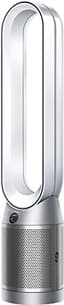
Product A, while lacking the heating element, emphasizes sophisticated automation with its "Autoreact" feature and integrated air quality sensor. This means it intelligently detects pollutants and adjusts its purification settings without user intervention, appealing to those who prefer a completely hands-off approach to air quality management. It also offers the unique flexibility of selecting direct or diffused airflow, allowing users to tailor the air stream to their immediate needs, whether for a personal cool breeze or general room circulation. However, the absence of specified CADR ratings or room coverage for both models makes direct performance comparison challenging, placing more emphasis on their additional features and value propositions.
From a value perspective, Product B clearly edges out Product A. At $363.99, it provides heating, cooling, and HEPA-standard purification, making it a more comprehensive solution for nearly $50 less than Product A. Product A's higher price of $411.55 can only be justified for consumers who place a premium on its specific airflow control and advanced autonomous purification, and who explicitly do not require or desire a heating function. The lack of Energy Star certification for Product B is a minor drawback, but its multi-season utility often outweighs this for many users, particularly considering its lower initial investment.
Key Differences
The most significant spec differences at a glance
Cadr Smoke
100% moreCoverage Sq Ft
100% moreAdvantages
Where each product wins
Dyson
- Cadr Smoke: 100% higher (0 vs -1)
- Coverage Sq Ft: 100% higher (0 vs -1)
Which to Pick for Your Situation
Concrete scenarios with a clear recommendation
For all-season climate control and air purification
DysonProduct B, the Hot+Cool Gen1 HP10, provides both heating and cooling functions in addition to purification, making it ideal for year-round use in varying climates.
For buyers on a tighter budget
DysonAt $363.99, Product B is more affordable than Product A's $411.55, offering more features for less money.
For hands-off, automatic air purification and cooling
DysonProduct A features "Autoreact" technology and an integrated air quality sensor for automatic adjustments, requiring minimal user intervention.
For wide air distribution and circulation
DysonProduct B offers 350-degree oscillation, providing more extensive air circulation compared to Product A's direct or diffused airflow options.
Who Should Buy Which?
Find the right product for your needs
Buy Dyson if...
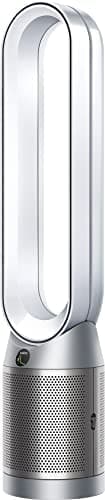
Dyson Purifier Cool™ Autoreact
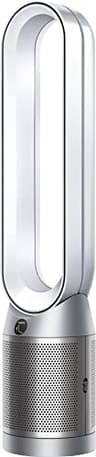
The Dyson Purifier Cool™ Autoreact TP7A is ideal for individuals who prioritize seamless, intelligent air purification and cooling above all else, and who are willing to invest a bit more for these advanced features. This buyer appreciates a device that works autonomously, with its "Autoreact" technology and integrated air quality sensor detecting pollutants and adjusting performance automatically, freeing them from manual intervention. They might live in an environment where consistent air quality is paramount, but heating is handled by existing systems or not needed. The ability to select between direct and diffused airflow is a key draw, offering personalized comfort whether they need a focused stream for immediate cooling or gentle, widespread circulation. They trust Dyson's engineering for effective purification and are not deterred by the lack of explicit CADR or coverage area specifications, focusing instead on the smart, adaptive nature of the product. They are comfortable with the $411.55 price for its specific automated cooling and purification capabilities, foregoing the heating functionality for a more specialized experience.

Buy Dyson if...
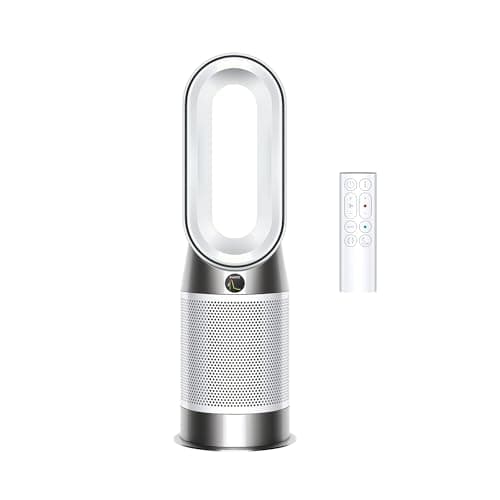
Dyson Purifier Hot+Cool Gen1
The Dyson Purifier Hot+Cool Gen1 HP10 is perfectly suited for the pragmatic buyer seeking a versatile, multi-functional home appliance that delivers year-round comfort and air quality improvement without breaking the bank. This individual values efficiency and prefers consolidating heating, cooling, and purification into one sleek unit, making it an excellent choice for smaller living spaces or supplementary climate control. A family with distinct seasonal temperature changes would particularly appreciate its ability to heat rooms in winter and cool them in summer, coupled with HEPA standard filtration for cleaner air. They don't mind the absence of smartphone app control, as they prioritize the robust 350-degree oscillation for wide air circulation and the convenience of an auto-off timer for energy management. At $363.99, this buyer is getting significant value, sacrificing advanced automation or specific airflow direction control for comprehensive, adaptable environmental management that addresses a broader range of needs throughout the year.
Spec Comparison
5 specs compared
| Specification | 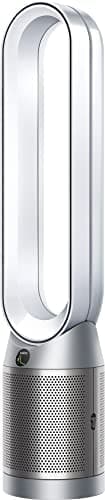 | 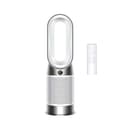 |
|---|---|---|
| Price | $412 | $364 |
| Rating | 4.4(170) | 4.4(919) |
| Cadr Smoke | 0 | -1 |
| Coverage Sq Ft | 0 | -1 |
| Smart Sensor | Yes | — |
| Energy Star | — | No |
| Filter Type | — | HEPA |
Swipe horizontally to see all columns
Pros & Cons
Quick overview of strengths and weaknesses
Dyson Purifier Cool™
- Automatic air purification
- Provides cooling airflow
- 360-degree filtration system
- User selects direct or diffused airflow
- Zero CADR rating for smoke
- No specified room coverage area
Dyson Purifier Hot+Cool
- HEPA standard sealed filtration captures pollutants.
- Heats rooms in winter, cools in summer.
- 350-degree oscillation for wide air circulation.
- Includes auto-off timer: 1, 2, 4, 8 hours.
- No smartphone app for remote control.
- Not Energy Star certified.
- CADR and coverage area not specified.
Frequently Asked Questions
Common questions about this comparison
Can either Dyson purifier heat a room?
Only the Dyson Purifier Hot+Cool Gen1 HP10 (Product B) includes a heating function, making it a versatile device for all seasons. Product A solely provides cooling and purification.
Which product is more budget-friendly?
The Dyson Purifier Hot+Cool Gen1 HP10 (Product B) is more affordable at $363.99, offering a better value proposition compared to Product A's price of $411.55.
Do these purifiers have smartphone app control?
Product B explicitly states no smartphone app control. Product A mentions a smart sensor but does not list app connectivity, implying it also lacks this feature.
What kind of filtration do these units use?
Product B specifies HEPA standard sealed filtration. Product A features a 360-degree filtration system, which typically includes HEPA and activated carbon, for comprehensive air purification.
Is room coverage or CADR provided for these models?
Neither Product A nor Product B explicitly specifies a CADR rating for smoke or a recommended room coverage area in their provided specifications, which is an important consideration.
Related Comparisons
Similar products people compare
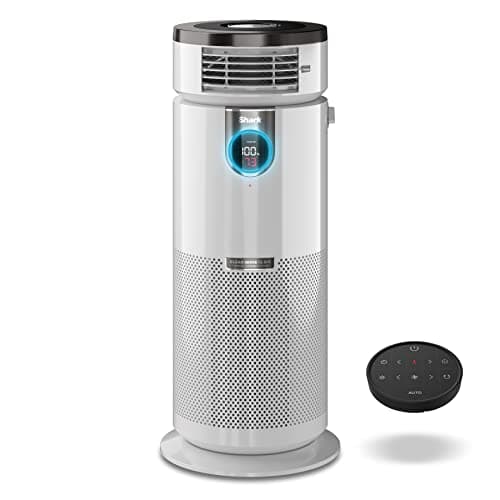
Dyson vs Shark
$364 vs $320
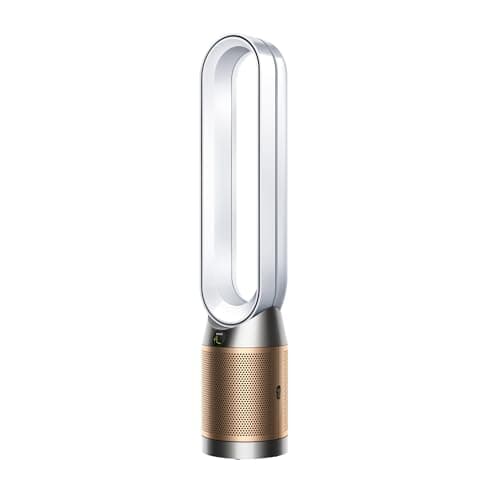
Dyson vs Dyson
$500 vs $364
Dyson vs Shark
$412 vs $320
Dyson vs Dyson
$364 vs $579
Dyson vs Dyson
$526 vs $412
Dyson vs Dyson
$526 vs $364
Dreo vs Dyson
$297 vs $412
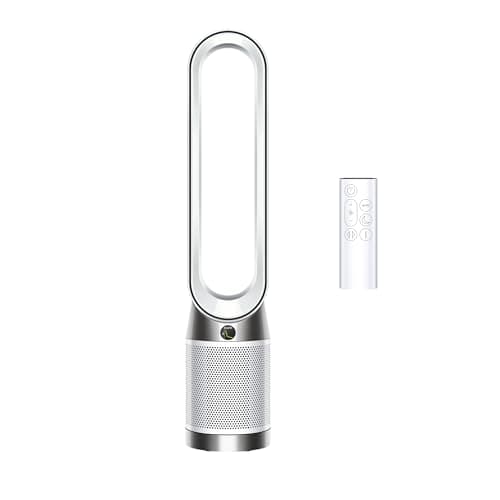
Dyson vs Dyson
$454 vs $412
Dyson vs Dyson
$412 vs $550
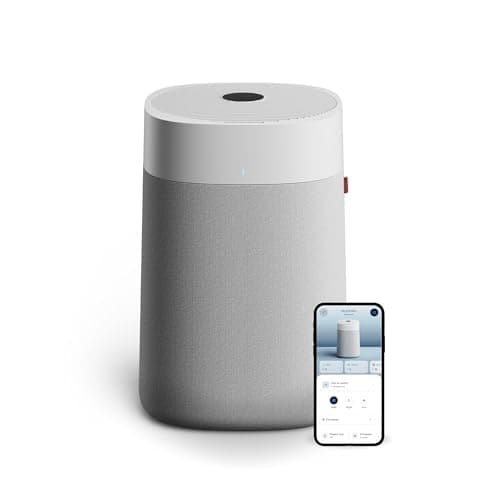
BLUEAIR vs Dyson
$320 vs $364
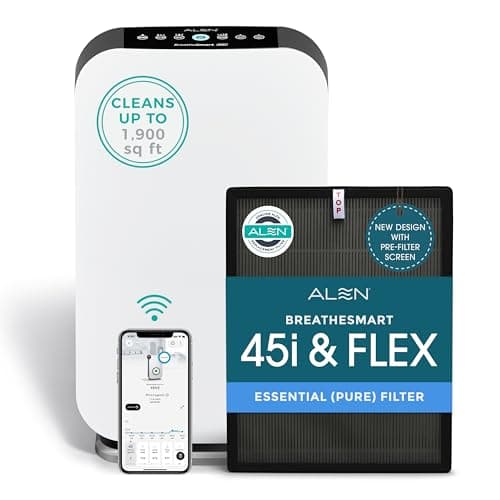
Alen vs Dyson
$404 vs $412
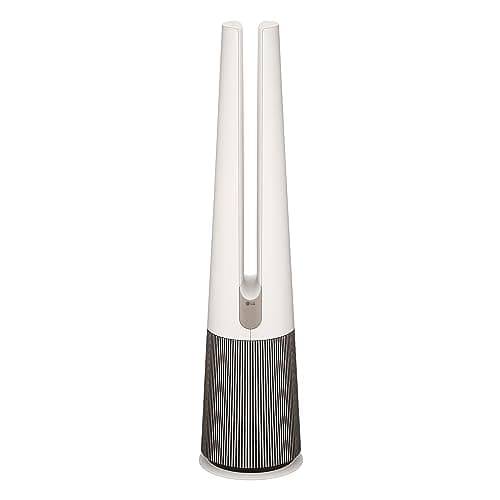
Dyson vs LG
$412 vs $450
Dyson vs LG
$364 vs $450
Coway vs Dyson
$399 vs $364
Alen vs Dyson
$313 vs $364
Explore Other Categories
Popular comparisons across the site



Ask AI
Get instant answers about specs
Get the Deets
Ask our AI assistant
Ask Deets anything!