Our Verdict
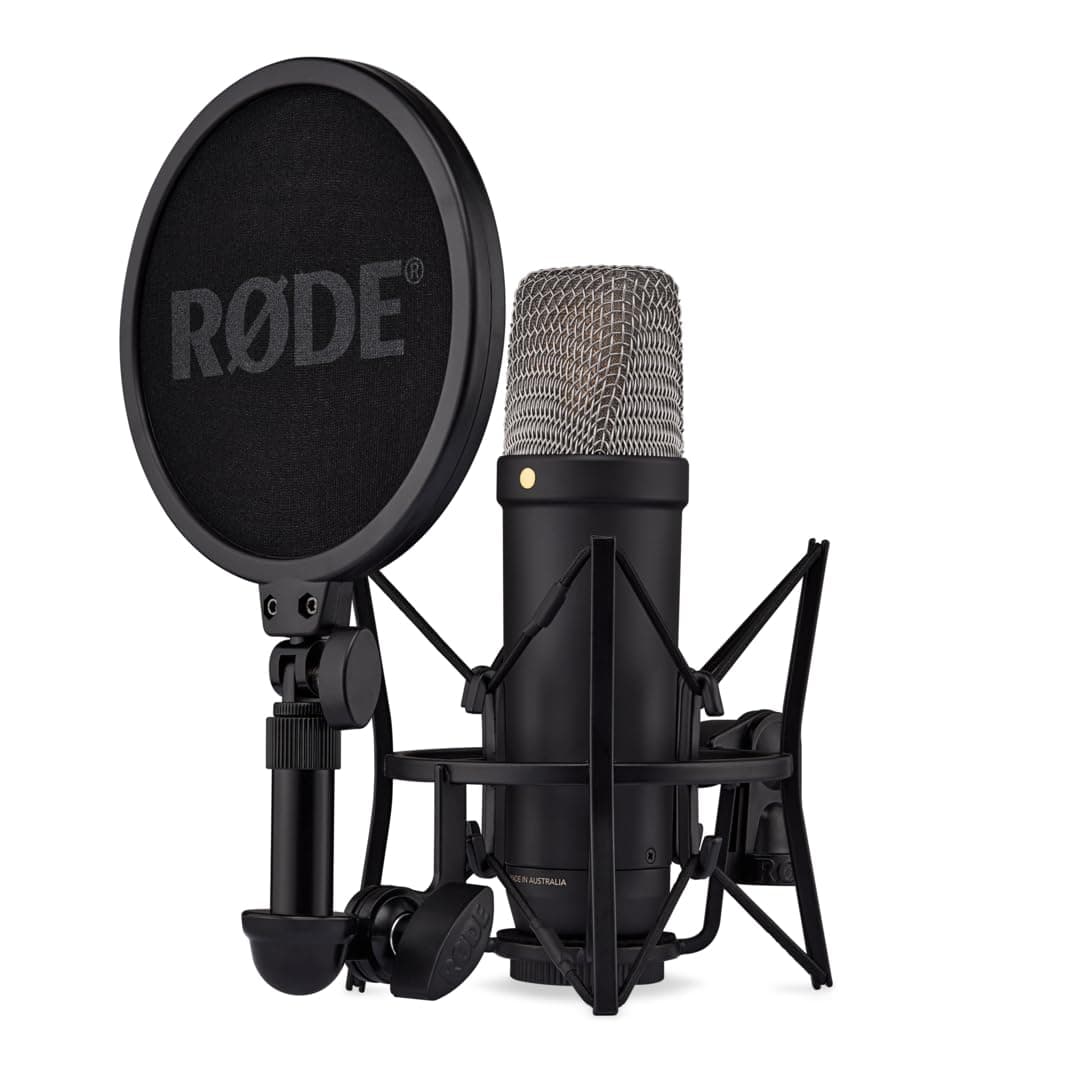
Rode NT1 5th Generation Wins
The Rode NT1 delivers superior audio fidelity with its 192kHz sample rate, significantly higher than the Shure MV7+'s 48kHz, making it ideal for high-resolution music and vocal recording. The Shure MV7+ becomes the better pick for live streamers and podcasters prioritizing integrated digital features, such as Voice Isolation Tech and Auto Level Mode, and OBS certification for real-time broadcast quality.
Bottom Line: Rode NT1 5th Generation is the better choice. The Rode NT1 delivers superior audio fidelity with its 192kHz sample rate, significantly higher than the Shure MV7+'s 48kHz, making it ideal for high-resolution music and vocal recording.
In-Depth Analysis
How they compare in practice
The Rode NT1 5th Generation and Shure MV7+ represent different philosophies in hybrid USB/XLR microphones. The Rode NT1 emphasizes pristine audio capture, boasting an impressive 192kHz sample rate and extremely low self-noise. In real-world use, this translates to recordings with exceptional detail and clarity, making it a standout choice for musicians, vocalists, and audio engineers who demand the highest fidelity from their source material. Its dual USB/XLR outputs provide flexibility, connecting directly to a computer for convenience or to a professional audio interface for studio-grade signal paths. However, it offers no included software suite, placing the onus on the user for post-processing.
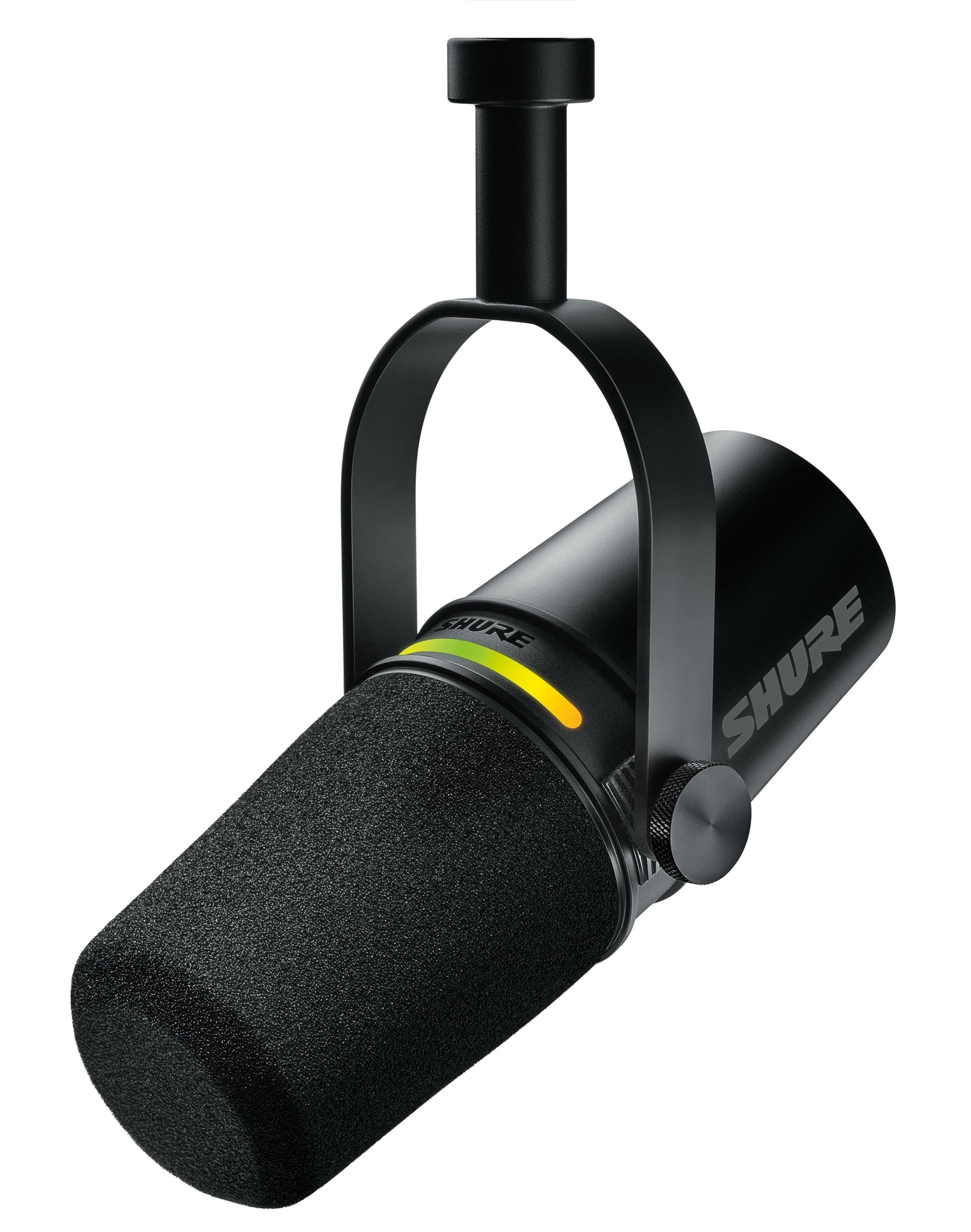
Conversely, the Shure MV7+ is engineered with the modern content creator, streamer, and podcaster in mind. While its 48kHz sample rate is standard for vocal applications, its true power lies in its advanced digital processing capabilities. Features like Voice Isolation Tech and Auto Level Mode, coupled with OBS certification, transform raw audio into broadcast-ready sound directly from the microphone. The MOTIV MIX App provides intuitive control over digital effects, pop filtering, and tone. This means less time tweaking settings and more time creating, a significant advantage for live situations. Its heavier build at 1.92 lbs compared to the Rode's 0.68 lbs, along with the reliance on the app for full feature control, presents a different user experience.
The trade-off is clear: the Rode NT1 offers superior raw audio quality and resolution at a more accessible price point, demanding more from the user in terms of external processing. The Shure MV7+ provides an all-in-one, highly managed audio solution for vocal content, prioritizing ease of use and immediate polish, albeit at a higher price and with less raw fidelity. For those focused on music production, the Rode’s 192kHz conversion is a significant draw. For streamers wanting consistent, clean speech with minimal fuss, the Shure’s integrated intelligence is invaluable.
Key Differences
The most significant spec differences at a glance
Sample Rate
300% moreWeight
65% lessAdvantages
Where each product wins

Rode
- Sample Rate: 300% higher (192.0 vs 48.0)
- Weight: 65% lower (0.68125 vs 1.92)
Which to Pick for Your Situation
Concrete scenarios with a clear recommendation
For Professional Music Production
RodeThe Rode NT1's 192kHz sample rate provides superior audio resolution for capturing detailed instrument and vocal performances, crucial for high-fidelity music tracks.
For Dedicated Live Streaming and Podcasting
ShureThe Shure MV7+'s OBS certification, Voice Isolation Tech, and Auto Level Mode ensure consistent, clean speech tailored for live broadcasts and podcasts with minimal effort.
For Creators Needing Intuitive Audio Controls and Effects
ShureThe Shure MV7+ features an LED panel, gain control, mute button, and the MOTIV MIX App for easy, real-time adjustments including digital pop filtering and reverb effects.
Who Should Buy Which?
Find the right product for your needs

Buy Rode if...
RØDE NT1
The Rode NT1 5th Generation is the ideal choice for serious musicians, vocalists, and audio producers who prioritize uncompromised audio fidelity and flexibility in their recording setup. This buyer values the microphone's extremely low self-noise and exceptional 192kHz A/D conversion, ensuring their recordings capture every nuance with pristine clarity. They likely have an existing audio interface or are comfortable with manual post-production processing, as the microphone doesn't come with an integrated software suite for effects. Their focus is on the raw quality of the capture, whether for intricate vocal performances, acoustic instruments, or professional voiceovers.
Buy Shure if...
MV7+
The Shure MV7+ is perfectly suited for content creators, streamers, and podcasters who need a robust, user-friendly microphone that delivers broadcast-ready audio with minimal effort. This buyer prioritizes convenience and consistent sound quality for live situations, valuing features like OBS certification and Voice Isolation Tech to ensure their voice cuts through clearly, even with ambient background noise. The Auto Level Mode and the MOTIV MIX App are game-changers for them, offering intuitive gain control and digital effects like reverb and a digital pop filter without complex audio engineering knowledge. They appreciate the visual feedback from the LED panel and the physical mute and gain controls.
Spec Comparison
7 specs compared
| Specification | 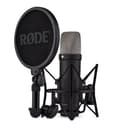 | 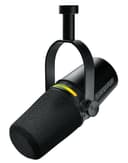 |
|---|---|---|
| Rating | 4.6(6.4k) | 4.7(4.0k) |
| Sample Rate | 192 kHz | 48 kHz |
| Connection | USB/XLR | USB/XLR |
| Polar Pattern | Cardioid | Cardioid |
| Weight | 0.68 lbs | 1.92 lbs |
| Software | None | MOTIV MIX APP |
| Mute Button | — | Yes |
| Gain Control | — | Yes |
Swipe horizontally to see all columns
Pros & Cons
Quick overview of strengths and weaknesses
Rode RØDE NT1
- XLR and USB outputs offer versatile connection
- USB output allows direct computer recording
- Extremely low self-noise for clean recordings
- High SPL handling suitable for loud sources
- No included software suite
- Fixed cardioid polar pattern
Shure MV7+
- OBS certified for streaming. Filters ambient noise.
- Voice Isolation Tech minimizes background audio.
- Auto Level Mode adjusts gain based on distance.
- Dual USB-C and XLR outputs for broad compatibility.
- Weighs 1.92 lbs, heavy for a desktop setup.
- Requires MOTIV MIX App for full feature control.
- No physical pop filter included.
Frequently Asked Questions
Common questions about this comparison
Which microphone offers higher audio resolution?
The Rode NT1 5th Generation offers a significantly higher sample rate of 192kHz, compared to the Shure MV7+'s 48kHz, providing more detailed audio capture for high-fidelity recordings.
Is one microphone better for reducing background noise?
Yes, the Shure MV7+ features Voice Isolation Tech specifically designed to minimize background ambient noise, which is beneficial for noisy environments during streaming or podcasting.
Do both microphones have both USB and XLR connectivity?
Yes, both the Rode NT1 5th Gen and the Shure MV7+ offer versatile dual connectivity options, featuring both USB (USB-C for Shure) and XLR outputs for broad compatibility with various setups.
Which microphone includes a software suite for control?
The Shure MV7+ comes with the MOTIV MIX App, offering digital pop filter, reverb effects, and Auto Level Mode. The Rode NT1 does not include a dedicated software suite.
What is the weight difference between the two microphones?
The Shure MV7+ is considerably heavier at 1.92 lbs, while the Rode NT1 5th Gen is much lighter at 0.68125 lbs, making the Rode more portable and easier to position on lighter stands.
Related Comparisons
Similar products people compare
Explore Other Categories
Popular comparisons across the site



Ask AI
Get instant answers about specs
Get the Deets
Ask our AI assistant
Ask Deets anything!