In-Depth Analysis
How they compare in practice
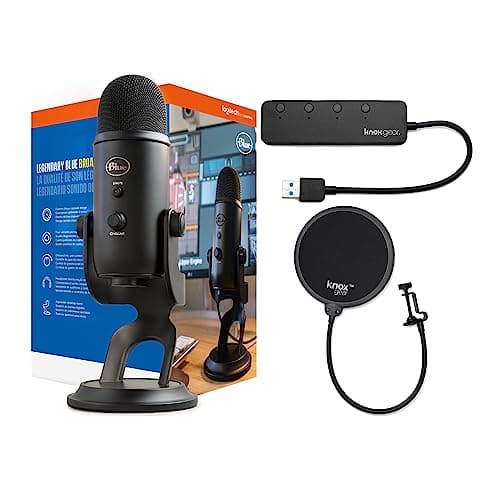
The Blue Yeti and Rode NT1 5th Generation cater to different segments of the recording market, distinguished by their core capabilities and price points. The Blue Yeti, renowned for its user-friendliness, excels as an accessible, multi-functional USB microphone. Its multi-pattern capability, offering both cardioid for single-person speech and omnidirectional for group discussions, makes it incredibly versatile for content creators who need to adapt to various recording situations without additional equipment. The integrated stand and zero-latency headphone monitoring further solidify its appeal as a complete, out-of-the-box solution for streamers, podcasters, and online communicators.
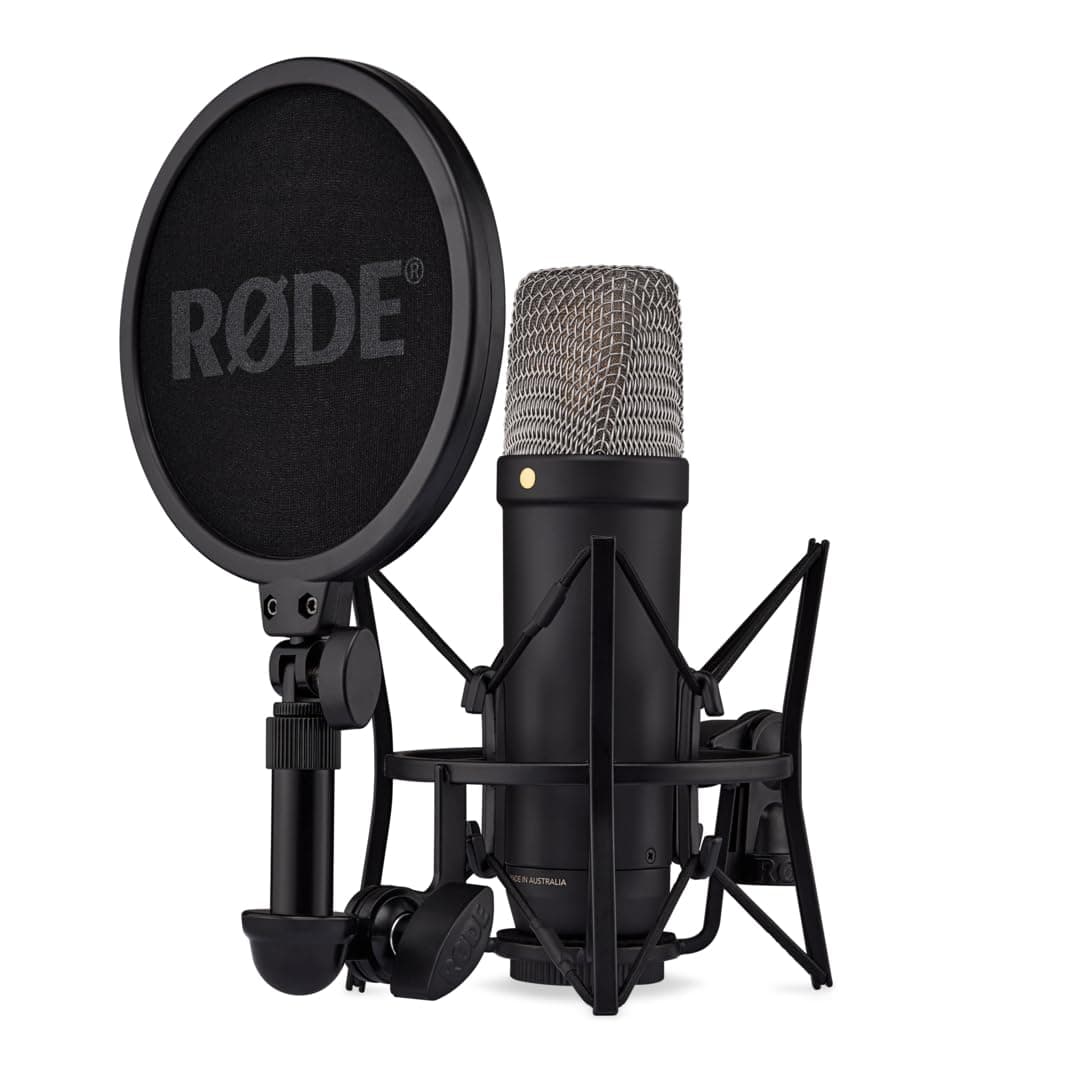
In contrast, the Rode NT1 5th Generation represents a step up into professional audio, evidenced by its much higher 192kHz sample rate, which captures audio with significantly more detail and clarity than the Yeti's 48kHz. This high-resolution capture is critical for music production, detailed vocal recordings, and situations where pristine sound quality is paramount. The NT1's dual USB and XLR output truly sets it apart, offering flexibility for both direct computer recording and integration into professional studio setups with audio interfaces. Its extremely low self-noise further ensures that recordings are exceptionally clean, free from unwanted hiss or background artifacting, a crucial advantage for sensitive vocal work or acoustic instruments.
The real-world difference manifests in fidelity and flexibility. While the Yeti is excellent for getting started quickly and handling various scenarios with acceptable quality, the NT1 delivers studio-grade results, making it ideal for those producing high-quality music or professional podcasts where audio excellence is non-negotiable. The trade-off is primarily cost and simplicity; the Yeti offers more features for a lower price and a simpler setup, whereas the NT1 demands a higher investment for its superior sonic performance and broader connectivity options for more advanced users.
Key Differences
The most significant spec differences at a glance
Sample Rate
75% lessAdvantages
Where each product wins

Rode
- Sample Rate: 75% higher (48.0 vs 192.0)
Which to Pick for Your Situation
Concrete scenarios with a clear recommendation
For high-fidelity music recording and vocal production
RodeThe Rode NT1's 192kHz sample rate and extremely low self-noise provide superior audio resolution and clarity for professional-grade recordings.
For recording interviews with multiple participants in a room
Blue MicrophonesThe Blue Yeti features an omnidirectional polar pattern, allowing it to capture sound from all directions, ideal for group settings.
For a versatile home studio setup that may expand in the future
RodeThe Rode NT1 offers both USB and XLR outputs, providing flexibility for direct computer use now and integration with professional audio interfaces later.
Who Should Buy Which?
Find the right product for your needs

Buy Blue Microphones if...
Blue Yeti USB Microphone
The Blue Microphones Blue Yeti is perfect for the aspiring content creator, casual podcaster, streamer, or student who needs an immediate, hassle-free recording solution. This buyer prioritizes ease of use, affordability, and versatility without the need for complex setups. They value the plug-and-play USB connection, allowing them to start recording directly to their computer without additional interfaces. The Yeti's multi-pattern polar pattern (cardioid for solo, omnidirectional for groups) is crucial for their varied content, from personal commentary to interviews or group discussions. The inclusion of zero-latency monitoring via its headphone output is vital for real-time feedback, preventing distracting echoes during live streams or recording sessions. This user is content with standard audio quality for online platforms and appreciates the integrated stand, saving them from purchasing extra accessories.

Buy Rode if...
RØDE NT1
The Rode RØDE NT1 5th Generation is designed for the serious audio enthusiast, professional musician, dedicated podcaster, or vocalist who demands uncompromising sound quality and future-proof versatility. This buyer prioritizes pristine audio fidelity, clarity, and the flexibility to grow their recording setup. They require the NT1's 192kHz sample rate for capturing every nuance in their music or voice, ensuring professional-grade recordings that stand out. The dual USB and XLR connection is essential, allowing them to switch between a simple direct-to-computer setup for quick projects and full integration with professional audio interfaces for advanced production workflows. The NT1's extremely low self-noise is a critical factor, ensuring their vocals or instruments are recorded with absolute silence in the background, making it suitable for even the quietest recording environments.
Spec Comparison
8 specs compared
| Specification |  |  |
|---|---|---|
| Rating | 4.7(923) | 4.6(6.4k) |
| Sample Rate | 48 kHz | 192 kHz |
| Connection | USB | USB/XLR |
| Polar Pattern | multi-pattern | Cardioid |
| Zero-Latency | Yes | — |
| Model Number | BYETI-FC5_K6 | — |
| Headphone Out | Yes | — |
| Weight | — | 0.68 lbs |
| Software | — | None |
Swipe horizontally to see all columns
Pros & Cons
Quick overview of strengths and weaknesses
Blue Yeti USB Microphone
- Multi-pattern: Cardioid and Omnidirectional
- Zero-latency monitoring with headphone output
- USB connection for direct computer use
- Includes pop filter and 4-port USB hub
- USB-only interface limits connectivity options
- Only two polar patterns: Cardioid, Omnidirectional
- Built-in stand adds to physical footprint
Rode RØDE NT1
- XLR and USB outputs offer versatile connection
- USB output allows direct computer recording
- Extremely low self-noise for clean recordings
- High SPL handling suitable for loud sources
- No included software suite
- Fixed cardioid polar pattern
Frequently Asked Questions
Common questions about this comparison
Which microphone offers higher audio resolution?
The Rode NT1 5th Gen offers a significantly higher sample rate of 192kHz, compared to the Blue Yeti's 48kHz. This allows for capturing more detailed and pristine audio, crucial for professional music and vocal production.
Can I connect both microphones to a professional audio interface?
Only the Rode NT1 5th Gen provides both USB and XLR outputs, allowing direct connection to professional audio interfaces. The Blue Yeti is a USB-only microphone.
Which microphone is better for recording multiple people simultaneously?
The Blue Yeti is better for recording multiple people as it features multiple polar patterns, including an omnidirectional setting. The Rode NT1 is fixed to a cardioid pattern, primarily for single-source recording.
Do either of these microphones come with a pop filter?
Yes, both microphones include a pop filter. The Blue Yeti comes as part of a 3-item bundle, and the Rode NT1 includes one with its shock mount.
What is the main benefit of the Rode NT1's extremely low self-noise?
The Rode NT1's extremely low self-noise (just 4dBA) ensures exceptionally clean and transparent recordings. This is critical for capturing subtle nuances in vocals or instruments without introducing unwanted hiss, making it ideal for professional-grade audio work.
Related Comparisons
Similar products people compare
Explore Other Categories
Popular comparisons across the site



Ask AI
Get instant answers about specs
Get the Deets
Ask our AI assistant
Ask Deets anything!