Our Verdict
MAONO GamerWave DGM20S Black Wins
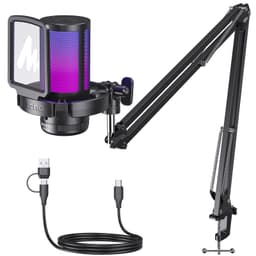
The MAONO mic offers superior audio control and clarity for content creators, featuring dedicated zero-latency monitoring, a cardioid polar pattern for focused voice capture, and one-click noise cancellation. While it's $10 more at $39.99 compared to the TONOR TC310+'s $29.99, its advanced features justify the price difference for streamers and gamers. The TONOR TC310+ is the better pick for budget-conscious users seeking clear audio without needing advanced monitoring or specific pattern control.
Bottom Line: MAONO GamerWave DGM20S Black is the better choice. The MAONO mic offers superior audio control and clarity for content creators, featuring dedicated zero-latency monitoring, a cardioid polar pattern for focused voice capture, and one-click noise cancellation.
In-Depth Analysis
How they compare in practice
When comparing the MAONO GamerWave DGM20S and the TONOR TC310+, the distinctions lie primarily in their feature sets tailored for different user needs. The MAONO DGM20S positions itself as a more robust option for content creators like streamers and podcasters. Its standout feature is the one-click noise cancellation, which actively reduces ambient background sound, a practical advantage in less-than-ideal recording environments. Coupled with its cardioid polar pattern, the DGM20S excels at isolating the speaker's voice, making it ideal for clear, focused audio capture during live streams or voiceovers. Furthermore, the inclusion of zero-latency monitoring with a dedicated headphone output allows users to hear their audio in real-time, crucial for adjusting levels and ensuring optimal sound during a broadcast or recording session. This real-time feedback is a significant benefit the TONOR TC310+ lacks, making MAONO a stronger choice for serious audio work.
The TONOR TC310+ offers a compelling value proposition at a lower price point of $29.99. While it doesn't boast the advanced noise cancellation or zero-latency monitoring of the MAONO, it provides a solid foundation for clear voice communication, supported by a 48kHz sample rate. This sample rate ensures good audio fidelity for most communication needs, whether it's for casual gaming, online meetings, or starting a simple podcast. Both microphones are plug-and-play USB devices and include boom arms, offering similar convenience in setup and positioning. However, the TONOR's desk clamp is limited to 2.36 inches in thickness, which could be a minor constraint for some users.
The trade-off between the two is performance versus price. The MAONO DGM20S, at $39.99, is designed for users who prioritize audio quality control and need features like noise reduction and monitoring to enhance their content. The TONOR TC310+, priced at $29.99, appeals to those on a tighter budget who require reliable, clear voice capture without needing the advanced features. For casual use, the TONOR delivers excellent value. For those looking to elevate their audio production with more control and cleaner sound, the MAONO offers the necessary tools.
Key Differences
The most significant spec differences at a glance
Sample Rate
100% lessAdvantages
Where each product wins

TONOR
- Sample Rate: 100% higher (0.0 vs 48.0)
Which to Pick for Your Situation
Concrete scenarios with a clear recommendation
For serious streamers or podcasters in a home office
MAONOThe MAONO DGM20S's one-click noise cancellation and cardioid polar pattern provide superior voice isolation, while zero-latency monitoring allows for real-time audio adjustment.
For budget-conscious gamers or remote workers
TONORThe TONOR TC310+ offers clear audio with a 48kHz sample rate at a more accessible $29.99 price, fulfilling essential communication needs effectively.
For gamers needing immediate audio feedback
MAONOMAONO's zero-latency monitoring with a headphone output is crucial for real-time sound checks, preventing echo or poor audio quality during live gameplay.
For general online voice chat and communication
TieBoth microphones provide clear USB audio with gain control and a mute button, making either suitable for everyday voice communication without specific advanced needs.
Who Should Buy Which?
Find the right product for your needs

Buy MAONO if...
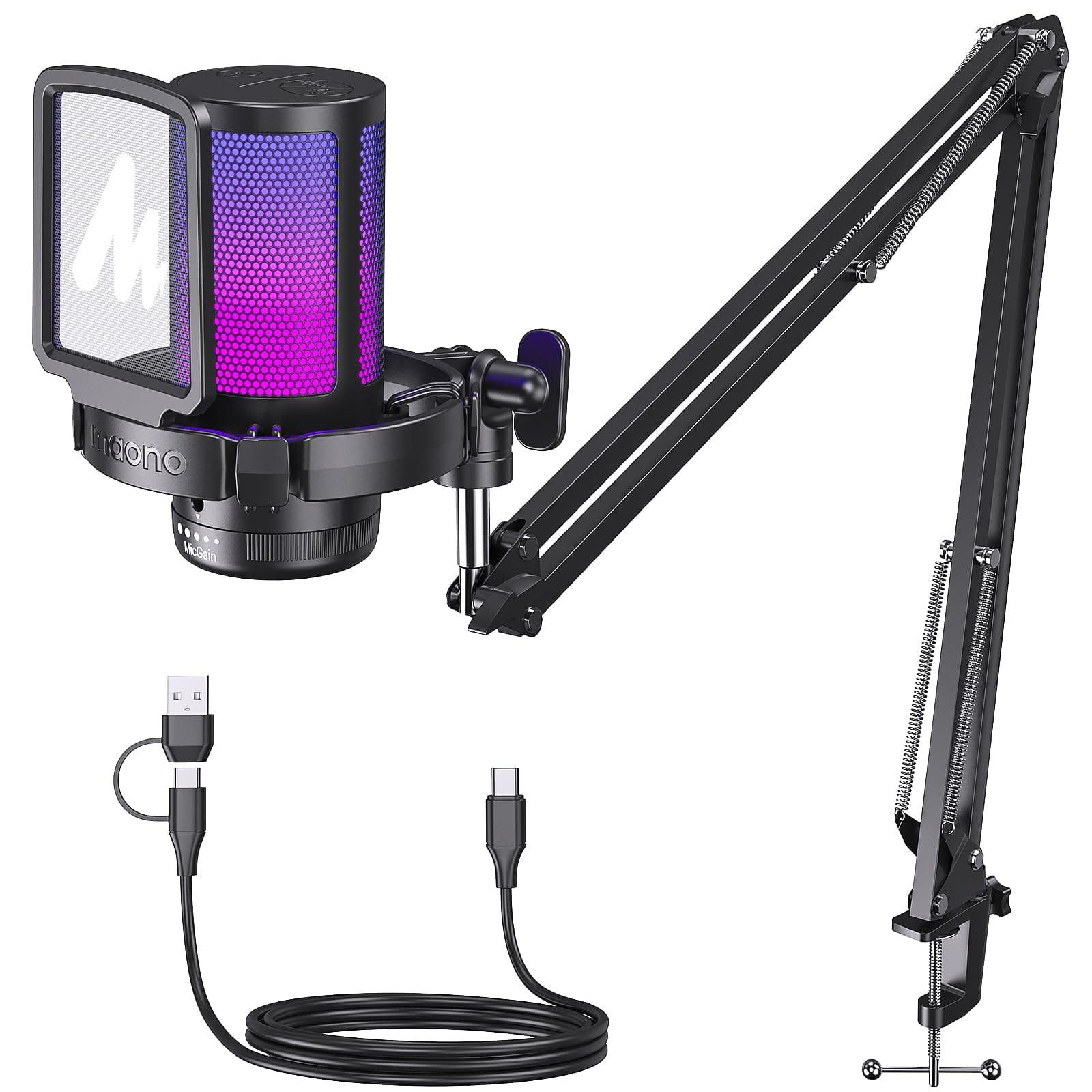
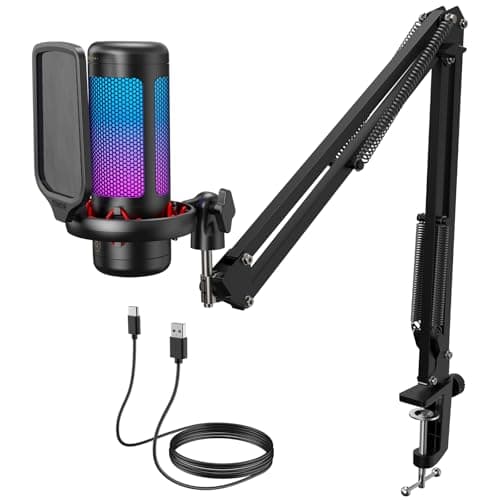
MAONO Gaming USB Microphone,
The MAONO GamerWave DGM20S Black is ideally suited for the aspiring content creator, dedicated streamer, or serious gamer who prioritizes clear, focused audio and effective noise management. This user frequently engages in live broadcasts, records podcasts, or communicates intensely in online gaming, where ambient noise can be a significant issue. Their priorities include ensuring their voice is heard distinctly, free from keyboard clicks, fan hum, or room echo, and having immediate control over their audio output. The MAONO's one-click noise cancellation and cardioid polar pattern are critical for isolating their voice, while zero-latency monitoring through its headphone output is indispensable for real-time audio adjustments during a live session. They are willing to invest slightly more ($39.99) for these performance-enhancing features. While they might give up the TONOR's slightly lower price point, they gain crucial professional-grade functionalities that elevate their content and communication quality, making the MAONO a wise investment for their specific needs.

Buy TONOR if...
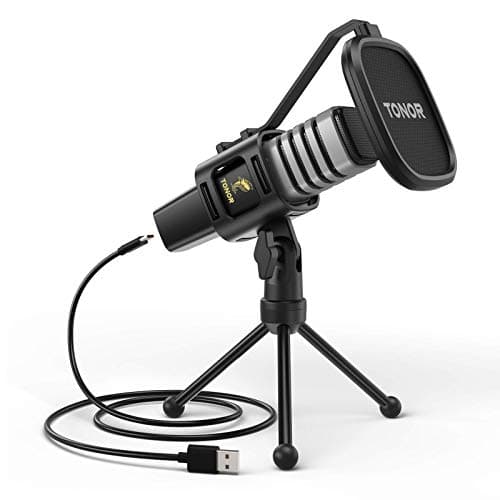
TONOR Gaming Microphone Set
The TONOR Gaming Microphone Set (TC310+) is perfect for the casual gamer, remote worker, or student who needs a reliable, clear, and affordable microphone without requiring advanced audio production features. This buyer's primary needs revolve around consistent, intelligible voice communication for online meetings, casual gaming with friends, or basic voice chat. Their budget is a significant consideration, making the $29.99 price point highly attractive. They appreciate simplicity and ease of use, valuing the plug-and-play USB connection and on-mic controls like the one-tap mute and gain adjustment. The 48kHz sample rate provides excellent clarity for their general communication needs. While they forgo features like advanced noise cancellation, a specific polar pattern, or zero-latency monitoring found in higher-end models like the MAONO, these are not essential for their use cases. The TONOR provides a strong foundation for clear audio communication, offering exceptional value for its price and fulfilling the core requirements of its target user without unnecessary complexities.
Spec Comparison
11 specs compared
| Specification |  |  |
|---|---|---|
| Price | $40 | $30 |
| Rating | 4.5(4.8k) | 4.5(2.0k) |
| Sample Rate | 0 kHz | 48 kHz |
| Connection | USB | USB |
| Polar Pattern | Cardioid | — |
| Zero-Latency | Yes | — |
| Weight | 0.77 lbs | — |
| Mute Button | Yes | Yes |
| Gain Control | Yes | Yes |
| Software | None | None |
| Headphone Out | Yes | — |
| Freq. Response | {"high":20000} | — |
| Model Number | — | TC310+ |
Swipe horizontally to see all columns
Pros & Cons
Quick overview of strengths and weaknesses
MAONO Gaming USB
- One-click noise cancellation reduces background sound.
- Cardioid polar pattern focuses voice capture.
- Integrated mute button and gain control knob.
- Zero-latency monitoring with dedicated headphone port.
- Not compatible with XBOX consoles.
- Lacks dedicated software suite for advanced control.
- RGB lighting adds no functional utility.
TONOR Gaming Microphone
- Delivers clear audio for voice communication.
- Integrated boom arm and desk clamp included.
- Features one-tap mute button for quick control.
- On-mic gain adjustment allows volume fine-tuning.
- Lacks dedicated software for advanced audio control.
- Desk clamp limited to 2.36'' maximum thickness.
Frequently Asked Questions
Common questions about this comparison
Does the MAONO DGM20S offer better noise reduction?
Yes, the MAONO DGM20S features one-click noise cancellation, specifically designed to reduce background sound. The TONOR TC310+ does not list a similar dedicated feature for active noise reduction.
Can I hear my voice in real-time with either microphone?
Only the MAONO GamerWave DGM20S offers zero-latency monitoring via a dedicated headphone port. This allows you to hear your own voice without delay, which is critical for live streaming and recording.
Which microphone has a higher sample rate?
The TONOR TC310+ explicitly lists a 48kHz sample rate, providing good audio capture for voice. The MAONO DGM20S specifications do not explicitly state its sample rate.
Are these microphones compatible with gaming consoles?
The MAONO DGM20S is compatible with PS4 and PS5 but not Xbox. The TONOR TC310+ is primarily designed for PC and is not explicitly listed for console compatibility.
Do I need special software to use these microphones?
Neither the MAONO DGM20S nor the TONOR TC310+ requires a dedicated software suite for operation. They are both plug-and-play USB microphones, offering immediate functionality.
Related Comparisons
Similar products people compare
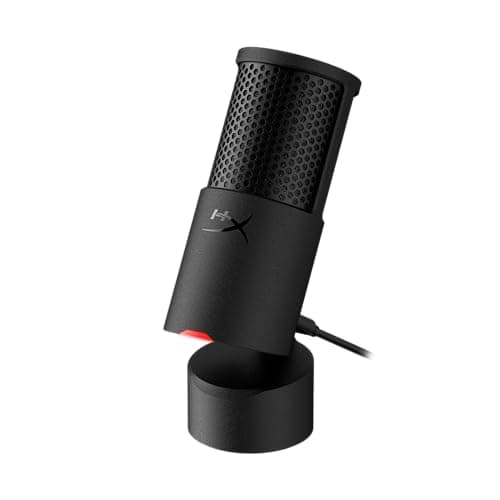
HyperX vs MAONO
$45 vs $40
FIFINE vs MAONO
$58 vs $40
MAONO vs Movo
$40 vs $40
FIFINE vs MAONO
$55 vs $40
Amazon Basics vs MAONO
$25 vs $40
MAONO vs TONOR
$40 vs $32
FIFINE vs TONOR
$30 vs $30
FIFINE vs TONOR
$26 vs $30
InnoGear vs TONOR
$27 vs $30
TONOR vs ZealSound
$30 vs $35
MAONO vs Razer
$40 vs $40
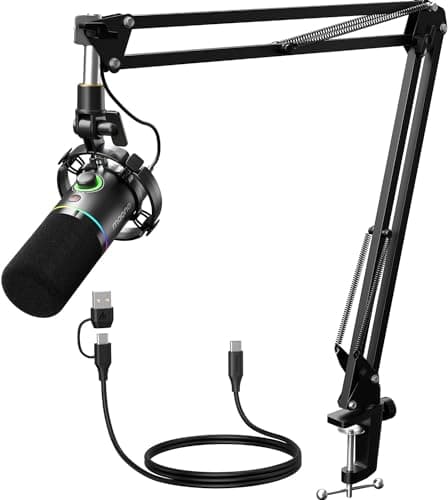
MAONO vs MAONO
$40 vs $80
FIFINE vs MAONO
$26 vs $40
Movo vs TONOR
$40 vs $30
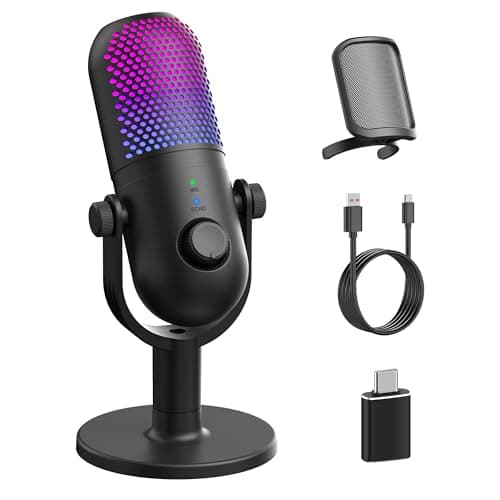
TONOR vs GUEVWES
$30 vs $23
Explore Other Categories
Popular comparisons across the site




Ask AI
Get instant answers about specs
Get the Deets
Ask our AI assistant
Ask Deets anything!