Our Verdict
Honeywell HPA-250 Wins
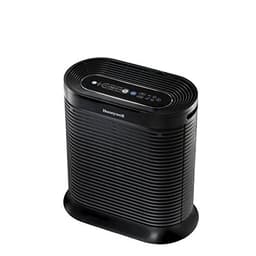
It offers a significantly superior smoke CADR of 198.4 compared to PuroAir's listed 0.0, making it far more effective for smoke removal and general air purification despite slightly less coverage. While slightly cheaper at $240.74, its explicit True HEPA filtration and VOC sensor provide clear performance indicators. PuroAir might be a better pick for larger general allergen removal at a slightly higher price ($259.99) if smoke isn't a primary concern and quiet operation is paramount, but its 0.0 smoke CADR is a major concern that undermines its overall value for comprehensive air quality.
Bottom Line: Honeywell HPA-250 is the better choice. It offers a significantly superior smoke CADR of 198.
In-Depth Analysis
How they compare in practice
The real-world implications of these two purifiers reveal distinct performance profiles, particularly concerning smoke and actual room coverage. The Honeywell HPA-250, priced at $240.74, clearly stands out with a robust smoke CADR of 198.4. This specification is crucial for anyone dealing with wildfire smoke, cooking odors, or even general air pollution, indicating its ability to quickly and effectively remove particulate matter. Its True HEPA filter and activated carbon pre-filter reinforce its capability for comprehensive allergen and odor reduction within its stated 310 sq ft coverage area. The integrated VOC sensor offers valuable real-time air quality monitoring, a feature for proactive air management.
In contrast, the PuroAir 400, at $259.99, presents a perplexing contradiction. While it boasts a larger effective coverage area of 416.67 sq ft and claims to filter smoke among other pollutants, its listed smoke CADR of 0.0 is a significant red flag. This spec directly conflicts with its marketing claims, suggesting it offers virtually no certified performance against smoke. Furthermore, its advertised 2000 sq ft coverage is misleading, with the actual effective area being 416.67 sq ft. While it features a "quiet operation with dedicated sleep mode" and a smart sensor for auto-adjustment, these benefits are overshadowed by the lack of verified smoke removal, especially for users prioritizing that function. Its "HEPA" filter type isn't specified as "True HEPA," potentially indicating a lesser filtration standard.
The trade-off lies in specific needs. For individuals or households prioritizing smoke removal, precise allergen capture, and active odor control with transparent, verified performance, the Honeywell HPA-250's superior CADR and specific filter components make it the clear choice. Its slightly smaller coverage is a fair compromise for demonstrable air cleaning power. However, if primary concerns are general dust/pollen removal across a moderately larger space (up to 416.67 sq ft) and a guarantee of quiet operation, and smoke isn't an issue, the PuroAir might appear appealing, assuming its general filtration claims hold true despite the CADR discrepancy. The value proposition of the PuroAir is ultimately undermined by the questionable smoke CADR and inflated coverage claims, making it a riskier investment for comprehensive air quality improvement, whereas the Honeywell offers transparent, measurable performance in a key area.
Key Differences
The most significant spec differences at a glance
Cadr Smoke
100% moreCoverage Sq Ft
26% lessAdvantages
Where each product wins

Honeywell
- Cadr Smoke: 100% higher (198.4 vs 0.0)

PuroAir
- Coverage Sq Ft: 26% higher (310 vs 416.67)
Which to Pick for Your Situation
Concrete scenarios with a clear recommendation
For battling wildfire smoke or persistent cooking odors
HoneywellThe Honeywell HPA-250 has a strong smoke CADR of 198.4, making it highly effective for removing smoke particles and odors, unlike Product B's 0.0 CADR.
For general dust and allergen filtration in a moderately large room
PuroAirThe PuroAir 400 covers a larger effective area of 416.67 sq ft compared to Honeywell's 310 sq ft, making it more suitable for broader general filtration in bigger spaces.
For bedrooms where quiet operation is essential
PuroAirPuroAir 400 explicitly offers quiet operation and a dedicated sleep mode, a feature not specified for the Honeywell unit.
For users who prioritize transparent performance metrics
HoneywellHoneywell provides clear True HEPA filter type and a specific, high smoke CADR, offering verifiable performance data unlike PuroAir's conflicting claims.
Who Should Buy Which?
Find the right product for your needs

Buy Honeywell if...
Honeywell HPA-250 Bluetooth Smart
The ideal buyer for the Honeywell HPA-250 is someone living in an area prone to wildfire smoke, who frequently cooks, or is highly sensitive to airborne allergens and odors. This user prioritizes verifiable, effective particulate and odor removal above all else. They appreciate the transparency of a stated True HEPA filter and an impressive smoke CADR of 198.4, which means their air quality will improve rapidly and noticeably, especially when pollution levels are high. They might live in a medium-sized room, up to 310 sq ft, and value real-time feedback from a VOC sensor. While they might not be getting the absolute largest coverage or a guaranteed quiet mode, they are willing to accept these trade-offs for superior, measurable air purification performance. Their budget is around $240, and they seek a reliable workhorse rather than a flashy, unverified performer. They trust established brand credibility and clear specifications over broad marketing claims.

Buy PuroAir if...
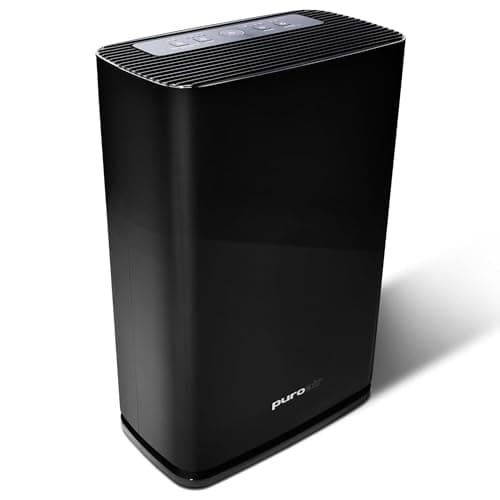
PuroAir 400 HEPA Air
The PuroAir 400 is best suited for a buyer primarily concerned with general indoor air quality, such as filtering common allergens like dust and pollen across a larger general living space, up to 416.67 sq ft. This user likely prioritizes quiet operation, perhaps for a bedroom or a quiet study area, where the dedicated sleep mode would be highly valued. They appreciate the convenience of a smart sensor that auto-adjusts fan speed. While the advertised 2000 sq ft coverage is misleading, they value having an air purifier that can handle a more expansive room than the Honeywell's 310 sq ft. Their primary concerns are not heavily focused on smoke removal, given its 0.0 smoke CADR. They are comfortable with a slightly higher price point of $259.99 and value certifications like CARB, ETL, ISO, UL for safety and performance, even if specific performance metrics like smoke CADR are lacking. They are looking for a general-purpose, quieter air purifier for everyday use in larger spaces, and are less focused on specific extreme air quality challenges like heavy smoke.
Spec Comparison
4 specs compared
| Specification |  | 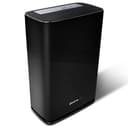 |
|---|---|---|
| Price | $241 | $260 |
| Rating | 4.2(293) | 4.5(16.4k) |
| Cadr Smoke | 198.4 | 0 |
| Coverage Sq Ft | 310 | 416.67 |
| Filter Type | True HEPA | HEPA |
| Smart Sensor | Yes | Yes |
Swipe horizontally to see all columns
Pros & Cons
Quick overview of strengths and weaknesses
Honeywell HPA-250 Bluetooth
- True HEPA captures common airborne allergens.
- Activated carbon pre-filter reduces odors.
- VOC sensor monitors and reports air quality.
- Cleans 310 sq ft rooms 4.8x per hour.
- Filter replacement cost is not specified.
- Operating noise level is not disclosed.
PuroAir 400 HEPA
- 3-layer filtration system removes 99.9% of pollutants
- Filters dust, pollen, pet dander, smoke, and VOCs
- Smart sensor monitors air and adjusts fan speed
- Quiet operation with dedicated sleep mode
- Smoke CADR listed as 0.0, despite filtration claims
- Effective coverage 416 sq ft, not advertised 2000 sq ft
Frequently Asked Questions
Common questions about this comparison
Which air purifier is better for removing smoke?
The Honeywell HPA-250 is significantly better, featuring a smoke CADR of 198.4. The PuroAir 400 lists a smoke CADR of 0.0, indicating it lacks certified smoke removal capability for smoke.
What room size can these purifiers cover effectively?
The Honeywell HPA-250 effectively covers rooms up to 310 sq ft. The PuroAir 400 covers a larger effective area, up to 416.67 sq ft, not its advertised 2000 sq ft.
Do both products have smart features for air quality monitoring?
Yes, both have smart sensors. The Honeywell HPA-250 specifically includes a VOC sensor that monitors and reports air quality levels in real-time.
Is one quieter than the other for bedroom use?
The PuroAir 400 explicitly advertises quiet operation and a dedicated sleep mode. The operating noise level for the Honeywell HPA-250 is not disclosed in its specifications.
How do their filtration systems compare?
The Honeywell HPA-250 uses a True HEPA filter with an activated carbon pre-filter for odors. The PuroAir 400 uses a 3-layer HEPA filtration system, though it doesn't specify 'True HEPA'.
Related Comparisons
Similar products people compare
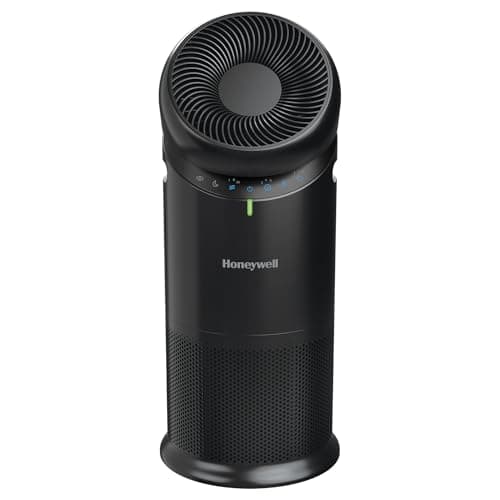
Honeywell vs PuroAir
$260 vs $260
PuroAir vs Shark
$260 vs $320
Dreo vs PuroAir
$297 vs $260
BLUEAIR vs PuroAir
$345 vs $260
LEVOIT vs PuroAir
$250 vs $260
Honeywell vs Medify Air
$241 vs $268
Honeywell vs PuroAir
$241 vs $280
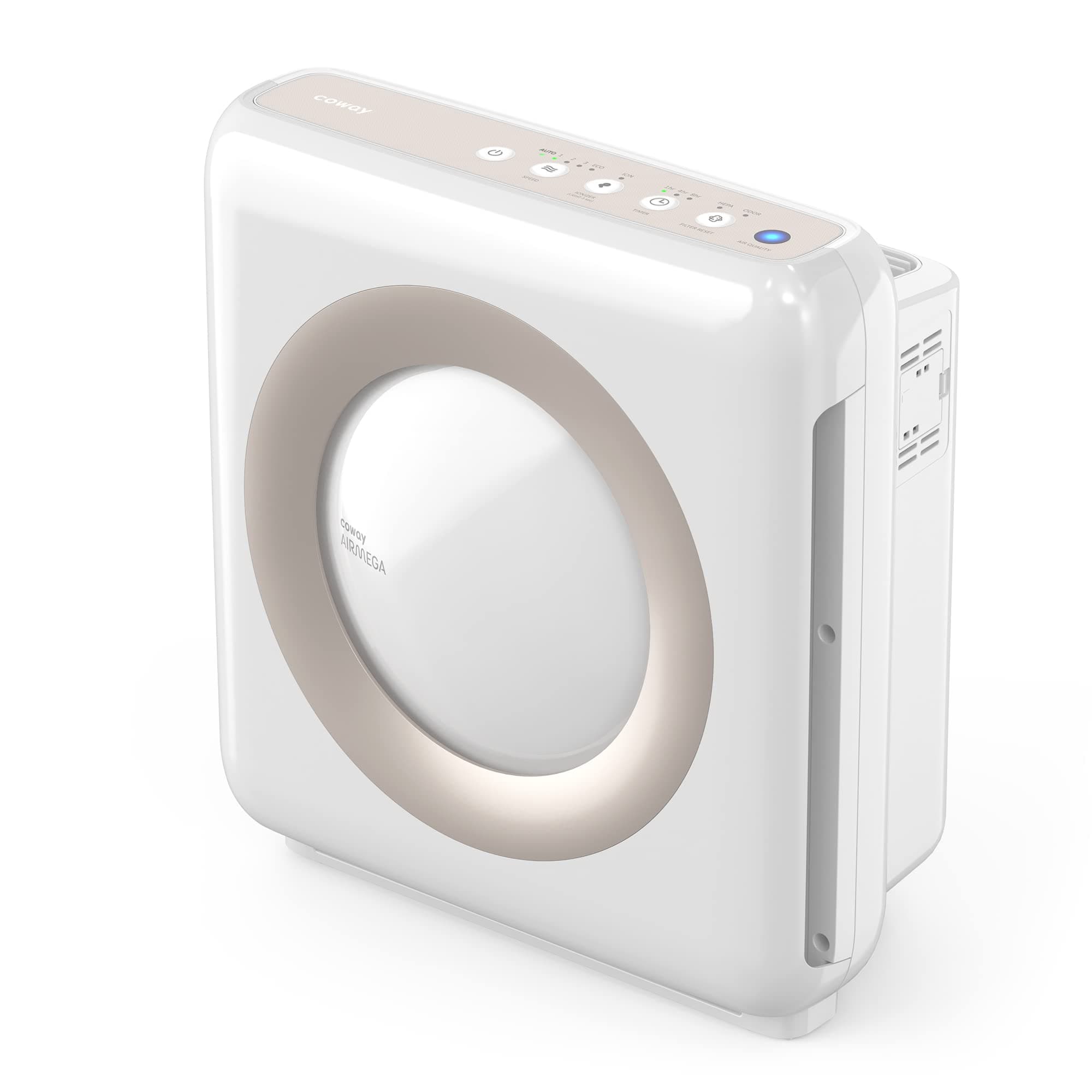
Coway vs PuroAir
$230 vs $260
Coway vs Honeywell
$230 vs $241
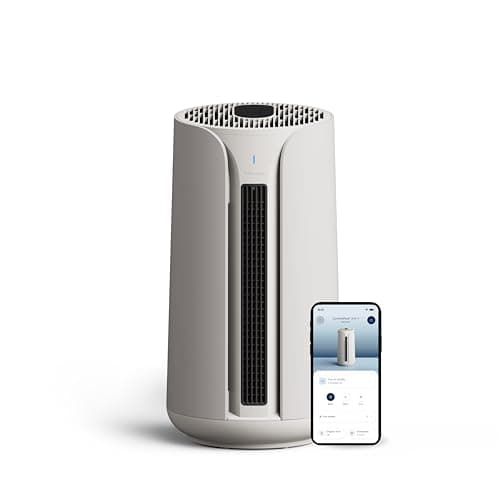
BLUEAIR vs PuroAir
$270 vs $260
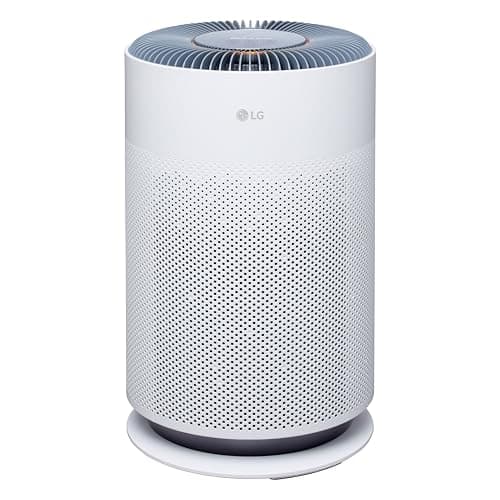
LG vs PuroAir
$270 vs $260
PuroAir vs PuroAir
$280 vs $260
Honeywell vs LG
$241 vs $270
Honeywell vs LEVOIT
$241 vs $250

Honeywell vs Winix
$241 vs $180
Explore Other Categories
Popular comparisons across the site



Ask AI
Get instant answers about specs
Get the Deets
Ask our AI assistant
Ask Deets anything!